The Craftsmen Behind German Smear: Origins and Material Practices
German Smear, also known as Schmear or mortar wash, refers to a historical method of applying a thin layer of mortar to brick or stone to achieve a rustic, aged appearance with irregular textures. This technique, distinct from limewash—which uses a thinner, more liquid slurry of slaked lime—or whitewash, which often incorporates chalk or other whiteners, originated in European architectural traditions where masons sought to enhance the durability and aesthetic of structures. Its significance lies in preserving building integrity through breathable materials that accommodate moisture movement, reflecting early innovations in masonry that balanced functionality with environmental adaptation in regions prone to varying climates.
The Origins and Role of Craftsmen in German Smear
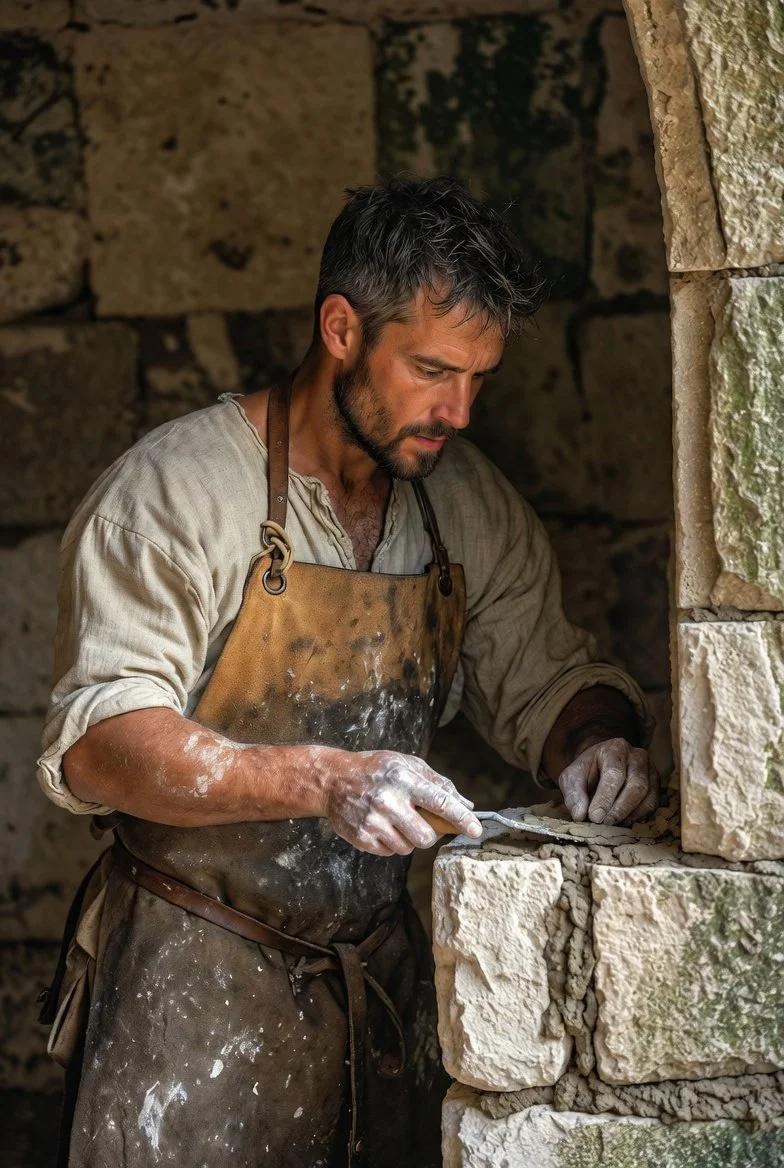
Historical records indicate that German Smear likely developed during the medieval era in Europe, particularly in Germany, as part of traditional stonework and masonry practices. Craftsmen, primarily masons and builders working on cottages, castles, and manors, employed this technique to mimic the appearance of irregular stone joints and heavy mortar applications seen in older structures. These artisans, often operating in local guilds or as itinerant workers, refined the method through hands-on experience, adapting it to available resources and regional building needs.
The technique involved smearing wet mortar across brick faces and partially removing it before it set, creating a distressed look that softened sharp lines and provided a protective layer. In architectural context, this approach was commonly used in northern Germany for its ability to integrate with brick constructions in humid or freeze-thaw prone areas, where masons prioritized materials that allowed for structural flexibility. Unlike painted brick, which seals surfaces and can trap moisture, German Smear maintained the porous nature of the underlying masonry.
Key contributions of craftsmen: They experimented with mortar consistency to achieve varying degrees of coverage, from light washes to heavier applications, based on building type.
Regional variations: In central Europe, masons incorporated local clays or aggregates to modify texture, influencing the final aesthetic.
Historical documentation: Evidence from surviving structures suggests use as early as the medieval period, though exact origins remain debated due to limited written records.
Discovery of Lime's Role in Breathability and Protection
European craftsmen, through empirical observation in building and repair work, recognized lime's properties in aiding breathability and protecting stone as early as ancient Roman influences spread across the continent. Lime mortar's vapor permeability allows moisture to evaporate from within walls, preventing buildup that could lead to cracks or decay in stone structures. This breathability, a core building-science principle, was likely noted when lime-finished buildings withstood damp conditions better than those using less permeable binders.
In terms of protection, lime's flexibility accommodates minor structural movements without cracking, while its alkaline nature resists biological growth and enhances adhesion to stone. Craftsmen observed that lime-based mixtures improved resistance to freeze-thaw cycles, common in European climates, by allowing ice expansion without damaging the mortar matrix. Historically, this was documented in medieval constructions where lime mortar protected porous stones like limestone or sandstone from weathering.
From an architectural standpoint, these discoveries integrated into broader European traditions, where lime was favored for its compatibility with natural materials, contrasting with modern cement's rigidity. Material behavior studies show lime's self-healing ability, where small cracks recarbonize over time, further extending protection.
Breathability mechanisms: High porosity enables vapor diffusion, reducing internal humidity and mold risk.
Protective attributes: Enhances stone durability through chemical bonding and pH levels that deter erosion.
Climate considerations: In wetter regions, lime's properties mitigated salt efflorescence and frost damage.
Collection and Preparation of Lime and Other Materials
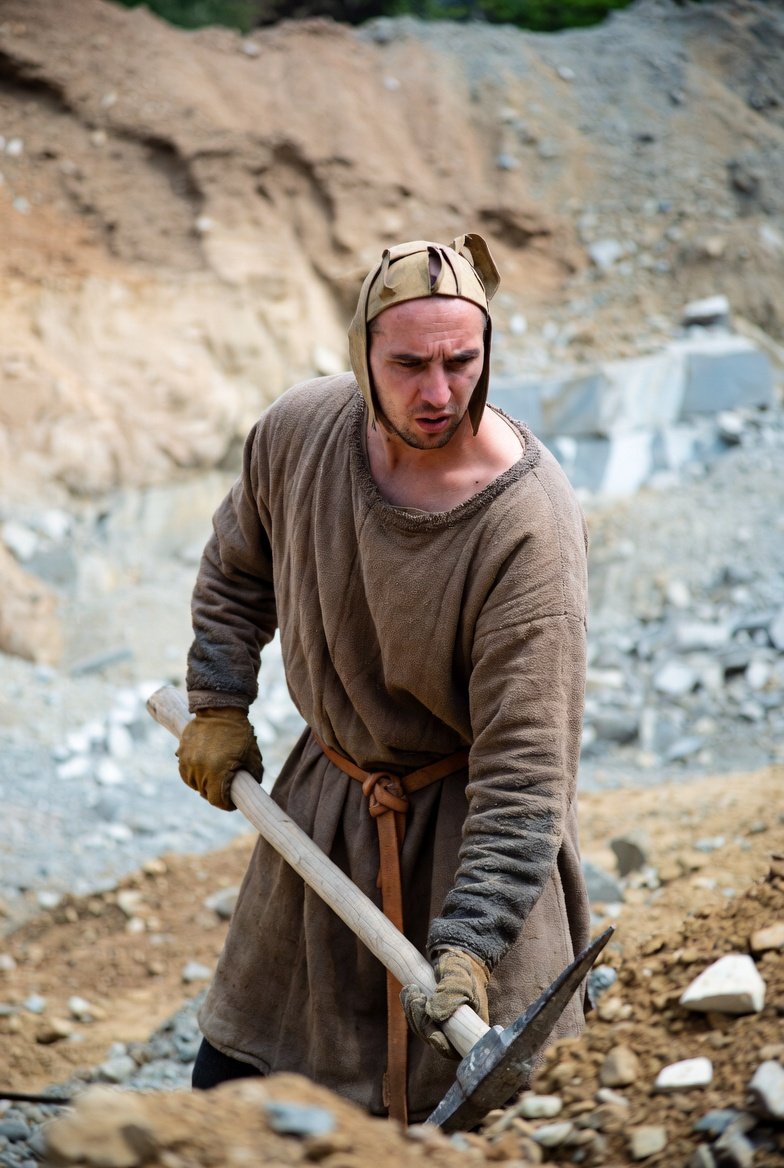
Historically, lime production in Europe began with quarrying limestone from local deposits, a process documented as early as Roman times but widespread in medieval periods. Craftsmen or lime burners extracted stone manually or with basic tools, then transported it to nearby kilns to minimize costs.
The production involved calcination: heating limestone to around 900–1000°C in kilns to produce quicklime (calcium oxide). Traditional kilns were often small, pit-like structures fueled by wood or coal, with the process taking days to complete. Quicklime was then slaked by adding water, creating hydrated lime putty for mortar mixing. In some regions, like coastal areas, oyster shells served as an alternative calcium source during colonial influences, though primarily in later periods.
Other materials for German Smear mortar included sand, sourced from rivers or pits for its angular grains that improved workability, and water from local supplies. Craftsmen mixed these in proportions suited to the application, often 1:3 lime to sand, ensuring the mixture's breathability. Historical practices emphasized local sourcing to align with regional geology and climate.
Lime collection steps: Quarrying limestone, breaking into manageable pieces, burning in kilns.
Sand and aggregates: Gathered from natural deposits, sieved for consistency.
Mixing process: Slaked lime combined with sand and water on-site for fresh application.
Conclusion
German Smear represents a culmination of European masons' ingenuity in utilizing lime-based mortars for aesthetic and functional purposes, highlighting the material's breathability and protective qualities observed through centuries of practice. The technique's reliance on locally sourced and processed materials underscores sustainable historical building methods that prioritized harmony with environmental conditions. These insights reveal how early craftsmen advanced architectural conservation through empirical knowledge of material science.
Looking to DIY?
Checkout SmearTech’s Signature White™ Mortar and German Smear Tools.