Factors Influencing Mortar Bond Strength in Brick Finishing Techniques
The strength of the bond between mortar and brick is fundamental to the performance and durability of masonry finishes, such as German Smear (also known as Schmear or mortar wash) and related historical treatments rooted in European traditions. These methods involve applying a mortar slurry to brick surfaces for aesthetic and protective purposes. From an architectural and building science perspective, understanding the factors affecting bond strength—moisture levels, temperature, and mineral composition—ensures vapor permeability, resistance to environmental stresses, and long-term stability, distinguishing these techniques from less permeable options like painted brick.
Moisture Levels and Bond Strength
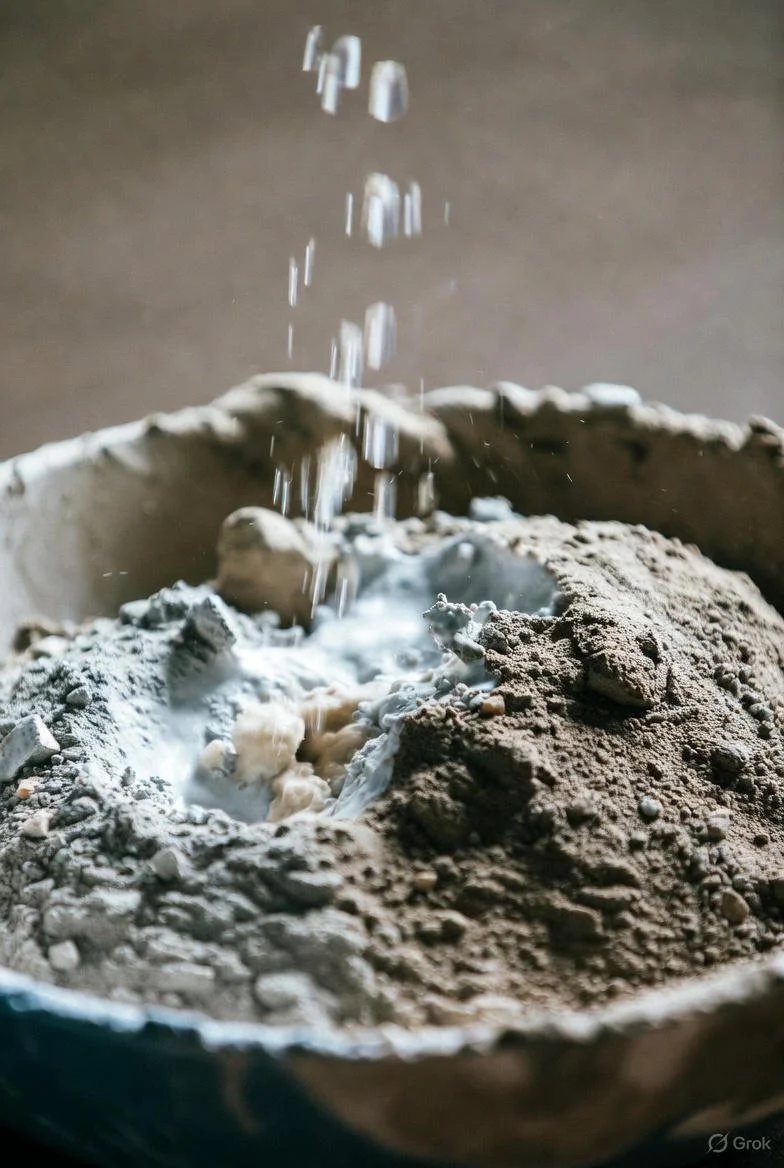
Moisture plays a critical role in mortar adhesion through suction, hydration, and mechanical interlocking.
The moisture content of the brick substrate and fresh mortar directly influences bond development. Excessive dryness in bricks causes rapid suction of water from the mortar, interrupting cement hydration and reducing adhesion. Conversely, overly wet bricks can prevent proper mechanical keying.
Optimal conditions involve pre-wetting dry bricks to moderate suction while avoiding saturation, allowing controlled water transfer for strong interfacial bonding.
Studies on brick-mortar interfaces show that balanced moisture promotes higher tensile and shear bond strength by facilitating hydration products that interlock with the porous brick surface.
In mortar wash applications, similar principles apply: the slurry adheres best to a damp but not saturated brick, ensuring vapor permeability and preventing trapped moisture.
In freeze-thaw climates, excessive moisture during application can lead to expansion damage, while insufficient moisture impairs bond formation and breathability.
Temperature Effects on Curing and Bonding
Temperature affects hydration rates, setting time, and ultimate bond strength during mortar application and curing.
Extreme temperatures disrupt proper curing. High temperatures accelerate evaporation, causing rapid drying and shrinkage cracks that weaken adhesion. Low temperatures slow hydration, delaying strength gain and increasing freeze risk if water remains unfrozen.
Ideal curing occurs between approximately 10°C and 25°C (50°F to 77°F), where hydration proceeds steadily for optimal bond development.
In hot conditions (>32°C/90°F), rapid drying reduces bond strength; protective measures like shading preserve moisture.
In cold conditions (<4°C/40°F), slowed reactions yield lower early strength; heated materials can mitigate this without exceeding limits that cause flash setting.
For lime-based mortars common in historical washes, moderate temperatures support carbonation, enhancing long-term adhesion.
Climate considerations are essential: in variable environments, controlled application timing maintains vapor permeability and freeze-thaw resistance.
Mineral Composition for Strong Bonding
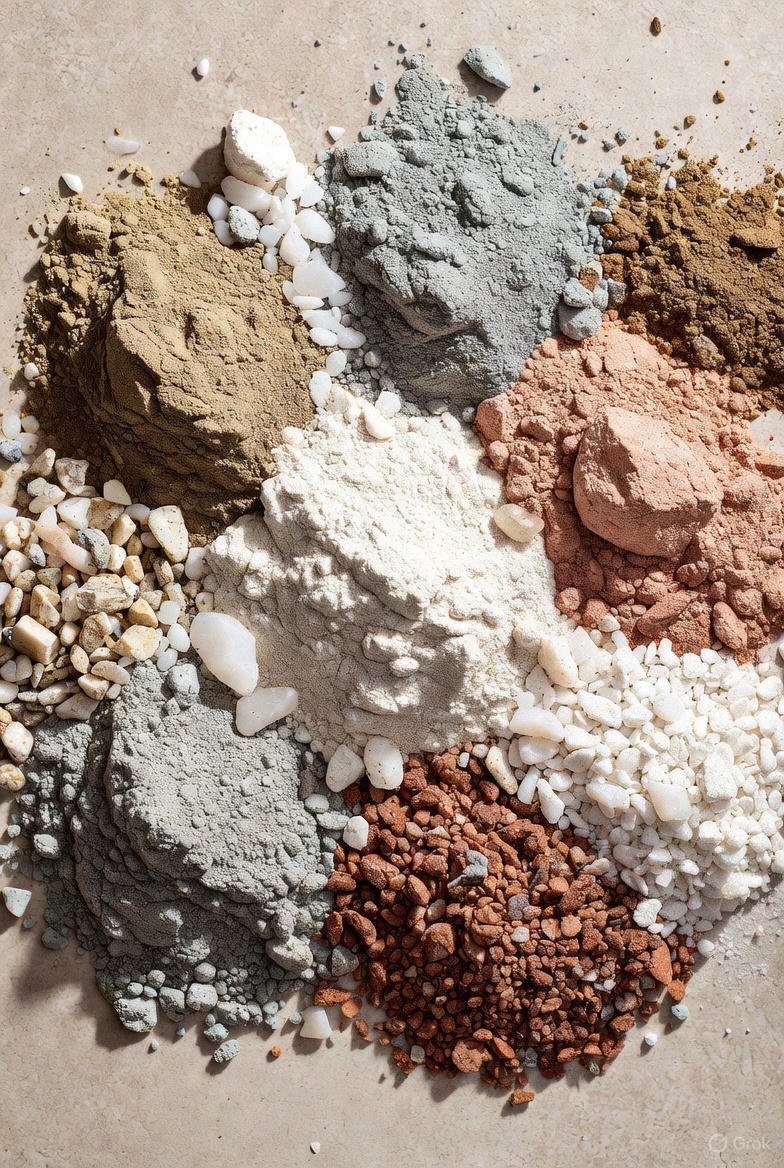
Mortar composition determines adhesion principles, breathability, and compatibility with brick.
Traditional lime-based mortars rely on calcium hydroxide for carbonation, forming calcium carbonate bonds with high vapor permeability. Modern cement-lime or Portland cement mortars use hydraulic setting for faster strength.
Lime-rich compositions (e.g., hydrated lime with sand) provide flexibility and excellent breathability, ideal for porous historic bricks.
Cement additions increase compressive strength but reduce permeability if dominant; balanced cement-lime mixes optimize bond while maintaining vapor flow.
Pozzolanic additives in historical formulations enhance hydraulic set without compromising breathability.
Key distinctions: German Smear typically uses lime or cement-lime mortar for permeable, durable adhesion; limewash involves slaked lime paint (lower bond strength); whitewash uses dilute coatings; painted brick seals surfaces, reducing permeability.
Adhesion relies on compatibility: softer mortars prevent stress on brittle bricks, supporting freeze-thaw behavior.
Longevity: Properly Bonded vs. Improperly Treated Mortar
Proper bonding yields finishes lasting decades or centuries; improper treatment accelerates deterioration.
Well-executed applications with controlled factors result in robust, breathable layers resistant to weathering.
Properly bonded mortar smears maintain vapor permeability, allowing moisture evaporation and preventing spalling or efflorescence.
Historical European examples demonstrate longevity exceeding 100 years when using compatible lime mortars.
Durable bonds resist cyclic stresses, with high tensile strength minimizing cracking.
Improperly treated mortar—due to poor moisture control, extreme temperatures, or incompatible compositions—fails prematurely.
Weak bonds from rapid drying or inadequate hydration lead to delamination, cracking, and reduced shear resistance.
Non-breathable or mismatched mortars trap moisture, causing freeze-thaw damage, spalling, and joint failure within years.
In smeared finishes, improper application can result in flaking or erosion, contrasting with permanent, protective layers from correct techniques.
Building science emphasizes breathability for longevity: permeable systems endure environmental cycles better than sealed ones.
Conclusion
Moisture levels, temperature, and mineral composition critically govern mortar bond strength in brick treatments like German Smear, influencing adhesion, vapor permeability, and resistance to climatic stresses. Proper management ensures durable, breathable finishes rooted in historical practices, while deviations lead to weakened bonds and shortened service life. These principles underscore the importance of material compatibility and environmental control in architectural conservation and masonry performance.
Looking to DIY?
Checkout SmearTech’s Signature White™ Mortar and German Smear Tools.