German Smear: A Centuries-Old Technique Rediscovered in Contemporary Building Practices
German Smear, also known as Schmear or mortar wash, is a traditional masonry finishing technique that involves spreading a diluted mortar mixture over brick or stone surfaces and then wiping away portions to achieve a textured, aged appearance. This method, documented in European building practices as early as the medieval period, particularly in regions like Germany and England, was originally employed to enhance the visual uniformity of irregular masonry while providing protective benefits against environmental degradation. Its rediscovery in modern architecture underscores the enduring value of historical methods in promoting sustainable building practices, as it allows for the integration of time-tested materials that support long-term structural integrity without compromising the natural properties of brick.
Historical Origins and Usage
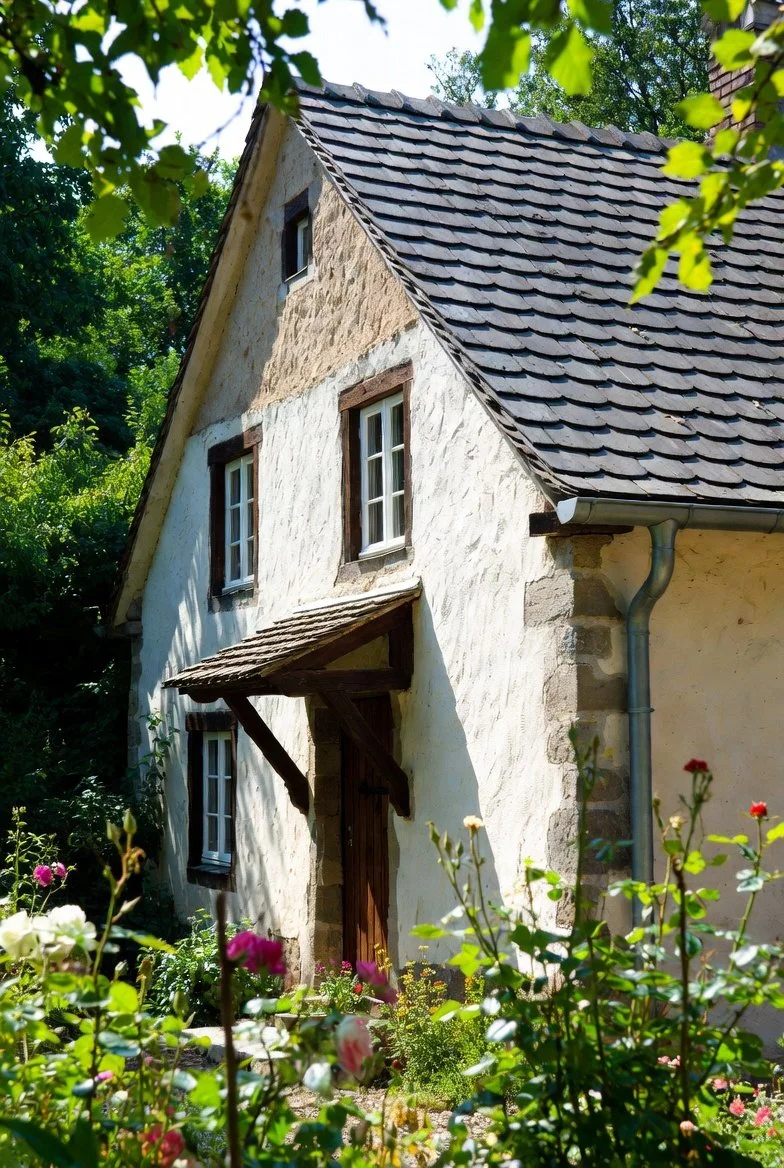
German Smear has roots in European architectural traditions, likely emerging in the medieval era as a practical response to the variability in brick and stone quality available at the time. Historical records indicate its use in northern Europe, including Germany, where it was applied to cottages, castles, and manors to mimic the appearance of weathered mortar joints and irregular stonework. Techniques similar to German Smear, such as Kalkschlämme or Kalküberwurf, were common in the 1500s and beyond, serving to regularize uneven brick tones and protect vulnerable surfaces.
In historical contexts, this method was not merely decorative but integral to building conservation. For instance, in England and Germany, mortar washes were used on brick facades to conceal variations in color and texture resulting from handmade bricks fired in inconsistent kilns. Over time, these applications evolved, with annual or periodic reapplications contributing to the patina of structures like colonial-era buildings in the United States, where lime-based variants influenced early American masonry.
Key historical applications:
Protection of medieval cottages and villas in northern Europe against weathering.
Enhancement of uniformity in brickwork during the Renaissance period in Italy and Germany.
Adaptation in colonial American architecture, blending European traditions with local materials.
This technique distinguishes itself from related finishes: unlike limewash, which is a slaked lime and water mixture creating a chalky, breathable layer that may require reapplication every five to seven years; whitewash, a diluted latex paint that can flake and reduce breathability; or full painting, which traps moisture and risks long-term damage, German Smear uses mortar for a more permanent, textured bond.
Infusing Modern Homes with Old-World European Flair
In contemporary residential design, German Smear is valued for its capacity to evoke the rustic charm of European heritage architecture, such as the distressed facades of German castles or English cottages. By partially covering brick with mortar, it softens the sharp lines of modern masonry, creating an irregular pattern that imparts a sense of age and authenticity to new constructions. This aesthetic appeal stems from its historical grounding, where the technique was used to achieve a timeless, organic look that harmonizes with natural landscapes.
Architecturally, German Smear allows homeowners to incorporate elements of old-world style into modern homes without extensive structural changes. For example, it can transform uniform red brick exteriors into textured surfaces reminiscent of weathered European stonework, enhancing visual interest and cultural resonance. Climate considerations play a role here; in regions with moderate rainfall, the method's breathability prevents moisture buildup, aligning with building science principles that prioritize vapor permeability over impermeable coatings.
Aesthetic benefits in modern contexts:
Creates depth and irregularity for a rustic, handcrafted appearance.
Softens the visual impact of new brick to mimic historical patinas.
Complements architectural styles like Tudor or farmhouse revivals.
Protective Benefits for Brick and Stone Structures
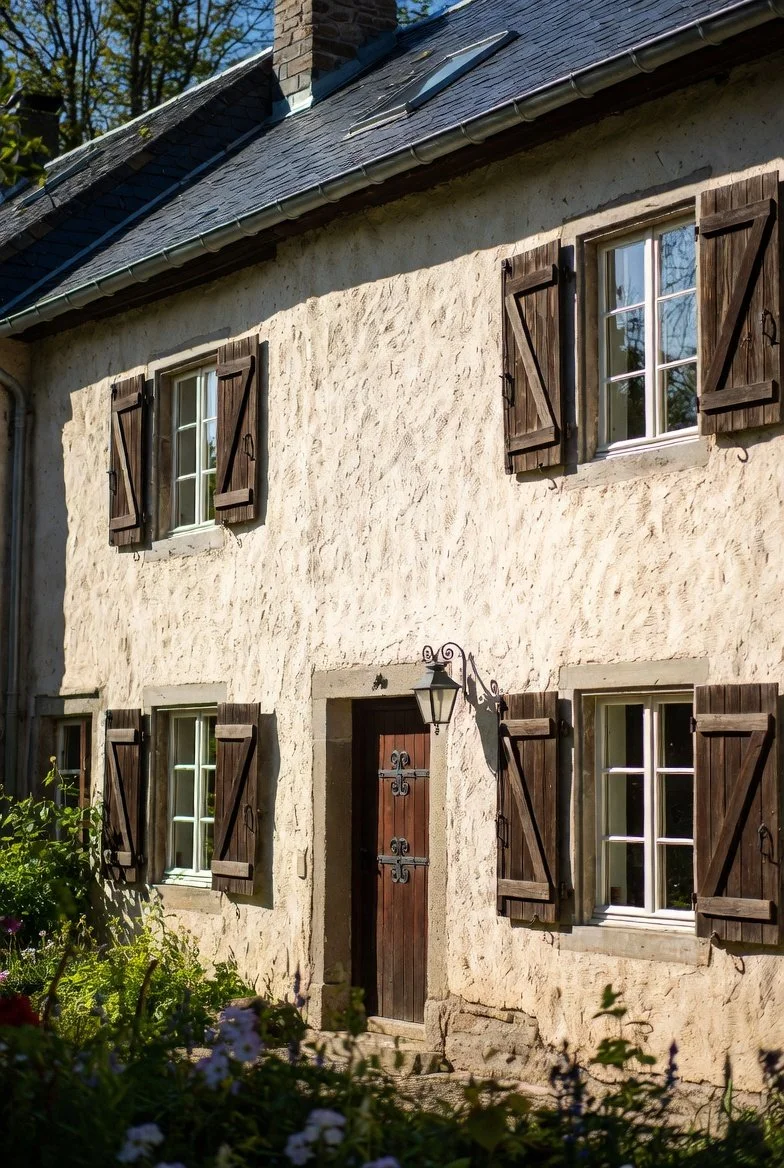
From a building science perspective, German Smear provides essential protection by acting as a sacrificial layer that shields underlying brick or stone from environmental stressors. The mortar, typically composed of Portland cement, lime, sand, and water, binds to the porous surface of masonry, reducing absorption of rainwater and UV radiation while allowing vapor to escape. This breathability is crucial, as it prevents the freeze-thaw cycles that can cause spalling—flaking or cracking—in unsealed brick, particularly in colder climates.
Historically, mortar washes were applied to stone and brick in Europe to extend the lifespan of structures exposed to harsh weather. The technique's adhesion principles rely on fines in the mortar penetrating the pore structure of the brick, forming a durable bond that can endure for decades. In contrast to painted brick, which creates a barrier trapping moisture and leading to efflorescence or internal decay, German Smear maintains vapor permeability, promoting a balanced moisture cycle within the wall assembly.
Building science advantages:
Enhances resistance to wind-driven rain and UV degradation.
Supports freeze-thaw resilience by allowing moisture evaporation.
Reduces efflorescence through controlled wetting and drying.
Blending New Additions with Existing Structures
One of the technique's notable applications is in seamlessly integrating new architectural extensions with older sections of a building. Historically, mortar washes were used in restoration projects to match repairs with original fabric, as seen in European bridge and castle maintenance where German Smear unified aged and fresh masonry. This blending capability arises from the method's ability to replicate the irregular mortar joints and textures of historical brickwork, ensuring visual continuity.
In modern practice, German Smear is employed on new brick additions to mimic the weathered appearance of adjacent older structures, adhering to conservation principles that emphasize compatibility. For instance, in heritage sites, lime-based mortars are matched to original compositions for repointing and washing, preventing stark contrasts that could detract from architectural cohesion. Climate factors, such as humidity levels, influence mortar selection to maintain breathability and prevent differential weathering between old and new sections.
Examples of blending in practice:
Unifying repairs in historic European cottages with original walls.
Matching new extensions in colonial-style homes to existing facades.
Enhancing restoration of stone bridges for cohesive historical aesthetics.
Conclusion
German Smear represents a bridge between historical European masonry traditions and modern architectural needs, offering a durable, breathable finish that protects brick and stone while evoking timeless aesthetics. Its protective qualities, rooted in building science principles like vapor permeability and adhesion, ensure longevity without the drawbacks of less compatible methods like painting. By blending new and old elements seamlessly, this rediscovered technique highlights the practical wisdom of past building practices in informing sustainable contemporary design.
Looking to DIY?
Checkout SmearTech’s Signature White™ Mortar and German Smear Tools.