The Production and Properties of White Mortar
White mortar refers to a binding material used in masonry that achieves a pale hue, distinguishing it from the typical gray tones of standard mortar. Historically, lighter mortars have been employed in European building traditions to create visually softened brick surfaces, such as in mortar-wash methods akin to German Smear, which originated as a way to protect and aesthetically enhance brickwork in regions with variable climates. From an architectural standpoint, white mortar matters because it allows for breathable, durable finishes that align with conservation principles, ensuring compatibility with porous substrates like brick while maintaining structural integrity over time.
How White Mortar Is Produced
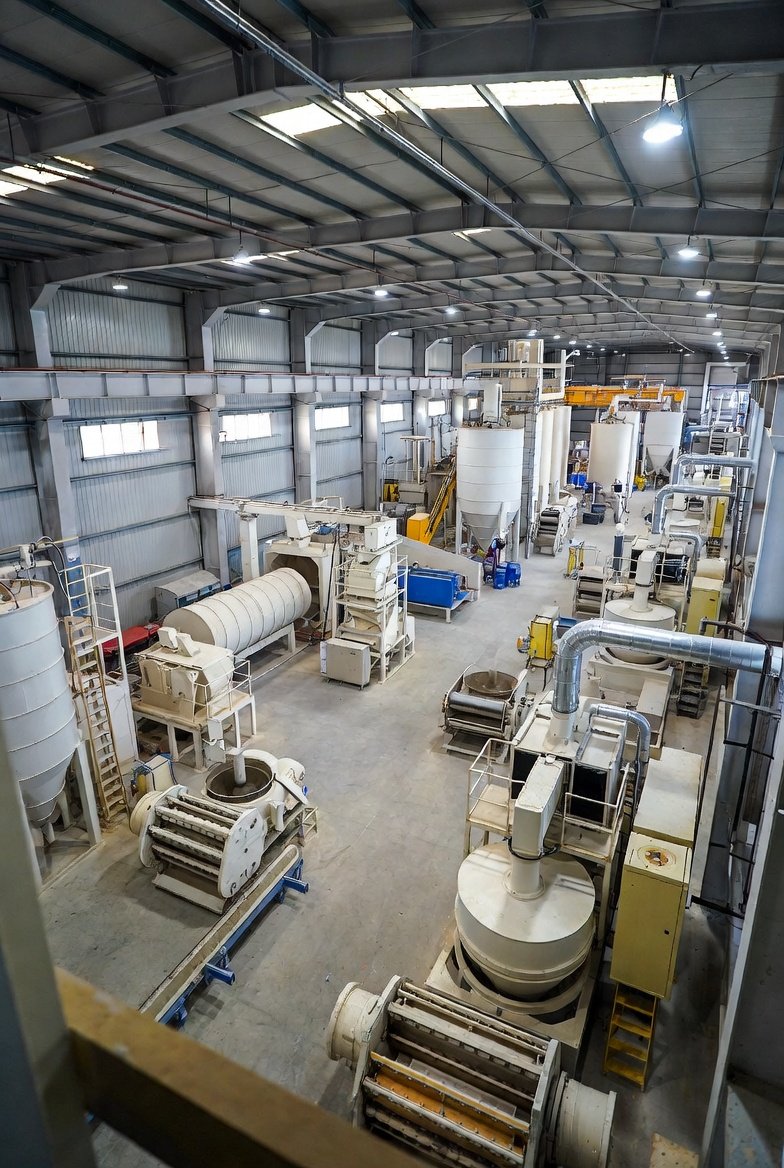
The production of white mortar begins with the creation of white Portland cement, which serves as its primary binder. This cement is manufactured similarly to ordinary Portland cement but with modifications to ensure whiteness, requiring raw materials low in coloring impurities and a more controlled firing process.
White Portland cement is made from high-purity limestone or chalk for calcium carbonate, kaolin clay for aluminosilicates, and silica sand, all selected for their minimal iron, manganese, and chromium content. These materials are crushed, ground, and blended into a raw mix, then heated in a kiln at higher temperatures—typically 1600 to 1700°C—compared to 1450°C for gray cement, due to the absence of iron oxides that act as fluxes in standard production. To further enhance whiteness, techniques like bleaching (using a secondary flame to reduce iron oxides) and rapid quenching (cooling the clinker quickly in water to prevent re-oxidation) may be employed.
Once the white cement clinker is produced, it is ground finely with gypsum to regulate setting time. The resulting white cement powder is then mixed with aggregates like white or light-colored sand and water to form mortar. In some formulations, hydrated lime is added for improved workability and breathability, commonly in ratios such as 1 part white cement, 1 part lime, and 6 parts sand for masonry applications. Fuel sources like natural gas or heavy oil are used during calcination to avoid ash impurities that could discolor the product.
Key steps in production:
Selection of low-iron raw materials (e.g., chalk with Fe₂O₃ < 0.1%).
Fine grinding to ensure uniformity and minimize contamination.
High-temperature sintering followed by quenching.
Mixing with light aggregates for the final mortar.
This process results in a material that is more energy-intensive to produce than standard mortar, reflecting its specialized use in aesthetic contexts.
Chemical Composition of Materials for Whiteness
The whiteness of mortar stems from the chemical composition of white Portland cement, which mirrors that of gray cement but with significantly reduced levels of coloring oxides. The primary compounds are calcium silicates and aluminates, formed during the high-temperature reactions in the kiln.
Standard Portland cement derives its gray color from transition metals like iron (Fe₂O₃), manganese (Mn₂O₃), and chromium (Cr₂O₃). In white cement, these are minimized: Fe₂O₃ is kept below 0.35%, Mn₂O₃ below 0.03%, and Cr₂O₃ below 0.003% in the clinker. The main phases include tricalcium silicate (C₃S, 50-70%), dicalcium silicate (C₂S, 15-30%), tricalcium aluminate (C₃A, 5-10%), and a low amount of tetracalcium aluminoferrite (C₄AF, <1%) due to reduced iron. Gypsum (CaSO₄·2H₂O) is added at 3-5% to control hydration.
Raw materials contribute to this composition: limestone provides CaO (about 65-70%), kaolin supplies Al₂O₃ and SiO₂ with low impurities, and silica sand adds SiO₂ (20-25%). The absence of iron-rich clays, replaced by kaolin, ensures the low ferric content essential for whiteness.
Principal chemical components:
CaO: 65-70% (from limestone).
SiO₂: 20-25% (from kaolin and sand).
Al₂O₃: 3-8% (from kaolin).
SO₃: 2-3% (from gypsum).
Minimal Fe₂O₃, Mn₂O₃, Cr₂O₃ for color control.
These elements react to form the hydraulic compounds that give mortar its binding strength, while the low impurity levels prevent tinting.
Effects on Mortar Permeability
Permeability, particularly water vapor permeability, is a critical building science property that affects moisture management in masonry walls. It determines how well mortar allows vapor to pass through, preventing trapped moisture that can lead to damage in freeze-thaw cycles or humid environments.
White mortar's permeability is influenced more by its overall formulation—such as the ratio of cement, lime, and sand—than by its color. High-lime content increases permeability, as lime mortars are more porous and breathable than dense cement-based ones. White Portland cement itself has a finer grind, potentially leading to slightly denser microstructures, but when mixed similarly to standard gray mortar, vapor permeability remains comparable. For instance, cement-lime mortars (common for white formulations) show higher vapor transmission rates than pure cement mortars, with permeability values often exceeding 10-15 perms depending on curing conditions.
In climates prone to moisture, low permeability can trap water, causing efflorescence or spalling in bricks. Adding lime enhances vapor permeability, making white mortar suitable for historic restorations where breathability is key. However, if white mortar is formulated with high cement content, it may reduce permeability compared to lime-dominant mixes, potentially affecting long-term durability in wet conditions.
Factors influencing permeability:
Lime addition: Increases porosity and vapor transmission.
Cement fineness: May slightly decrease permeability in white variants.
Sand gradation: Coarser sands improve breathability.
Curing: Proper hydration maintains optimal pore structure.
Overall, white mortar does not inherently alter permeability significantly from standard mortar if ratios are matched, but careful mix design is essential for architectural compatibility.
White Mortar Versus Standard Mortar for German Smear
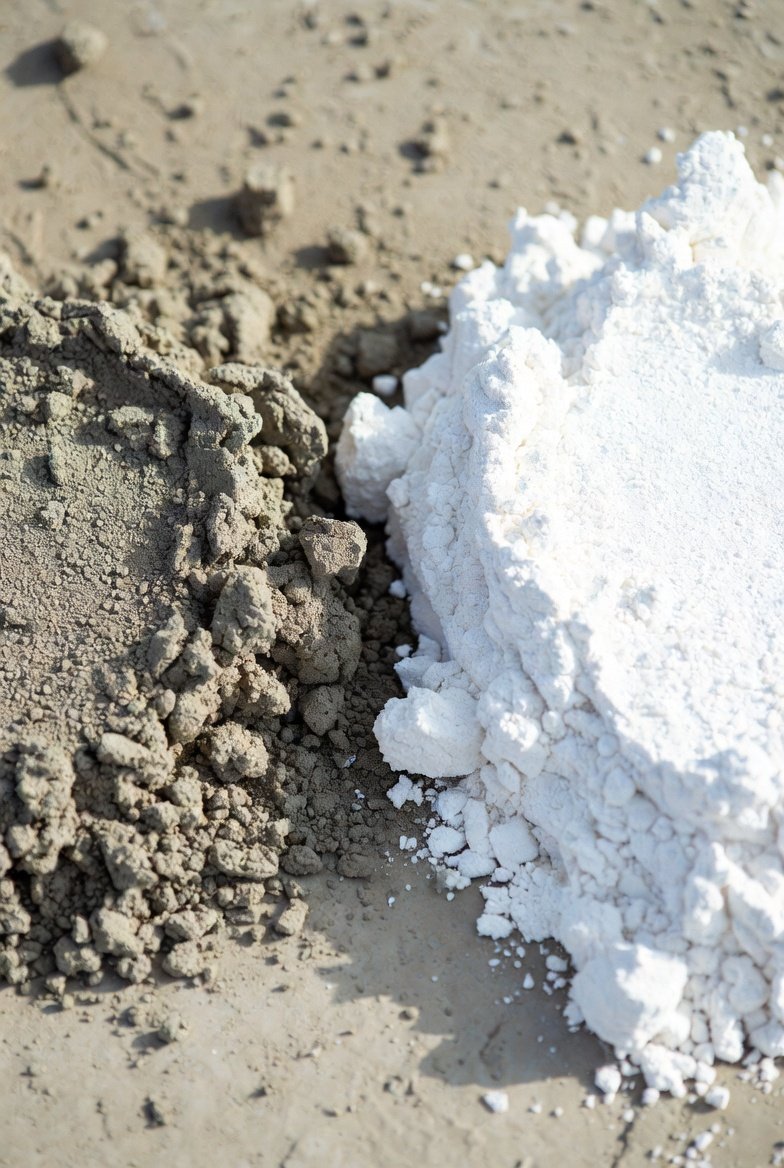
German Smear, a historical brick treatment method commonly used in European architecture, involves applying a thin layer of mortar over brick and partially removing it for a textured, aged appearance. This technique, documented as early as the 19th century in German building practices, emphasizes breathability to allow moisture escape while providing protection.
White mortar is often preferred for German Smear due to its aesthetic advantages, creating a lighter, whitewashed effect that softens brick tones and evokes traditional lime-based finishes. Compared to standard gray mortar, white variants use low-iron cement for color, but share similar strength and adhesion properties when formulated equivalently. It is not inherently "better" in terms of durability or permeability; both can be made breathable with lime additions, crucial for preventing moisture issues in brickwork.
However, white mortar excels aesthetically in modern applications, offering a rustic yet bright look without painting, which can seal surfaces and reduce breathability. In freeze-thaw prone areas, both types benefit from vapor-permeable mixes, but white mortar's finer particles may enhance workability for even application.
Comparison points:
Aesthetics: White provides a lighter, more inviting finish; standard gray yields a darker smear.
Permeability: Similar if lime is included; both outperform non-breathable paints.
Durability: Equivalent in adhesion and weather resistance; white may require more care to avoid discoloration from impurities.
Historical fit: White aligns better with traditional mortar washes for visual authenticity.
Ultimately, the choice depends on desired appearance, with white mortar offering enhanced visual appeal for German Smear without compromising core properties.
Conclusion
White mortar's production emphasizes purity in raw materials and processes to achieve its distinctive color, with a chemical composition low in coloring oxides that supports its use in decorative techniques. While its effects on permeability are largely tied to mix design rather than whiteness, incorporating lime ensures breathability essential for architectural longevity. For German Smear, white mortar provides aesthetic advantages over standard types, aligning with historical traditions of mortar-based brick treatments, though both require formulation for compatibility with substrate behavior.
Looking to DIY?
Checkout SmearTech’s Signature White™ Mortar and German Smear Tools.