

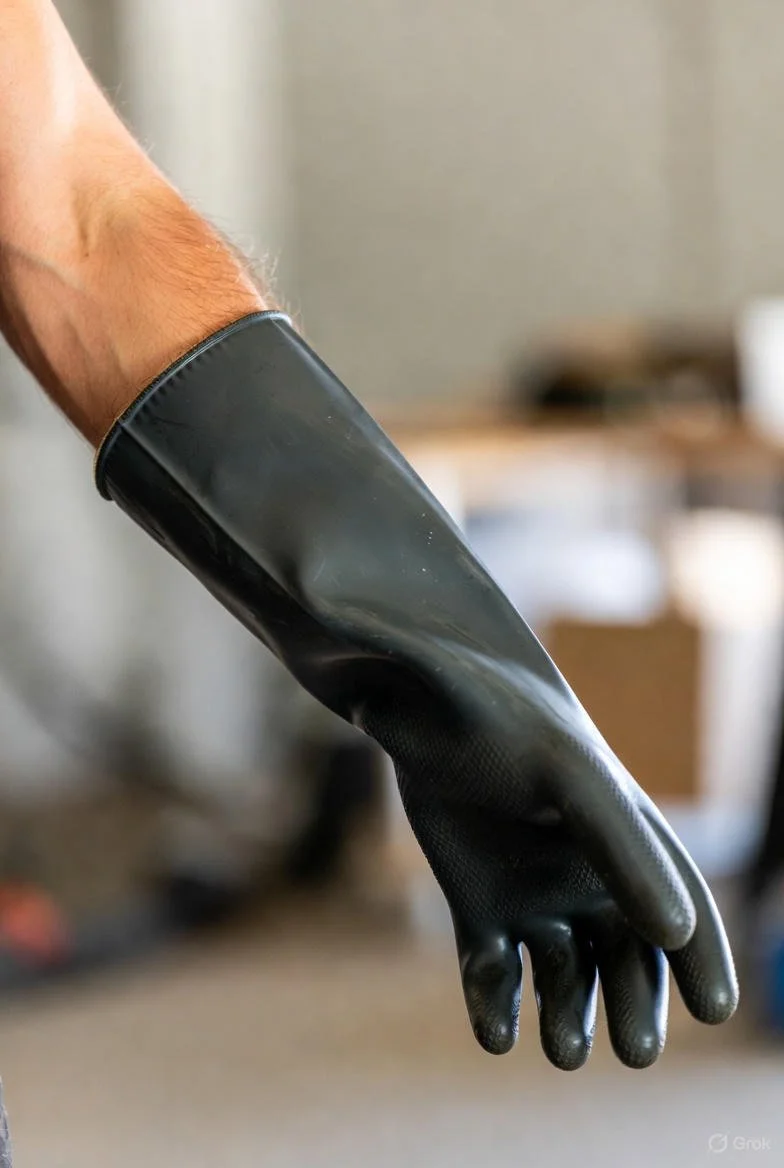
The Dangers of Mortar in German Smear
Mortar used in German Smear techniques possesses inherent caustic qualities due to its alkaline components, posing risks to skin, eyes, and respiratory systems. Understanding these dangers emphasizes the necessity of personal protective equipment (PPE) to prevent chemical burns and other injuries. Additionally, the fluid consistency of mortar in this method heightens exposure risks by facilitating splatters and widespread contact.
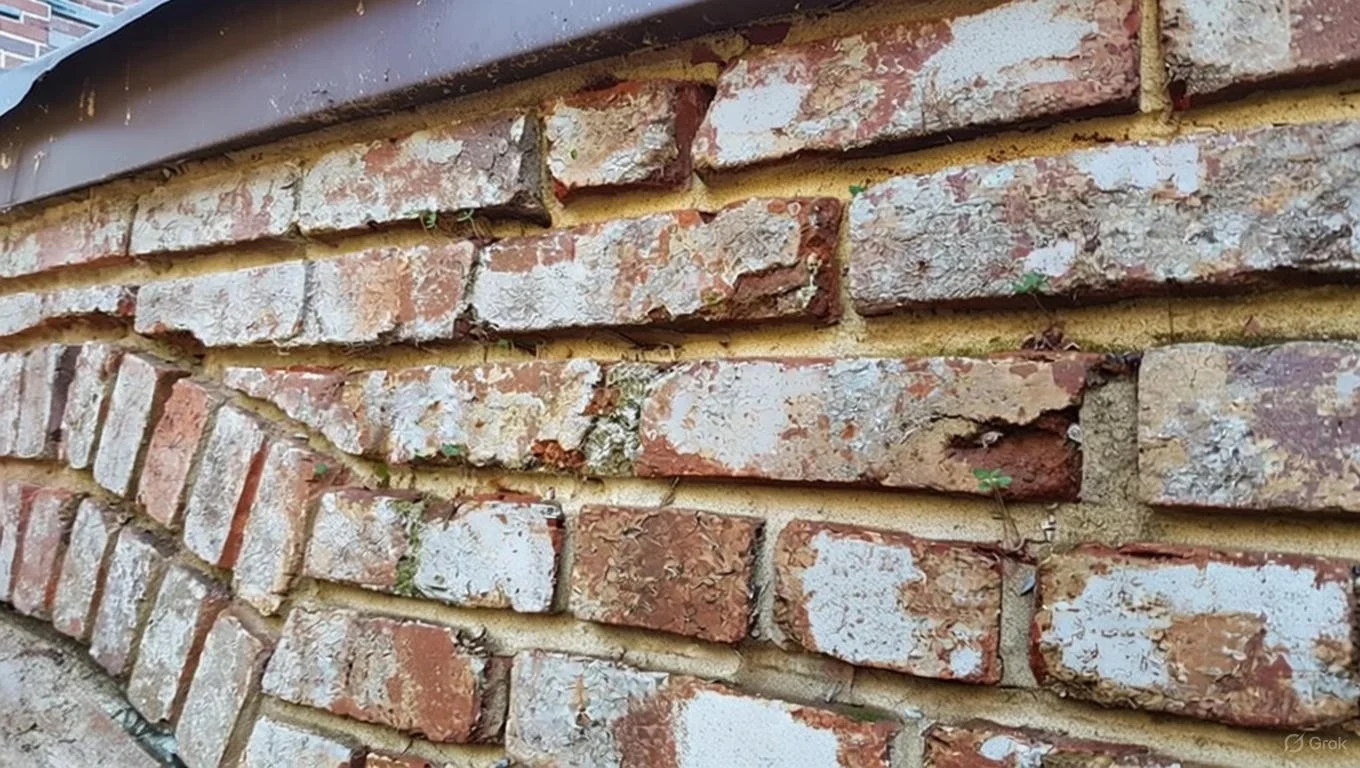
The Role of German Smear in Addressing Mortar Joint Erosion in Brick Houses
Mortar joint erosion in brick houses often results from prolonged exposure to environmental factors, leading to structural vulnerabilities over time. German Smear, a traditional mortar-wash technique, can help mitigate minor erosion by filling gaps and enhancing surface protection. This approach draws from historical European building methods, offering both aesthetic and functional benefits when applied correctly.

Exploring the Different Styles of German Smear Techniques
German Smear, also known as mortar wash or Schmear, is a historical brick finishing method that originated in Central European masonry practices during the medieval era. This technique involves applying a mortar mixture to brick surfaces to create an aged, textured appearance while enhancing structural integrity. Different styles vary primarily in the degree of mortar coverage and application method, offering options from subtle toning to more monolithic finishes.
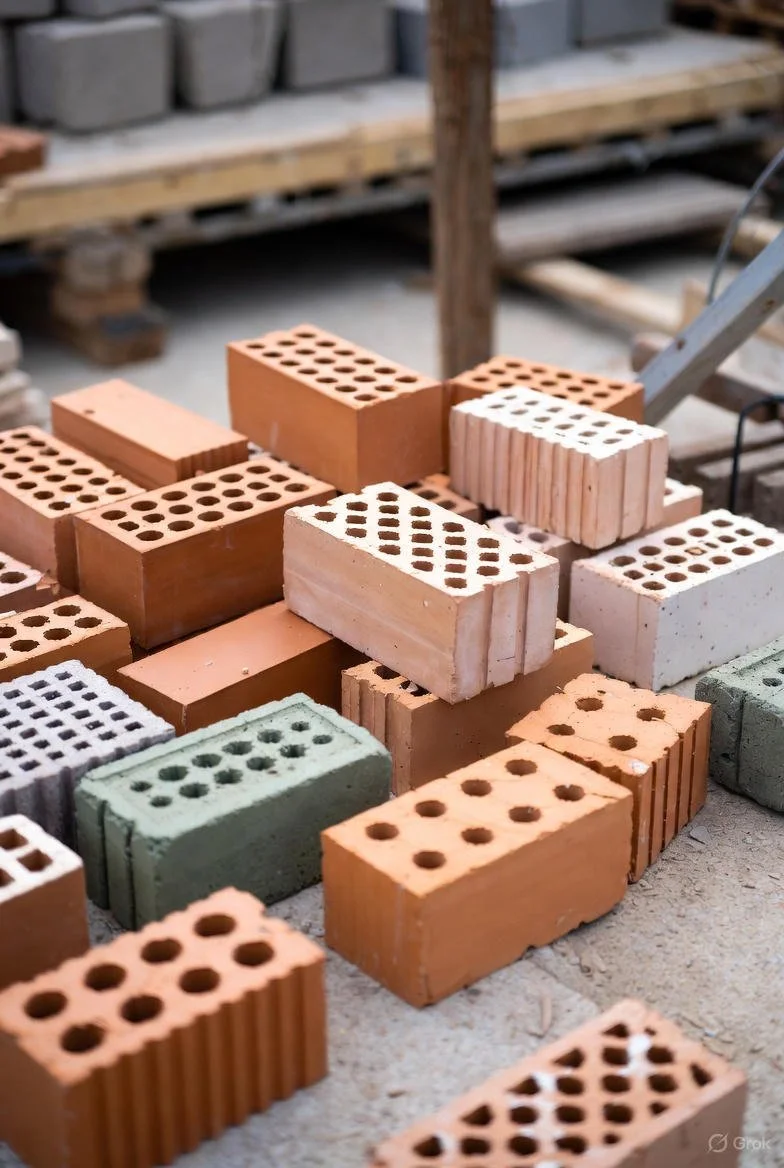
Characteristics of Fired Clay Bricks: Dark Marks and Perforations
Many fired clay bricks exhibit dark marks or spots on their surfaces, resulting from chemical changes during the kiln firing process. These features reflect the material composition of the clay and atmospheric conditions in the kiln. Similarly, perforations or indentations in bricks serve practical purposes rooted in manufacturing efficiency and structural performance, allowing for uniform firing and improved bonding in masonry construction.
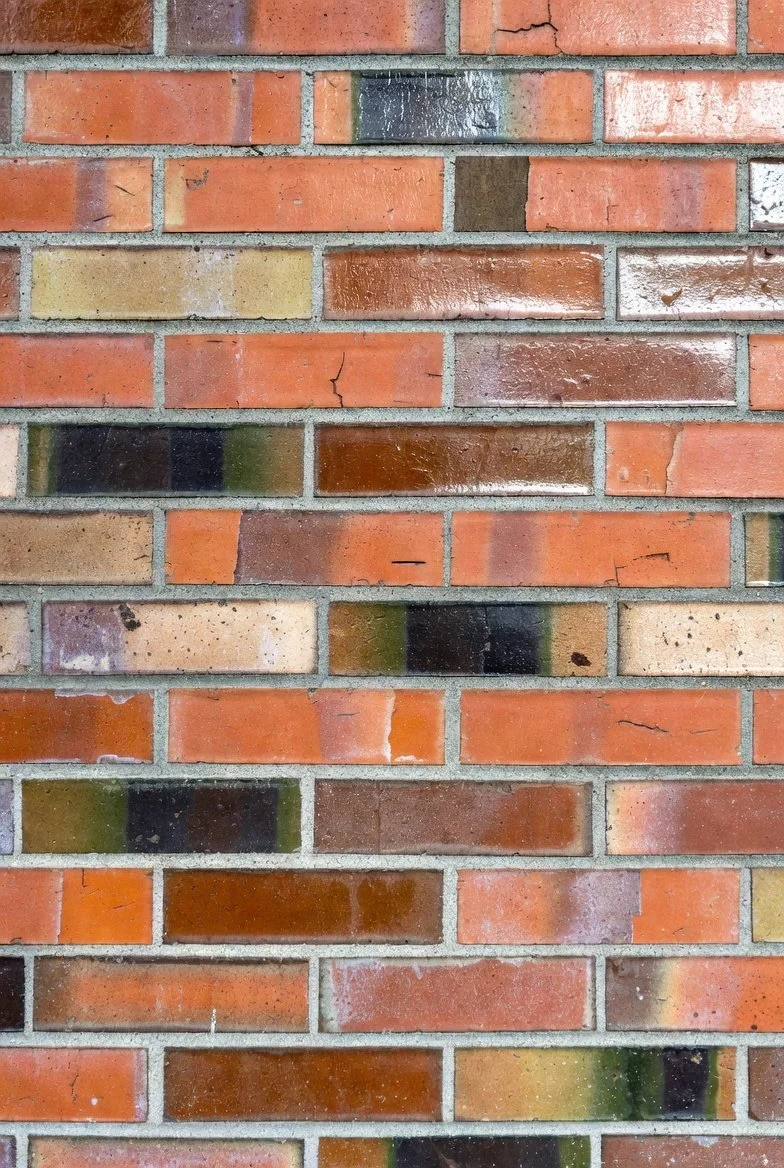
Glazed Bricks and German Smear
Glazed bricks feature a vitrified ceramic coating that enhances their durability and aesthetic appeal in architectural applications. This glassy surface provides significant benefits in terms of weather resistance and low maintenance, making them suitable for various building environments. However, their impermeable nature prevents effective application of traditional mortar-wash techniques like German Smear, which rely on porous substrates for adhesion.
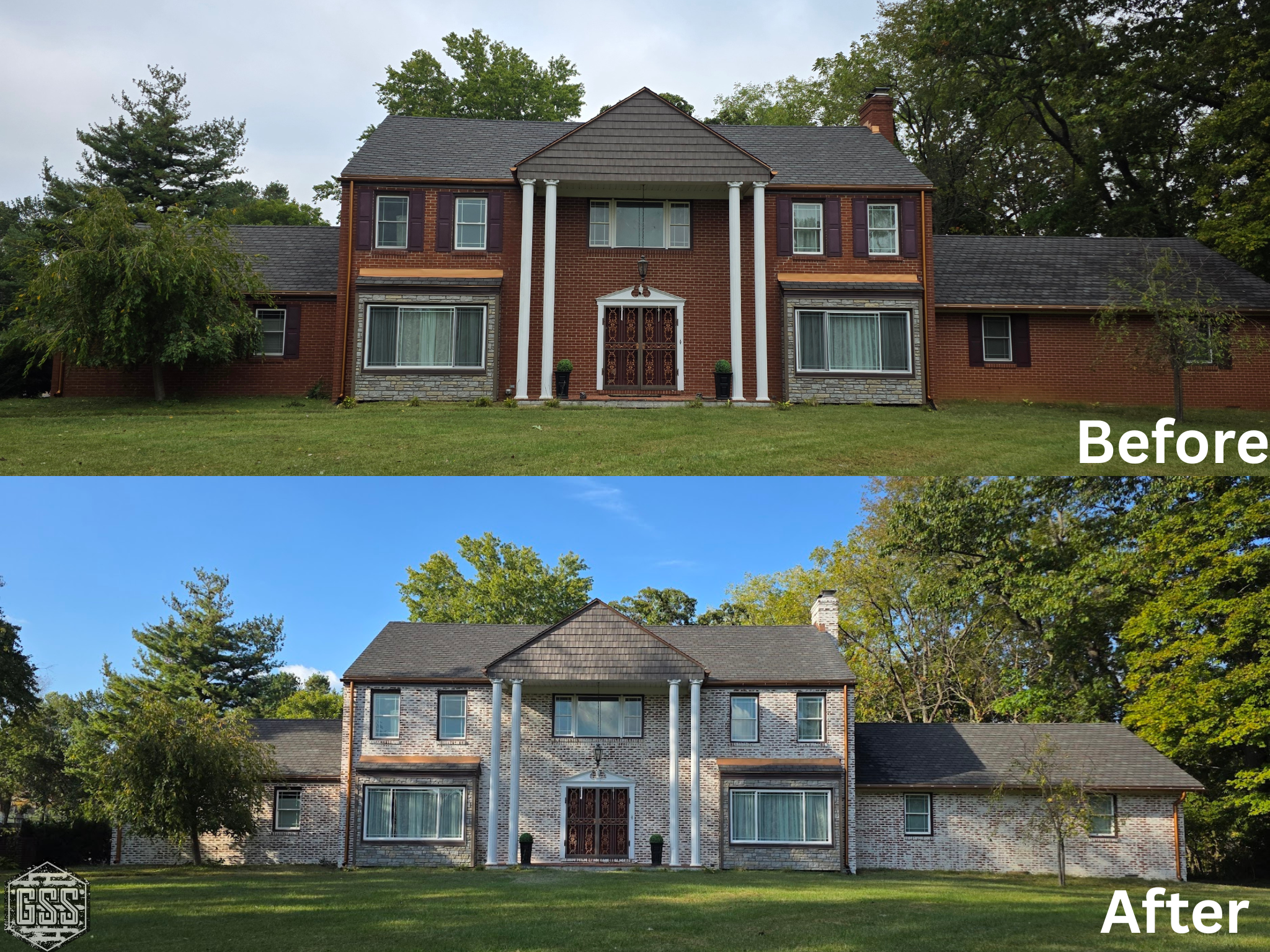
Blending Repaired Brick Sections with German Smear
German smear is a mortar-based finishing technique that can seamlessly integrate repaired or added brick sections into an existing home's facade by creating a uniform, distressed appearance. This method addresses visual discrepancies in color, texture, and age between original and replacement bricks, drawing from long-established European masonry practices. It offers an educational lens into how traditional building methods can resolve modern repair challenges while maintaining architectural cohesion.

DIY German Smear: Essential Nuances and Challenges
German Smear, a traditional mortar-based finishing technique, offers an accessible way for homeowners to transform brick surfaces into a rustic, aged appearance reminiscent of European architecture. While anyone can undertake this project with basic tools and materials, it demands careful attention to detail, physical effort, and safety precautions to achieve desirable results. Understanding the nuances ensures the final outcome enhances the home's aesthetic without compromising structural integrity.
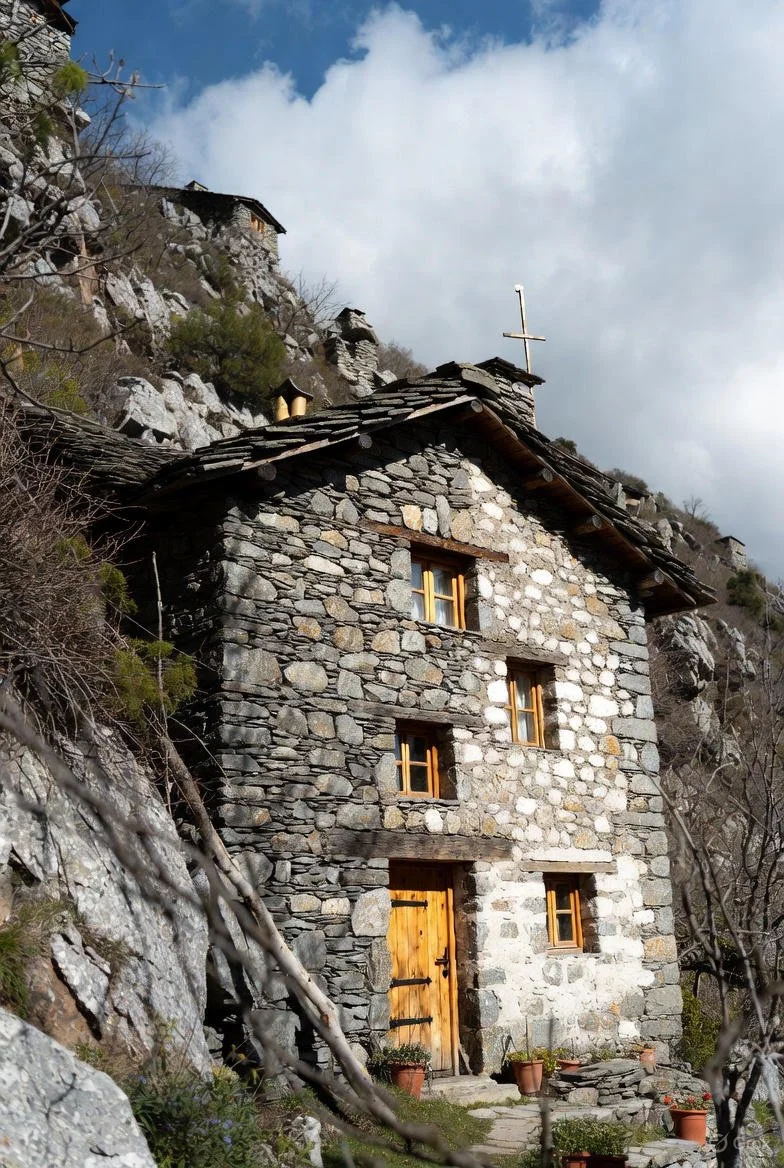
The Impact of Altitude on Mortar Adhesion in German Smear Applications
Altitude plays a significant role in the curing and adhesion of mortar used in traditional techniques like German Smear, affecting factors such as evaporation rates and material expansion. This influence is particularly relevant for porous substrates like brick and stone, where environmental conditions at higher elevations can alter long-term durability. Understanding these effects helps preserve historical architectural methods rooted in European building practices.
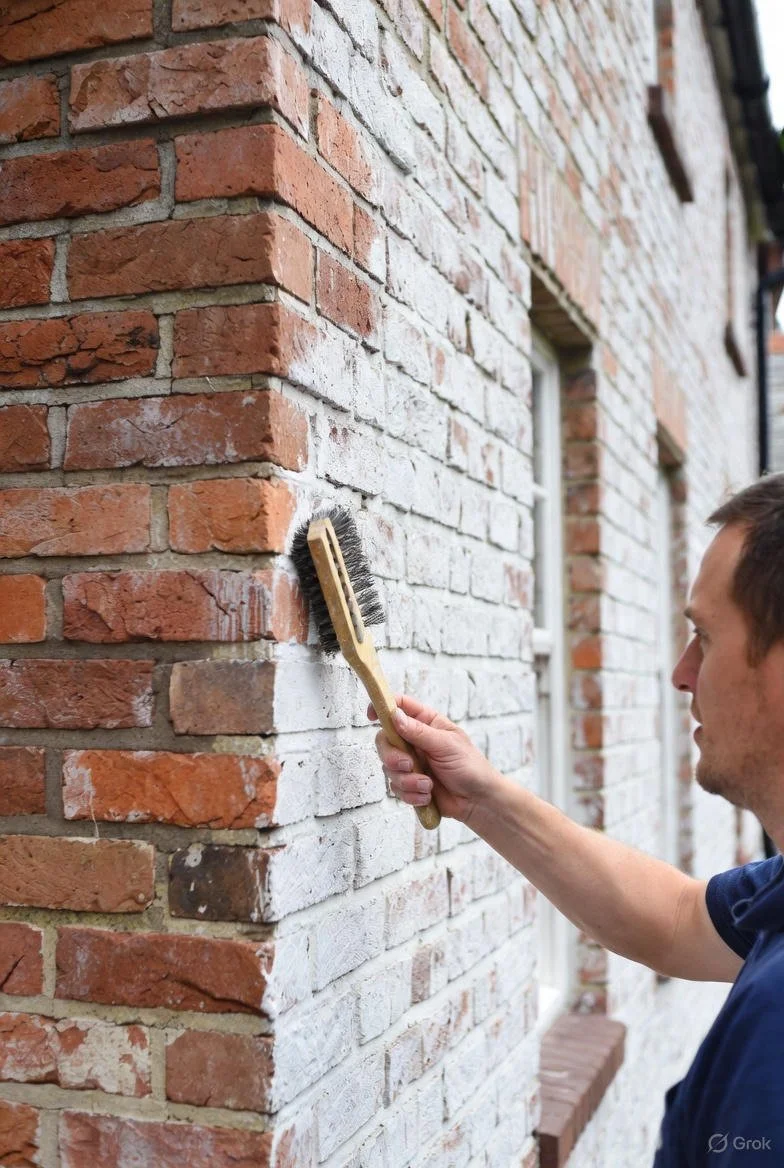
Removing Coatings from Brick Masonry: Paint, German Smear, and Limewash
Removing paint, German Smear (mortar wash), and limewash from brick requires careful methods to preserve the underlying masonry. These coatings differ in composition and adhesion, influencing removal difficulty and risks. Gentle approaches prioritize vapor permeability and avoid damage to porous brick, which can lead to moisture entrapment or surface erosion.
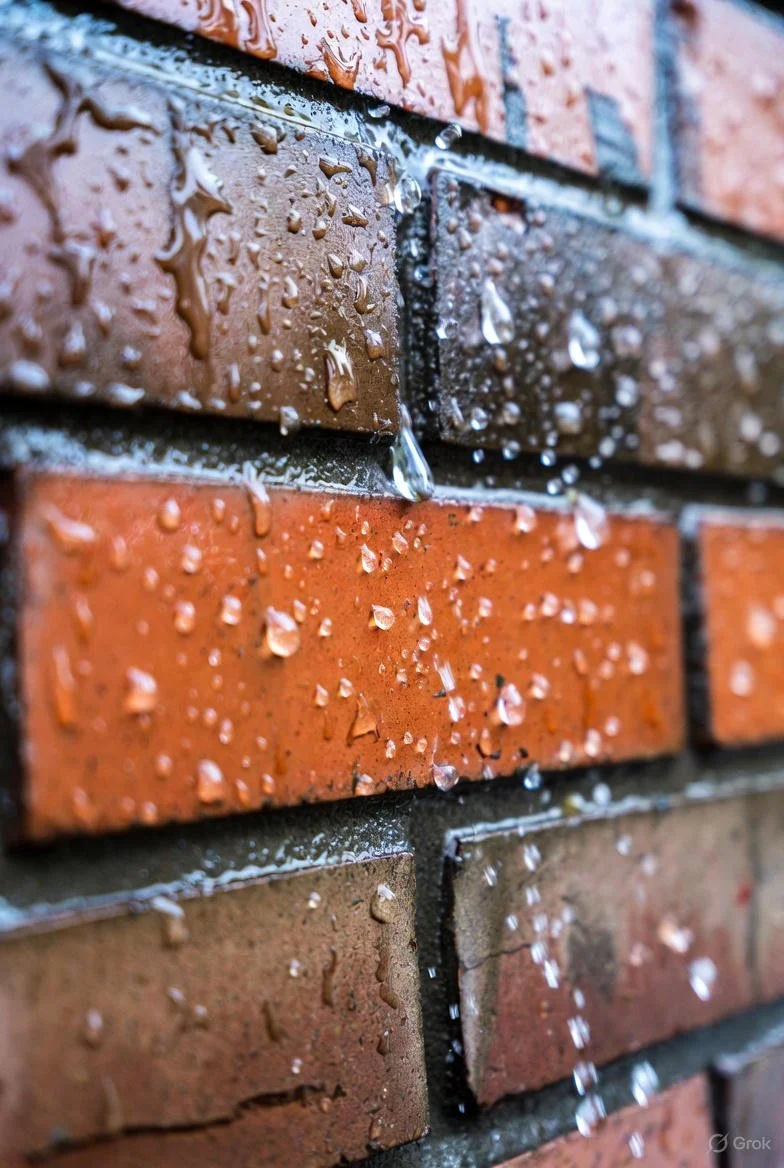
Brick Water Absorption Variability and Its Impact on German Smear Application
Bricks exhibit varying levels of water absorption due to differences in porosity, manufacturing processes, and material composition, which directly influence masonry applications. High-absorption bricks can complicate German Smear by rapidly drawing moisture from the mortar, leading to faster drying and reduced workability. Managing this through pre-wetting facilitates smoother application, while post-application breathable waterproofing treatments enhance long-term durability against environmental moisture.
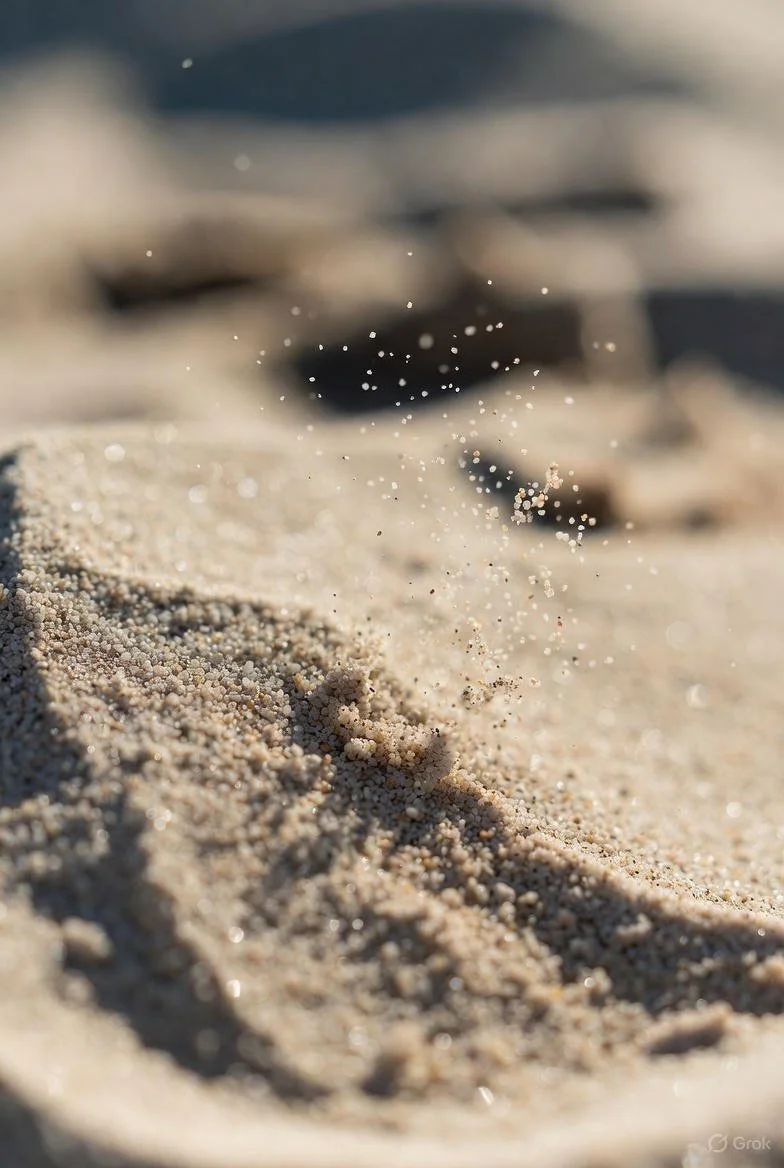
The Role of Particle Size in German Smear Mortar: Why Extremes Are Not Ideal
Particle size in the sand used for German Smear mortar significantly influences the application's workability, durability, and aesthetic outcome. Super fine particles can lead to excessive shrinkage and reduced breathability, while large grains may cause uneven adhesion and a gritty texture. Understanding these factors helps in appreciating the balance required for this traditional brick treatment method.

German Smear in the Restoration of Historic Masonry Buildings
German Smear, a traditional mortar wash technique with roots in European masonry practices, involves applying a lime-based slurry to brick surfaces for protection against weathering. Documented in northern European architecture, it provided a sacrificial layer that enhanced durability while allowing vapor permeability. In historic building restoration, its use with compatible lime mortars supports conservation by reinforcing aging brickwork without introducing rigid materials that could cause damage.

Aesthetic and Architectural Impacts of German Smear on Brick Exteriors
German smear, a historical mortar wash technique rooted in European building traditions, transforms brick surfaces by adding texture and a weathered appearance. This method enhances visual appeal by softening uniform brick lines and creating depth, potentially influencing buyer perceptions of curb appeal. Proper application is essential to achieve an intentional, artisanal look that holds up under close inspection.

Exploring German Smear Techniques: Mortars, Textures, Tools, and Artistic Applications
German Smear, a traditional brick finishing method originating from European building practices, involves applying a mortar wash to create an aged, irregular appearance on masonry surfaces. This technique emphasizes material composition and application methods to achieve varied textures and visual effects. Understanding its components and challenges provides insight into its role in architectural conservation and aesthetic enhancement.
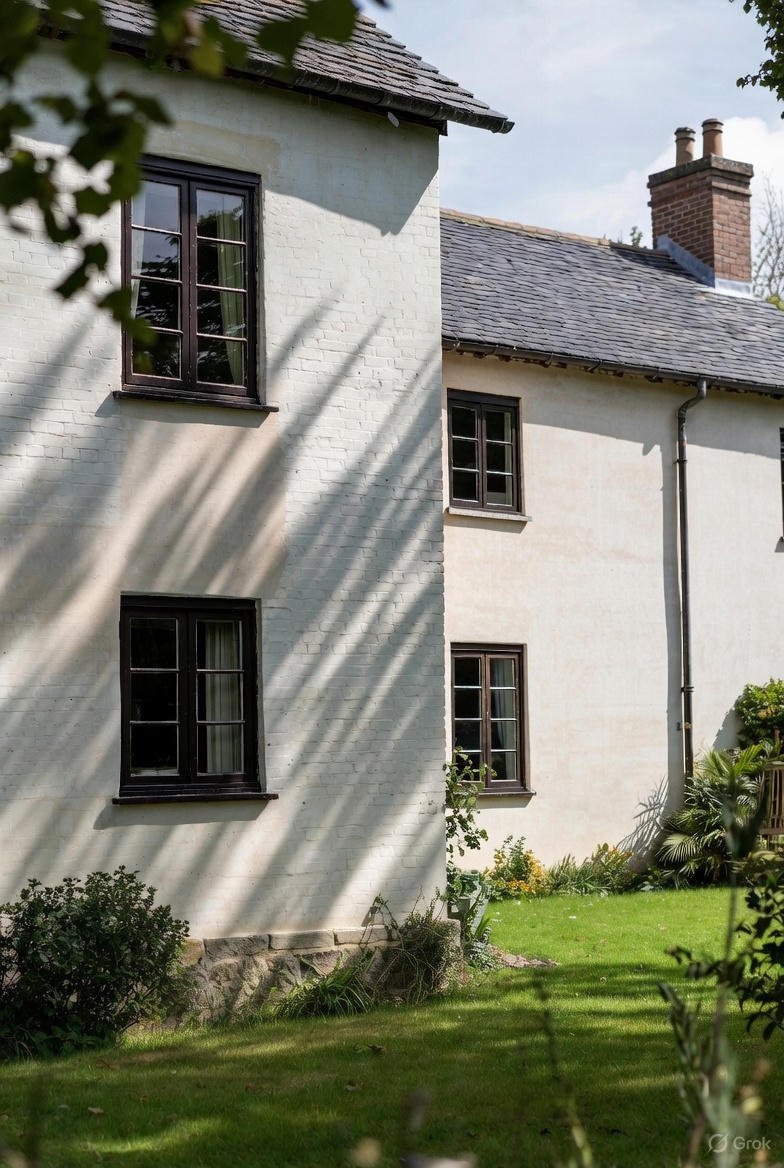
Why Is My Brick House So Hot?
Many homeowners with brick houses notice excessive indoor heat during warmer months, often due to the material's inherent properties. Brick's color and thermal mass play significant roles in absorbing and retaining solar energy, leading to higher temperatures inside. Understanding these factors, along with potential solutions like insulation and exterior coatings, can provide insights into managing heat in traditional brick structures.
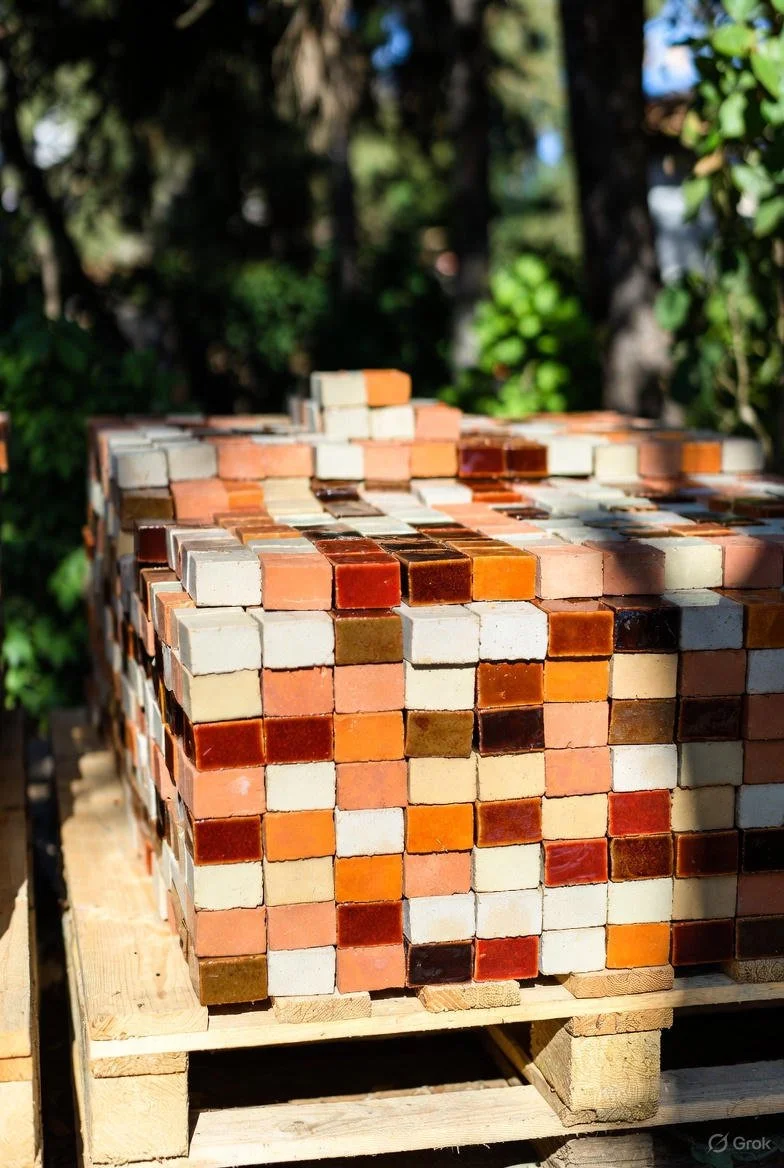
Glazed Bricks: Origins of the Glossy Appearance in Brick Construction
Certain bricks exhibit a glossy or shiny surface due to the application of a ceramic glaze or through vitrification during high-temperature firing. This glossy finish, most commonly seen in glazed bricks, serves primarily to create an impervious barrier against moisture, staining, and environmental damage. While offering enhanced durability and ease of maintenance, glazed bricks present challenges such as reduced vapor permeability and incompatibility with traditional surface treatments like German Smear or mortar wash.

The Material Evolution of Brick: From Sun-Dried Clay to Modern Engineered Units
Brick, one of the oldest manufactured building materials, has undergone continuous refinement over 7,000 years. Early sun-dried mud bricks gave way to fired clay units in Mesopotamia, followed by Roman hydraulic additions, medieval European variations, and 19th-century mechanized production. Each stage reflects advancements in firing technology, raw-material understanding, and performance requirements driven by climate, durability needs, and architectural demands.
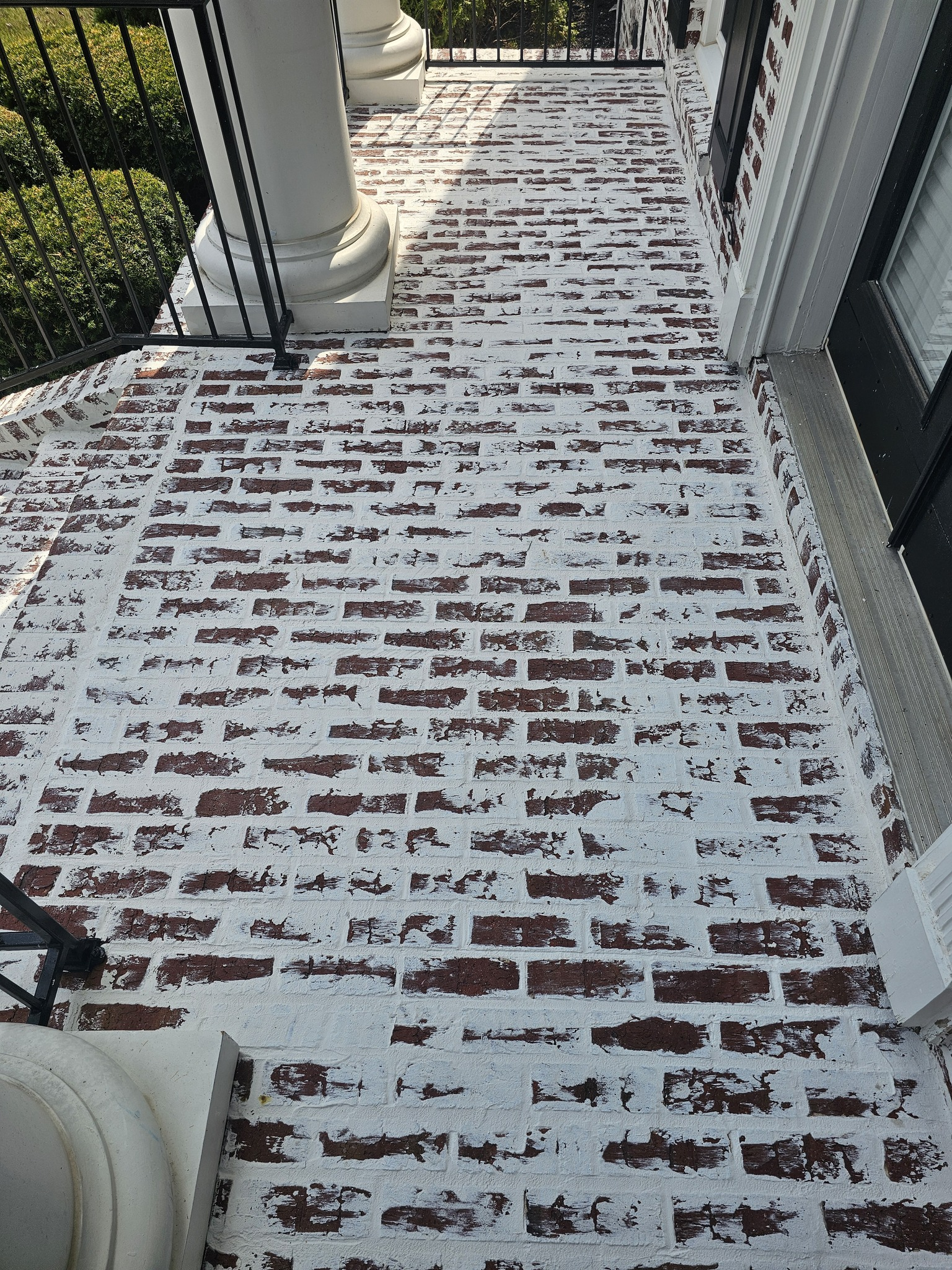
Transforming the Appearance of Brick Pavers: Aesthetic Enhancement Techniques That Preserve Durability
Beyond routine cleaning, brick pavers can be dramatically refreshed or completely re-imagined through historically proven surface treatments such as mortar wash, lime slurry coatings, and selective staining methods. When correctly formulated and applied, these techniques alter color and texture while maintaining the clay unit’s essential vapor permeability and freeze-thaw resistance. The result is a new aesthetic identity—from bright whitewashed Mediterranean courtyards to softly aged European village streets—without sacrificing the paver’s proven longevity.
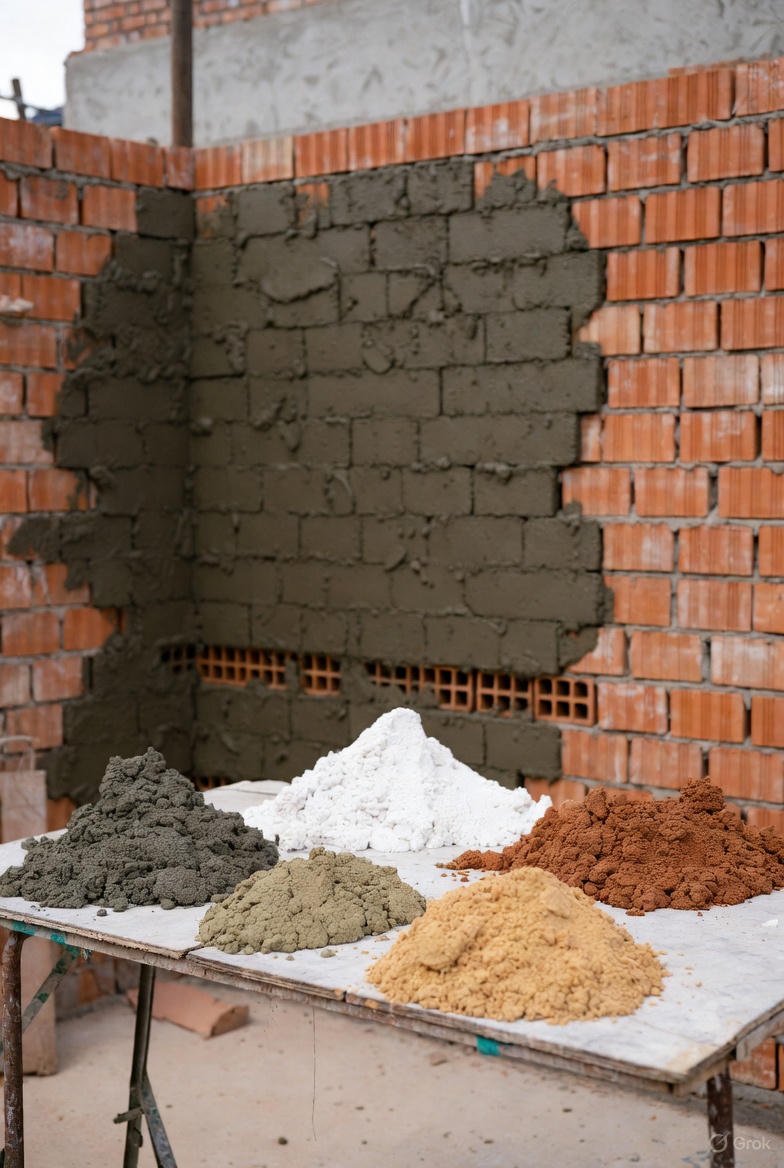
Color Options in German Smear: Pigmentation and Substrate Interaction
German smear achieves its color through iron oxide pigments added to masonry mortar, producing a range of whites, grays, beiges, and muted earth tones. These pigments integrate permanently during hydration and interact with the underlying brick to create soft, layered effects that preserve texture and breathability. The resulting palette offers subtle alternatives to painted brick while remaining rooted in traditional mortar-wash practices.
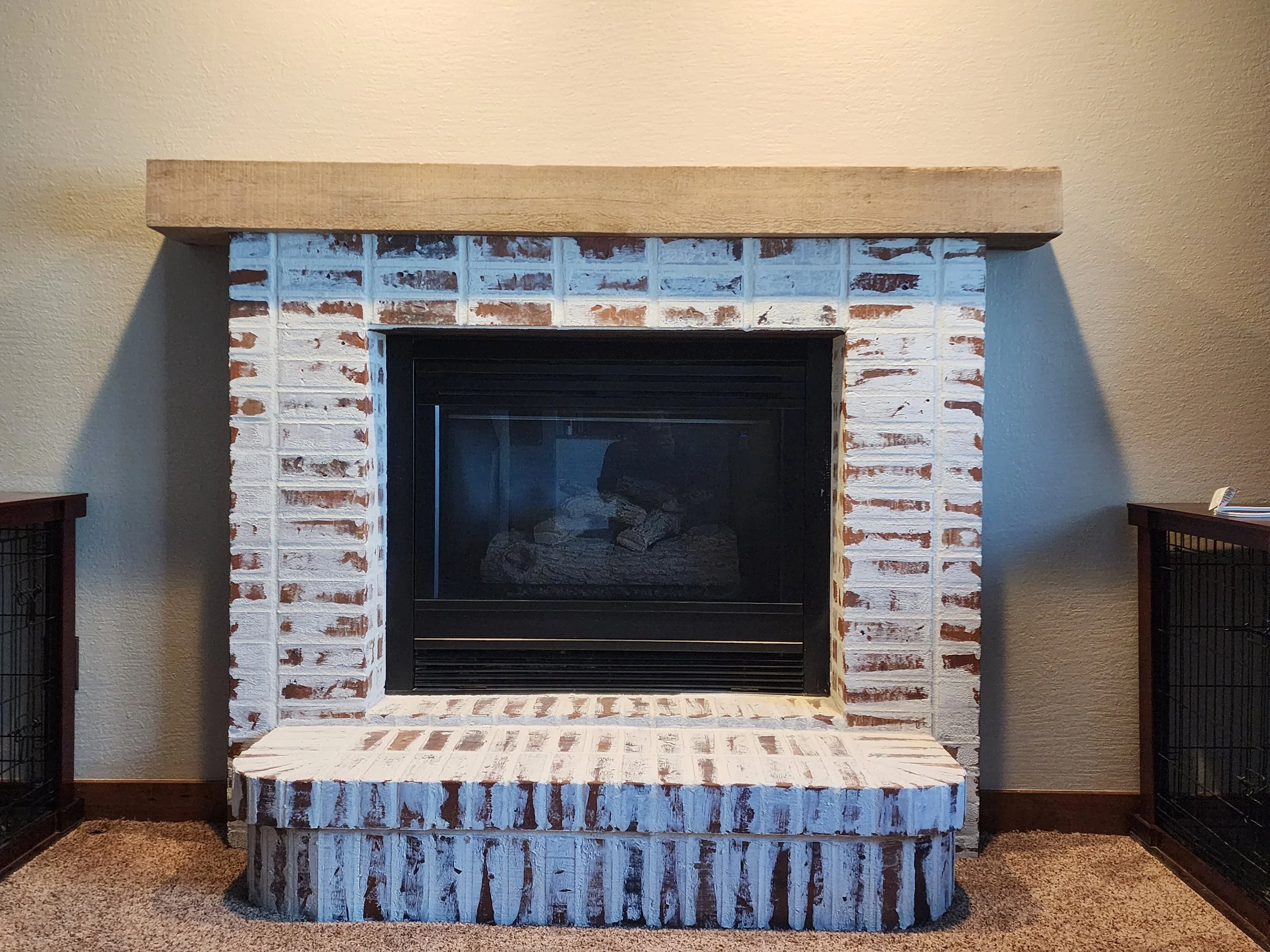
German Smear Versus Painting for Indoor Fireplaces: A Technical and Aesthetic Comparison
Interior brick fireplaces can be refreshed either by applying a traditional German smear or by painting the brick. While both approaches lighten and modernize the appearance, they differ fundamentally in texture, breathability, permanence, and long-term behavior. Understanding these differences allows homeowners and designers to select the method that best aligns with the fireplace’s material properties and the desired aesthetic outcome.