

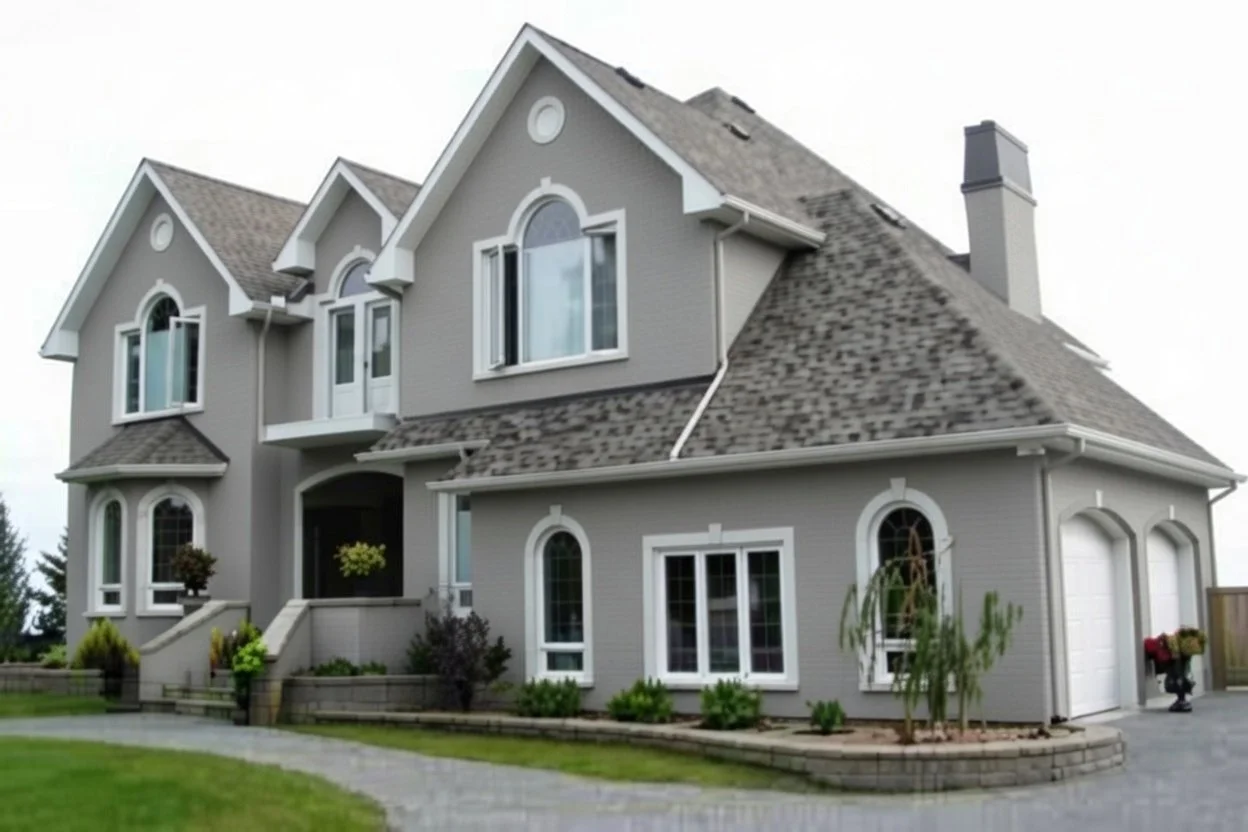
Latex vs. Acrylic Paint on Brick Houses: The Real Story (and Why You Might Want to Skip Painting Altogether)
Conventional latex and acrylic paints, commonly applied to brick exteriors, differ significantly in composition, longevity, and interaction with porous masonry. Latex paints, often vinyl-acrylic blends, tend to offer lower durability outdoors compared to 100% acrylic formulations, which provide greater flexibility and resistance to weathering. However, both create film-forming barriers that can restrict the natural vapor permeability of brick, trapping moisture and increasing the risk of freeze-thaw damage leading to spalling. Breathable historical alternatives, such as limewash, mineral silicate paints, and mortar-wash techniques like German Smear, allow moisture to escape while altering appearance without compromising structural integrity.
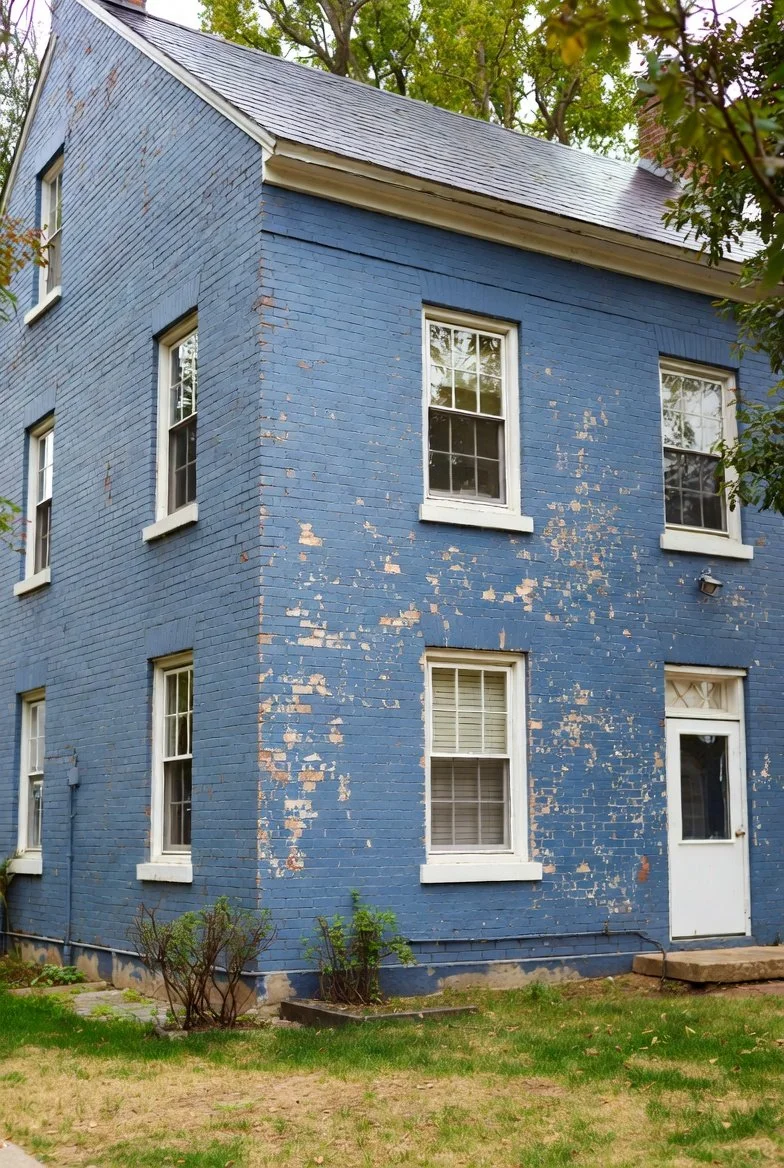
The Deterioration of Paint on Brick Houses
Paint applied to brick houses often deteriorates faster than on other surfaces due to the porous nature of brick, which can trap moisture behind the non-breathable coating. This leads to issues like peeling, cracking, and structural damage over time. Understanding the chemical processes and environmental factors involved highlights the importance of selecting appropriate brick treatments in architectural conservation.
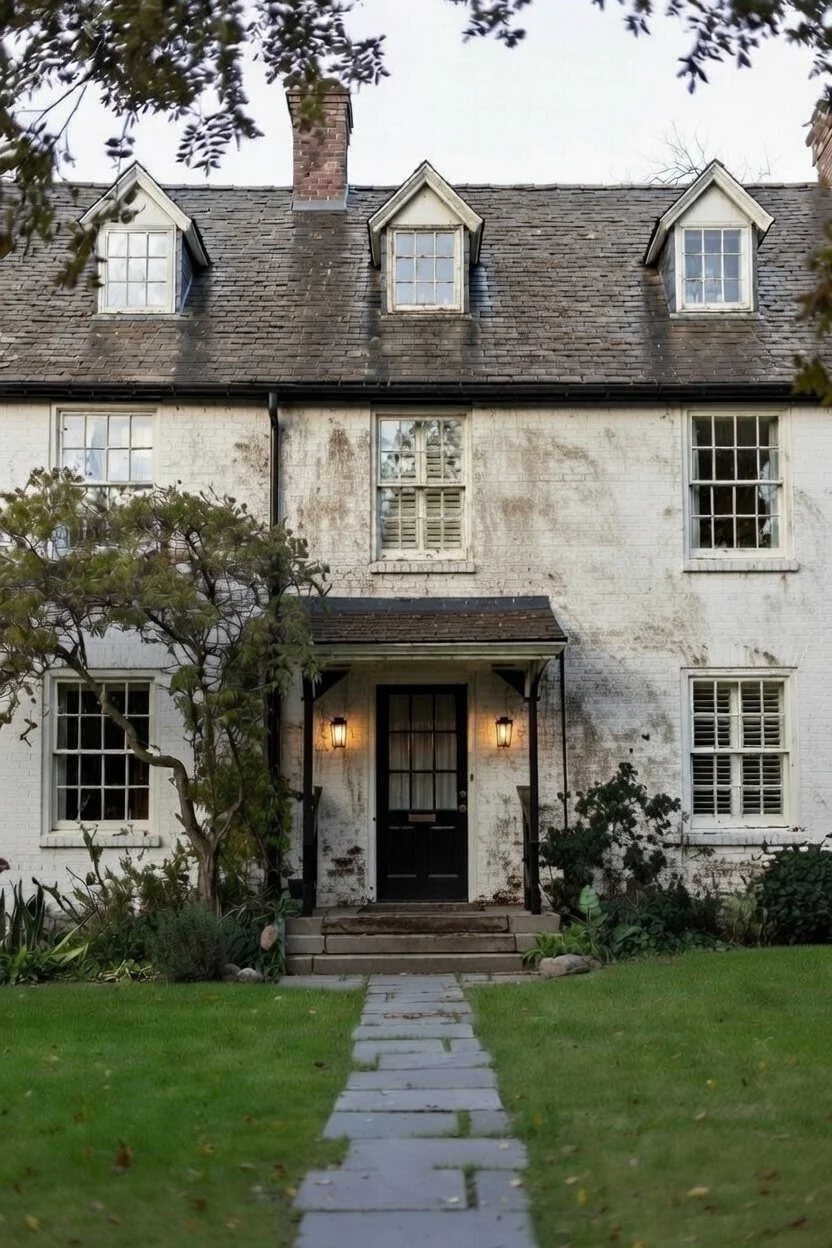
The Effects of Painting Brick: Dirt Adhesion and Long-Term Structural Impacts
Painting brick exteriors alters the surface chemistry, making it less prone to stubborn dirt buildup by creating a smoother, less absorbent layer. While this can simplify cleaning routines, it often comes at the cost of the brick's natural breathability, leading to potential moisture-related deterioration over time. Understanding these mechanisms is essential for appreciating traditional brick maintenance practices rooted in architectural history.
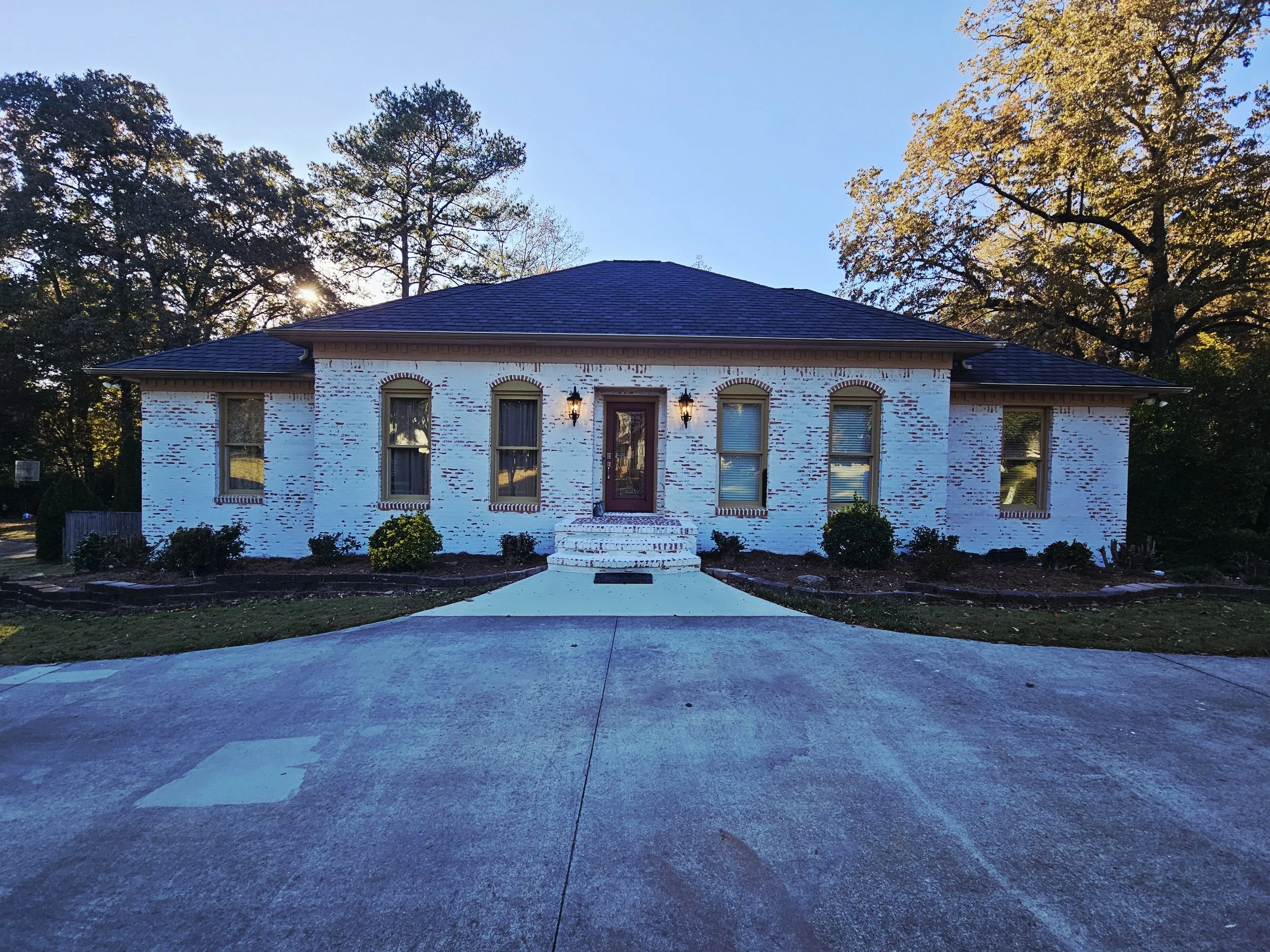
Lifetime Paint Warranties on Brick Versus the Durability of German Smear
Lifetime warranties on paint for brick surfaces promise coverage against specific defects but often require repeated applications due to environmental wear, contrasting with the integrated permanence of German Smear. Painting brick creates a film that limits future options, committing to ongoing repaints rather than allowing transitions to breathable finishes like limewash or German Smear. This distinction underscores key differences in material compatibility and long-term masonry behavior.
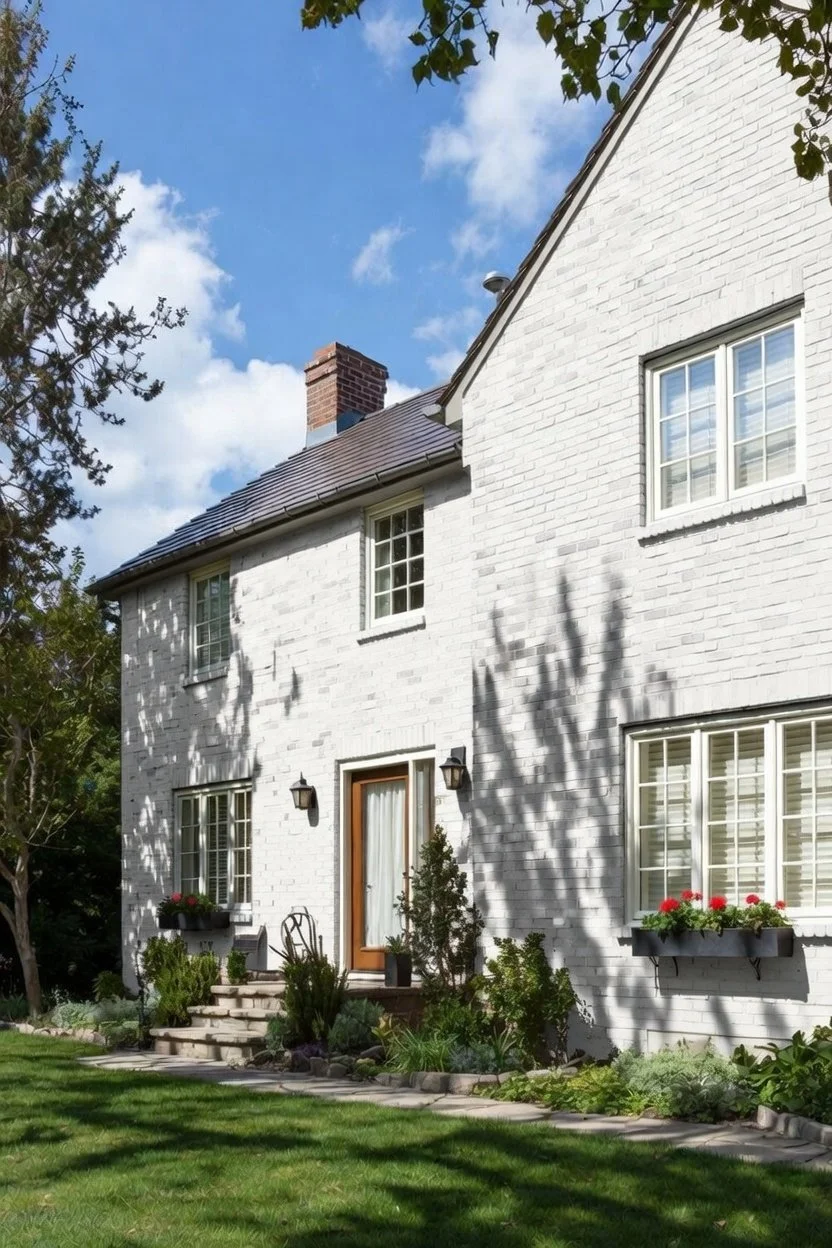
The Transition from Mineral-Based to Latex-Based Paints in Brick Treatments
The shift from mineral-based paints to latex-based formulations marked a significant change in architectural finishing practices during the mid-20th century. This transition was driven by advancements in synthetic materials, offering easier application but introducing challenges for porous substrates like brick. Understanding this evolution highlights the importance of material compatibility in preserving masonry structures.
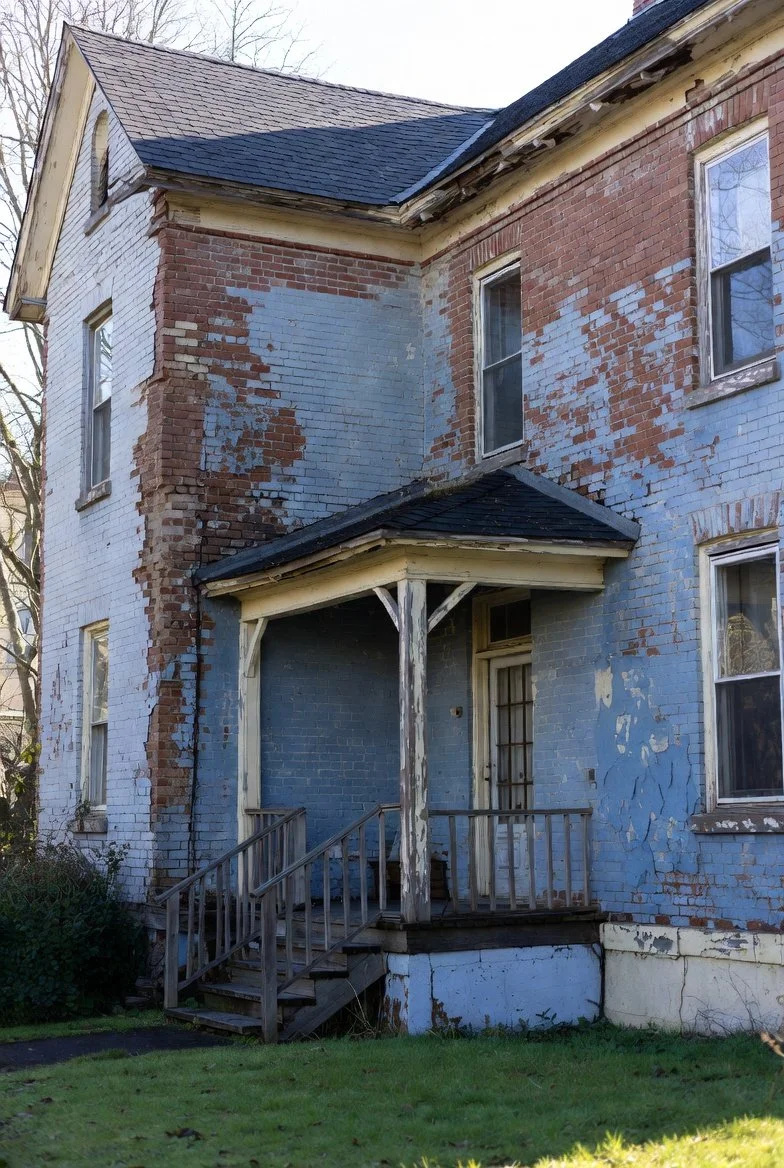
The History and Evolution of Painted Brick Compared to German Smear
Painted brick and German Smear represent two fundamentally different traditions in brick surface treatment, with painted brick documented in scattered historical contexts but becoming significantly more widespread from the 19th century onward, while German Smear descends directly from medieval and early modern European mortar-slurry practices documented as early as the medieval period. These methods differ profoundly in their length of documented use, technical development, and physical impact on brick masonry. The comparison is essential for understanding how surface treatments affect moisture management, durability, and architectural authenticity over time.
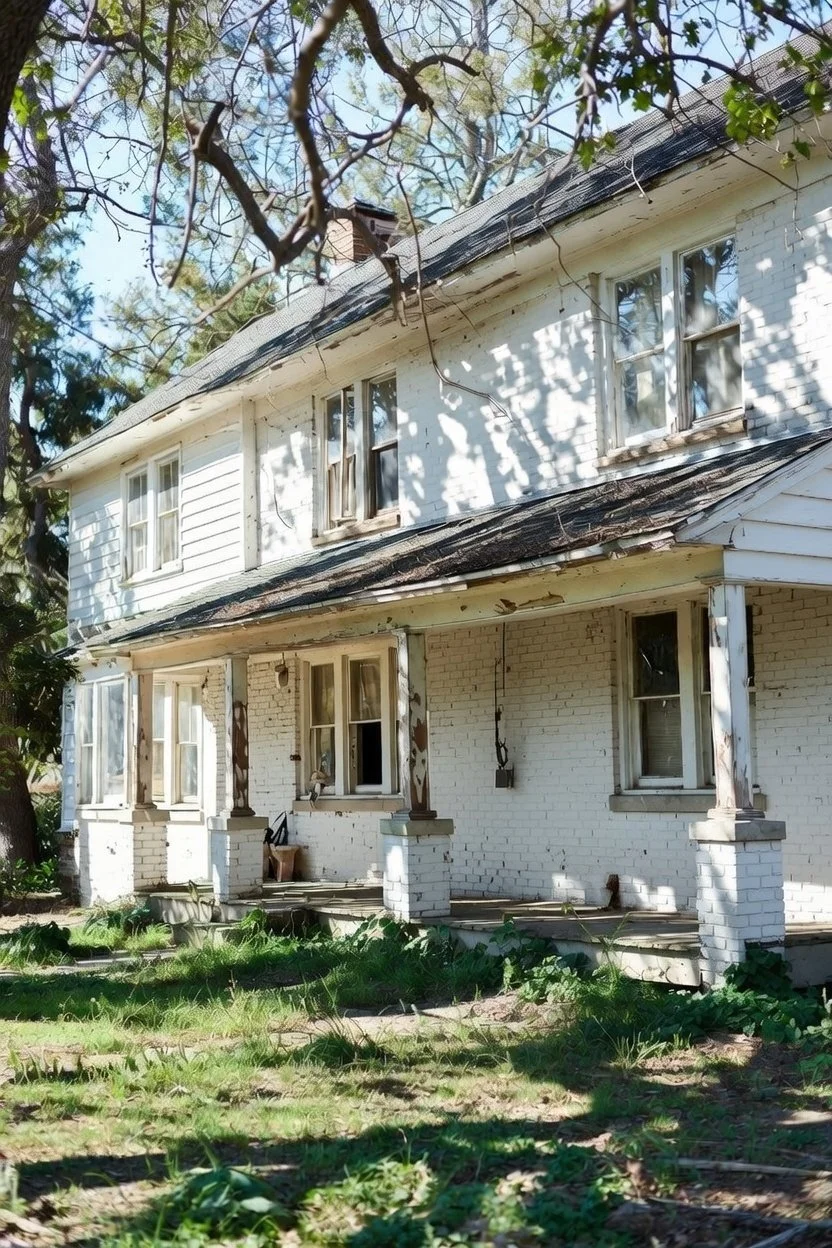
The Impact of Paint on Brick: Challenges for Applying Alternative Finishes Like German Smear or Limewash
Paint applied to brick creates a non-porous film that significantly reduces the surface's ability to accept breathable, vapor-permeable treatments such as German Smear or limewash. This often leaves homeowners with the ongoing requirement to repaint periodically, as alternatives cannot adhere properly without complete paint removal. Paint removal from brick is a labor-intensive and costly process that typically involves chemical strippers, mechanical methods, or both, highlighting the long-term implications of initial painting decisions on historic or traditional masonry.
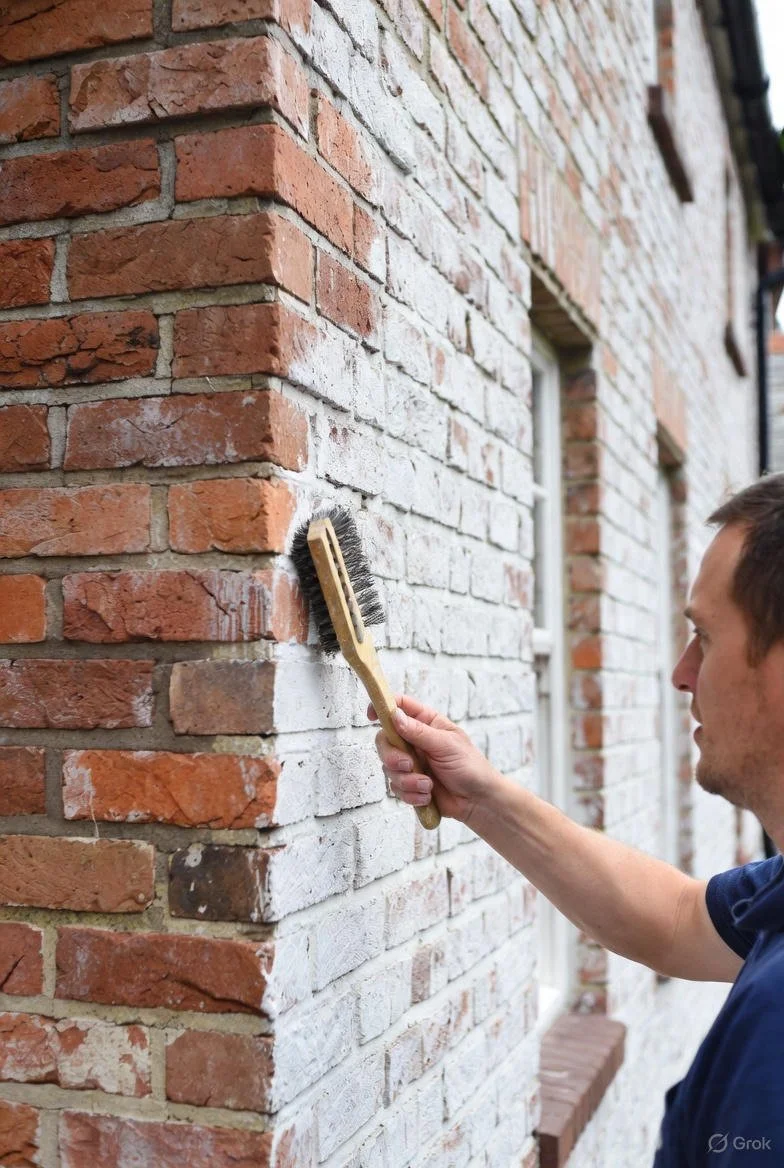
Removing Coatings from Brick Masonry: Paint, German Smear, and Limewash
Removing paint, German Smear (mortar wash), and limewash from brick requires careful methods to preserve the underlying masonry. These coatings differ in composition and adhesion, influencing removal difficulty and risks. Gentle approaches prioritize vapor permeability and avoid damage to porous brick, which can lead to moisture entrapment or surface erosion.
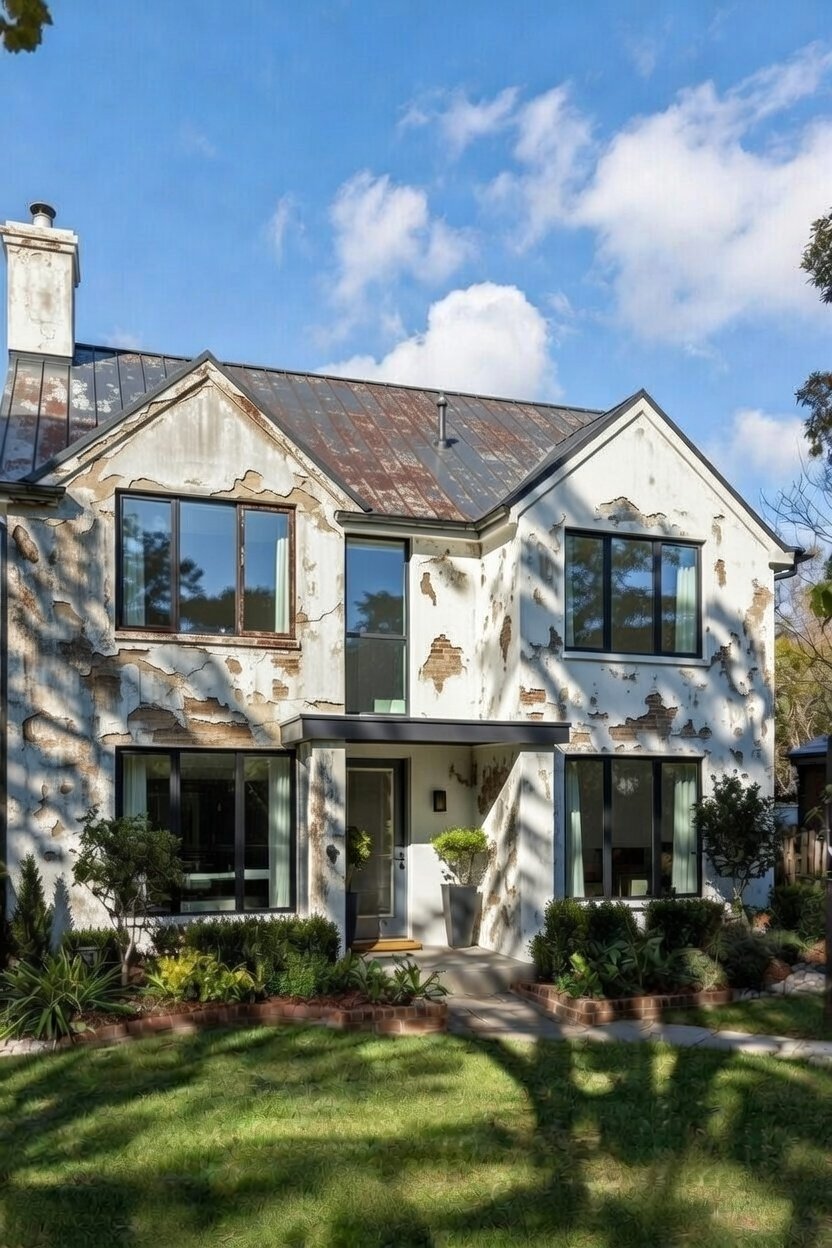
The Destructive Effects of Paint on Brick Homes and Breathable Alternatives
The application of impermeable paints to brick exteriors has led to widespread deterioration in masonry structures over time, particularly in regions with variable climates. While exact numbers of affected homes are not comprehensively documented, building preservation reports highlight numerous cases where paint-induced moisture damage has necessitated extensive repairs. Breathable methods rooted in European traditions, such as German Smear and limewash, offer ways to modify brick appearances without compromising structural integrity.
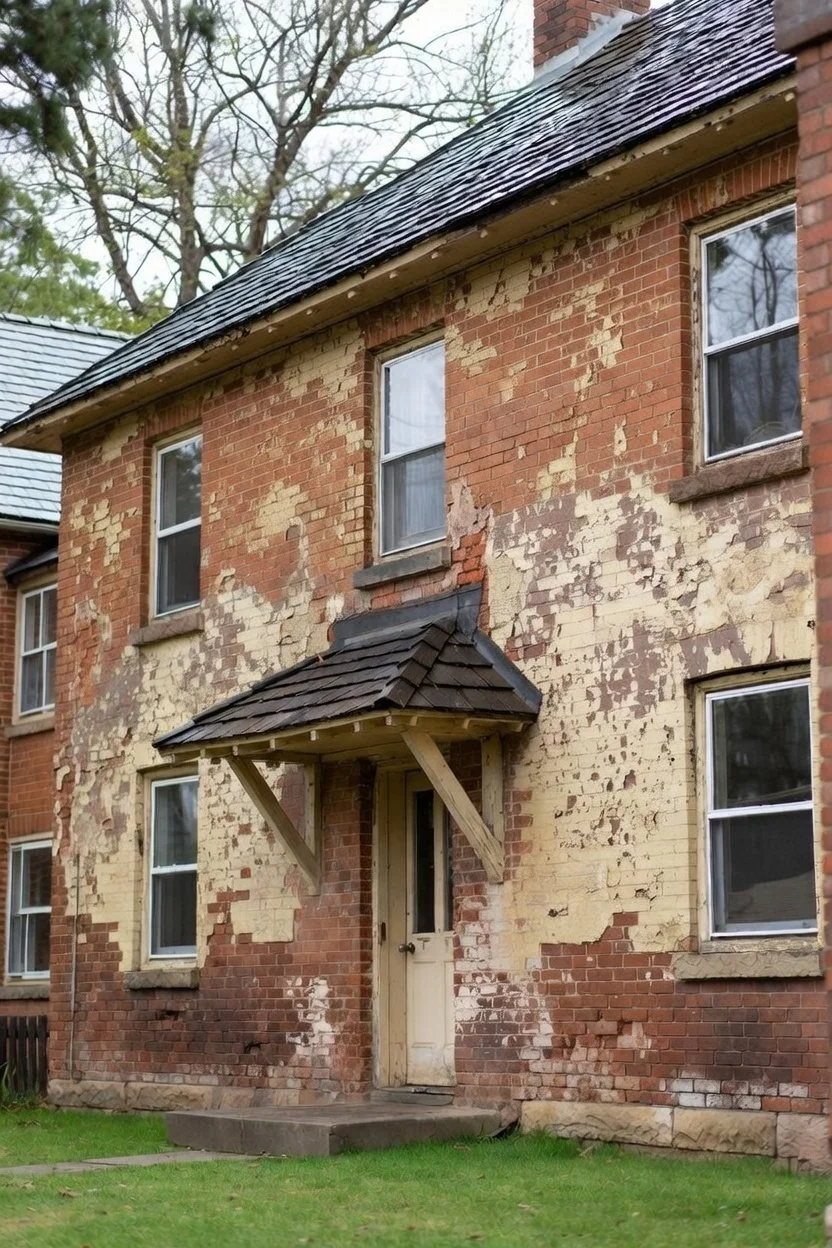
The Destructive Impact of Paint on Brick Masonry
Paint applied to brick creates a non-breathable barrier that traps moisture within the porous material, leading to accelerated deterioration through freeze-thaw cycles and other moisture-related issues. This practice, common in mid-20th-century renovations, often results in spalling, efflorescence, and long-term structural damage, particularly in older or historic brick buildings. Understanding these mechanisms highlights why traditional breathable treatments have endured in European architectural traditions.
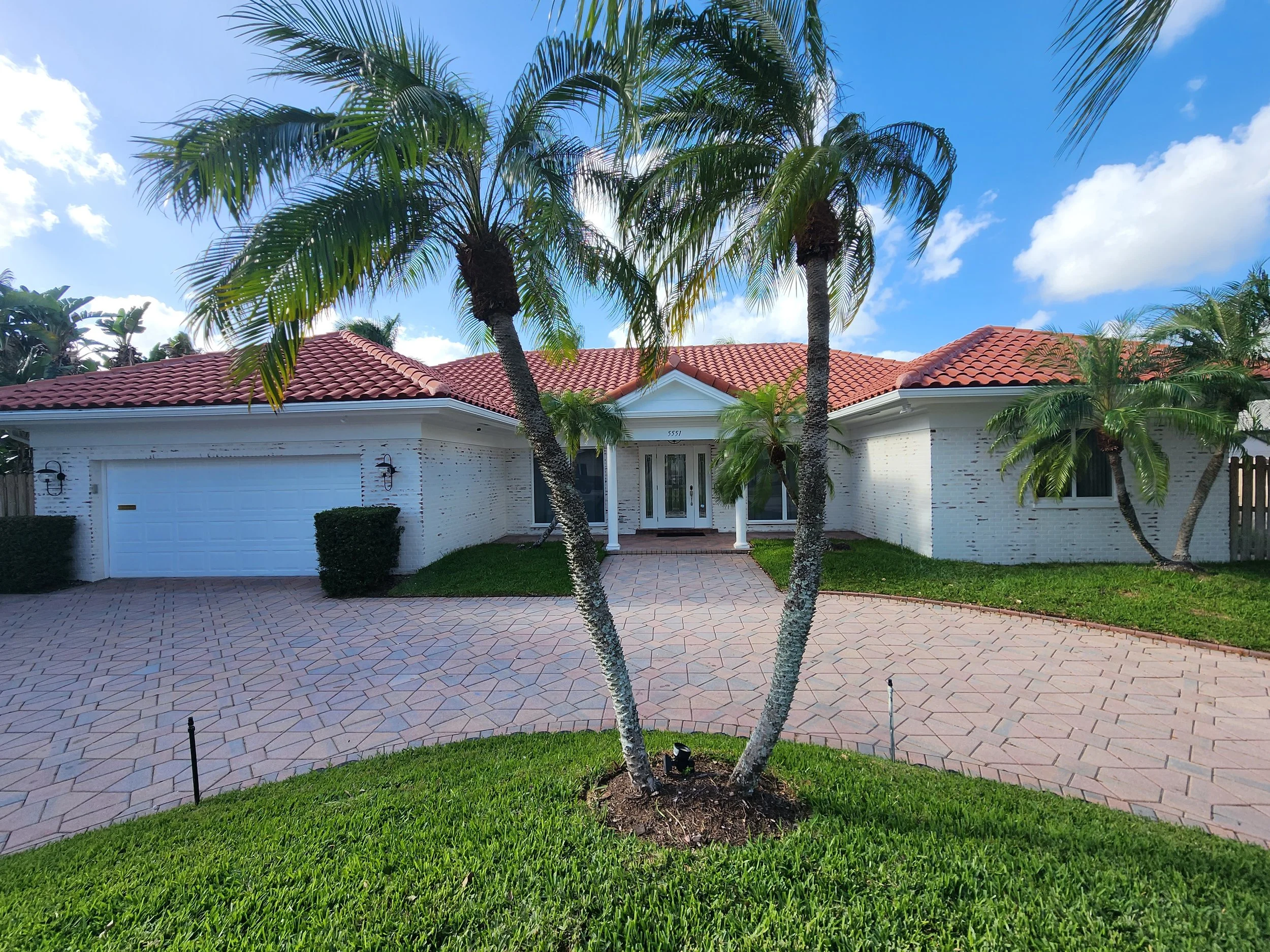
The Durability Disparity: Why Paint Peels from Brick Far Sooner Than German Smear Lasts
Paint applied to brick often begins to peel, crack, or blister within 5 to 15 years, depending on climate and application quality, while German Smear—a thin mortar wash—typically endures for decades or permanently with minimal degradation. This difference stems primarily from breathability and bonding mechanisms: non-breathable paints trap moisture behind the film, leading to mechanical failure, whereas German Smear maintains vapor permeability and forms a strong mechanical and chemical integration with the substrate. German Smear cannot be applied over painted brick due to poor adhesion on sealed surfaces.
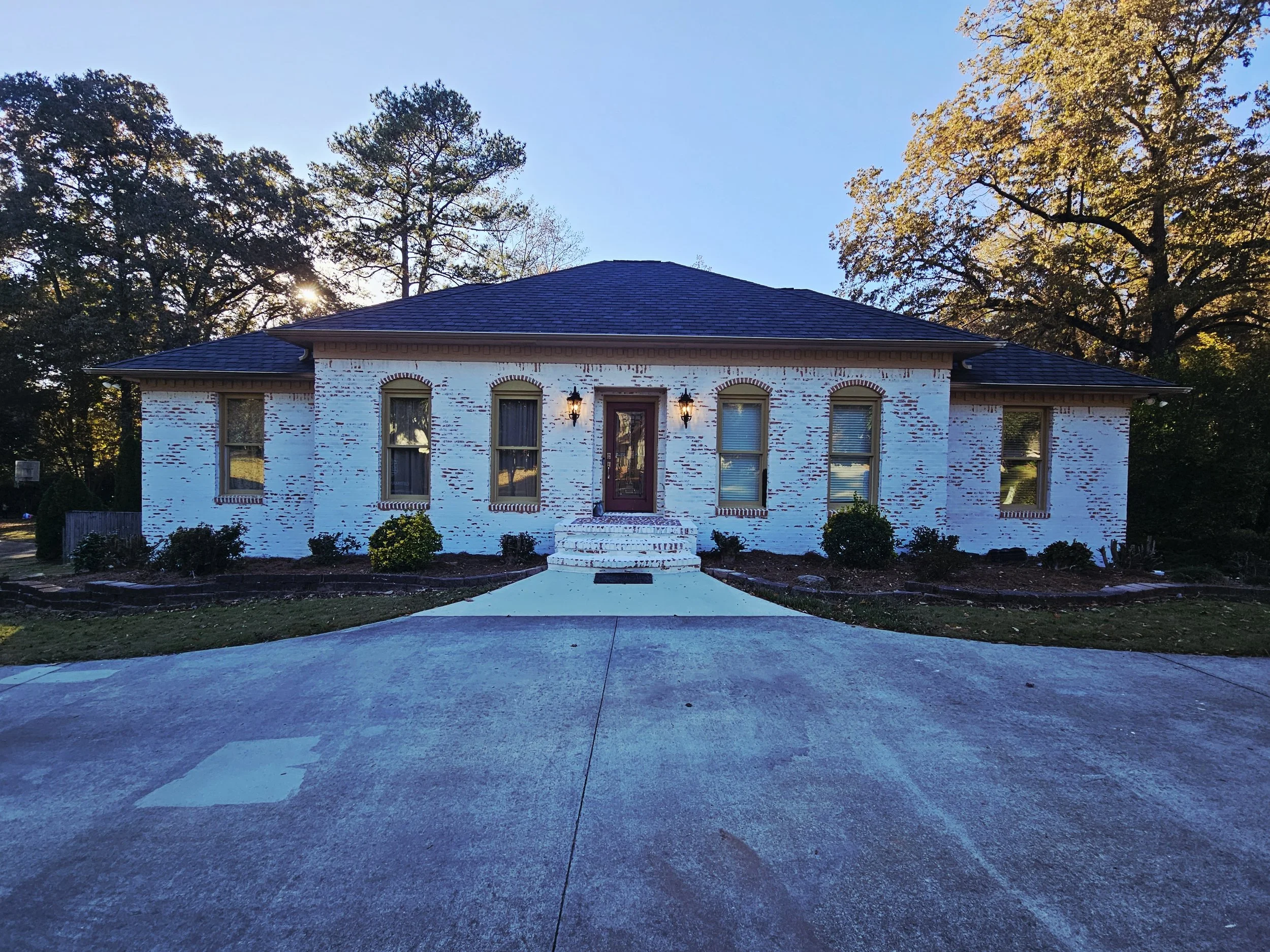
Chemical Composition of Brick Paint vs. Mortar in German Smear: Breathability, Efflorescence, and Moisture Trapping Explained
Modern exterior masonry paints contain acrylic or vinyl polymers that form an impermeable film over brick, trapping moisture and often triggering efflorescence. In contrast, the mortar used in authentic German Smear is primarily lime-based or lime-dominant, remaining highly vapor-permeable throughout its service life. This fundamental difference in chemical composition explains why painted brick frequently spalls and stains while German Schmear allows brick to breathe naturally.
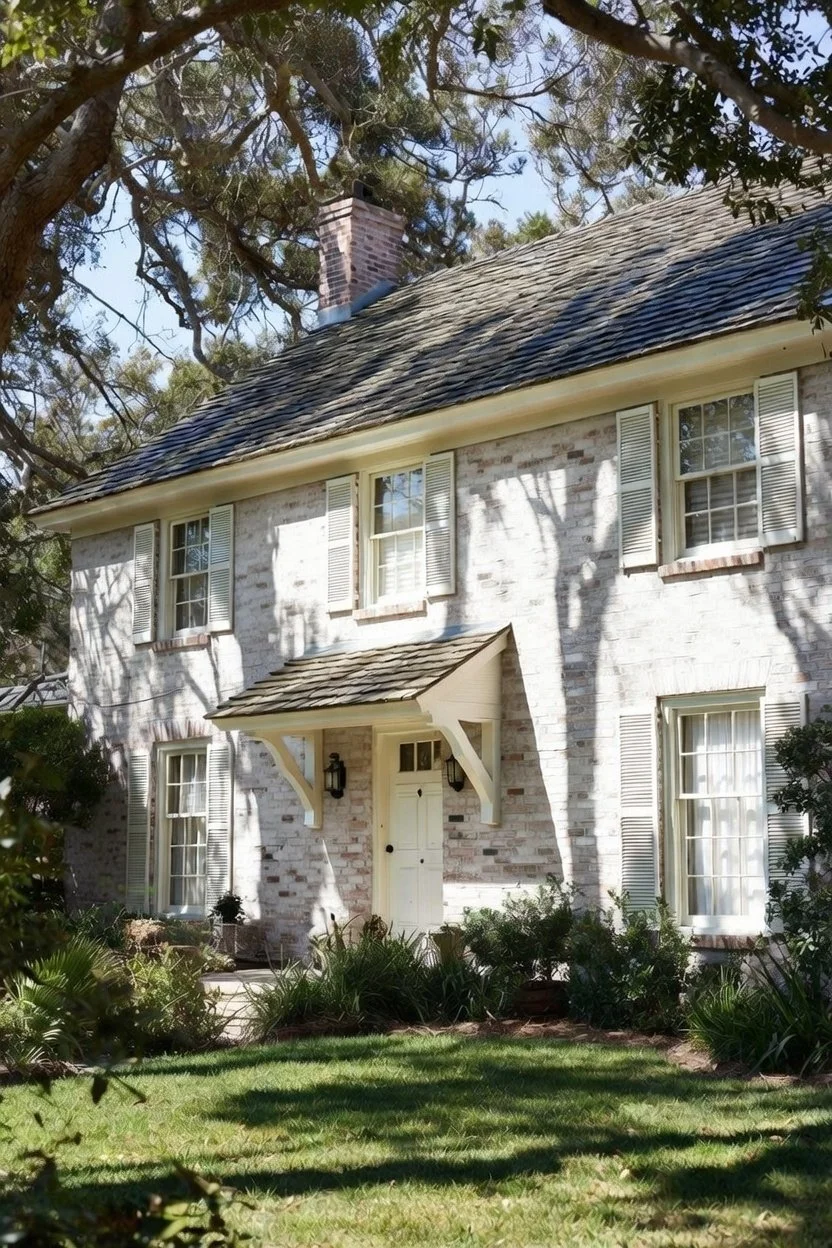
Common Material Mistakes in Finishing Brick Exteriors: Paint Selection and Mortar Composition for German Smear
Many brick houses suffer long-term damage when painted with non-breathable coatings that trap moisture, leading to spalling, cracking, and deterioration. A parallel issue occurs with German Smear (also known as mortar wash or Schmear), where improper mortar mixes—particularly those too cement-heavy—can compromise the wall's vapor permeability and freeze-thaw resistance. Both practices highlight the importance of selecting materials that respect brick's porous, breathable nature, rooted in historical European masonry traditions.
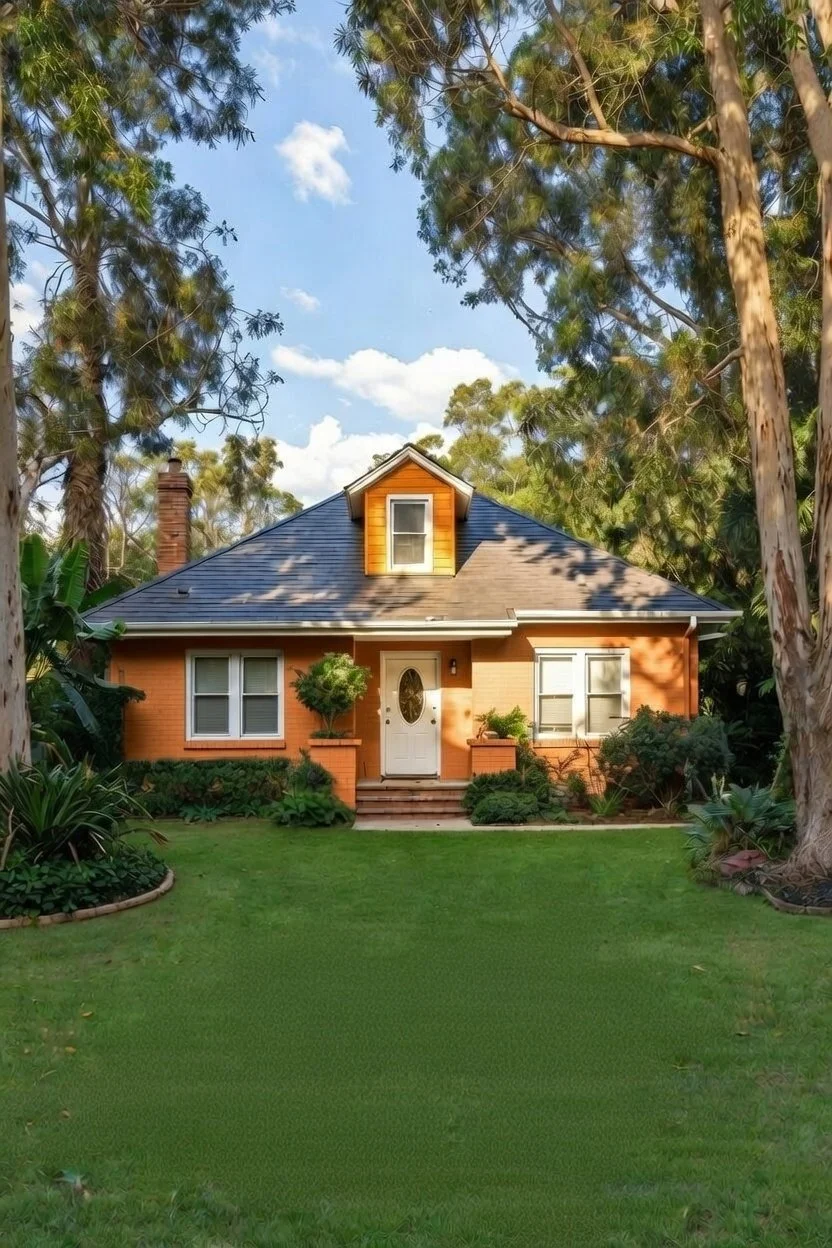
The Effects of Paint on Brick Houses: Moisture Dynamics and Degradation Compared to German Smear
Painting brick houses often aims to refresh appearance, but it frequently leads to accelerated deterioration due to reduced vapor permeability and trapped moisture. In contrast, German Smear—a mortar-based wash rooted in historical European traditions—preserves breathability while altering aesthetics. Understanding the building science behind these approaches reveals why impermeable coatings pose risks to long-term masonry health, particularly in varying climates.
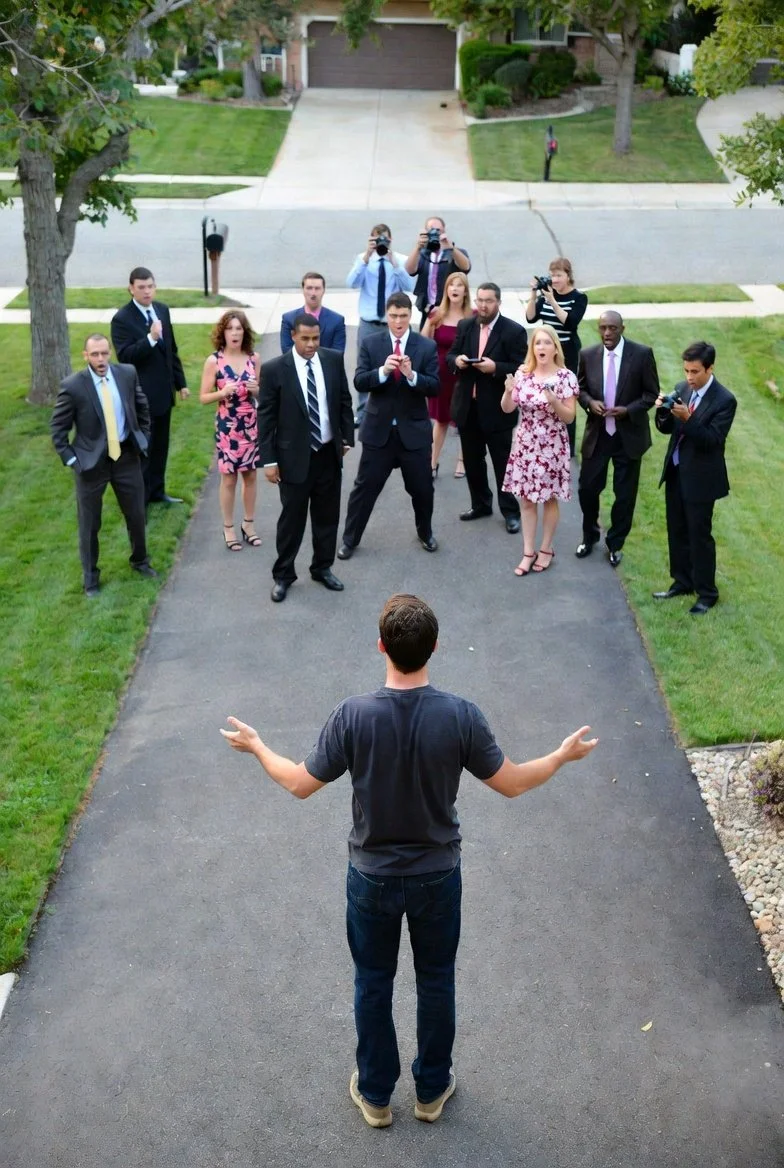
How German Smear Saves You from HOA Complaints and Fees: The Permanent Brick Finish That Ends Repainting Nightmares
If you own a brick home in an HOA community, you already know the drill: one faded patch, one peeling flake, or one 'outdated' look, and you’re staring at a violation notice, a fine, or a forced $5,000–$10,000 repaint order. Brick is supposed to be low-maintenance. Paint turns it into a never-ending money pit.
German smear changes everything. It’s a one-time mortar-wash technique that bonds permanently to your brick, giving it a soft, timeless, whitewashed look that never peels, never fades, and never triggers another HOA aesthetic complaint.
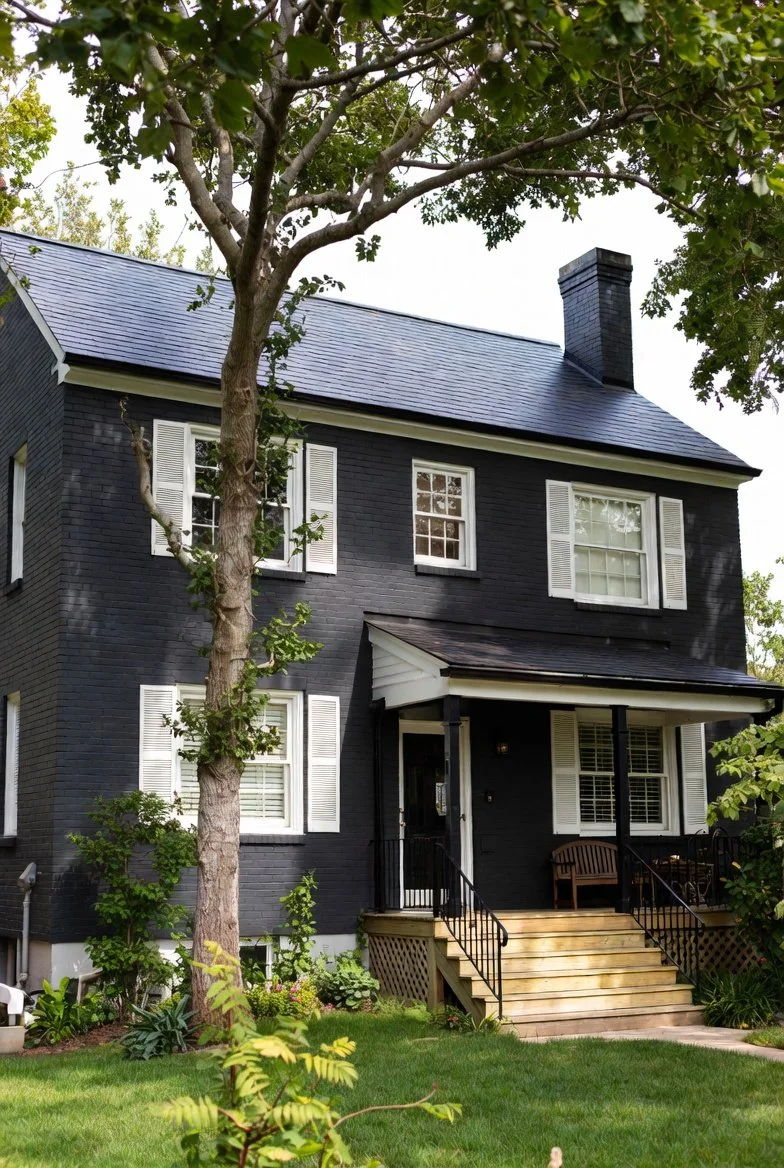
Distinctions Between Latex Paint and Masonry Paint in Brick Applications
Latex paint and masonry paint differ primarily in their formulation and suitability for porous surfaces like brick, with masonry paint often incorporating mineral binders for enhanced adhesion and breathability. Understanding these differences helps in selecting appropriate treatments for brick structures, considering factors such as moisture management and durability. This comparison also extends to traditional methods like German smear, a mortar-based technique rooted in European masonry practices.
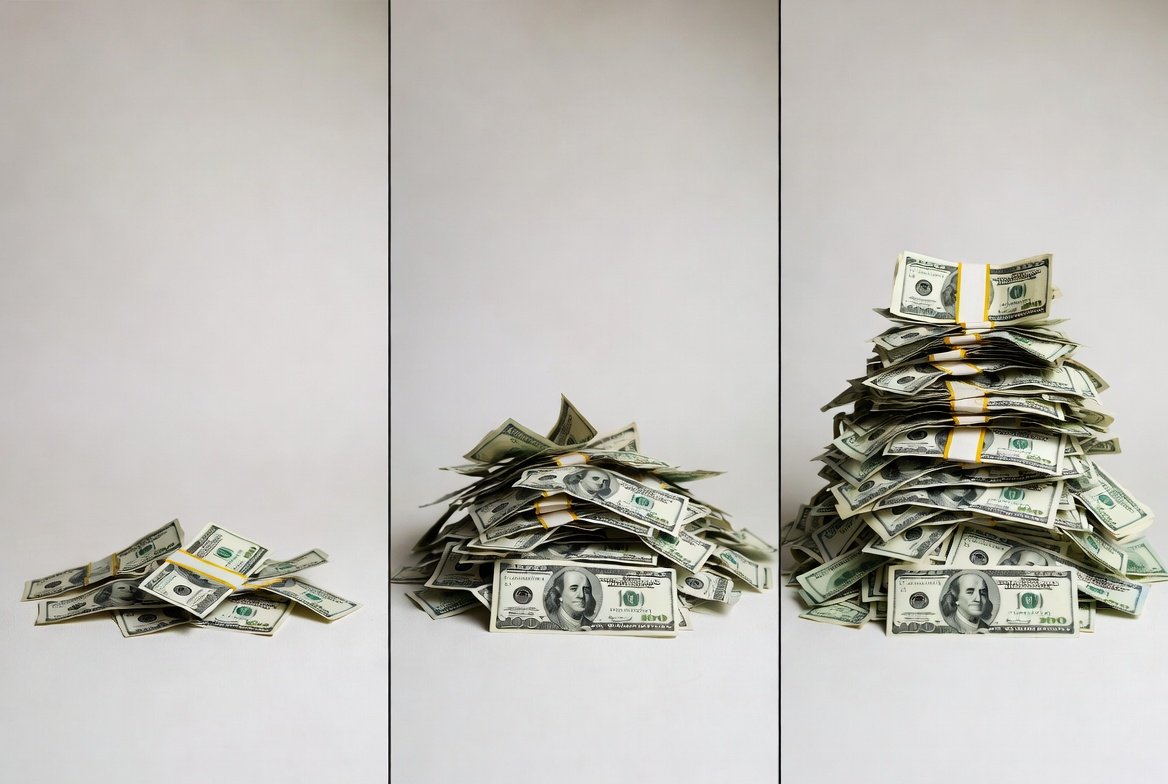
Paint Versus German Smear on Brick Surfaces
German Smear offers a high upfront investment but minimal ongoing expenses due to its durability, while paint incurs repeated costs from deterioration over time. This comparison examines the scientific principles behind paint's degradation, particularly on high-use areas like fireplaces, and highlights German Smear's low-maintenance superiority. Understanding these factors aids in appreciating historical brick treatments rooted in breathable, long-lasting methods.
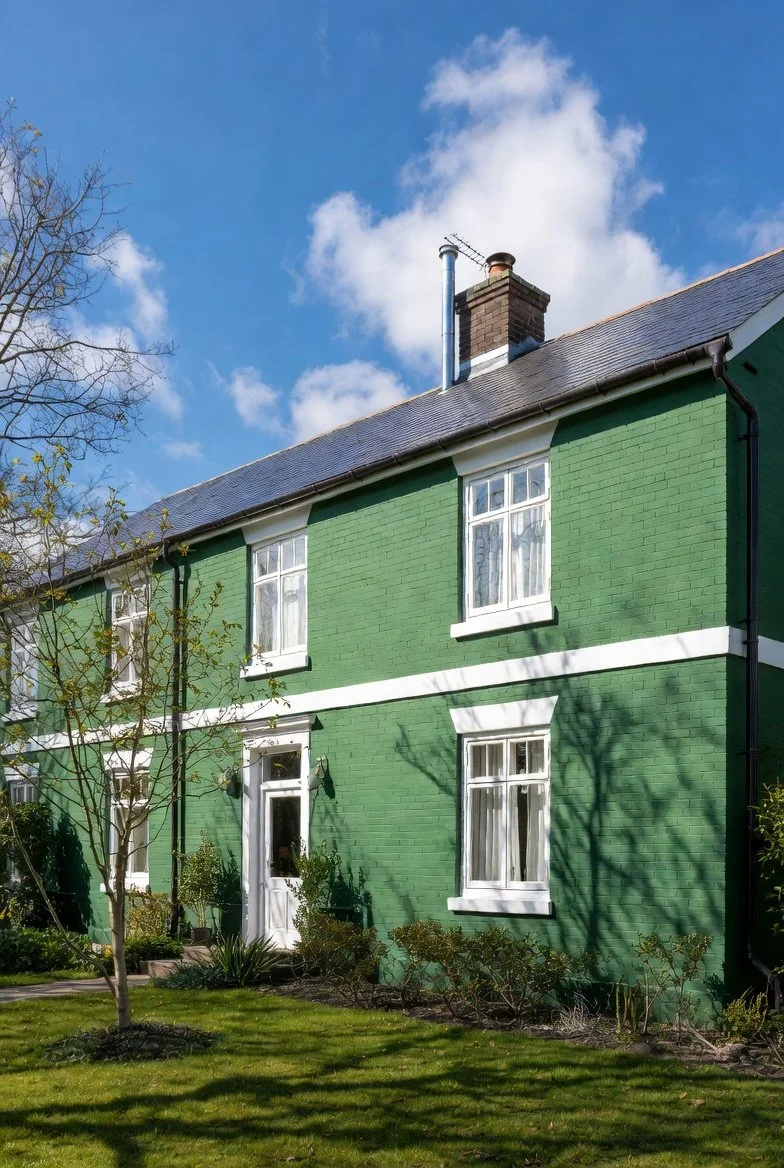
Evaluating Exterior Masonry Paint for Brick Homes: A Building Science Analysis
Exterior masonry paint is often considered for updating the appearance of brick homes, but its application raises concerns in building science due to potential moisture issues. While it can provide short-term protection and aesthetic changes, non-breathable paints may trap water vapor, leading to long-term damage like spalling or efflorescence. In contrast, traditional methods such as German Smear offer compatible, permeable alternatives rooted in historical masonry practices.
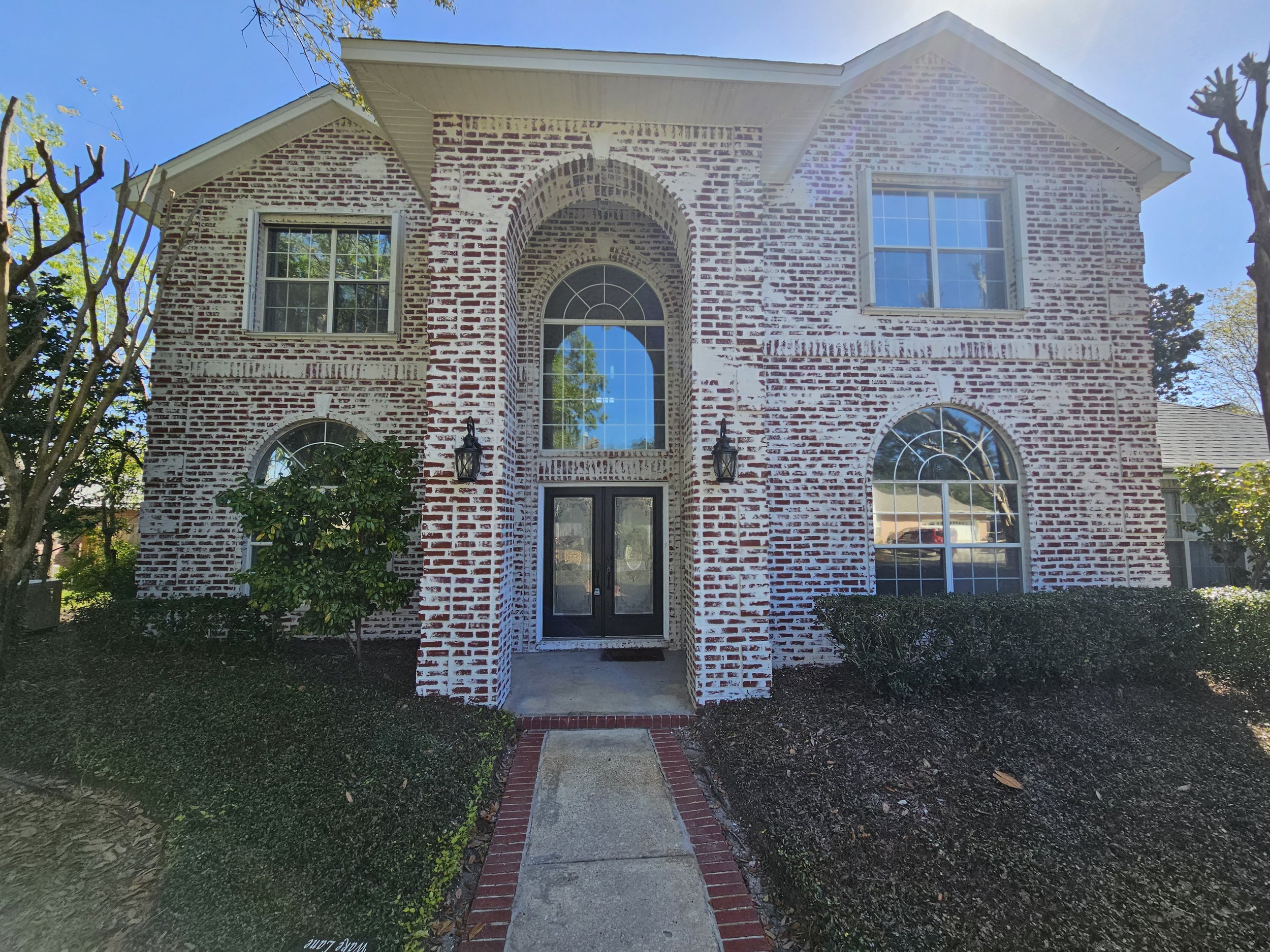
German Smear vs. Paint: Evaluating Brick Health Through Scientific Lens
German Smear and paint represent two distinct approaches to altering brick appearance, with significant implications for the material's long-term integrity. While German Smear uses a breathable mortar layer that integrates with the brick, paint often forms an impermeable barrier that can compromise moisture management. Understanding their scientific differences helps preserve brick's natural properties in various climates.
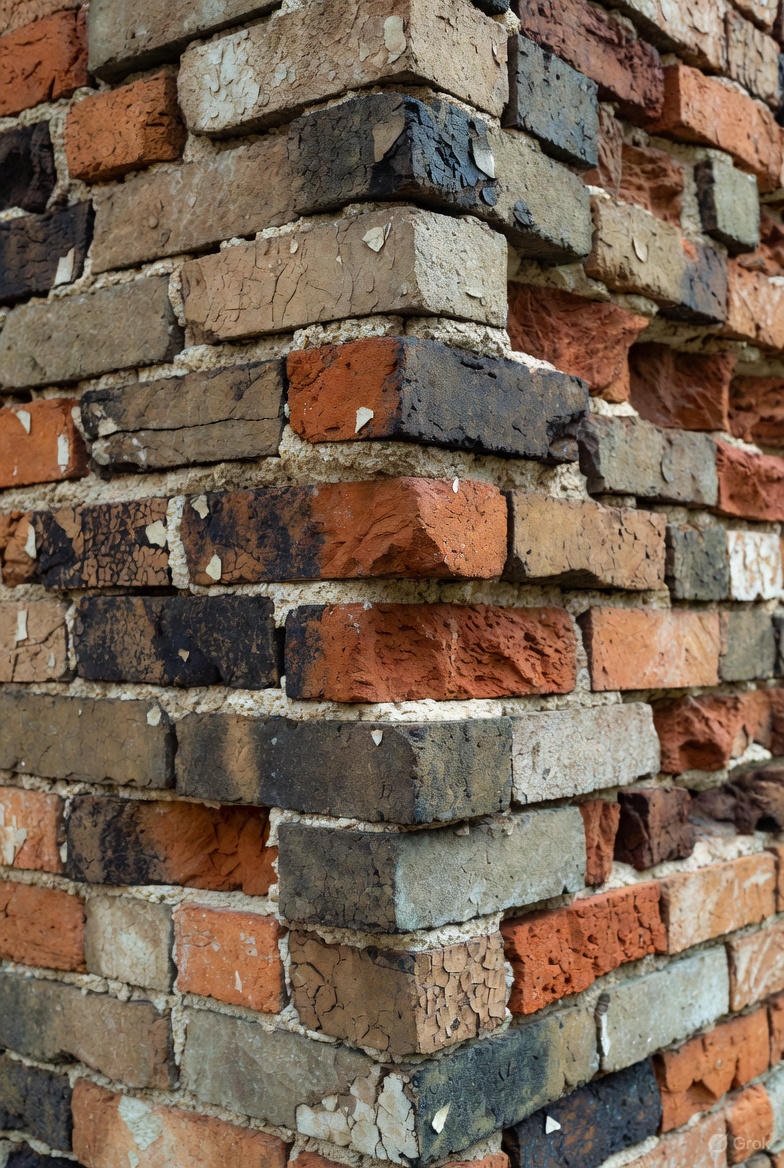
When Brick Traps Moisture: The Silent Killer Lurking in Your Walls
You spot a damp patch on the basement wall or white streaks bleeding down the facade—your brick is crying uncle. Trapped moisture doesn’t just stain; it shatters faces, dissolves mortar, breeds mold, and quietly inflates repair bills into five figures. In 2025, the Brick Industry Association and Angi’s masonry dataset tag moisture damage as the #1 failure mode for brick homes. Below, we map the destruction timeline, slap real price tags on each stage, and—crucially—expose how painting and limewashing can accelerate the nightmare if done wrong. Let’s arm you with facts so your brick breathes, not breaks.