Lifetime Paint Warranties on Brick Versus the Durability of German Smear
Brick finishes such as paint and German Smear alter the aesthetic and functional properties of masonry, with origins in European building practices where durability and environmental adaptation were paramount. Understanding these methods matters architecturally because they affect moisture management, structural integrity, and historical authenticity in construction. Documented in medieval European traditions, such techniques highlight how modern applications must balance visual appeal with the inherent breathability of brick to prevent degradation over time.
What Lifetime Paint Warranties Entail
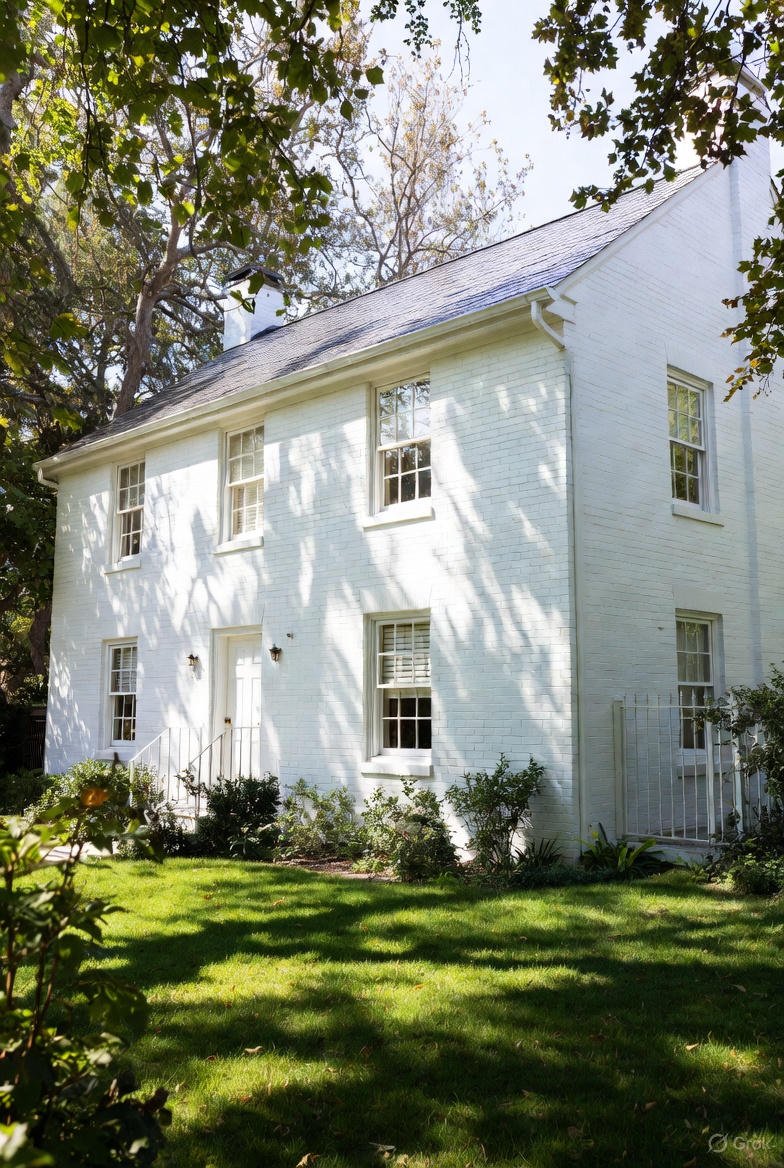
Lifetime limited warranties for exterior paints on brick, as offered by manufacturers like Sherwin-Williams and Behr, focus on product defects rather than ensuring a perpetual finish. These warranties typically cover issues such as peeling, blistering, or cracking under defined conditions, but they exclude normal aging, weather exposure, or application errors. From a building science perspective, paint forms a surface film that interacts with brick's porosity, potentially leading to moisture-related problems if not managed.
Coverage specifics: Often limited to the original purchaser and valid only while they own the property, making it non-transferable.
Exclusions: Damage from structural defects, improper surface preparation, or extreme weather is not covered, with fading and chalking considered natural occurrences.
Duration interpretation: "Lifetime" generally means the product's expected service life under ideal conditions, not indefinite performance, with real-world tests showing degradation after approximately nine years.
Application requirements: Must follow label instructions, including temperature thresholds as low as 35°F for some formulas, to qualify for warranty claims.
In humid climates like those in the southeastern United States, such as Georgia, these limitations are pronounced due to increased moisture exposure, which accelerates paint breakdown.
Why Painted Brick Requires Repeated Applications
Painting brick introduces a maintenance cycle because the paint layer degrades over time from environmental factors, unlike integrated finishes that bond with the substrate. Historically, brick was left unpainted in European architecture to leverage its natural vapor permeability, but modern painting alters this, leading to potential efflorescence or spalling if moisture is trapped.
From a material science viewpoint, exterior paints have low vapor permeability, often below 10 perms, which restricts moisture evaporation and can cause internal damage in freeze-thaw or humid conditions. Degradation typically begins within 5 to 10 years, necessitating repaints to restore protection and appearance.
Signs of deterioration: Fading from UV exposure, cracking due to brick expansion, and peeling from moisture buildup.
Maintenance process: Involves cleaning, priming, and reapplying paint, increasing labor over time.
Climate impact: In areas with high humidity, like subtropical regions, paint failure occurs faster due to persistent moisture, exacerbating the need for frequent interventions.
Long-term implications: Each repaint adds layers that further reduce breathability, potentially leading to substrate erosion.
This repetitive requirement stems from paint's film-forming nature, which does not chemically integrate with brick as traditional mortar-based methods do.
Challenges in Transitioning from Paint to Limewash or German Smear
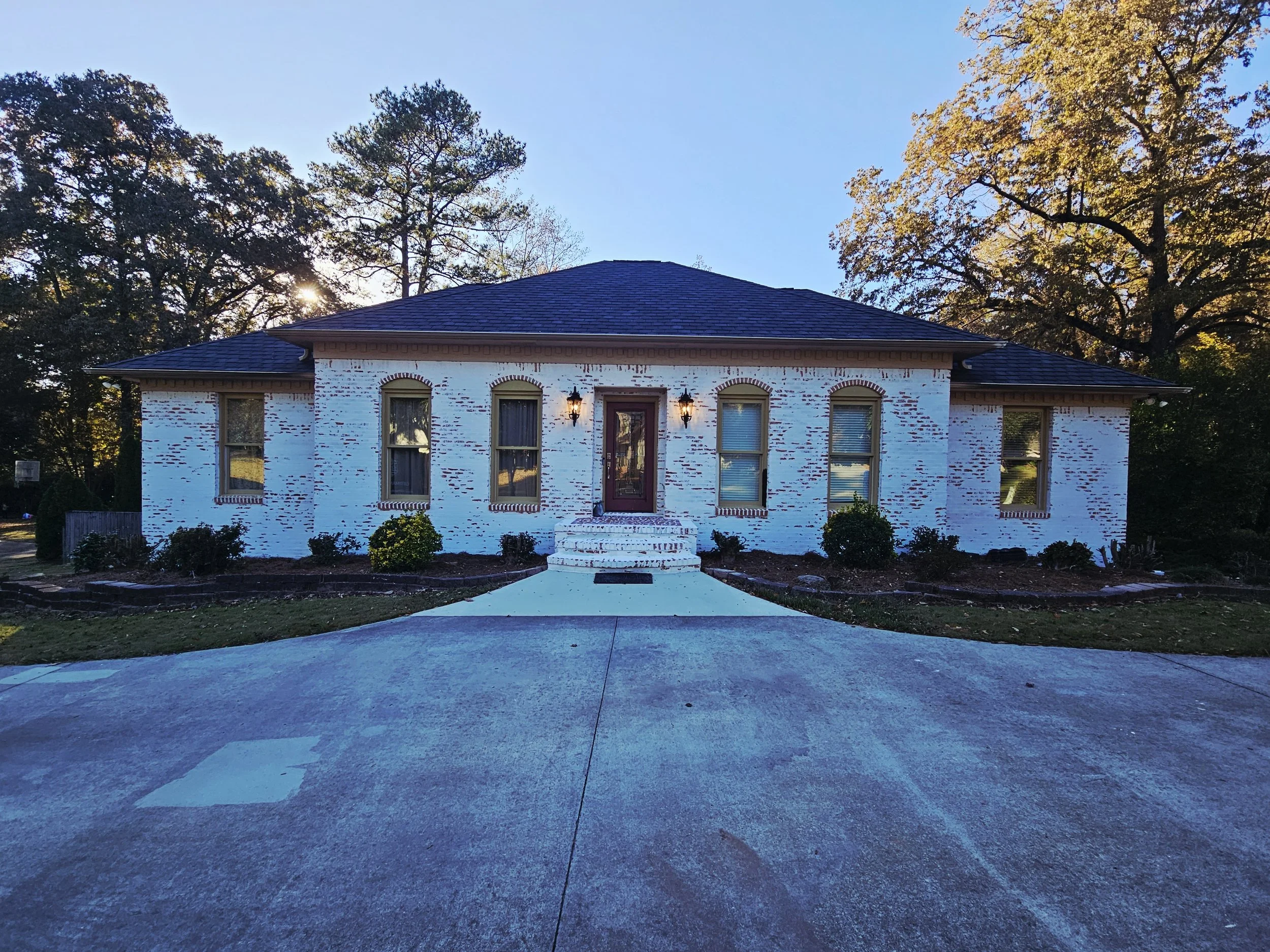
Once brick is painted, switching to alternatives like limewash or German Smear becomes problematic because paint creates a non-porous barrier that hinders adhesion. Limewash, derived from slaked lime and used historically for its antimicrobial properties in European masonry, requires a porous surface to carbonate and bond effectively. Similarly, German Smear, a mortar wash technique, relies on direct contact with clean brick for permanent integration.
Applying these over paint often results in poor durability, as the underlying film prevents proper penetration, leading to flaking or uneven weathering. Preparation demands paint removal through chemical stripping or blasting, which risks damaging the brick face.
Adhesion issues: Limewash and mortar fail to bond chemically over paint, reducing lifespan to potentially less than a decade instead of 50 years or more on unpainted brick.
Removal difficulties: Abrasive methods can cause spalling, especially on softer bricks, while incomplete removal leads to inconsistent finishes.
Breathability concerns: Painted surfaces retain low permeability even under new layers, increasing moisture entrapment risks in humid environments.
Architectural considerations: Altering painted brick disrupts historical authenticity, as these methods were traditionally applied to raw masonry in European contexts.
In contrast, unpainted brick allows seamless application of limewash (high permeability above 20 perms) or German Smear, preserving natural moisture dynamics.
The Permanent Nature of German Smear as a Finish
German Smear, also known as Schmear or mortar wash, originated in medieval European masonry traditions, particularly in Germany and England, where it was used to create textured, irregular joints mimicking aged stone structures. This technique involves troweling thin mortar over brick, allowing it to bond permanently without detachable layers.
Unlike paint, German Smear integrates with the brick, offering durability that aligns with the masonry's lifespan, often exceeding 100 years, while maintaining breathability to mitigate weather-related damage.
Composition: Typically uses lime-based mortar for flexibility and vapor transmission, avoiding the rigidity of cement-heavy mixes.
Application: Spread thinly and partially removed while wet, creating a rustic texture that weathers uniformly.
Maintenance: Minimal, involving occasional cleaning, as it resists peeling and does not require reapplication.
Climate adaptability: In varied conditions, including humidity, its permeability reduces freeze-thaw risks, drawing from historical uses in temperate European regions.
This approach respects brick's inherent properties, providing a low-intervention finish grounded in architectural conservation.
Conclusion
Lifetime paint warranties address specific defects but do not equate to a maintenance-free finish on brick, often leading to repeated applications due to environmental degradation and low breathability. In contrast, German Smear offers a durable, integrated solution that aligns with historical European masonry practices and preserves material integrity. The commitment to repainting after initial application limits options like limewash or German Smear, highlighting the importance of initial finish choices in long-term architectural outcomes.
Looking to DIY?
Checkout SmearTech’s Signature White™ Mortar and German Smear Tools.