

Common Material Mistakes in Finishing Brick Exteriors: Paint Selection and Mortar Composition for German Smear
Brick masonry has historically functioned as a breathable system, absorbing and releasing moisture vapor to prevent internal damage from water accumulation. In modern applications, however, both painting and German Smear techniques frequently go wrong due to material choices that ignore this fundamental building-science principle. Painting brick with impermeable paints and applying German Smear with unsuitable mortar compositions can lead to similar moisture-related failures, underscoring the need for vapor-permeable, compatible materials in architectural finishes.
Painting Brick: The Risks of Non-Breathable Coatings
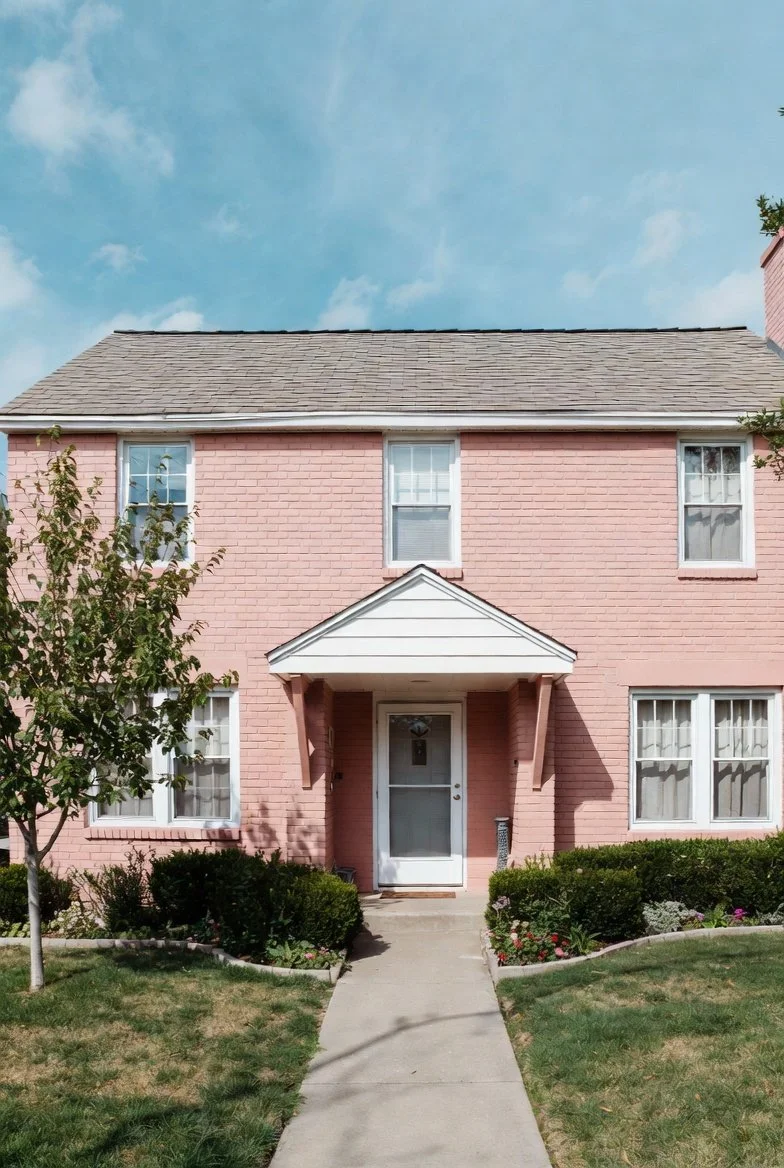
Brick is inherently porous, allowing moisture to enter from rain or humidity and exit as vapor. This natural breathability protects against freeze-thaw cycles in colder climates, where trapped water expands upon freezing and causes spalling (flaking or crumbling of the brick surface).
Common practice among painters involves using standard latex, acrylic, or oil-based paints not formulated for masonry. These form a film-forming barrier with low vapor permeability, trapping moisture within the brick and mortar joints.
Consequences include:
Moisture entrapment leading to efflorescence, mold growth, and internal dampness.
Freeze-thaw damage in regions with temperature fluctuations, resulting in cracked bricks and deteriorating mortar.
Peeling or flaking paint as pressure builds from escaping vapor, often requiring costly removal and repairs.
Breathable alternatives, such as mineral silicate paints or certain high-permeability masonry coatings, allow vapor transmission while providing color and protection. These bond chemically or mechanically with the substrate, maintaining the wall's ability to dry out.
German Smear: Challenges with Inappropriate Mortar Composition
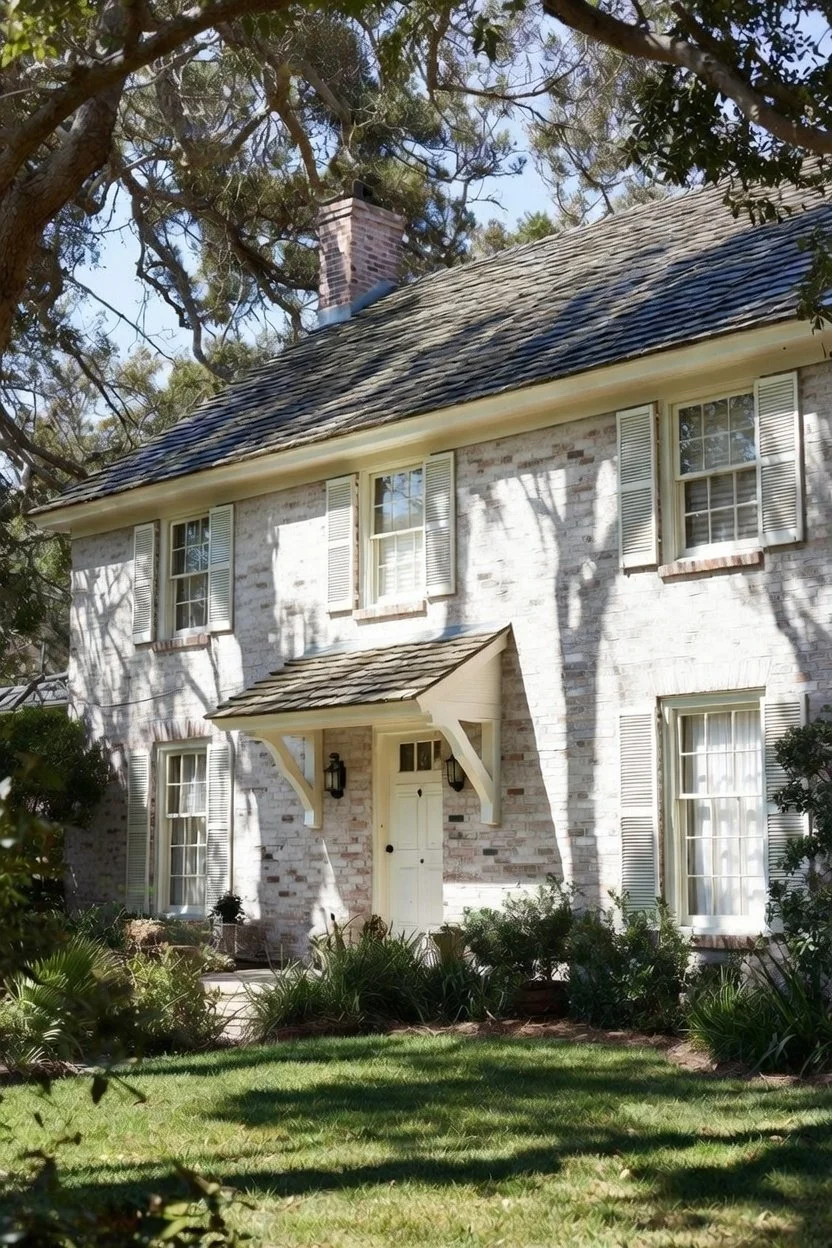
German Smear involves applying a thinned mortar mixture to brick or stone surfaces, then partially wiping it away to create a textured, aged appearance with irregular white or colored highlights in the mortar joints and brick faces. Documented in European traditions (often linked to German or French rural architecture as Kalkschlämme or similar lime-based washes), the technique relies on a breathable overlay that integrates with the masonry.
A frequent error occurs when using mortar mixes dominated by Portland cement rather than lime-based formulations. Traditional and effective German Smear mortars prioritize lime for flexibility and permeability, while high-cement content creates rigid, less permeable layers.
Key distinctions in mortar behavior include:
Lime-based mortars offer high vapor permeability, self-healing properties through carbonation, and flexibility that accommodates minor movement without cracking.
Cement-heavy mortars set harder and faster but reduce breathability, potentially trapping moisture similar to non-breathable paint and increasing risks in freeze-thaw environments.
Adhesion and durability suffer when the mix is mismatched; overly rigid cement mortars may not bond well long-term to softer historic bricks and can drive damage into the units rather than protecting them.
Proper mixes often include hydrated lime, sand, and minimal or no Portland cement to preserve the wall's moisture-management characteristics while achieving the desired aesthetic.
Parallels Between the Two Practices
Both painting brick and applying German Smear aim to alter appearance while preserving structural integrity, yet both commonly fail for related reasons: disregard for vapor permeability and material compatibility.
In painting, non-breathable films seal the surface; in German Smear, overly cementitious mortars reduce the system's overall permeability. The result in both cases can be accelerated deterioration through trapped moisture, especially in climates with high humidity or freezing temperatures.
Historical European building traditions favored lime-based materials precisely because they matched the breathability of soft-fired bricks and natural mortars, allowing walls to perform as intended over centuries.
Conclusion
The recurring issues with painted brick and improperly executed German Smear stem from the same core principle: masonry systems require materials that permit moisture vapor to escape freely. Selecting breathable paints designed for masonry and lime-rich mortars for German Smear helps maintain structural health, prevent damage from freeze-thaw cycles, and honor the breathable heritage of brick architecture. Understanding these material distinctions supports more informed decisions in preserving and updating brick exteriors.
Looking to DIY?
Checkout SmearTech’s Signature White™ Mortar and German Smear Tools.
