

Distinctions Between Latex Paint and Masonry Paint in Brick Applications
Latex paint and masonry paint represent modern approaches to coating brick surfaces, each with implications for the material's integrity and aesthetic longevity. Historically, brick treatments evolved from natural mineral washes in European architecture to synthetic coatings developed in the 20th century, aiming to protect and enhance masonry while addressing environmental factors like moisture and weathering. Examining these paints alongside traditional German smear highlights the importance of breathability in preserving brick's natural vapor permeability, a key principle in architectural conservation to prevent damage from trapped moisture.
Differences Between Latex Paint and Masonry Paint
Latex paint is a water-based coating commonly used for general surfaces, while masonry paint is specifically formulated for porous masonry like brick, stucco, and concrete. This specialization arises from building science needs, as brick requires treatments that allow vapor transmission to avoid issues like efflorescence or freeze-thaw damage in varying climates.
In historical context, latex paints emerged in the mid-20th century as petroleum-derived products, offering flexibility but limited compatibility with absorbent substrates. Masonry paints, documented as early as the 1900s in Germany with mineral binders, prioritize adhesion and durability on rough, mineral-based surfaces.
Latex paint forms a flexible film on the surface, which can reduce breathability if not properly matched to the substrate.
Masonry paint often integrates with the brick through chemical bonding, enhancing resistance to moisture penetration while permitting vapor escape.
Architectural applications favor masonry paint for exteriors in humid or cold regions to mitigate cracking from thermal expansion.
Manufacturing Processes for Latex and Masonry Paint
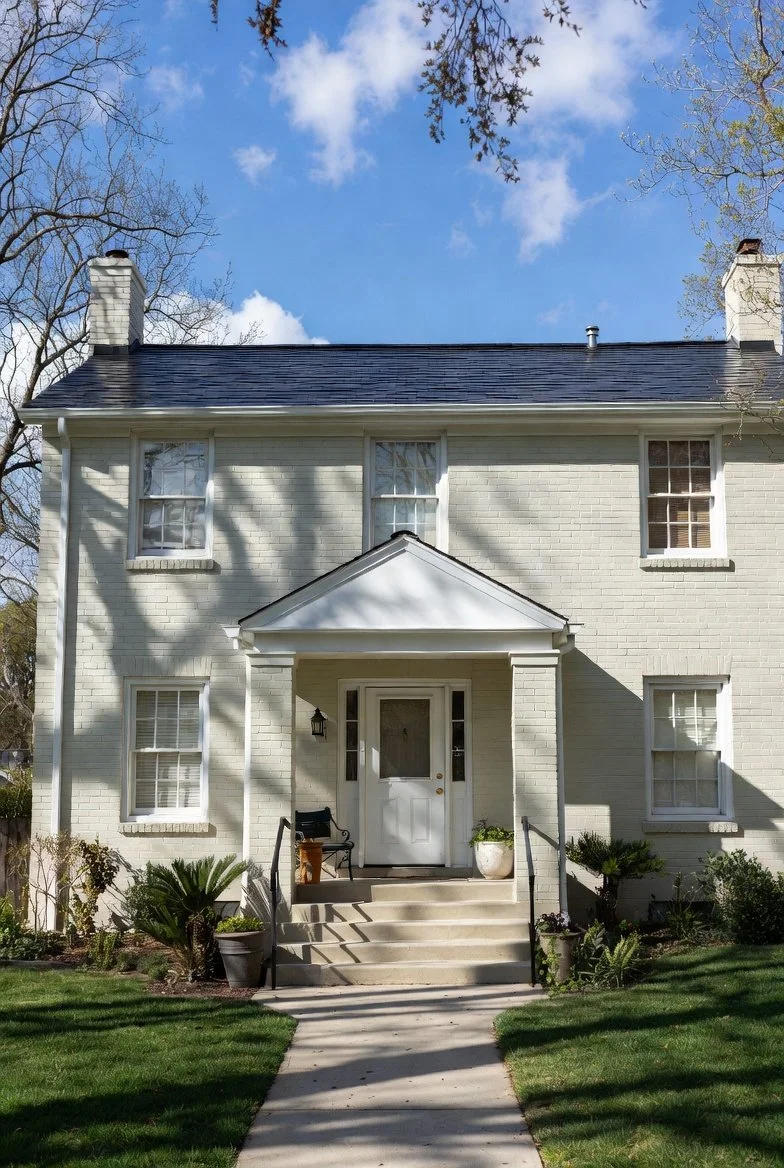
The production of latex paint involves emulsion polymerization, where monomers are dispersed in water to form a stable latex binder, then combined with pigments and additives. This process, commonly used since the 1950s, emphasizes quick drying and low odor, aligning with post-war demands for efficient building materials.
Masonry paint manufacturing follows a similar dispersion method but incorporates specialized binders like potassium silicate or acrylic resins tailored for high alkalinity resistance. Developed from early 20th-century innovations in silicate paints, it focuses on creating formulations that cure through calcification, bonding chemically with masonry.
Key steps in latex paint production include:
Pre-mixing water and additives.
High-speed dispersion of pigments and fillers.
Let-down phase adding binders like acrylic resins.
For masonry paint:
Similar mixing, but with mineral components for breathability.
Emphasis on achieving fine particle sizes for penetration into porous surfaces.
Climate considerations influence additives, such as mildew resistors for damp environments.
Materials Used in Latex and Masonry Paint
Latex paint consists of water as the solvent, acrylic or vinyl-acrylic binders for film formation, pigments like titanium dioxide for opacity, and additives including coalescents and thickeners. These materials provide flexibility but can limit vapor permeability on brick, potentially leading to moisture buildup.
Masonry paint typically uses mineral binders such as potassium silicate, along with pigments, fillers like calcium carbonate, and additives for enhanced adhesion. This composition, derived from historical lime-based traditions, promotes breathability and resists alkali attack from masonry substrates.
Material differences include:
Binders: Acrylic in latex for elasticity; silicate in some masonry paints for chemical integration.
Solvents: Water-based in both, but masonry formulations may include glycols for better wetting on porous surfaces.
Additives: Latex focuses on flow and leveling; masonry emphasizes mildew resistance and vapor transmission.
Longevity of Latex and Masonry Paint on Brick
On brick surfaces, masonry paint generally offers greater longevity, lasting 10 to 15 years under typical conditions, due to its breathable nature and strong adhesion that withstands freeze-thaw cycles. Latex paint, while durable on non-porous surfaces, may last 5 to 10 years on brick, as its film can crack from substrate movement or moisture stress.
Historical usage shows masonry paints maintaining integrity in European climates for extended periods, while latex requires more frequent maintenance in similar settings. Building science principles like vapor permeability contribute to masonry paint's edge, reducing risks of peeling in humid areas.
Factors affecting longevity:
Exposure: Both degrade faster in direct sun or rain, but masonry's mineral base resists UV better.
Application: Proper priming extends life for latex; masonry benefits from direct bonding.
Climate: In cold regions, masonry's flexibility minimizes cracking from expansion.
Removal and Repainting Processes for Latex and Masonry Paint
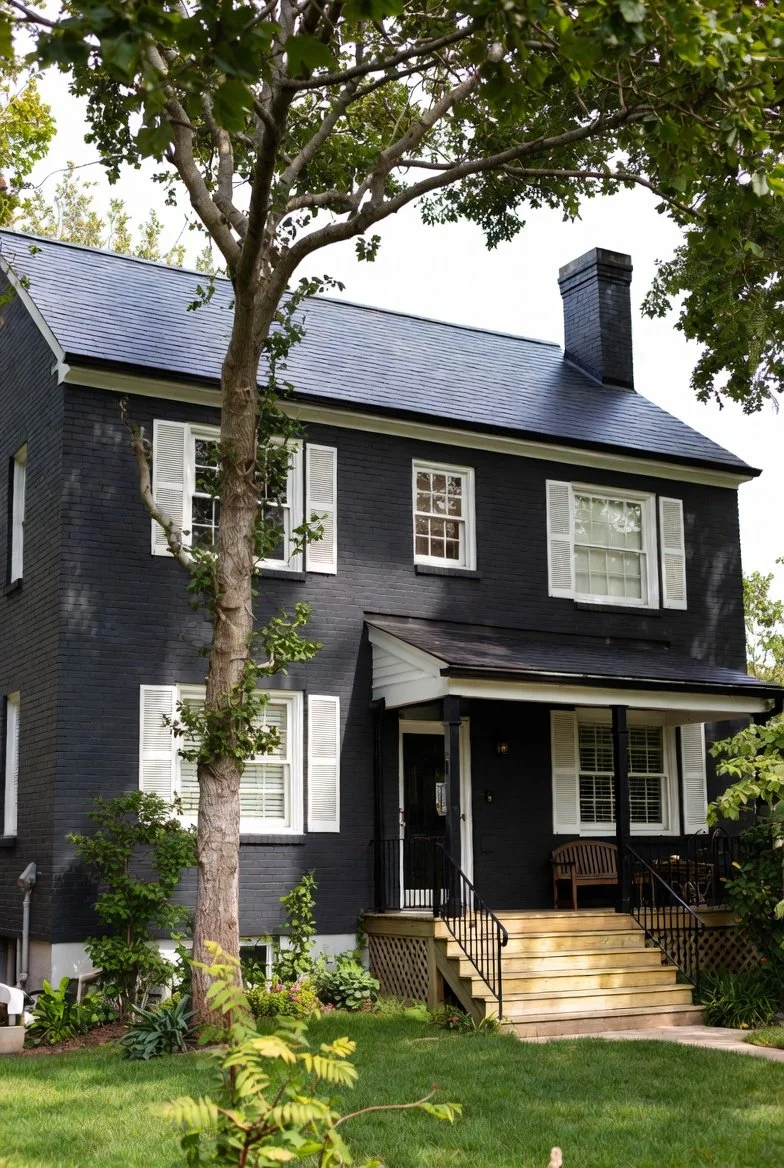
Neither latex nor masonry paint is easily removed from brick due to penetration into porous surfaces, requiring chemical strippers or mechanical methods that risk substrate damage. Removal is labor-intensive and not always complete, emphasizing the need for careful initial selection in architectural conservation.
For removal:
Apply methylene chloride-based or alkaline strippers, cover to soften, then scrape and rinse.
Use pressure washing at 3000 PSI for loose areas, avoiding high settings to prevent brick erosion.
Mechanical tools like wire brushes for stubborn spots, followed by neutralization.
Repainting involves cleaning the surface, repairing damage, and priming if switching types. For latex over existing latex, sand lightly and apply two coats; over masonry, ensure compatibility to avoid adhesion failure. For masonry paint, direct application is common on clean brick, promoting breathability.
Comparison of Paint to German Smear
Paints like latex and masonry provide opaque coverage through film formation, contrasting with German smear, a traditional mortar-wash technique commonly used in European architecture since the Middle Ages for rustic aesthetics. German smear involves applying thin mortar layers that bond chemically with brick, preserving high vapor permeability and avoiding moisture traps.
Building science favors German smear for its breathability (often 70+ perms), reducing freeze-thaw risks compared to paints' lower permeability (10-12 perms for latex). Historically, it enhanced masonry durability in variable climates without the peeling issues of synthetic coatings.
Key comparisons:
Durability: German smear is permanent and low-maintenance; paints require recoating every 5-15 years.
Aesthetics: Paints offer smooth, uniform finishes; German smear provides textured, aged looks.
Material behavior: Mortar integrates without sealing pores; paints can form barriers, impacting brick health.
Conclusion
Latex and masonry paints differ in formulation, with masonry better suited for brick due to enhanced breathability and adhesion, though both require careful application to maintain structural integrity. Their manufacturing and materials reflect modern adaptations of historical practices, balancing durability with environmental factors. Compared to German smear, paints provide versatile coverage but may compromise long-term brick health, underscoring the value of traditional, permeable methods in architectural preservation.
Looking to DIY?
Checkout SmearTech’s Signature White™ Mortar and German Smear Tools.
