The Effects of Paint on Brick Houses: Moisture Dynamics and Degradation Compared to German Smear
Brick masonry in historic and traditional architecture relies on inherent porosity for moisture management, allowing absorbed water to evaporate naturally. Applying modern paint coatings disrupts this process, often resulting in hidden damage over time. This matters architecturally because many older brick structures were designed without vapor barriers, and altering their permeability can compromise durability. German Smear, also known as mortar wash or Schmear, offers a permeable alternative with origins in European building practices, providing a useful comparison for evaluating surface treatments on brick.
Moisture Behavior in Uncoated Brick
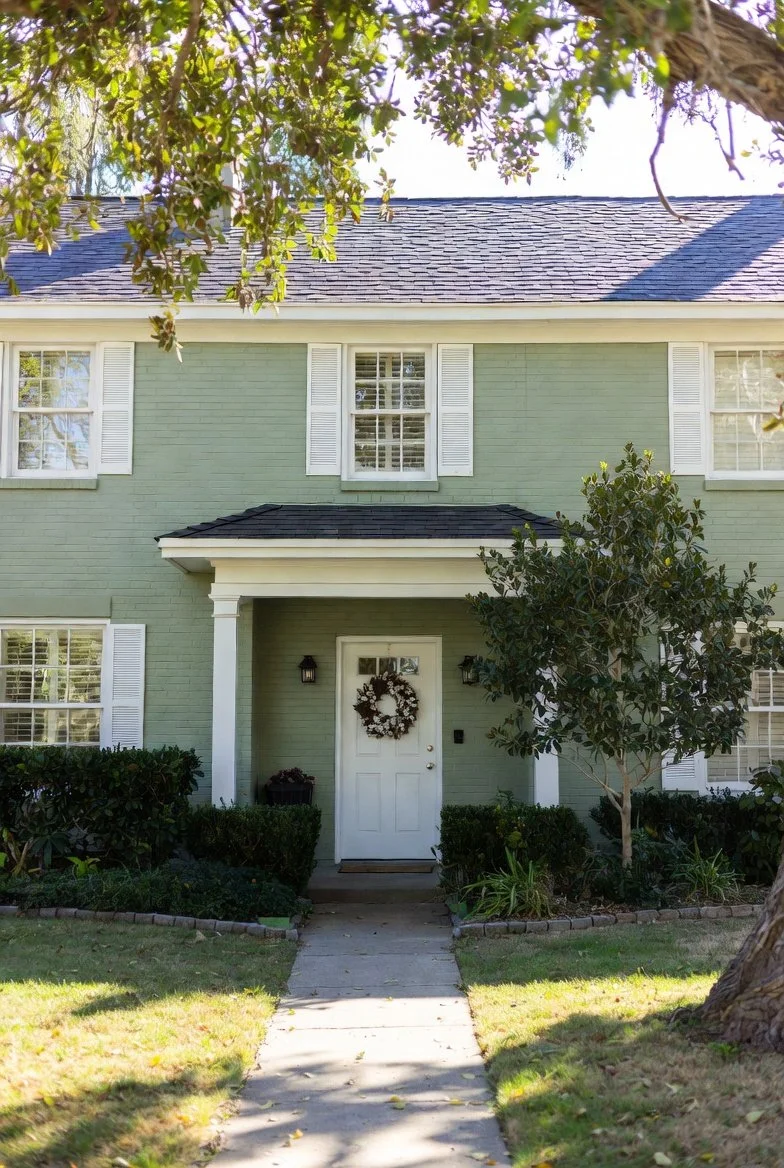
Fired clay brick is naturally porous, with interconnected voids that permit capillary absorption of water from rain, humidity, or ground sources. This porosity enables vapor diffusion, where moisture migrates through the material and evaporates from the surface. In traditional masonry, lime-based mortars further support this breathability, as they are highly vapor-permeable and accommodate minor movements without cracking extensively.
Brick porosity allows water ingress and egress, reducing internal saturation.
Vapor permeability permits drying, minimizing prolonged high moisture content.
In moderate climates, natural evaporation prevents accumulation; in wet or freeze-prone areas, rapid drying is critical.
How Paint Coatings Affect Brick
Most conventional paints—such as acrylic latex or oil-based formulations—create a film-forming barrier on the brick surface. This significantly lowers vapor permeability, preventing moisture from escaping efficiently. Water entering through microscopic cracks, mortar joints, or capillary action becomes trapped behind the paint layer.
Mechanisms of Degradation in Painted Brick
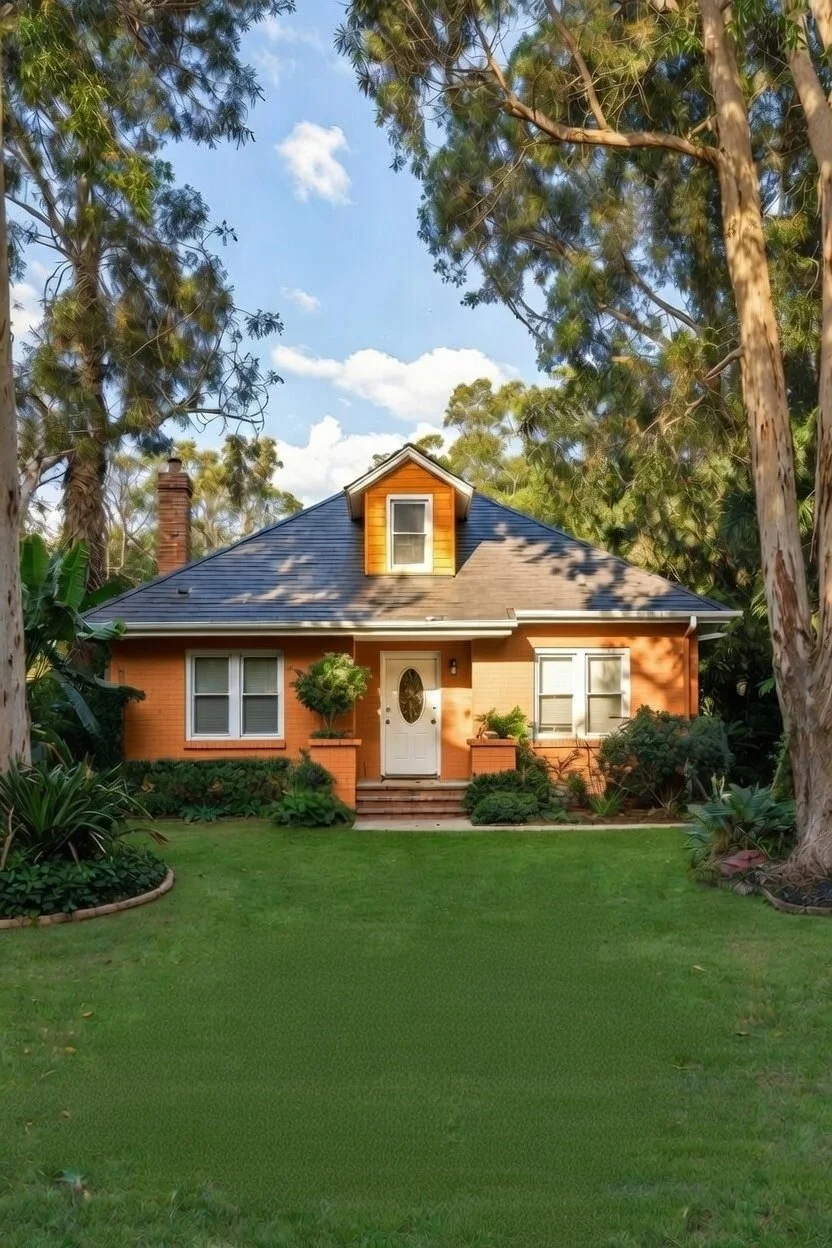
Trapped moisture initiates several deterioration processes, grounded in material science principles.
Freeze-Thaw Damage: In colder climates, absorbed water freezes, expanding by approximately 9% and exerting internal pressure. Repeated cycles cause microcracks that propagate, leading to spalling—where the brick face flakes or pops off. Painted surfaces exacerbate this, as moisture cannot escape before freezing.
Efflorescence and Subflorescence: Water dissolves soluble salts in the brick, mortar, or environment, carrying them to the surface where they crystallize (efflorescence). When crystallization occurs internally (subflorescence), expansive forces exceed material strength, contributing to cracking or spalling.
Peeling, Blistering, and Adhesion Failure: Pressure from escaping vapor or salts pushes against the paint film, causing bubbling, flaking, or delamination. This exposes the brick further while failing to protect it.
Mold and Internal Dampness: Persistent moisture promotes biological growth within walls, potentially affecting indoor air quality or adjacent materials.
These mechanisms are well-documented in building science literature, with painted masonry showing accelerated damage compared to uncoated or permeable treatments, especially under freeze-thaw exposure.
Comparison to German Smear
German Smear involves applying a thinned mortar mixture (typically lime- or cement-based) to brick, then partially removing it to leave textured highlights in joints and recesses. Unlike film-forming paint, German Smear maintains substantial vapor permeability due to its porous composition and incomplete coverage.
Breathability: German Smear allows moisture vapor transmission, similar to traditional lime-based finishes, reducing trapped water risks.
Freeze-Thaw Resistance: By permitting drying, it minimizes internal ice expansion pressures, lowering spalling likelihood compared to painted brick.
Adhesion and Material Interaction: The mortar bonds mechanically and chemically to the brick surface without forming an impermeable seal, and its composition often includes lime for enhanced compatibility and self-healing properties in minor cracks.
Historical Context: Rooted in European traditions (akin to Kalkschlämme or roughcast techniques), German Smear has been used for centuries on masonry to weatherproof and unify appearance while preserving permeability—distinct from limewash (a thinner, more transparent lime slurry) or painted brick (fully opaque, film-based).
Durability Profile: German Smear provides long-term protection against weathering with minimal maintenance, whereas paint often requires repainting every 5–10 years and can accelerate underlying damage.
Climate Considerations
In freeze-thaw prone regions, impermeable paint heightens risks significantly, while permeable treatments like German Smear better suit variable weather. In milder, humid climates, moisture trapping still promotes efflorescence or mold, though less aggressively than in cold areas.
Conclusion
Paint coatings on brick disrupt natural moisture dynamics, leading to trapped water that drives freeze-thaw spalling, efflorescence, and adhesion failures through reduced vapor permeability. German Smear, by contrast, upholds breathability and material compatibility, offering a historically informed method that supports masonry longevity. These distinctions highlight the importance of selecting permeable finishes for preserving brick's inherent durability in architectural applications.
Looking to DIY?
Checkout SmearTech’s Signature White™ Mortar and German Smear Tools.