The Effects of Painting Brick: Dirt Adhesion and Long-Term Structural Impacts
Painting brick, a common modern approach to updating the appearance of masonry exteriors, involves applying a coating that seals the porous surface of fired clay bricks. This method, which gained popularity in the mid-20th century as part of post-war architectural trends in North America and Europe, contrasts with historical treatments like lime-based washes that preserved the material's integrity. From a historical and architectural perspective, it matters because it highlights the tension between aesthetic modifications and the preservation of building materials' natural properties, influencing long-term durability in various climates.
Surface Chemistry and Dirt Adhesion
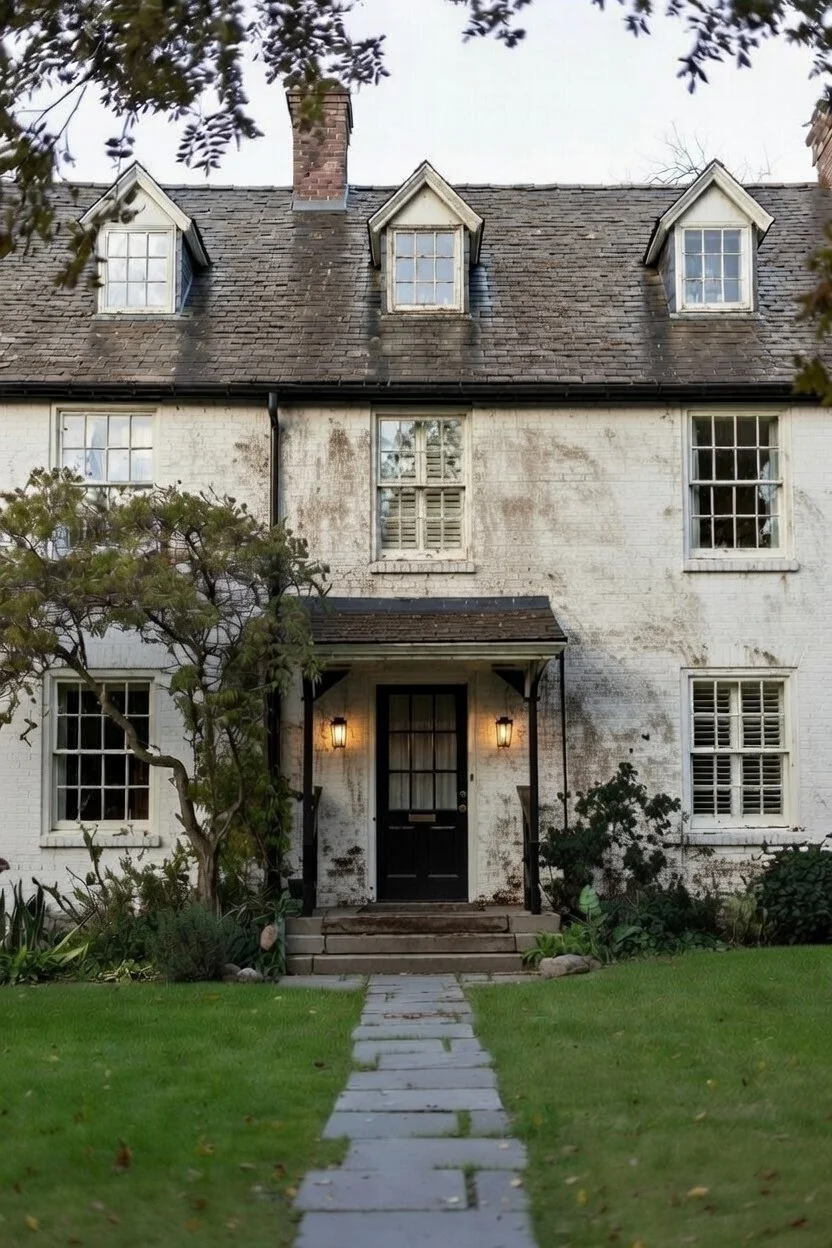
Brick in its natural state is highly porous, composed primarily of fired clay with microscopic voids that allow for vapor permeability but also facilitate the chemical bonding of environmental contaminants. When paint is applied, it forms a polymer-based film—typically acrylic or latex—that fills these pores and creates a non-absorbent barrier. This changes the surface from hydrophilic (water-attracting) to more hydrophobic (water-repelling), reducing the ability of dirt, grime, and pollutants to adhere through ionic or hydrogen bonding.
In building science terms, unpainted brick's rough texture and open structure promote capillary action, drawing in moisture-laden dirt particles that can embed deeply. Painted surfaces, however, exhibit lower surface energy, meaning contaminants like soot, pollen, or algal growth sit more loosely on top rather than penetrating. This is particularly evident in urban environments where airborne particulates are common, as the paint layer minimizes the electrostatic attraction that would otherwise bind grime to the clay minerals in brick.
Key Chemical Interactions Reduced by Paint: Ionic bonding between positively charged dirt particles and negatively charged silicate surfaces in brick; hydrogen bonding facilitated by water molecules in humid conditions; van der Waals forces that allow fine dust to cling to irregular textures.
Environmental Factors Influencing Adhesion: In arid climates, painted brick resists wind-blown sand better due to its sealed nature; in polluted areas, it prevents acid rain from etching into the brick and depositing residues.
Benefits for Cleanliness and Maintenance
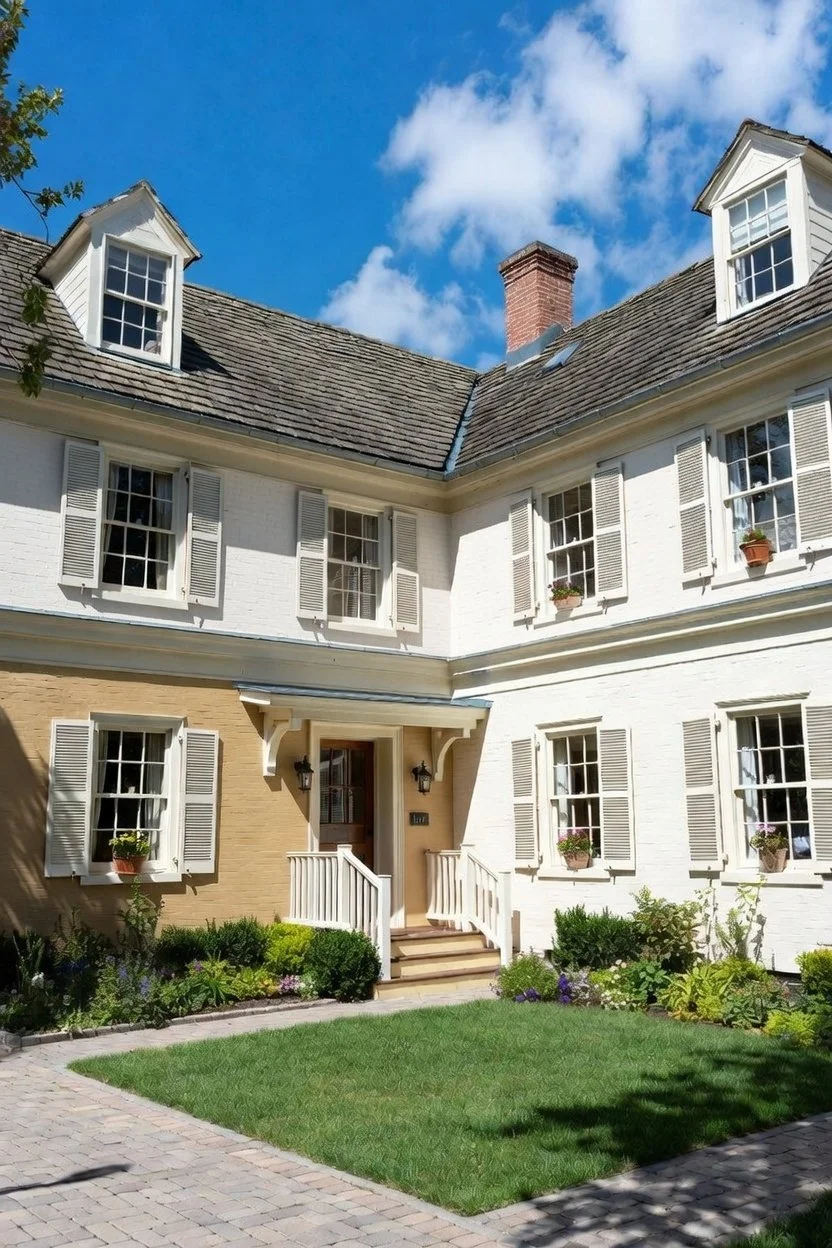
The primary advantage of painted brick in terms of cleanliness stems from its ability to create a washable surface that repels everyday grime. Historical records from early 20th-century architectural manuals document how painted masonry was promoted for institutional buildings in industrial regions to combat soot accumulation from coal-fired factories. Architecturally, this aligns with modernist principles emphasizing clean lines and low-maintenance facades, though it deviates from traditional European methods that favored breathable finishes.
From a material behavior standpoint, the paint acts as a sacrificial layer, allowing pressure washing or mild detergents to remove buildup without abrading the underlying brick. Vapor permeability is compromised, but surface-level dirt is less likely to cause staining because the coating prevents penetration. In temperate climates, this can extend the intervals between cleanings, as biological growth like moss or lichen struggles to take root on the non-porous film.
Cleaning Mechanisms Enhanced by Paint: Easier removal of hydrophilic grime through simple rinsing, as water beads up rather than soaking in; reduced efflorescence visibility, since soluble salts are trapped beneath the paint rather than migrating to the surface.
Comparative Historical Context: Unlike limewash, which historically allowed gradual self-cleaning through natural weathering in Mediterranean climates, paint provides immediate dirt resistance but requires periodic reapplication to maintain efficacy.
Detrimental Effects on Brick Integrity
Despite its cleaning benefits, painting brick can lead to significant long-term damage by disrupting the material's natural moisture management. Bricks are engineered to be breathable, with a vapor permeability rating that allows internal moisture to evaporate outward. Paint, especially non-breathable formulations, traps this vapor, creating hydrostatic pressure that weakens the brick's structure over time. This issue is well-documented in building conservation literature from organizations like the International Council on Monuments and Sites, tracing back to failures observed in painted historic structures during the 19th century.
In freeze-thaw climates, trapped moisture expands upon freezing, causing spalling—where the brick face flakes off due to internal ice formation. Architecturally, this undermines the load-bearing capacity of masonry walls, accelerating deterioration in regions with harsh winters. Material science explains this through the lens of adhesion principles: while paint bonds initially via mechanical interlocking, it fails under cyclic stress, leading to delamination and exposing the brick to accelerated weathering.
Moisture-Related Damage Processes: Increased risk of efflorescence as salts crystallize internally; promotion of mold growth in trapped damp areas; reduced freeze-thaw resistance, with studies showing painted bricks failing after fewer cycles than unpainted ones.
Climate-Specific Impacts: In humid subtropical zones, vapor drive from interior to exterior is blocked, causing peeling and blistering; in coastal areas, salt-laden air exacerbates corrosion of embedded reinforcements.
Historical Parallels: Early attempts at painting brick in Victorian-era buildings often resulted in widespread facade failures, prompting a return to permeable treatments like mortar washes in conservation efforts.
Conclusion
Painting brick modifies surface chemistry to reduce dirt adhesion, offering short-term cleanliness benefits through a sealed, easy-to-wash exterior. However, this comes at the expense of the brick's breathability, leading to moisture entrapment and structural degradation that can compromise historical and architectural integrity. These insights underscore the importance of selecting treatments aligned with a building's material properties and environmental context for sustainable preservation.
Looking to DIY?
Checkout SmearTech’s Signature White™ Mortar and German Smear Tools.