

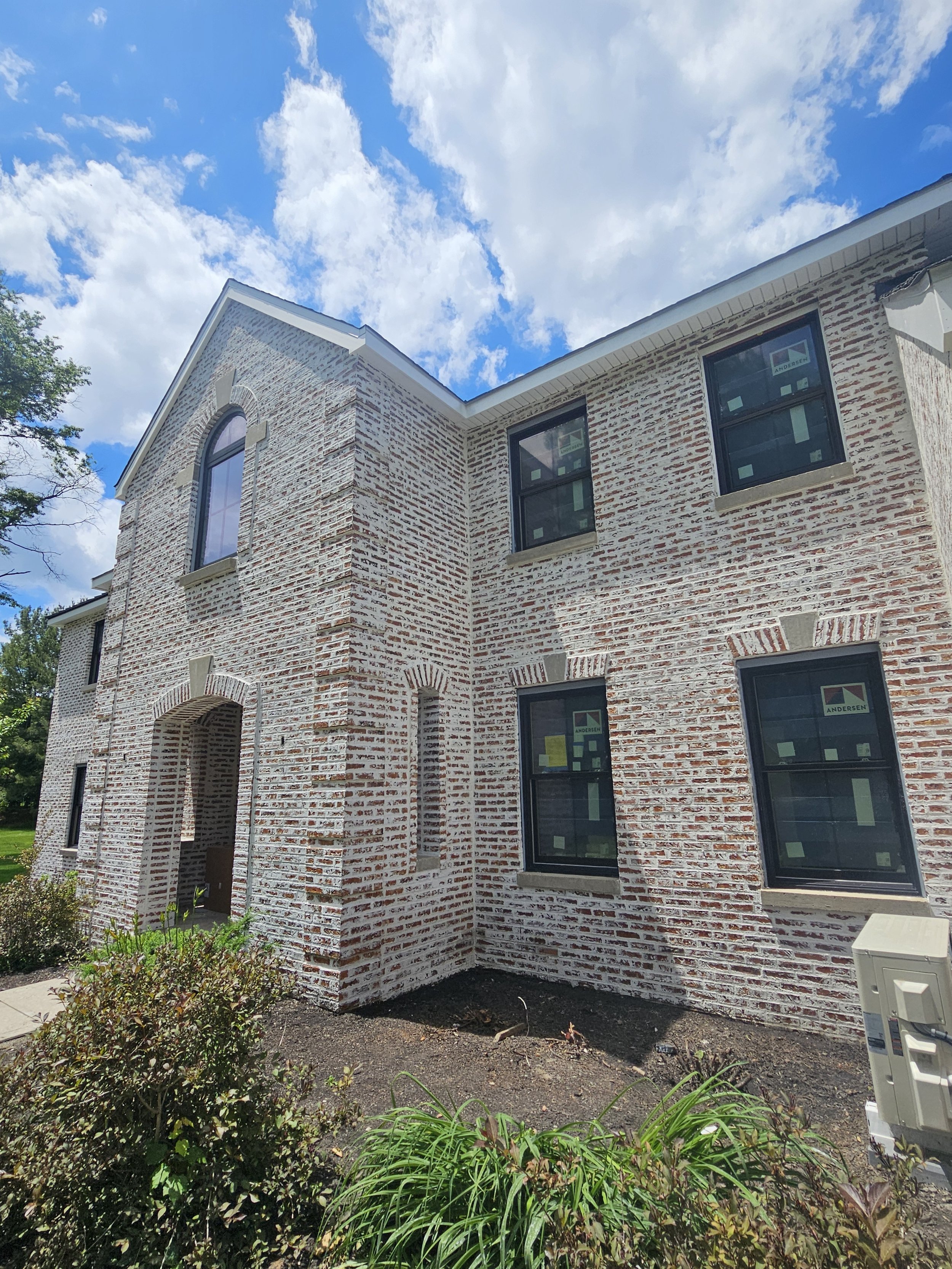
Brick Home Exterior Ideas: 7 Ideas to Improve Your Curb Appeal
Brick homes have long been valued for their durability and timeless aesthetic, rooted in historical building practices that emphasize natural materials and breathability. Enhancing curb appeal involves thoughtful modifications that respect the brick's inherent properties while improving visual and functional aspects. This blog explores seven educational ideas, drawing on architectural traditions and building science to inform potential updates.
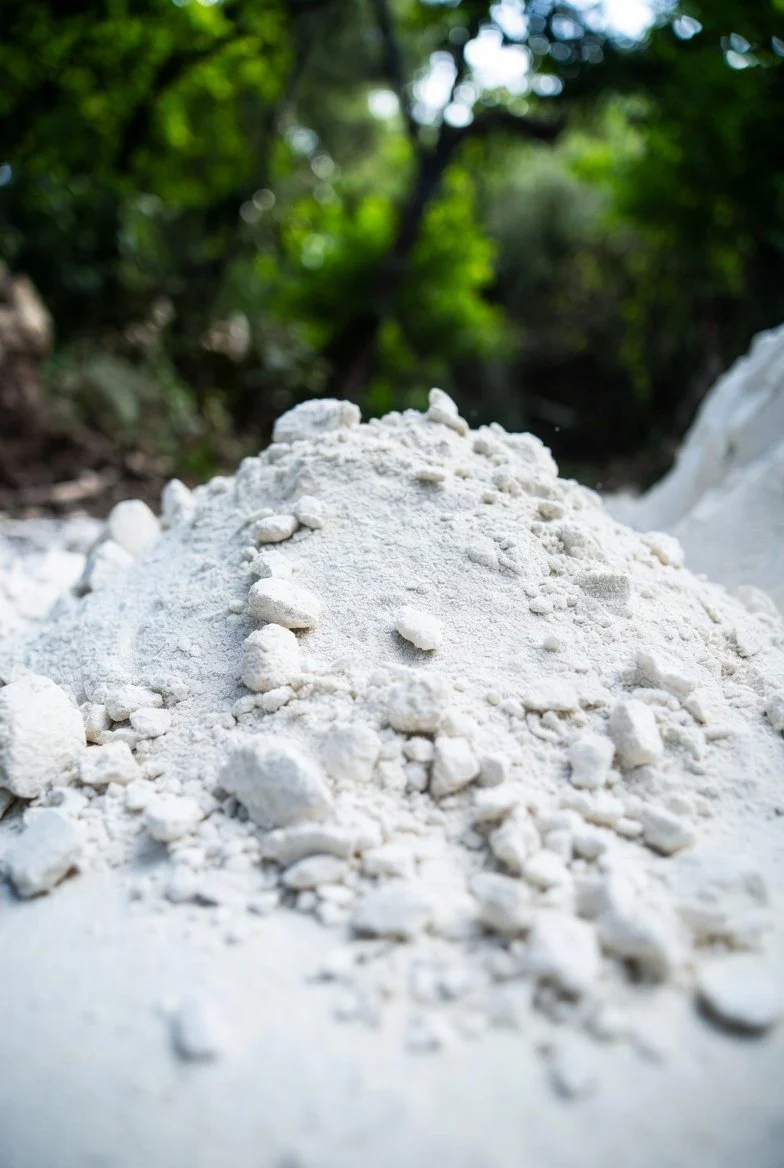
Lime-Based Finishes and Their Resistance to Algae and Mold Growth
Limewash and German Smear, both derived from lime-heavy materials, offer natural resistance to algae and mold through their alkaline properties and breathability. These finishes create environments inhospitable to microbial growth while allowing moisture to escape, reducing the conditions that foster such issues. Understanding their scientific mechanisms and the role of breathable waterproofing can inform choices in architectural applications.
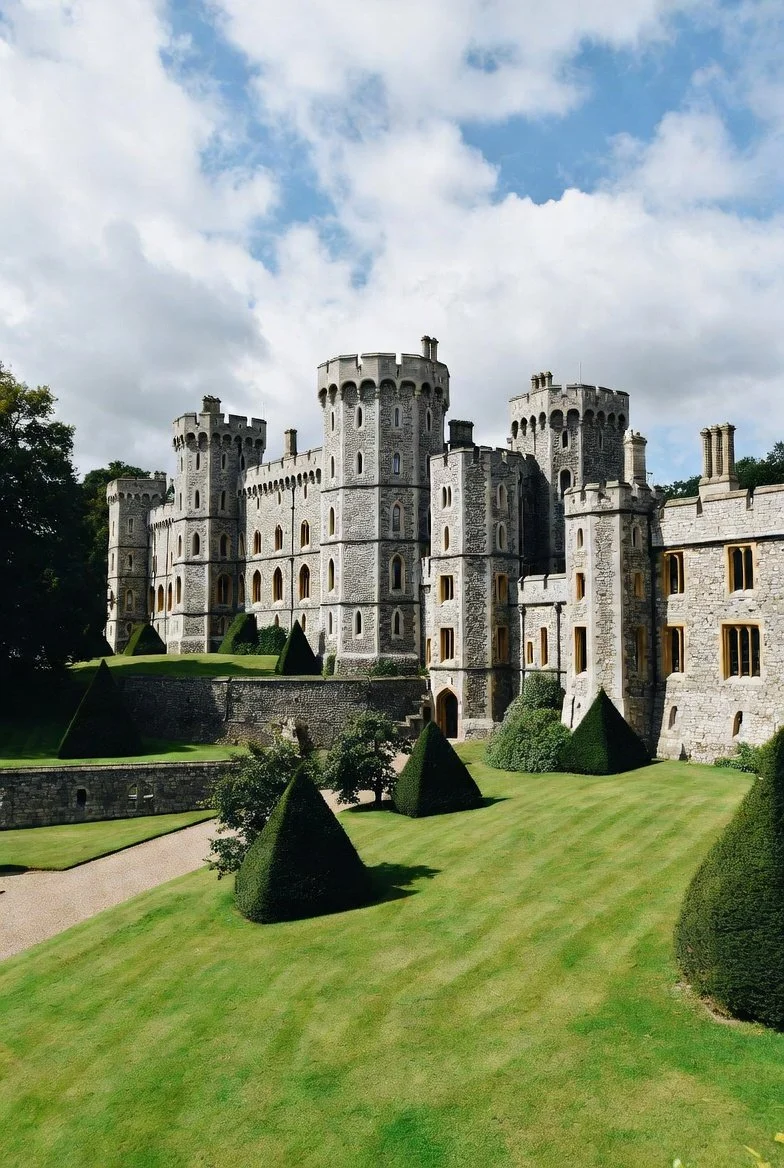
Medieval Castle Expansions: Blending Additions Through Mortar Wash Techniques
Medieval kings frequently expanded their castles to accommodate growing needs for defense, residence, and prestige, often integrating new sections with existing structures. Techniques like mortar washes, akin to what is now called German Smear, were employed in some European regions to unify the appearance of brick or stone facades. This method helped maintain architectural coherence while addressing practical concerns such as weather resistance.

Lifetime Paint Warranties on Brick Versus the Durability of German Smear
Lifetime warranties on paint for brick surfaces promise coverage against specific defects but often require repeated applications due to environmental wear, contrasting with the integrated permanence of German Smear. Painting brick creates a film that limits future options, committing to ongoing repaints rather than allowing transitions to breathable finishes like limewash or German Smear. This distinction underscores key differences in material compatibility and long-term masonry behavior.
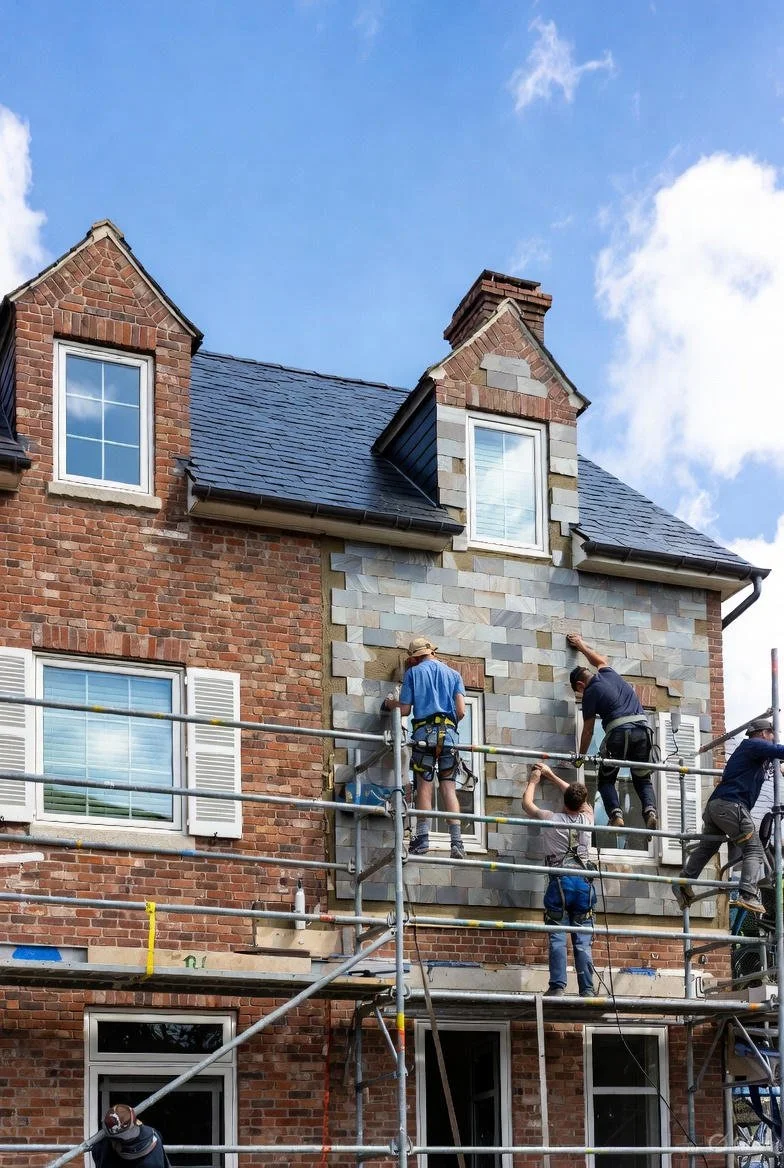
Materials for Covering Brick Exteriors: Durability, Moisture Effects, and Breathable Alternatives
Covering brick exteriors with materials like siding or stucco is a common practice for aesthetic updates or perceived protection, but it often overlooks brick's natural porosity and need for vapor permeability. This can lead to trapped moisture, accelerating deterioration through processes like spalling or efflorescence. Exploring these materials alongside their impacts and timelines reveals why breathable alternatives, rooted in historical traditions, better preserve brick's architectural value.

DIY German Smear: Essential Nuances and Challenges
German Smear, a traditional mortar-based finishing technique, offers an accessible way for homeowners to transform brick surfaces into a rustic, aged appearance reminiscent of European architecture. While anyone can undertake this project with basic tools and materials, it demands careful attention to detail, physical effort, and safety precautions to achieve desirable results. Understanding the nuances ensures the final outcome enhances the home's aesthetic without compromising structural integrity.
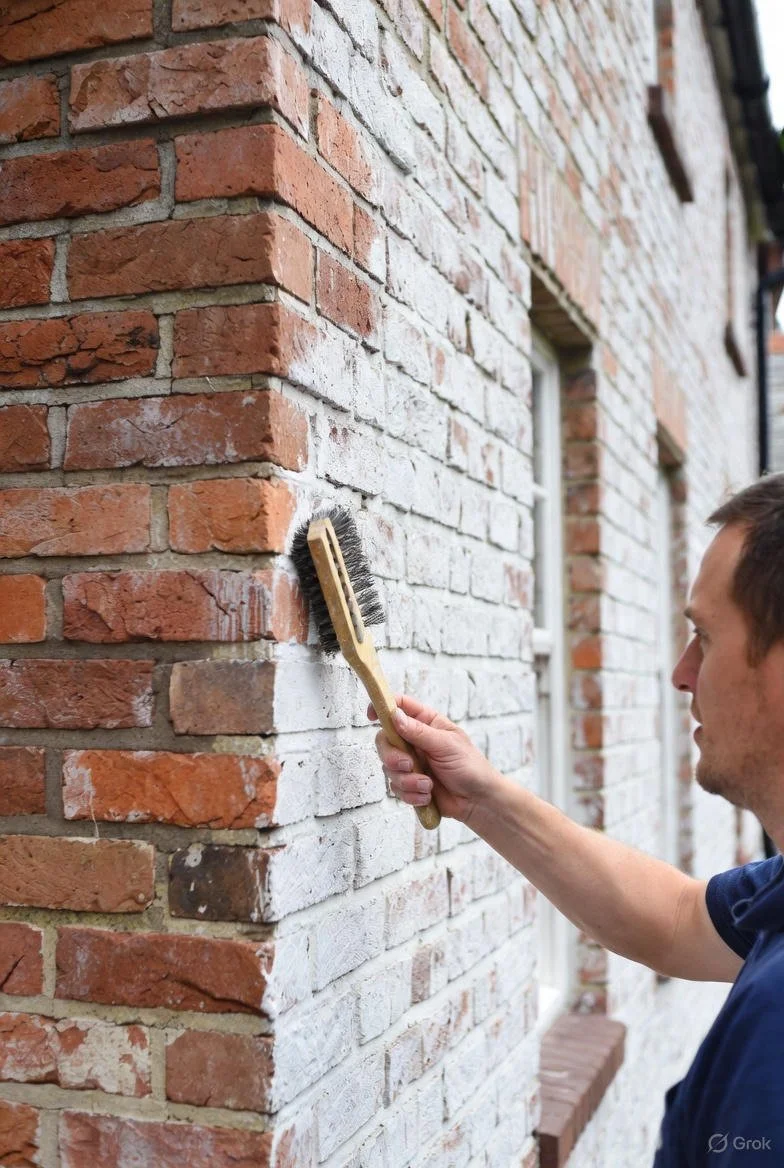
Removing Coatings from Brick Masonry: Paint, German Smear, and Limewash
Removing paint, German Smear (mortar wash), and limewash from brick requires careful methods to preserve the underlying masonry. These coatings differ in composition and adhesion, influencing removal difficulty and risks. Gentle approaches prioritize vapor permeability and avoid damage to porous brick, which can lead to moisture entrapment or surface erosion.
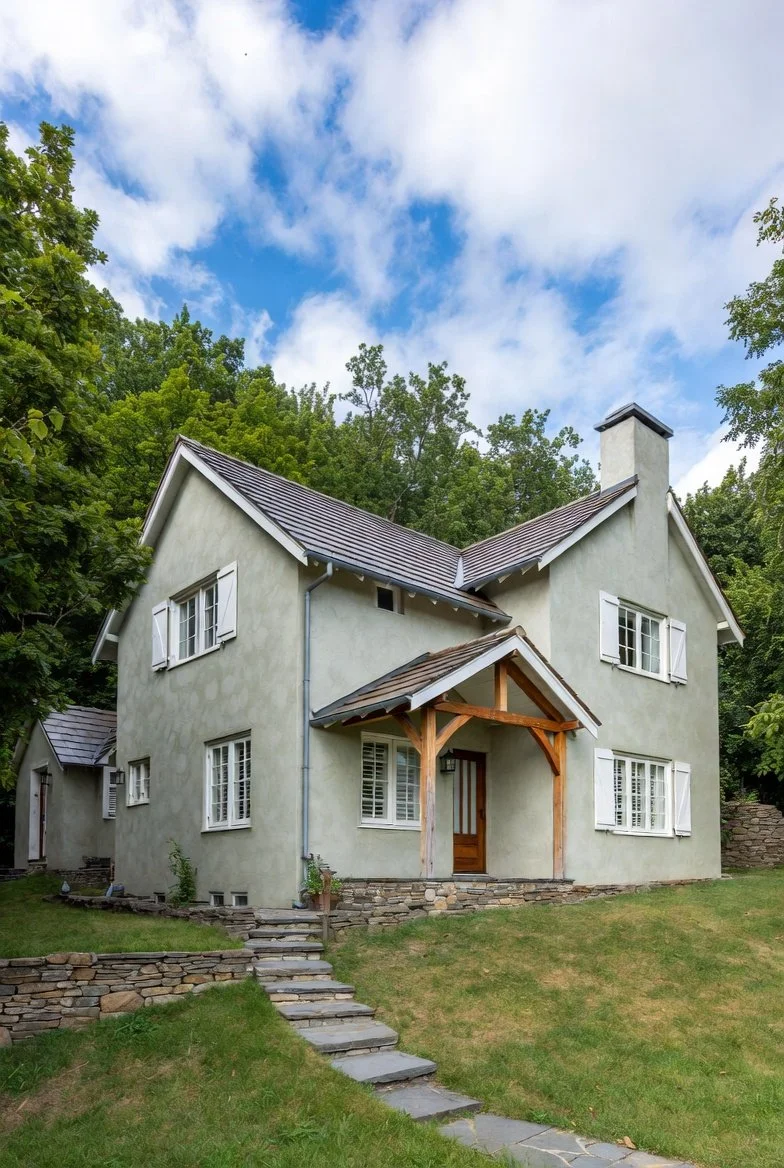
Understanding Limewash: Its Temporary Nature and Longevity Compared to German Smear
Limewash, a traditional architectural finish derived from slaked lime, is valued for its breathability and historical authenticity but is inherently prone to erosion and requires periodic reapplication. This characteristic stems from its chemical composition and application method, which prioritize vapor permeability over permanence. When compared to more durable techniques like German Smear, limewash highlights the trade-offs in historical brick treatments between ease of maintenance and long-term stability.
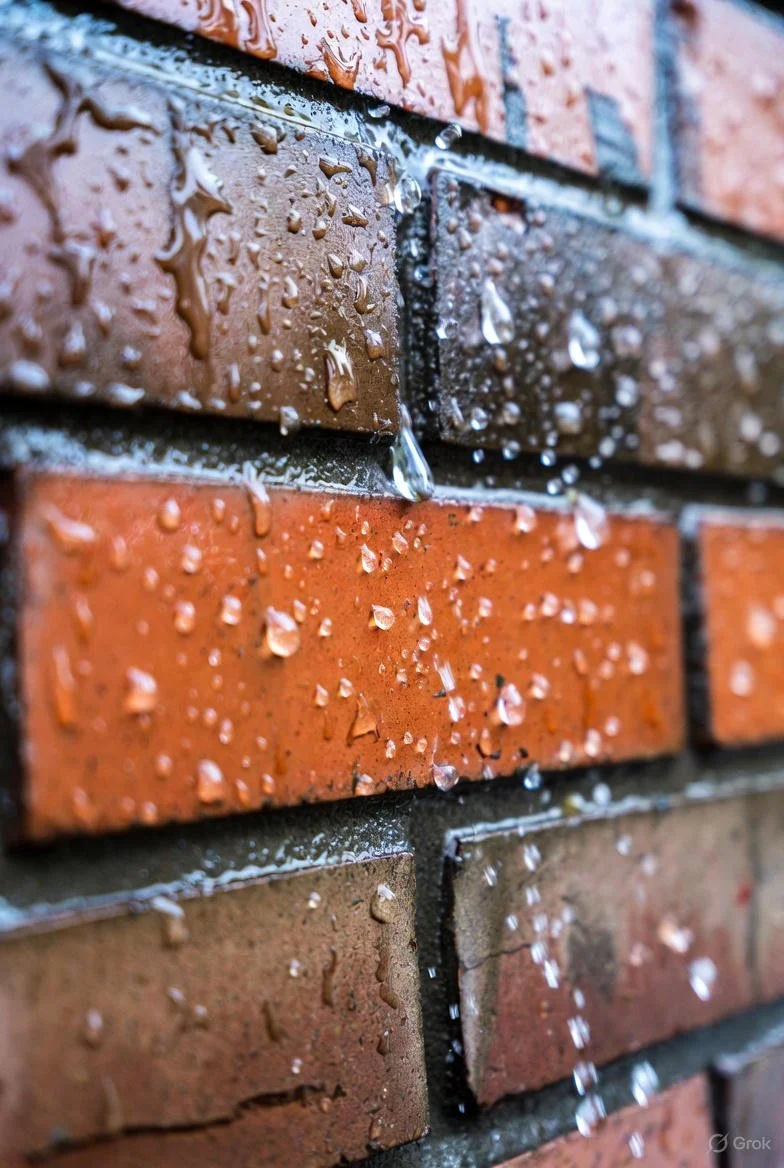
Brick Water Absorption Variability and Its Impact on German Smear Application
Bricks exhibit varying levels of water absorption due to differences in porosity, manufacturing processes, and material composition, which directly influence masonry applications. High-absorption bricks can complicate German Smear by rapidly drawing moisture from the mortar, leading to faster drying and reduced workability. Managing this through pre-wetting facilitates smoother application, while post-application breathable waterproofing treatments enhance long-term durability against environmental moisture.
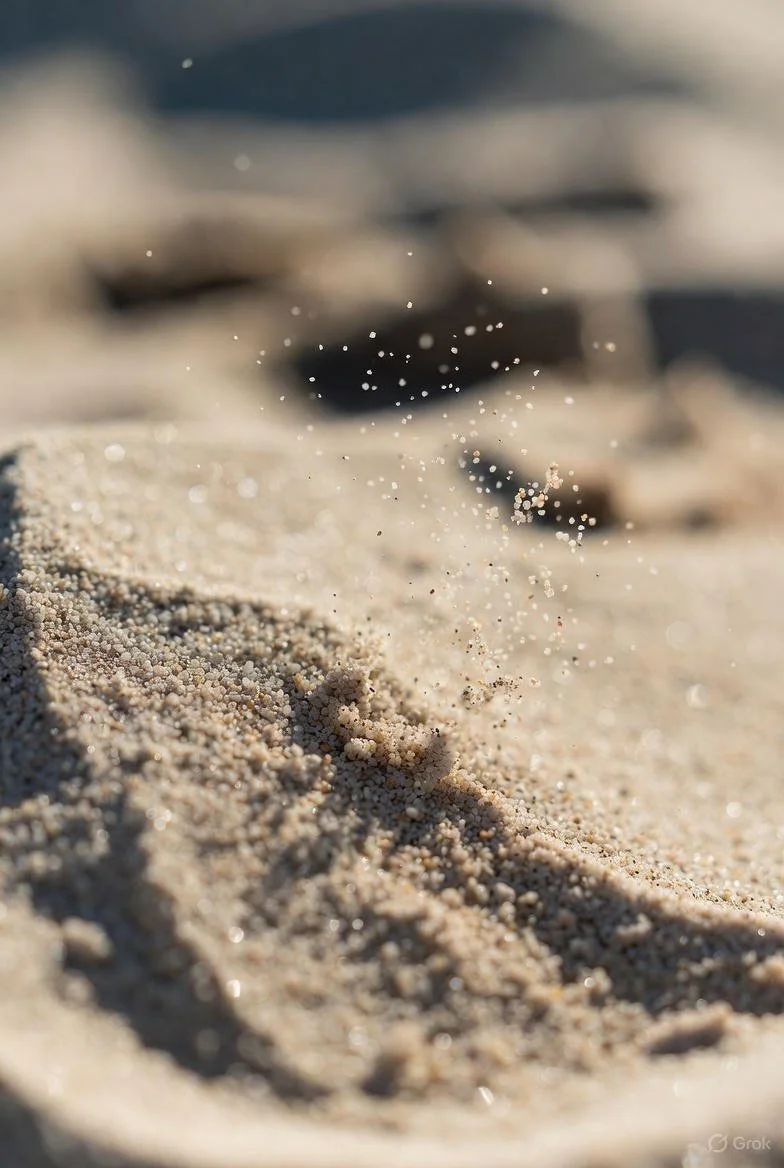
The Role of Particle Size in German Smear Mortar: Why Extremes Are Not Ideal
Particle size in the sand used for German Smear mortar significantly influences the application's workability, durability, and aesthetic outcome. Super fine particles can lead to excessive shrinkage and reduced breathability, while large grains may cause uneven adhesion and a gritty texture. Understanding these factors helps in appreciating the balance required for this traditional brick treatment method.
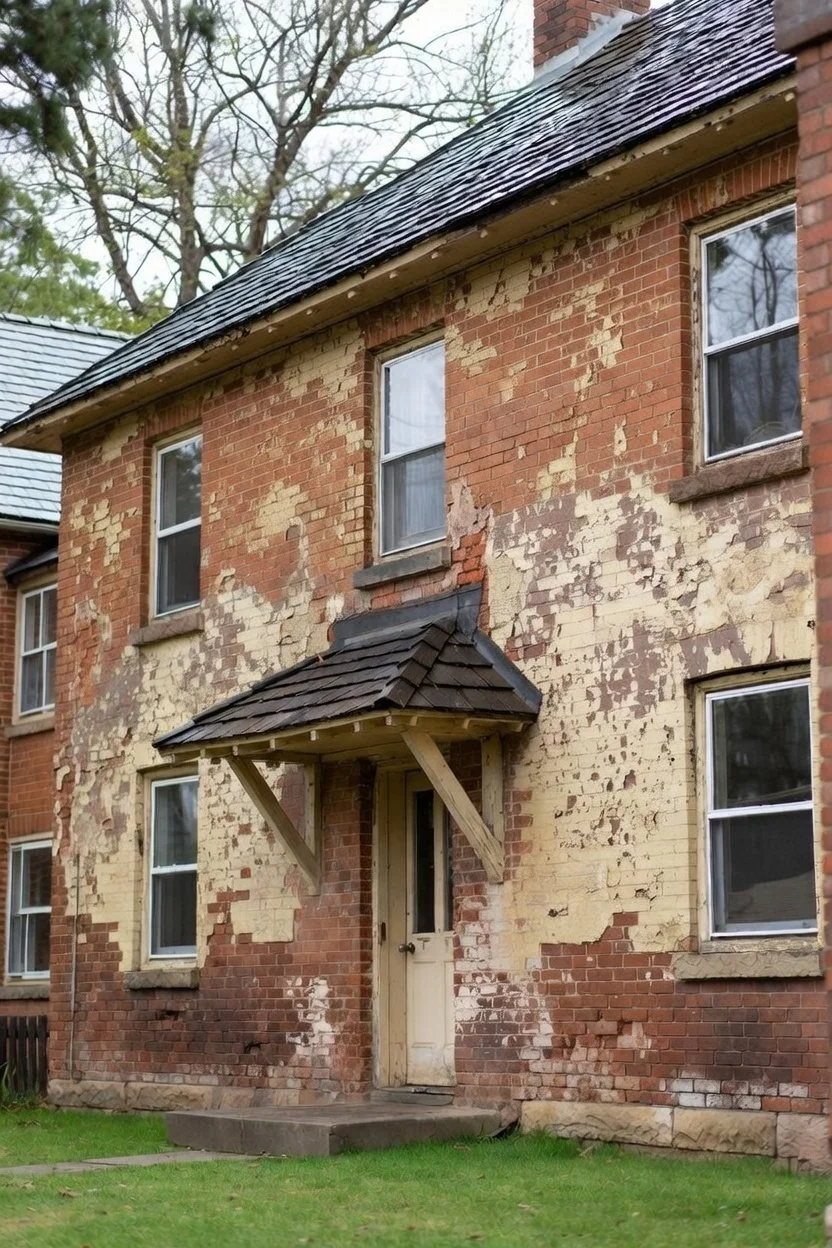
The Destructive Impact of Paint on Brick Masonry
Paint applied to brick creates a non-breathable barrier that traps moisture within the porous material, leading to accelerated deterioration through freeze-thaw cycles and other moisture-related issues. This practice, common in mid-20th-century renovations, often results in spalling, efflorescence, and long-term structural damage, particularly in older or historic brick buildings. Understanding these mechanisms highlights why traditional breathable treatments have endured in European architectural traditions.
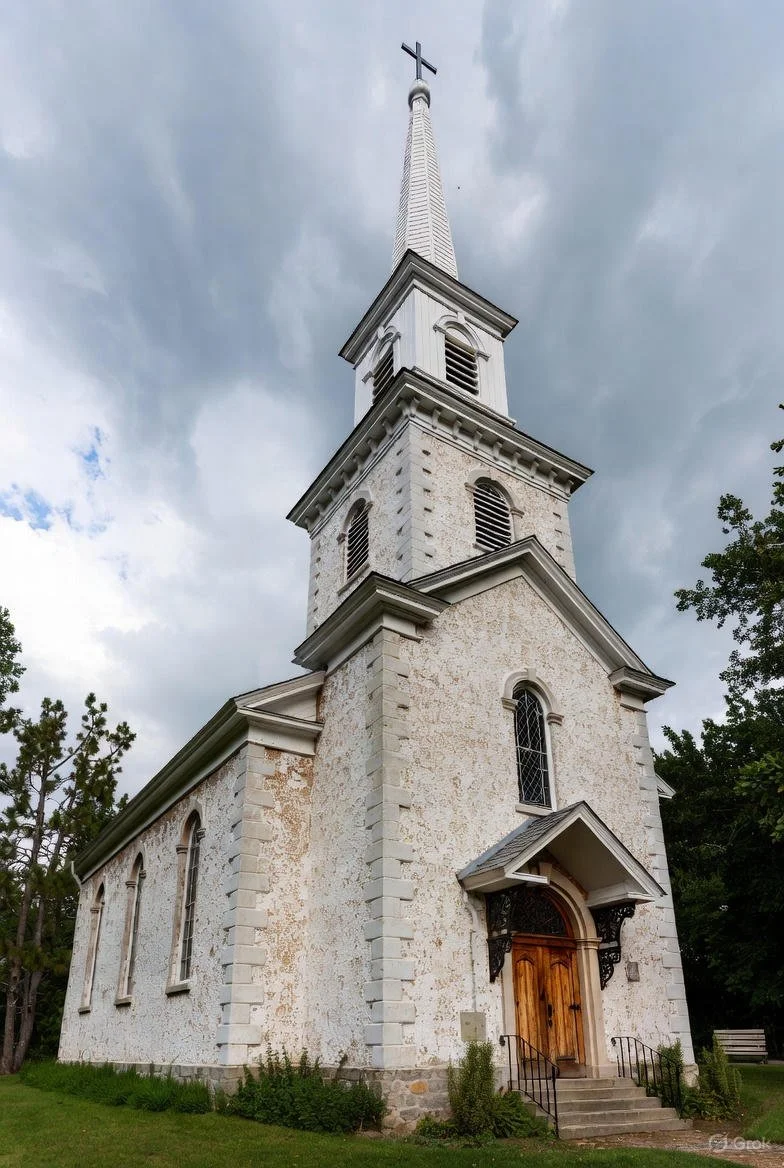
German Smear in the Restoration of Historic Masonry Buildings
German Smear, a traditional mortar wash technique with roots in European masonry practices, involves applying a lime-based slurry to brick surfaces for protection against weathering. Documented in northern European architecture, it provided a sacrificial layer that enhanced durability while allowing vapor permeability. In historic building restoration, its use with compatible lime mortars supports conservation by reinforcing aging brickwork without introducing rigid materials that could cause damage.
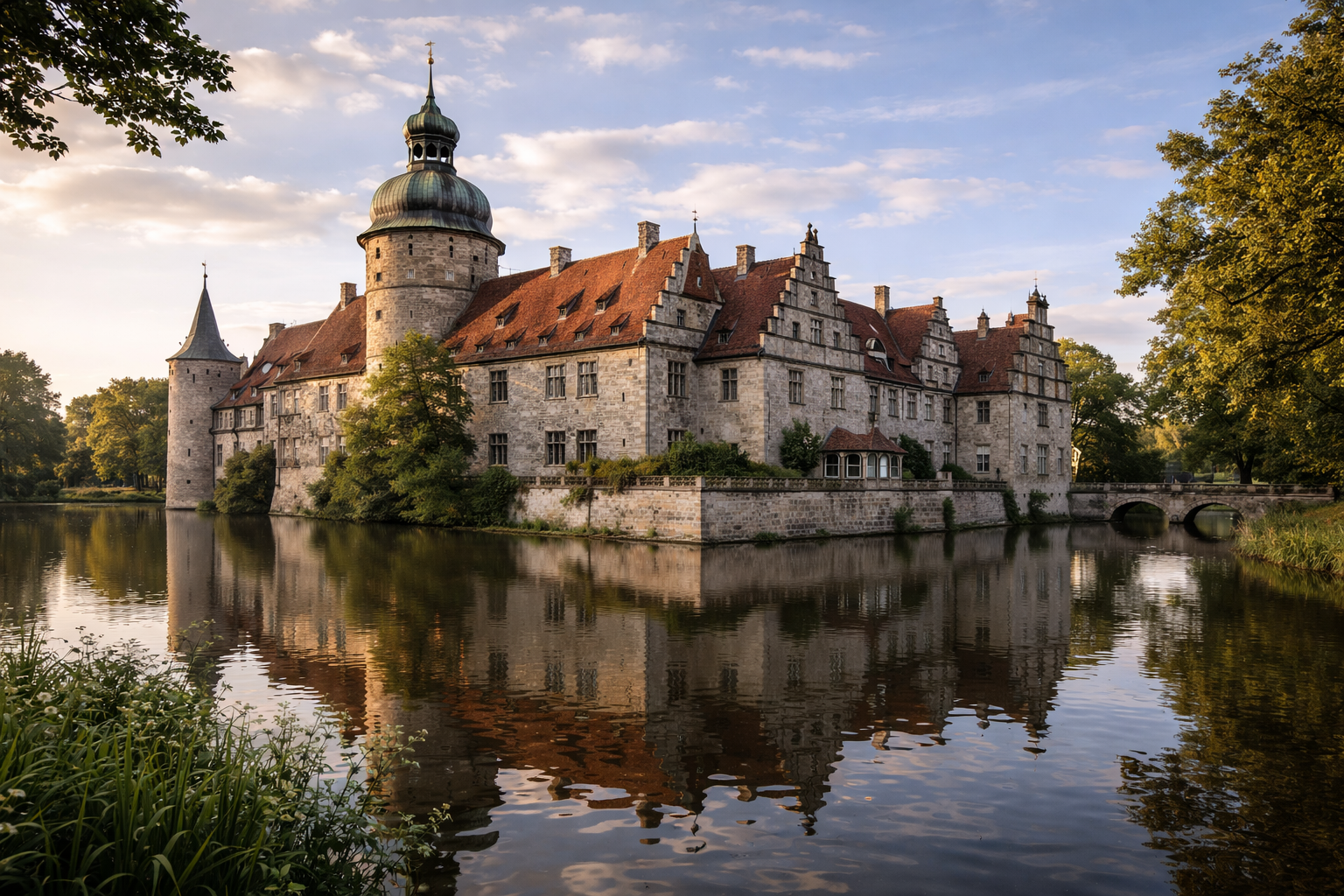
Schloss Burgsteinfurt and Kalkschlämme (German Smear) Traditional Masonry Protection
Schloss Burgsteinfurt (Burgsteinfurt Castle), the oldest moated castle in Westphalia first documented in 1129, represents enduring masonry architecture in northern Germany's temperate climate. Kalkschlämme (lime slurry), a traditional lime-based coating, aligns with regional conservation practices for protecting exposed facades. During renovations completed around 2013, a gray natural Kalkschlämme was applied to the facade after removing incompatible cement plaster, enhancing breathability and weather resistance.
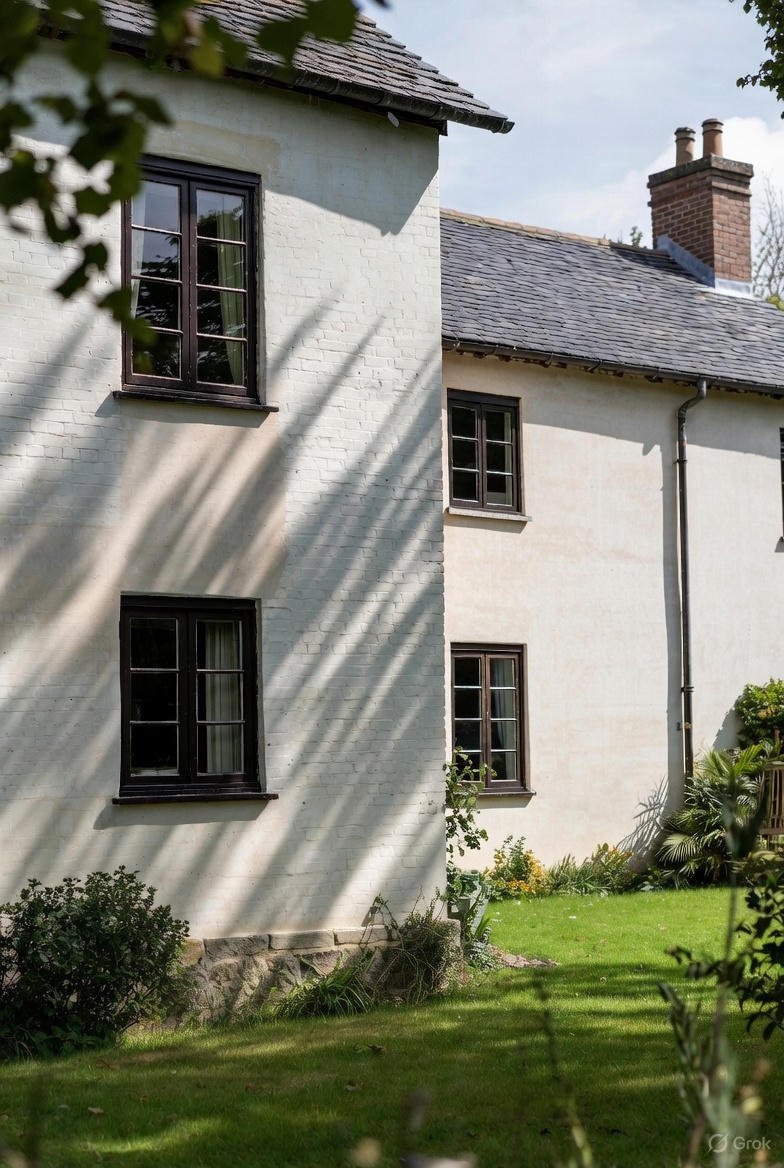
Why Is My Brick House So Hot?
Many homeowners with brick houses notice excessive indoor heat during warmer months, often due to the material's inherent properties. Brick's color and thermal mass play significant roles in absorbing and retaining solar energy, leading to higher temperatures inside. Understanding these factors, along with potential solutions like insulation and exterior coatings, can provide insights into managing heat in traditional brick structures.
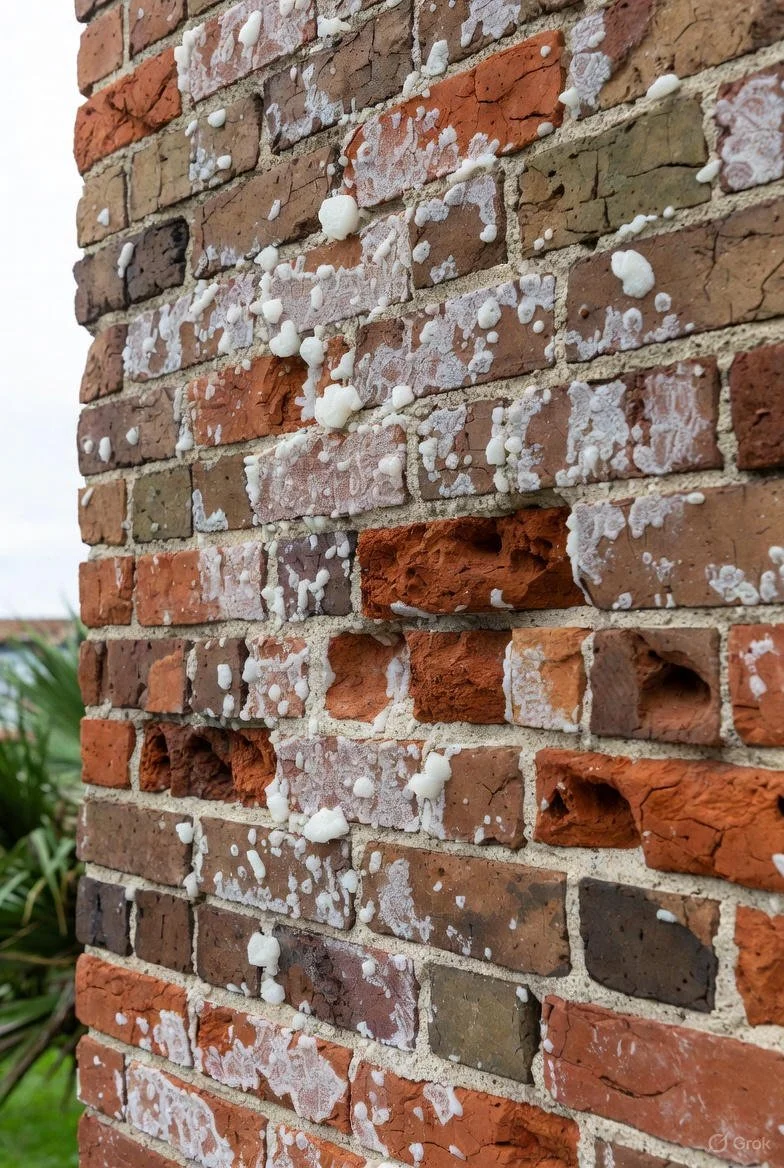
Why Does My Brick Have White Spots on It?
White spots on brick surfaces often indicate efflorescence, a common phenomenon in masonry where soluble salts crystallize on the exterior. This deposit forms through moisture migration and can signal underlying water issues that affect both the brick's integrity and any applied finishes. Understanding efflorescence is essential for preserving historical and modern brick structures, as it ties into fundamental building science principles like vapor permeability and material durability.
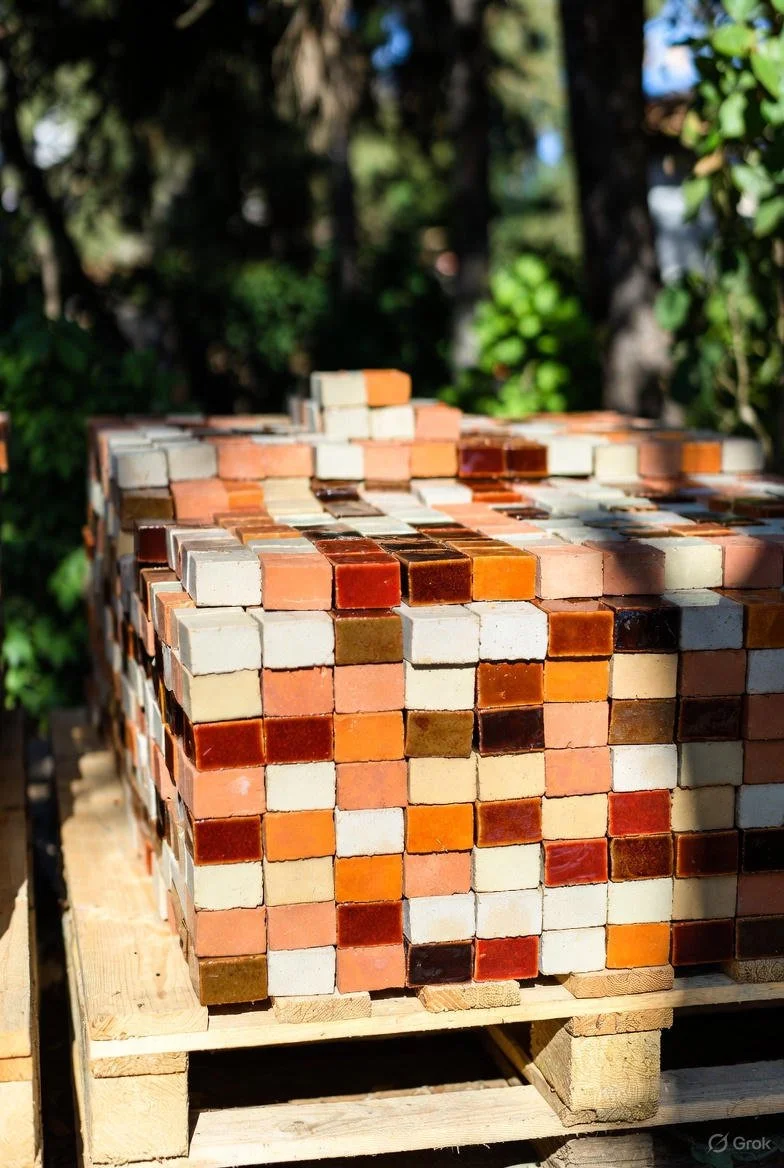
Glazed Bricks: Origins of the Glossy Appearance in Brick Construction
Certain bricks exhibit a glossy or shiny surface due to the application of a ceramic glaze or through vitrification during high-temperature firing. This glossy finish, most commonly seen in glazed bricks, serves primarily to create an impervious barrier against moisture, staining, and environmental damage. While offering enhanced durability and ease of maintenance, glazed bricks present challenges such as reduced vapor permeability and incompatibility with traditional surface treatments like German Smear or mortar wash.
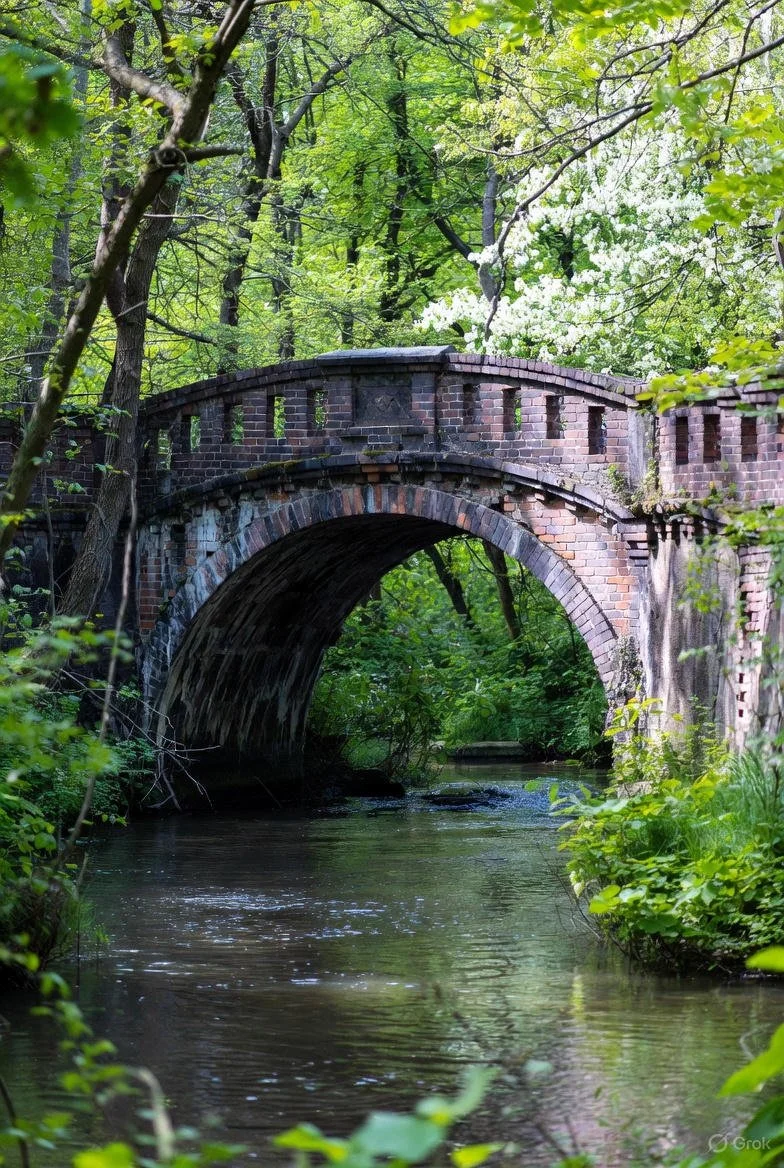
Aesthetic Transformations of Brick and Stone Bridges Using Traditional and Modern Finishes
Brick and stone bridges, as enduring elements of architectural heritage, can undergo aesthetic changes through finishes like German Smear, limewash, and paint, each rooted in historical masonry practices. These methods alter visual texture and color while interacting differently with the material's properties, such as porosity and weathering resistance. Understanding their applications draws from centuries-old European traditions adapted to exposed structures, emphasizing compatibility with building science principles.
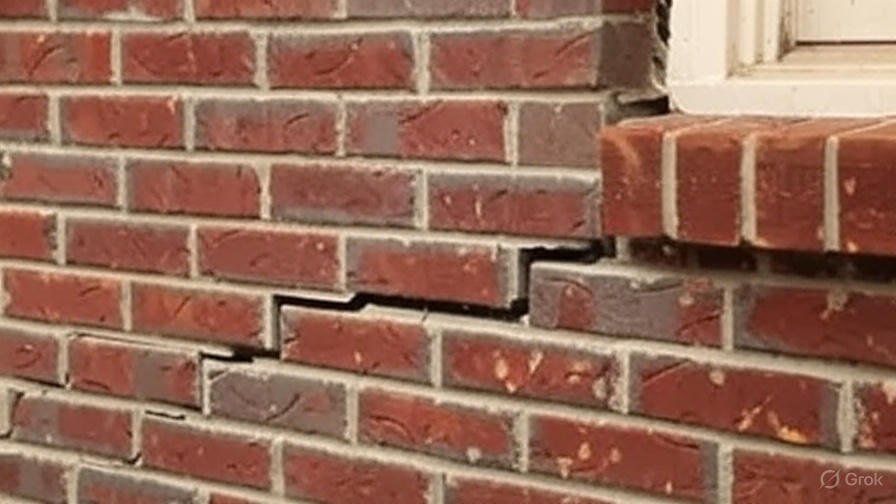
Winter Threats to Brick Homes: A Building-Science Perspective on Cold-Weather Damage
Brick masonry that appears perfectly sound in autumn can show dramatic deterioration by spring. The primary culprit is water that enters the wall, freezes, and expands with enough force to fracture brick faces, disintegrate mortar joints, and trigger structural cracking. These failures follow well-understood physical principles and affect both historic solid walls and modern cavity construction.
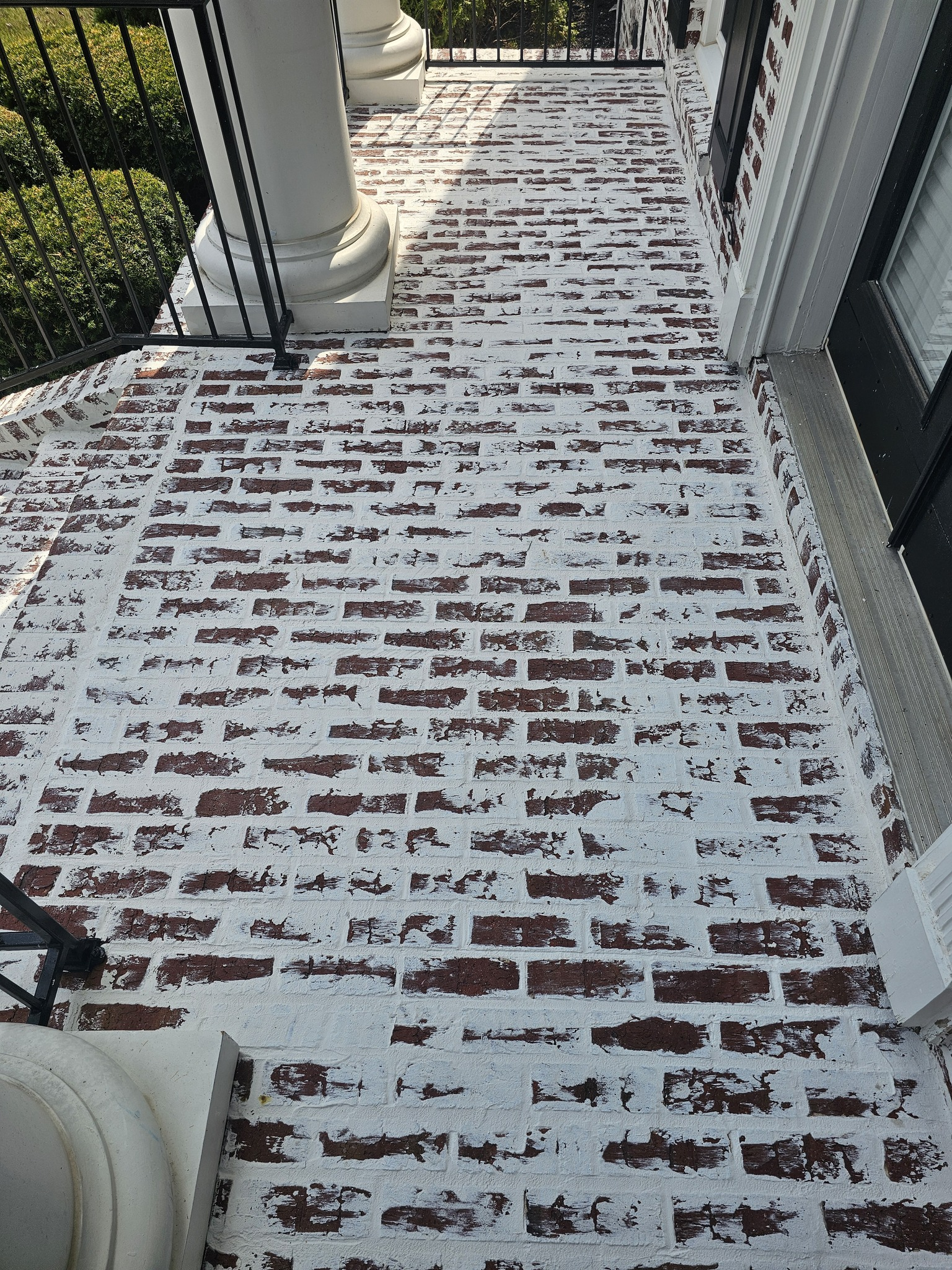
Transforming the Appearance of Brick Pavers: Aesthetic Enhancement Techniques That Preserve Durability
Beyond routine cleaning, brick pavers can be dramatically refreshed or completely re-imagined through historically proven surface treatments such as mortar wash, lime slurry coatings, and selective staining methods. When correctly formulated and applied, these techniques alter color and texture while maintaining the clay unit’s essential vapor permeability and freeze-thaw resistance. The result is a new aesthetic identity—from bright whitewashed Mediterranean courtyards to softly aged European village streets—without sacrificing the paver’s proven longevity.
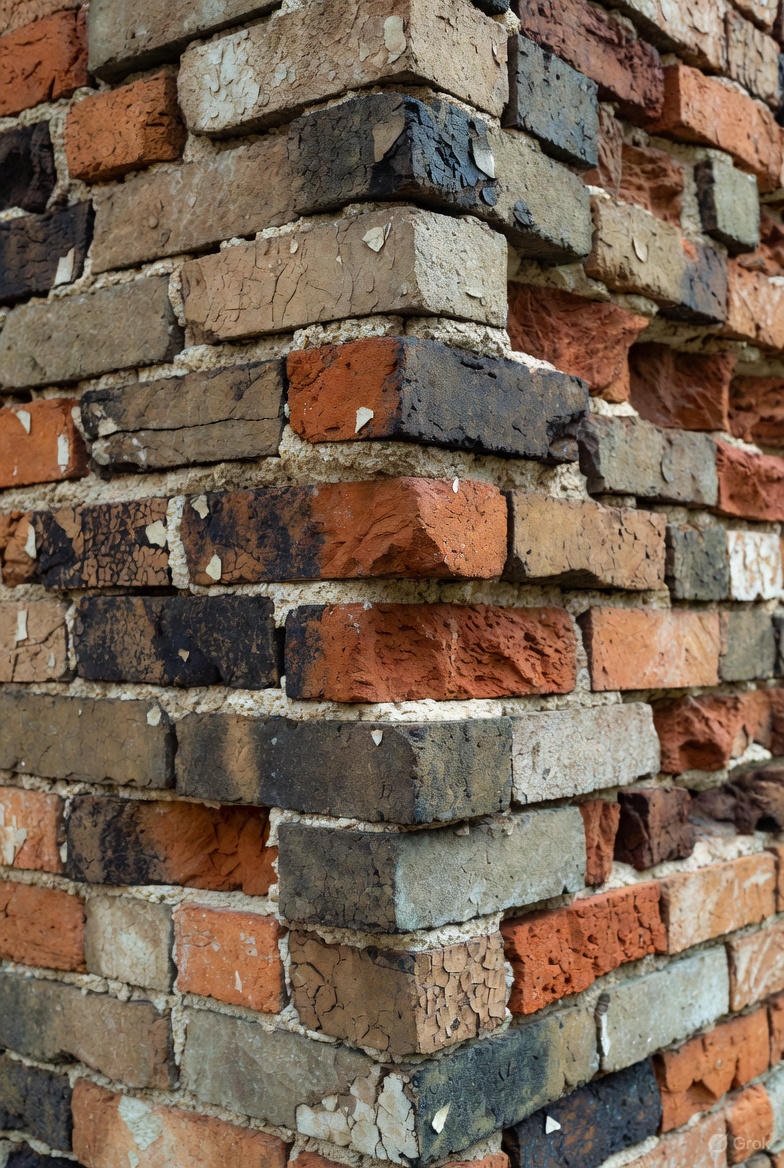
When Brick Traps Moisture: The Silent Killer Lurking in Your Walls
You spot a damp patch on the basement wall or white streaks bleeding down the facade—your brick is crying uncle. Trapped moisture doesn’t just stain; it shatters faces, dissolves mortar, breeds mold, and quietly inflates repair bills into five figures. In 2025, the Brick Industry Association and Angi’s masonry dataset tag moisture damage as the #1 failure mode for brick homes. Below, we map the destruction timeline, slap real price tags on each stage, and—crucially—expose how painting and limewashing can accelerate the nightmare if done wrong. Let’s arm you with facts so your brick breathes, not breaks.