

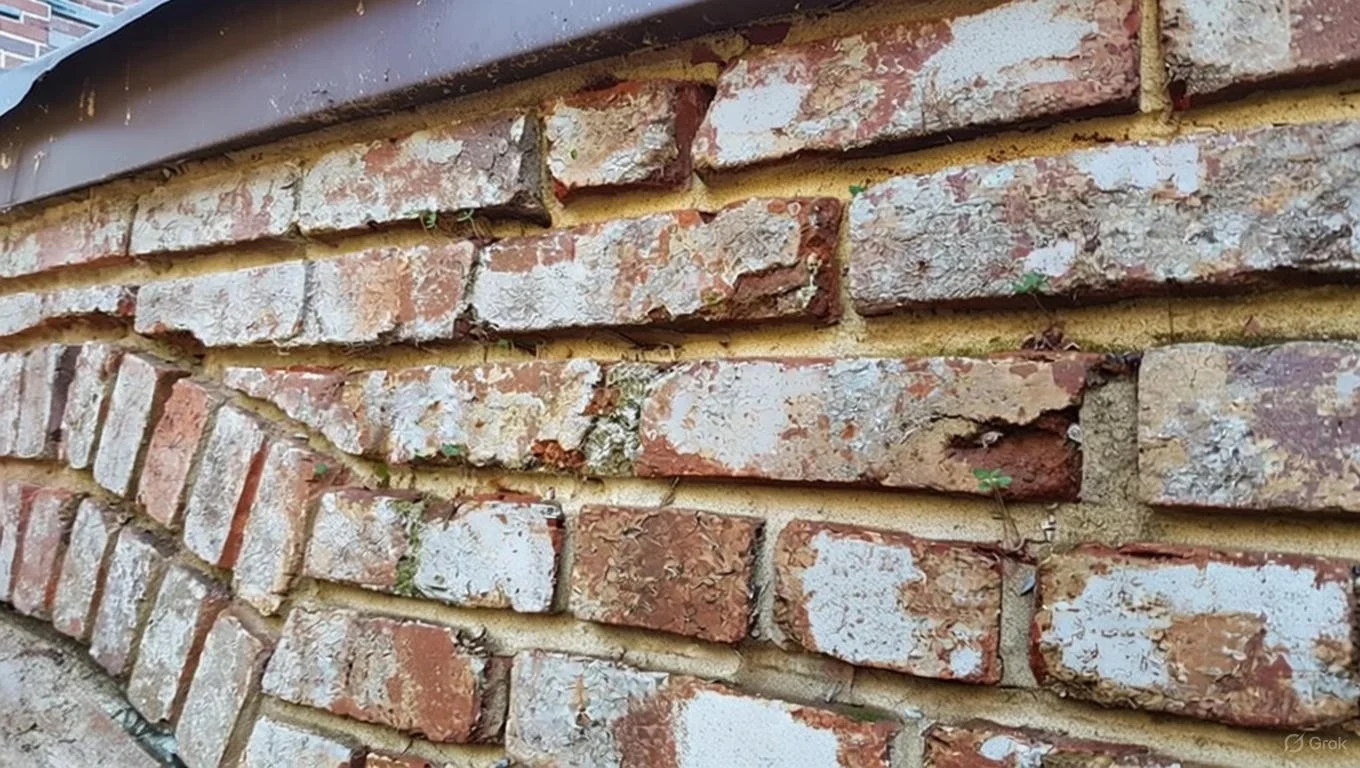
The Role of German Smear in Addressing Mortar Joint Erosion in Brick Houses
Mortar joint erosion in brick houses often results from prolonged exposure to environmental factors, leading to structural vulnerabilities over time. German Smear, a traditional mortar-wash technique, can help mitigate minor erosion by filling gaps and enhancing surface protection. This approach draws from historical European building methods, offering both aesthetic and functional benefits when applied correctly.
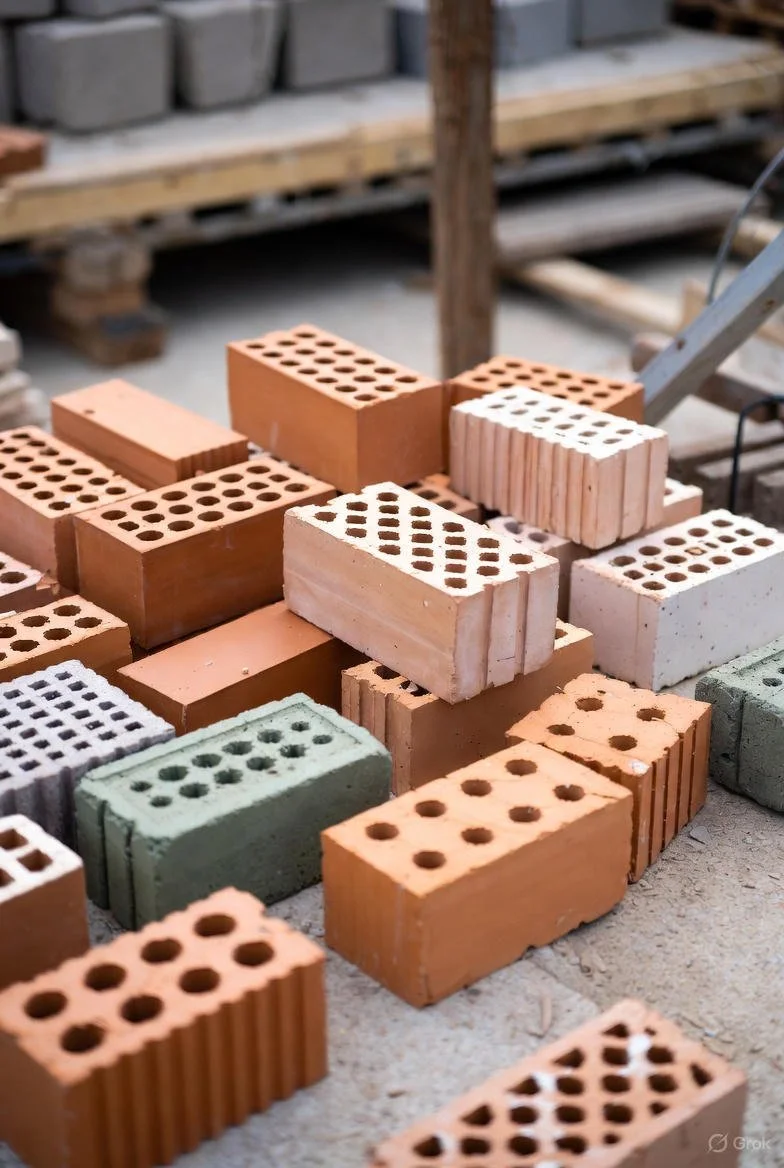
Characteristics of Fired Clay Bricks: Dark Marks and Perforations
Many fired clay bricks exhibit dark marks or spots on their surfaces, resulting from chemical changes during the kiln firing process. These features reflect the material composition of the clay and atmospheric conditions in the kiln. Similarly, perforations or indentations in bricks serve practical purposes rooted in manufacturing efficiency and structural performance, allowing for uniform firing and improved bonding in masonry construction.
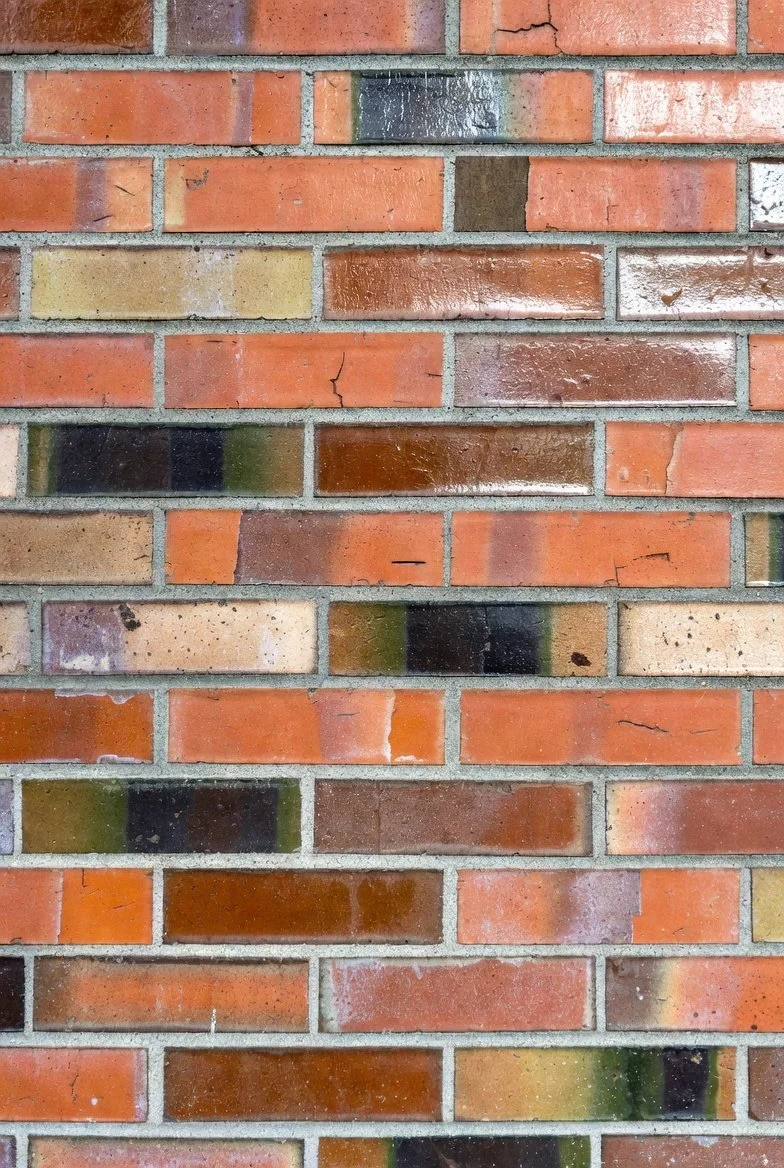
Glazed Bricks and German Smear
Glazed bricks feature a vitrified ceramic coating that enhances their durability and aesthetic appeal in architectural applications. This glassy surface provides significant benefits in terms of weather resistance and low maintenance, making them suitable for various building environments. However, their impermeable nature prevents effective application of traditional mortar-wash techniques like German Smear, which rely on porous substrates for adhesion.
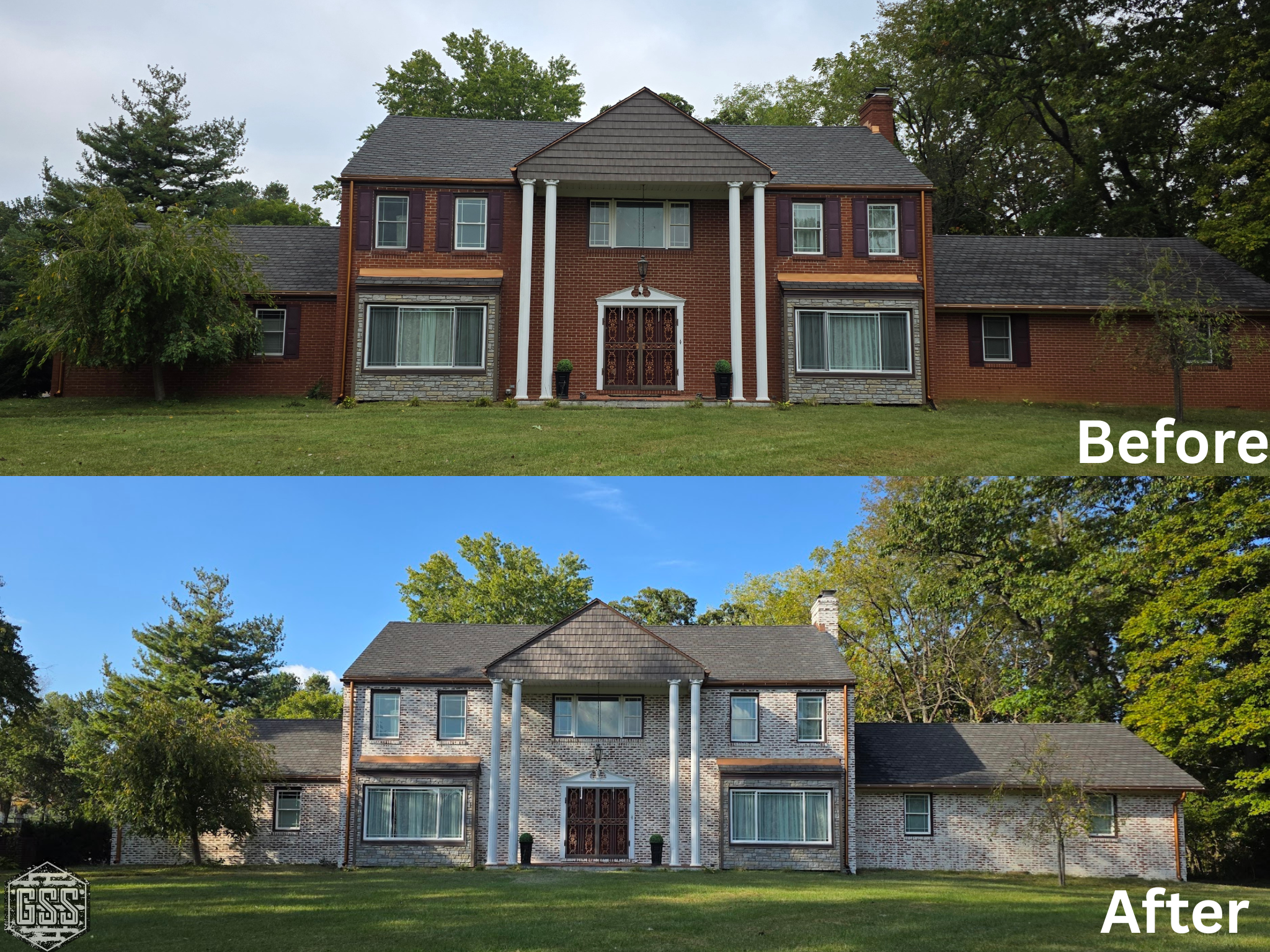
Blending Repaired Brick Sections with German Smear
German smear is a mortar-based finishing technique that can seamlessly integrate repaired or added brick sections into an existing home's facade by creating a uniform, distressed appearance. This method addresses visual discrepancies in color, texture, and age between original and replacement bricks, drawing from long-established European masonry practices. It offers an educational lens into how traditional building methods can resolve modern repair challenges while maintaining architectural cohesion.
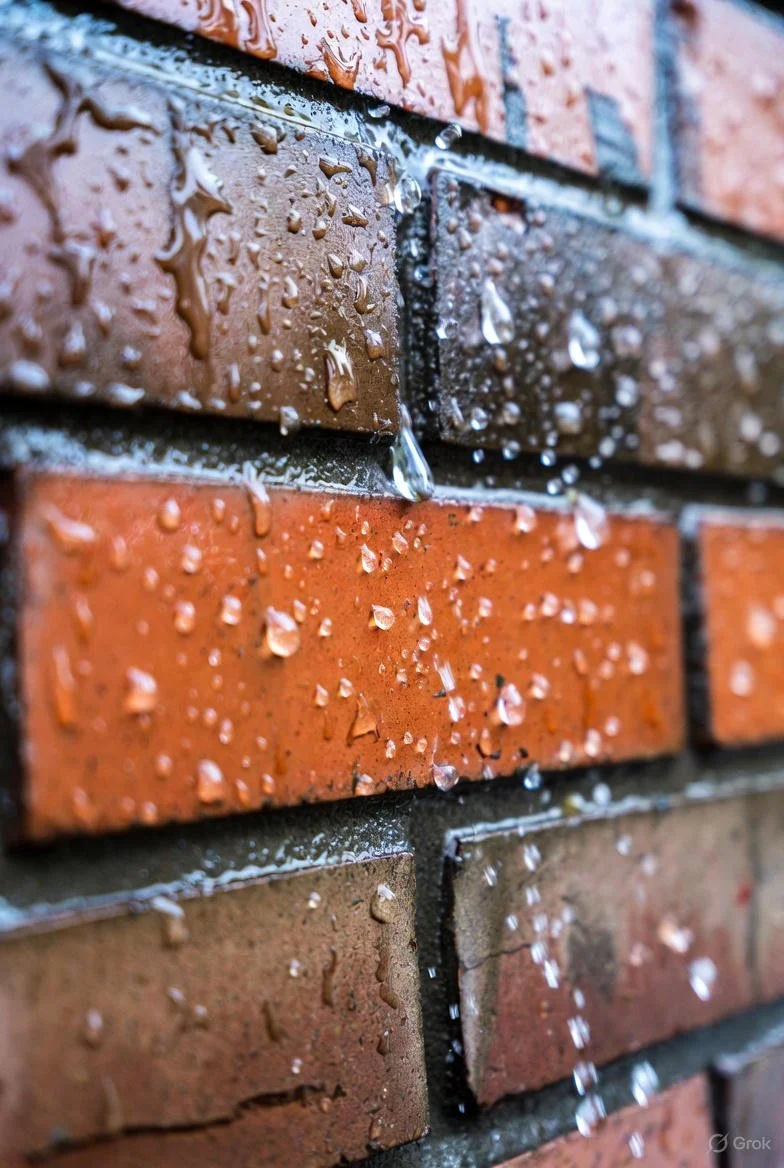
Brick Water Absorption Variability and Its Impact on German Smear Application
Bricks exhibit varying levels of water absorption due to differences in porosity, manufacturing processes, and material composition, which directly influence masonry applications. High-absorption bricks can complicate German Smear by rapidly drawing moisture from the mortar, leading to faster drying and reduced workability. Managing this through pre-wetting facilitates smoother application, while post-application breathable waterproofing treatments enhance long-term durability against environmental moisture.

German Smear in the Restoration of Historic Masonry Buildings
German Smear, a traditional mortar wash technique with roots in European masonry practices, involves applying a lime-based slurry to brick surfaces for protection against weathering. Documented in northern European architecture, it provided a sacrificial layer that enhanced durability while allowing vapor permeability. In historic building restoration, its use with compatible lime mortars supports conservation by reinforcing aging brickwork without introducing rigid materials that could cause damage.
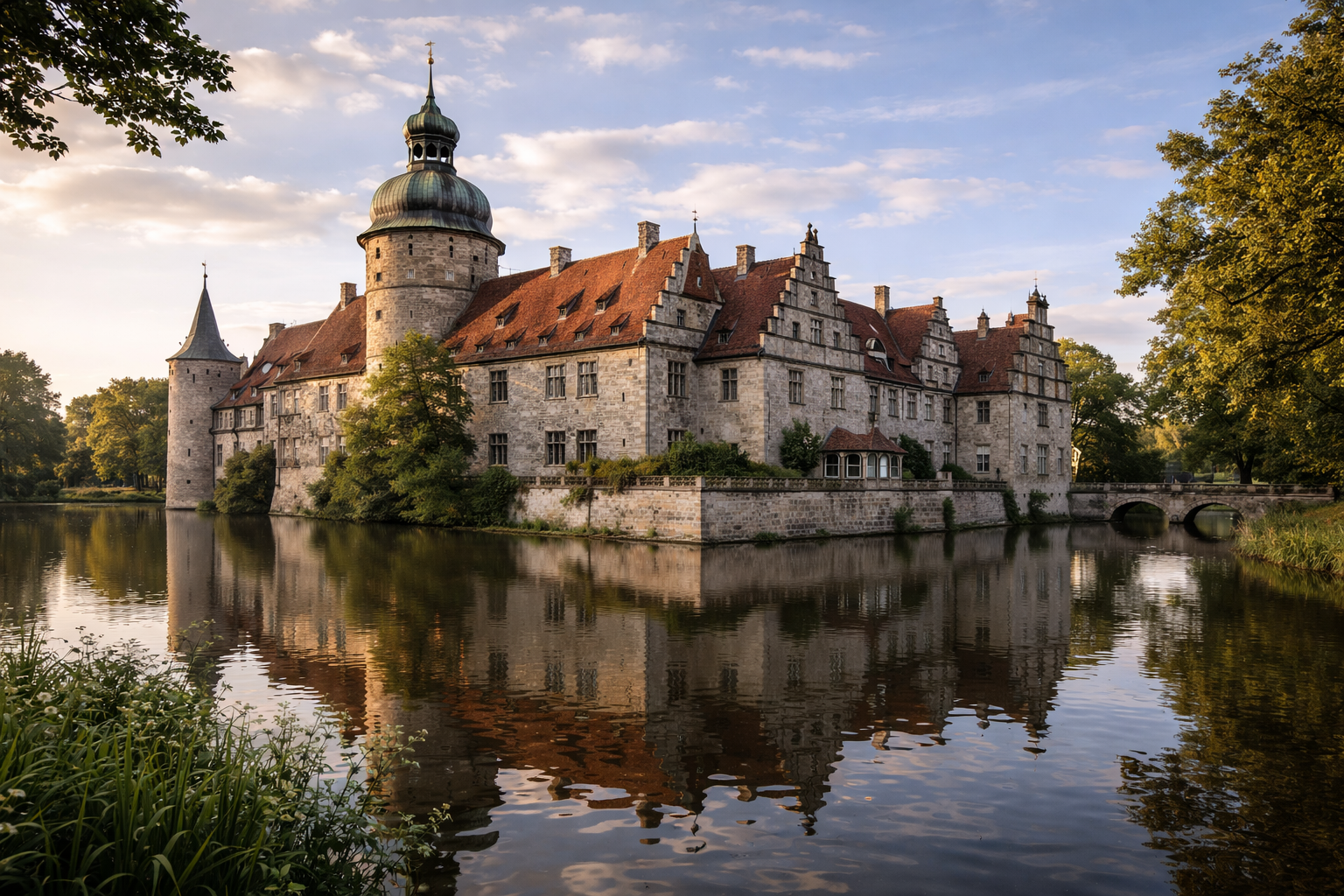
Schloss Burgsteinfurt and Kalkschlämme (German Smear) Traditional Masonry Protection
Schloss Burgsteinfurt (Burgsteinfurt Castle), the oldest moated castle in Westphalia first documented in 1129, represents enduring masonry architecture in northern Germany's temperate climate. Kalkschlämme (lime slurry), a traditional lime-based coating, aligns with regional conservation practices for protecting exposed facades. During renovations completed around 2013, a gray natural Kalkschlämme was applied to the facade after removing incompatible cement plaster, enhancing breathability and weather resistance.
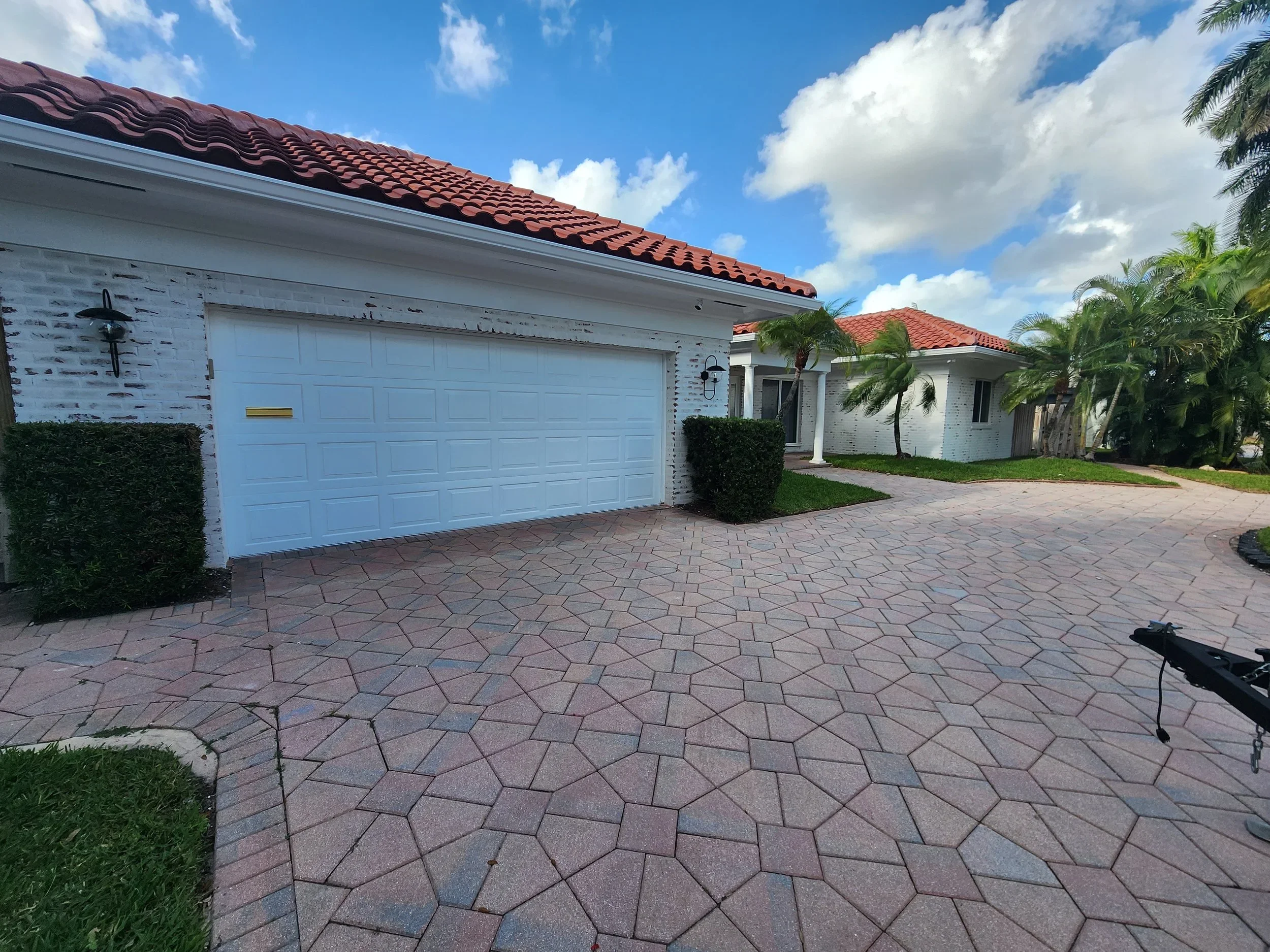
Aesthetic and Architectural Impacts of German Smear on Brick Exteriors
German smear, a historical mortar wash technique rooted in European building traditions, transforms brick surfaces by adding texture and a weathered appearance. This method enhances visual appeal by softening uniform brick lines and creating depth, potentially influencing buyer perceptions of curb appeal. Proper application is essential to achieve an intentional, artisanal look that holds up under close inspection.
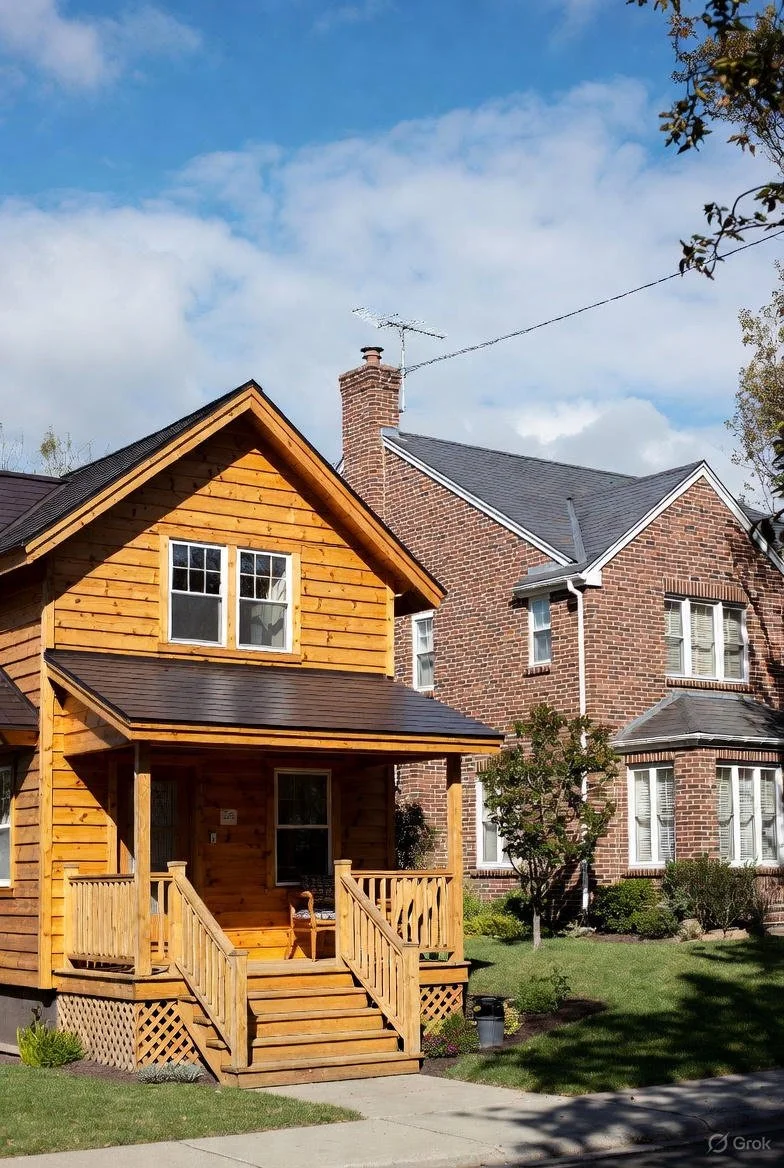
Prevalence of Brick Homes in the Southern United States
Brick homes are a common architectural feature in the southern United States, reflecting historical building practices, material availability, and environmental adaptations. This prevalence stems from practical considerations rather than aesthetic trends alone, offering insights into regional construction traditions.
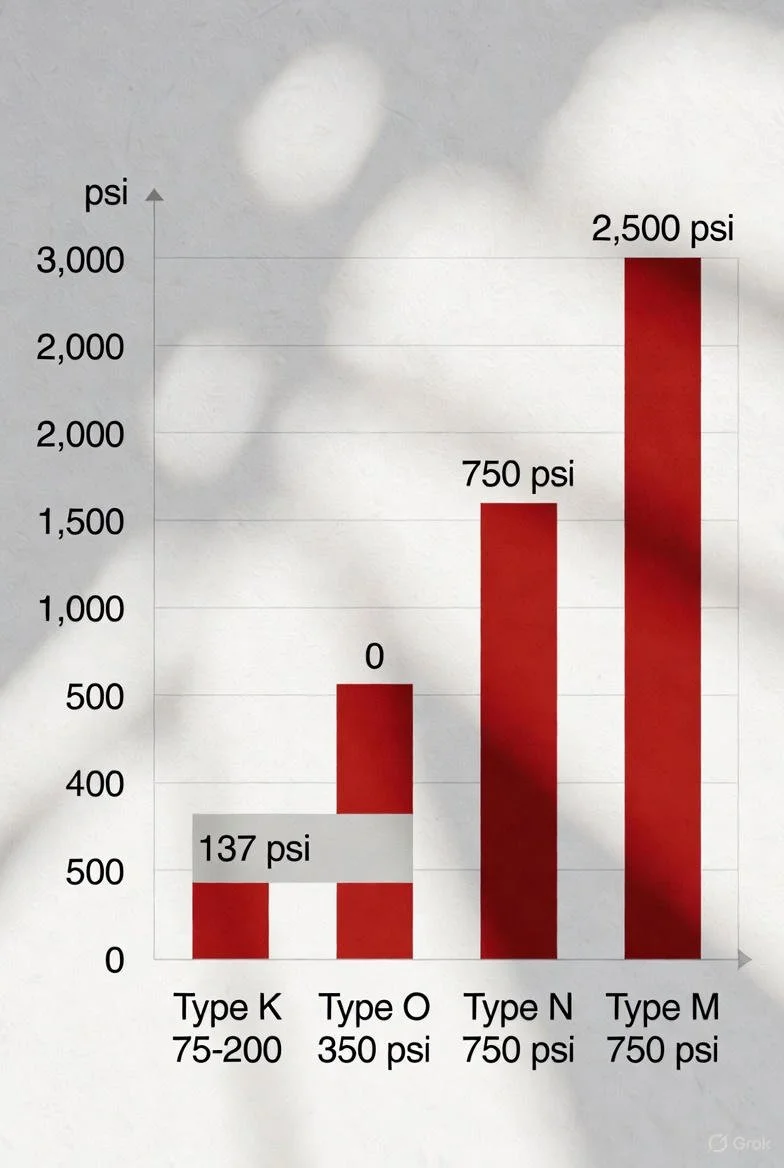
Mortar Strength Categories in Historical and Contemporary Masonry
Mortar strength profoundly influences how masonry walls manage movement, moisture, and long-term durability. Traditional European construction used extremely weak lime mortars, whereas modern practice favors much stronger Portland cement mixes. Selecting the correct strength is fundamental to successful restoration and compatible new construction.
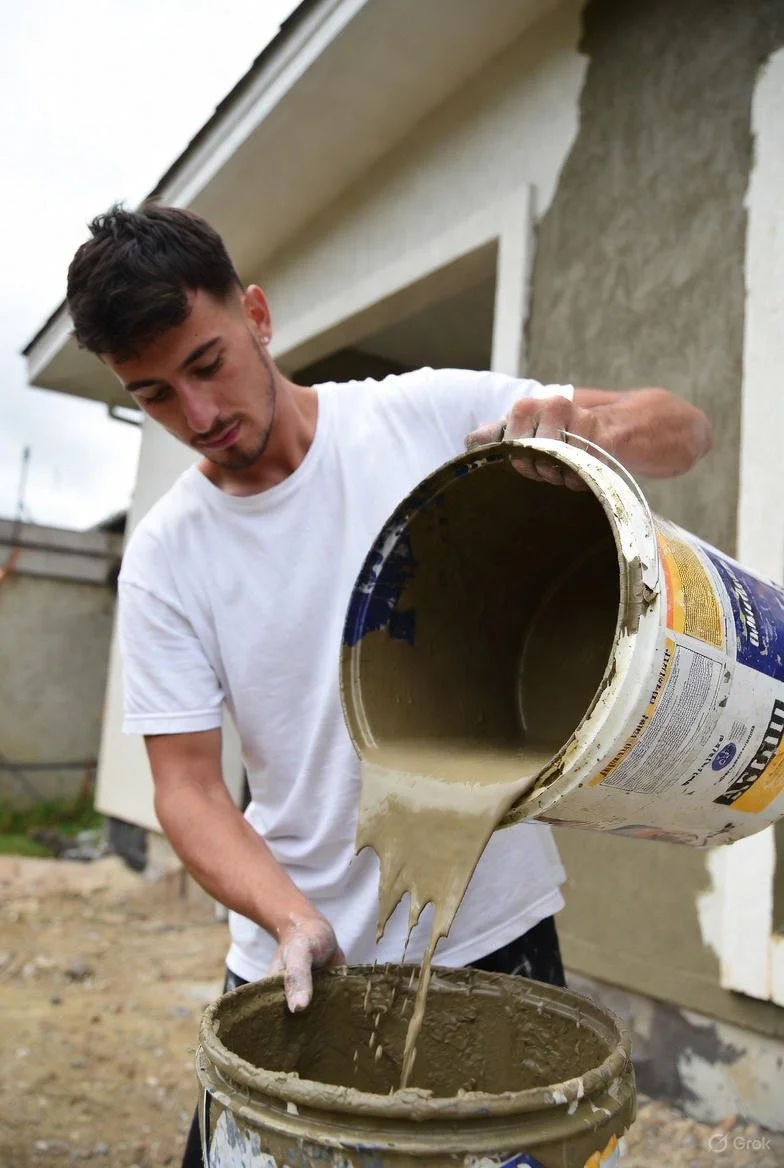
The Effects of Adding Paint to Mortar: Impact on Bonding, Setting, and Long-Term Performance
Adding latex or acrylic paint directly into wet mortar is a common DIY technique intended to tint German Smear or mortar wash applications. However, this practice significantly alters the mortar’s chemical hydration process, reduces bond strength, compromises vapor permeability, and increases the risk of long-term failure. Understanding the building-science consequences explains why traditional and conservation-grade methods deliberately avoid paint additives.
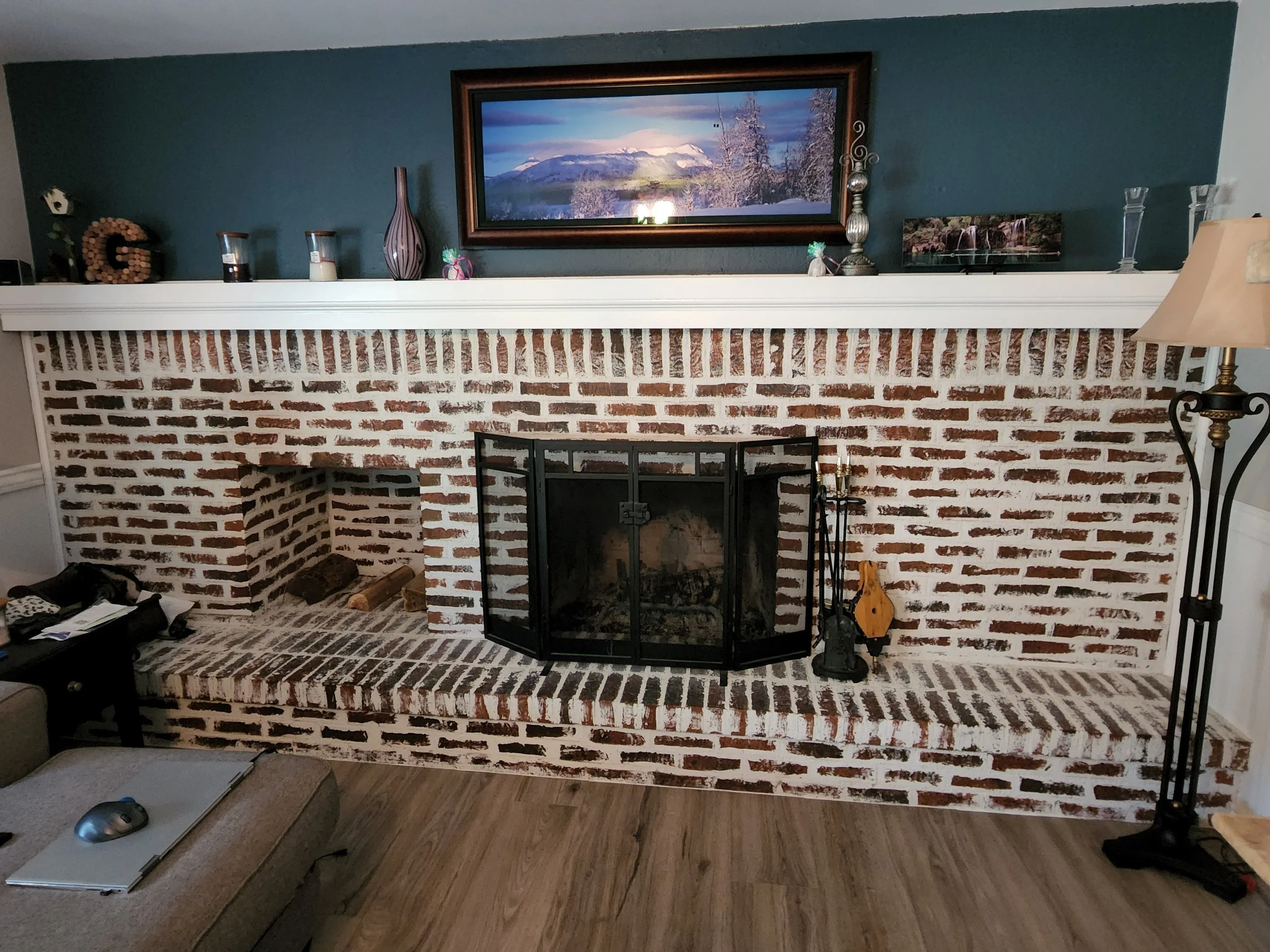
The Role of German Smear in Enhancing Interior Aesthetics
German smear, a traditional mortar-wash technique rooted in European masonry practices, brings textured warmth and subtle irregularity to interior brick surfaces. When applied inside the home, it softens the harsh redness of common brick while preserving its natural character, creating spaces that feel both historic and intentionally curated. This finish bridges rustic authenticity with contemporary minimalism, making it a versatile tool for interior aesthetic improvement.
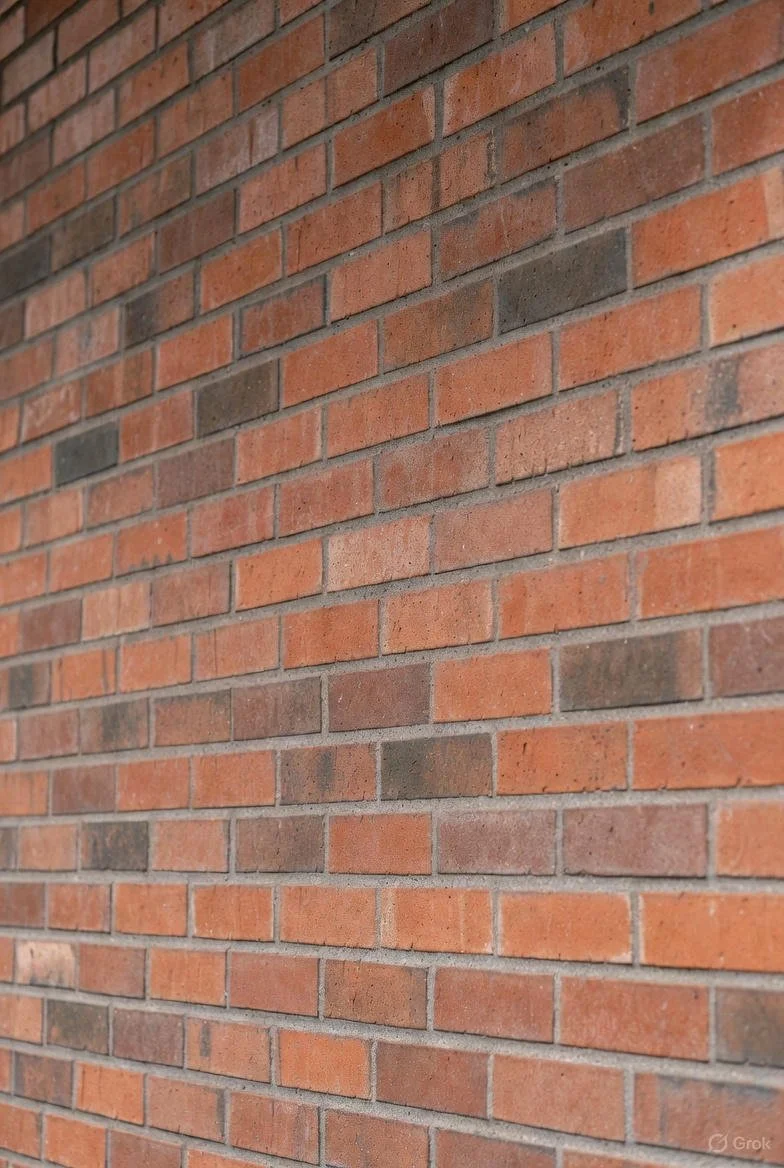
Maintaining Brick Houses: Historical Practices and Modern Building-Science Principles
Brick has been a dominant building material in Europe and North America for centuries due to its durability, fire resistance, and thermal mass. Proper maintenance extends the life of brick masonry from hundreds to thousands of years while preserving vapor permeability and preventing moisture-related damage. This post examines historically proven maintenance methods, explains the science behind common brick failures, and outlines practical, non-invasive care routines based on conservation standards.
Five Reasons you may need German Smear on your home
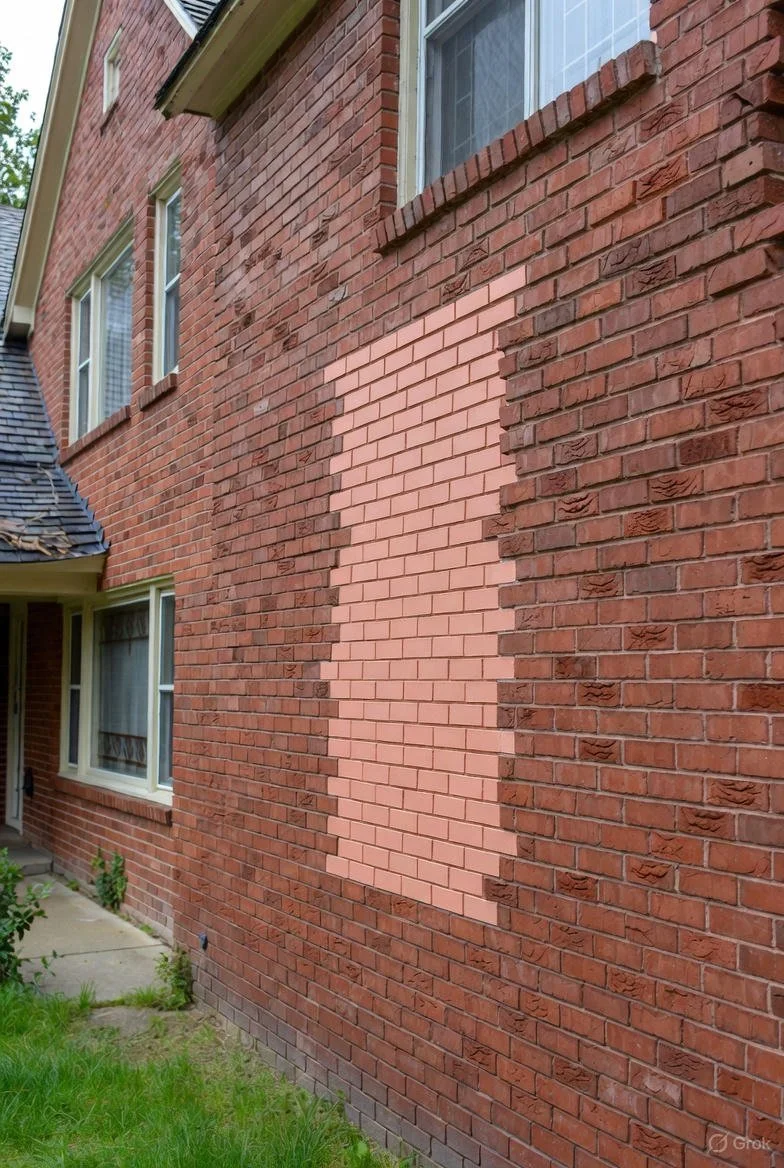
German Smear originated as a functional repair method in Central European masonry practice, used to consolidate deteriorating joints, stabilize mismatched repairs, and restore weather resistance to solid brick walls. The technique applies a thin, vapor-permeable lime-mortar veil that mechanically locks into the existing substrate. The following five conditions represent historically documented scenarios where masons employed the method specifically for integrity rather than appearance.
Why Siding Over Brick Might Not Be the Best Move for Your Home
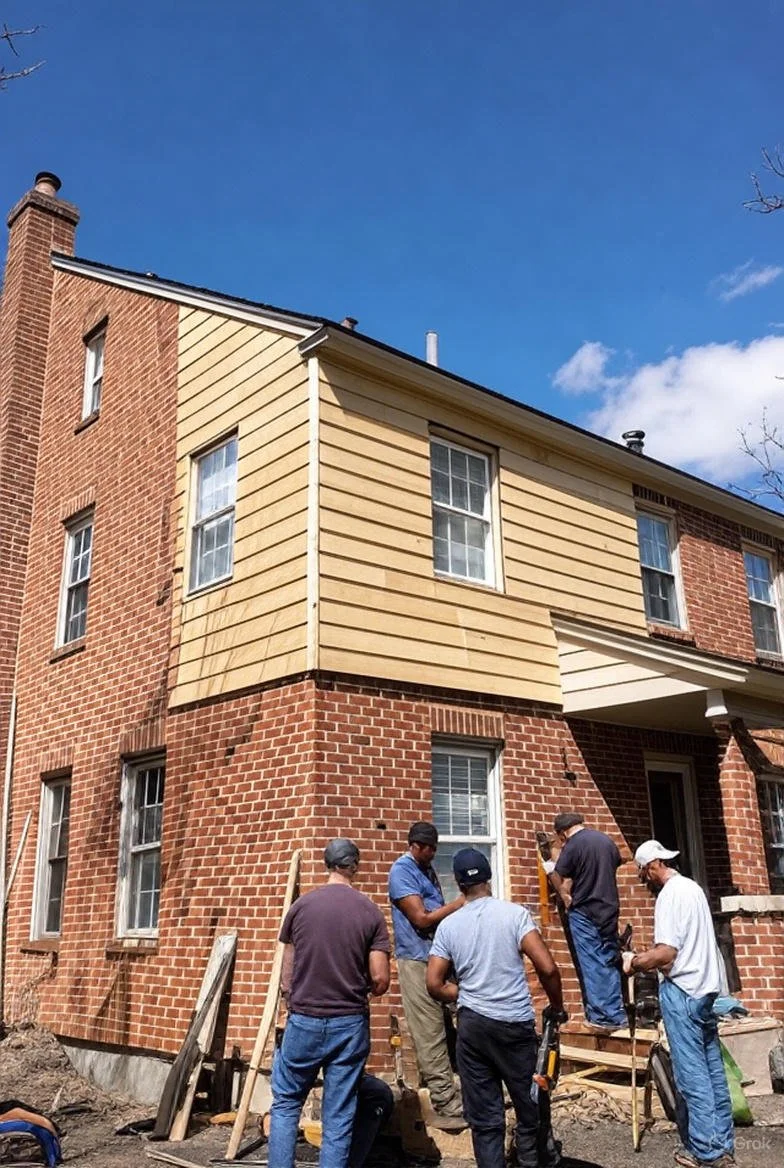
Hey there, homeowner—picture this: You've got a classic brick exterior that's stood the test of time, but you're eyeing siding as a quick refresh. It's tempting, right? A fresh look without the hassle. But before you commit, let's chat about the downsides. As experts at German Smear Specialist, we've seen plenty of folks regret covering up beautiful brick, especially when smarter options like professional German Smear can enhance what you already have. In this post, we'll break down the real cons of siding over brick, backed by solid insights from home improvement pros. Spoiler: It often hides problems rather than solving them, and there are better ways to boost curb appeal and efficiency.

Unlocking the Hidden Perks of German Smear: Insulation for a Cozier, Quieter Home
Hey there, homeowner! As we settle into this crisp October 27, 2025, with energy prices still making waves in the news, what if a single upgrade could wrap your home in timeless charm while dialing down those utility bills and outside noise? Picture transforming your brick exterior into something that not only looks inviting but also works smarter for your comfort. German Smear, that professional masonry technique layering mortar for a textured, European-inspired finish, delivers just that. Here's the smart reason why: It goes beyond aesthetics to offer real insulation benefits, as verified by masonry experts who note how added mortar enhances thermal properties. In this post, we'll explore how this approach creates quieter, more efficient spaces, backed by reliable insights from home improvement sources.

German Smear: The Sustainable Choice for Eco-Conscious Homeowners
What if your next home upgrade could not only make your exterior look stunning but also align with your values for a greener planet? In a world where sustainability is more important than ever—especially with rising energy costs and environmental concerns—German Smear stands out as a smart, eco-friendly option. We've seen how this professional masonry technique transforms homes while minimizing environmental impact, using natural materials that enhance energy efficiency and reduce waste. Picture your brick facade getting a timeless makeover that cuts down on your carbon footprint. In this post, we'll explore why German Smear is the intelligent, planet-friendly alternative to traditional updates like painting, backed by expert insights and verified facts as of October 27, 2025.

Choosing the Right Finish for Your Brick: Limewash vs. German Smear
Ever stared at your home's brick exterior and thought, "This could use a refresh that boosts curb appeal without sacrificing functionality?" You're not alone—many homeowners are exploring timeless techniques to elevate their spaces. Enter limewash and German Smear, two popular options that give brick that charming, aged European vibe. But what's the real difference, and which one could save you on energy bills while making your home the envy of the neighborhood? As experts at German Smear Specialist, we've helped countless clients navigate these choices, and we're here to break it down for you in a way that's smart, straightforward, and tailored to your needs. By the end, you'll see why understanding these distinctions can lead to a more beautiful, efficient home.
Before It Was Called “German Smear”: The Forgotten History of Europe’s Original Masonry Finish
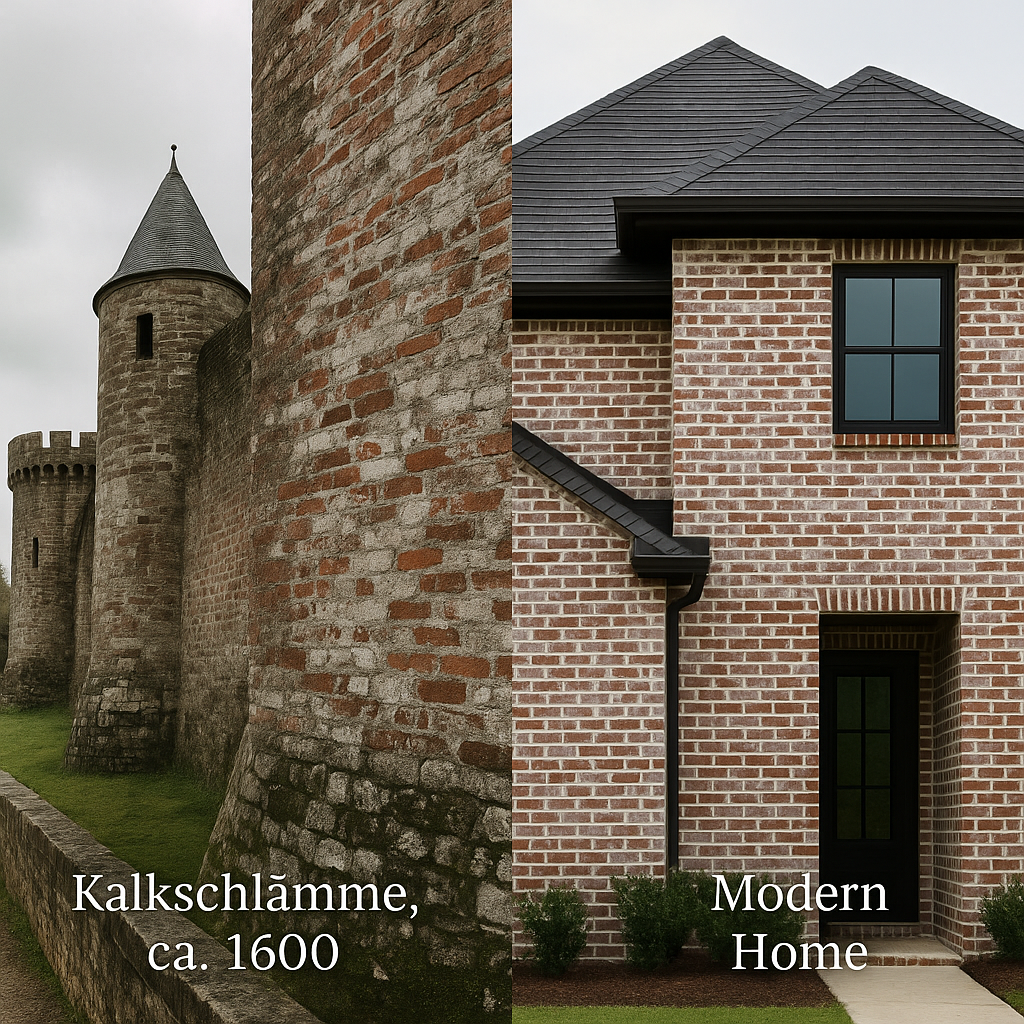
Before it was called “German Smear,” this centuries-old finish was known by names like Kalkschlämme and Kalküberwurf. Discover the forgotten European origins of the beloved brick-smearing technique that once protected castles and cottages alike.
The Historical Origins and Use of German Smear: A Timeless European Technique
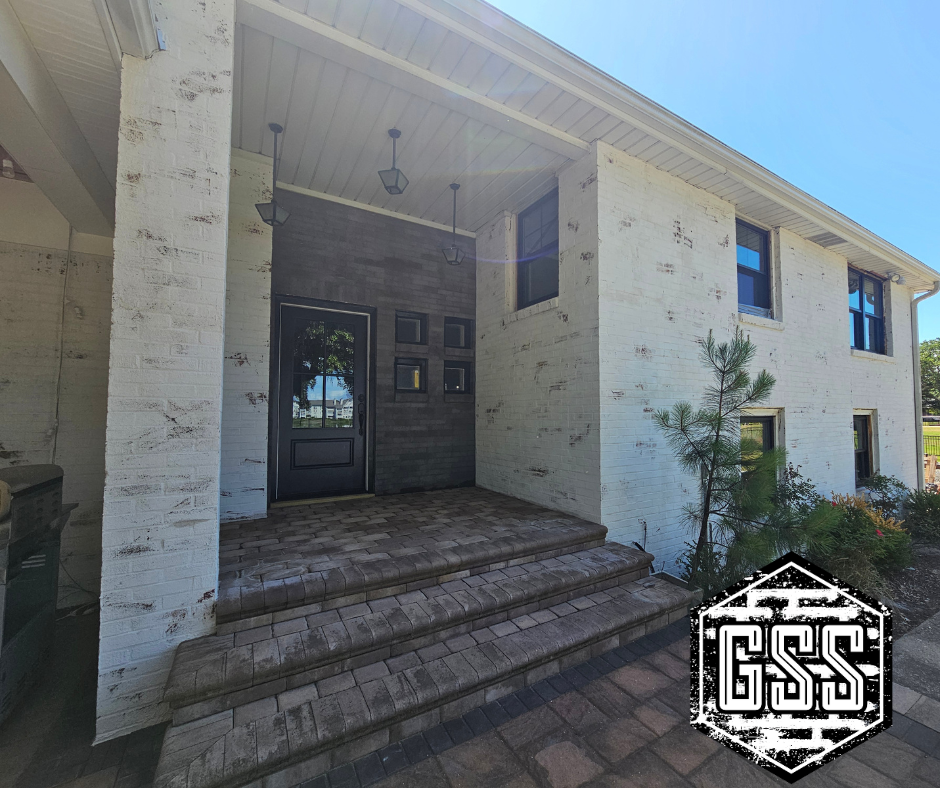
German Smear, also known as Schmear, is a centuries-old technique that originated in Germany and has since become a beloved style in both European and contemporary architecture. This method involves applying a thin layer of mortar over brick or stone, creating a rustic, textured, whitewashed appearance. It was originally developed for both practical and aesthetic purposes and continues to captivate homeowners today with its timeless charm.