The Role of German Smear in Addressing Mortar Joint Erosion in Brick Houses
Mortar joint erosion refers to the gradual breakdown of the binding material between bricks, which can compromise the integrity of masonry structures. Commonly observed in older brick houses, this issue arises from a combination of natural weathering and material interactions. Understanding how German Smear—a mortar-based finishing method rooted in German and broader European architectural traditions—can contribute to repairs provides insight into preserving brickwork. This technique, also known as Schmear or mortar wash, involves applying a thin layer of mortar across the brick surface, which can fill eroded areas while maintaining the material's inherent properties. Its historical significance lies in its use for weatherproofing and aesthetic enhancement in vernacular buildings, making it relevant for educational exploration in architectural conservation.
Causes of Mortar Joint Erosion
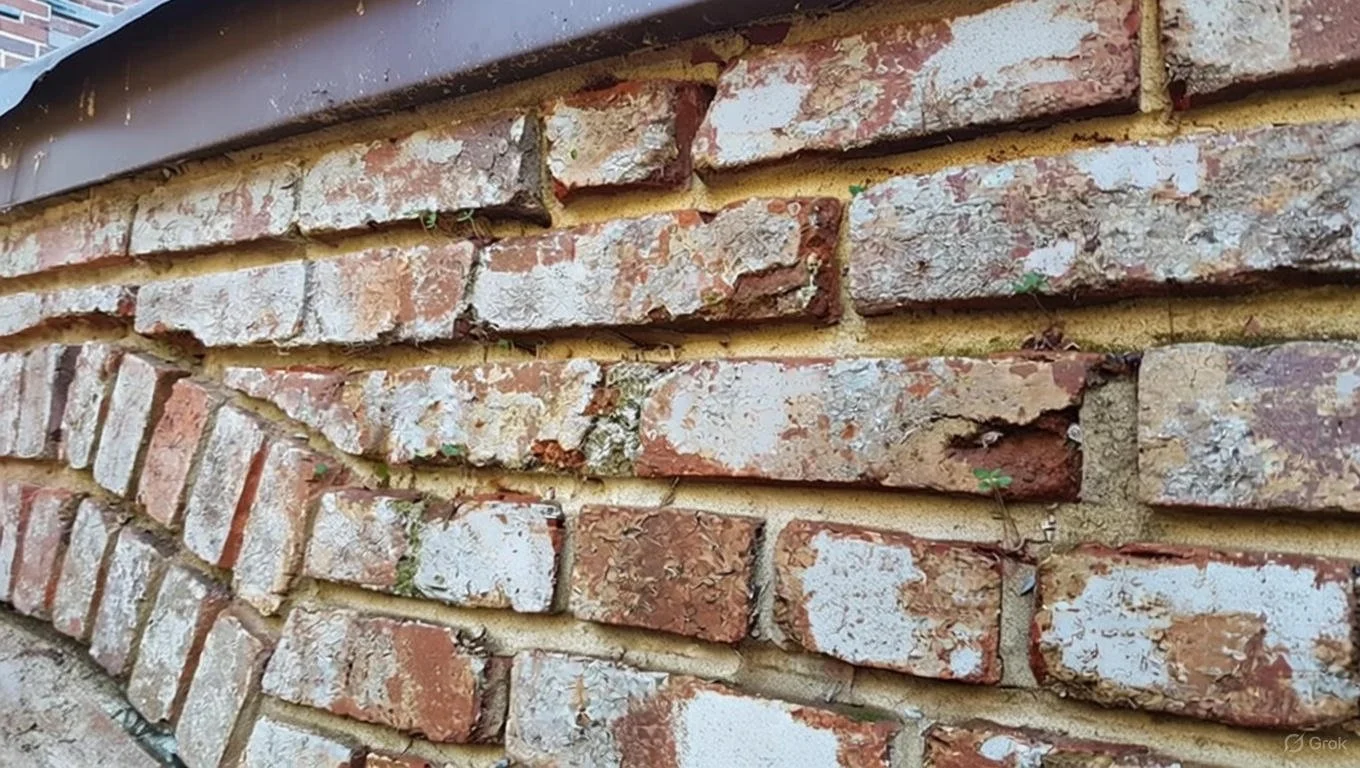
Mortar joints in brick houses serve as the structural adhesive holding the masonry together, but they are susceptible to degradation due to various environmental and material factors. Erosion typically manifests as crumbling, cracking, or complete loss of mortar, allowing water ingress and further damage. Key causes include:
Water Intrusion and Freeze-Thaw Cycles: Moisture from rain, snow, or humidity penetrates porous mortar; in colder climates, this water freezes, expands, and exerts pressure, leading to cracks and erosion over repeated cycles.
Weathering and Environmental Exposure: Constant contact with elements like acid rain, air pollution, and deicing salts accelerates breakdown, as these substances chemically erode the mortar's composition.
Age and Material Fatigue: Older mortars, often lime-based in historic structures, lose elasticity and strength over decades, becoming brittle and prone to disintegration.
Building Settlement and Movement: Natural shifting of foundations or thermal expansion/contraction causes stress on joints, resulting in fractures that widen with time.
Poor Drainage and Construction Practices: Inadequate gutters, flashing, or initial use of incompatible mortar (e.g., overly rigid cement-based mixes on softer bricks) exacerbates moisture retention and erosion.
These factors are interconnected, with water often acting as the primary catalyst in temperate or harsh climates, highlighting the importance of breathable materials in masonry design.
Understanding German Smear as a Technique
German Smear originated from traditional European masonry practices, documented as early as the 18th century in regions like Germany and France, where it was used to protect and unify brick facades. Unlike limewash or whitewash—which are thinner, liquid applications primarily for coloration—German Smear employs a thicker mortar slurry, typically composed of lime, sand, and water, smeared across the surface to create irregular, textured coverage. This method allows for partial brick exposure while filling recesses, distinguishing it from full painting, which can trap moisture and reduce vapor permeability. Historically, it was applied to vernacular homes and farmhouses for both practical weathering resistance and visual appeal, evolving from simpler mortar washes in medieval building traditions.
How German Smear Addresses Joint Erosion
When mortar joints erode, they create voids that invite further damage; German Smear can serve as a remedial layer in minor cases by filling these gaps and providing a cohesive surface. The process begins with surface preparation, including cleaning loose debris and, for moderate erosion, initial repointing of deeply damaged joints to ensure stability. A mortar mix is then prepared—often lime-based for compatibility—and applied with tools like trowels or brushes, working it into eroded areas before smearing across the bricks.
Filling and Stabilization: The mortar slurry penetrates and fills minor cracks or voids in eroded joints, restoring a level surface and reducing water entry points.
Protective Layer Formation: Once cured, the smear creates a sacrificial barrier that absorbs environmental stresses, such as freeze-thaw impacts, while allowing moisture vapor to escape due to its permeable nature.
Compatibility with Brick: Using traditional lime mortar ensures adhesion without overwhelming softer historic bricks, preventing issues like spalling that can occur with denser cement mixes.
Limitations and Considerations: For severe erosion, German Smear is not a standalone structural repair; it should follow proper repointing to avoid masking underlying problems. Climate plays a role— in humid or freeze-prone areas, enhanced drainage is essential to prevent recurrent issues.
This application aligns with building science principles, as the technique maintains the wall's breathability, avoiding the moisture-trapping pitfalls of impermeable coatings.
Building Science Principles in German Smear Repairs
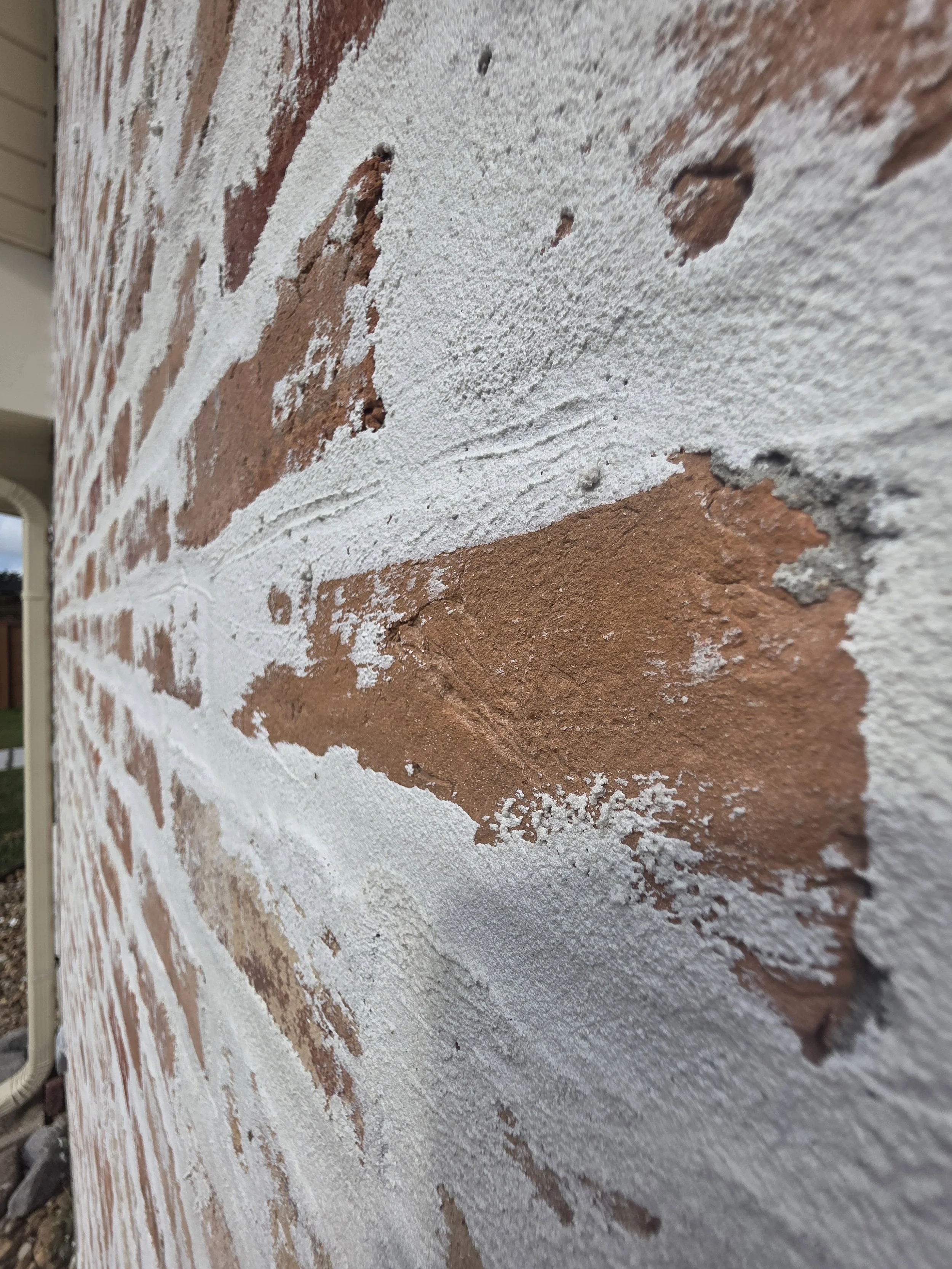
From a materials perspective, German Smear leverages key properties of mortar to counteract erosion effects. Breathability and vapor permeability are central, allowing trapped moisture to evaporate and reducing internal pressure buildup. Lime-based formulations, common in historical contexts, exhibit self-healing traits through carbonation, where they harden over time while remaining flexible.
Vapor Permeability: Measured in perms, lime mortar permits water vapor diffusion, preventing condensation-related decay that exacerbates erosion.
Freeze-Thaw Resistance: By filling joints, the smear distributes stress from expansion, though it relies on compatible mortar to avoid differential movement.
Adhesion and Composition: Proper mix ratios (e.g., 1:3 lime to sand) ensure bonding without excessive shrinkage, influenced by environmental curing conditions.
Climate Adaptations: In wetter regions, additives like pozzolans can enhance durability, drawing from documented European practices for longevity.
These elements underscore why German Smear, when used judiciously, supports long-term masonry health without compromising original architectural intent.
Conclusion
Mortar joint erosion in brick houses stems from environmental assaults like moisture and weathering, compounded by age and construction factors, but techniques like German Smear offer a historically informed approach to minor repairs. By filling gaps and providing permeable protection, it enhances durability while preserving aesthetic traditions. Ultimately, this method highlights the value of compatible materials in architectural conservation, ensuring brick structures withstand time through informed application of building science.
Looking to DIY?
Checkout SmearTech’s Signature White™ Mortar and German Smear Tools.