Glazed Bricks and German Smear
Glazed bricks represent a specialized form of masonry unit where a ceramic glaze is fused to the brick body during high-temperature firing, resulting in a smooth, glassy exterior. Documented in architectural practices since the early 20th century in modern contexts, though with roots in ancient ceramic traditions, these bricks combine functional protection with visual versatility. Their relevance in building design lies in balancing aesthetic expression with material performance, particularly in environments requiring resistance to environmental stressors, while highlighting the importance of surface compatibility in treatments like German Smear—a historical mortar-wash method derived from European building customs.
What Are Glazed Bricks?
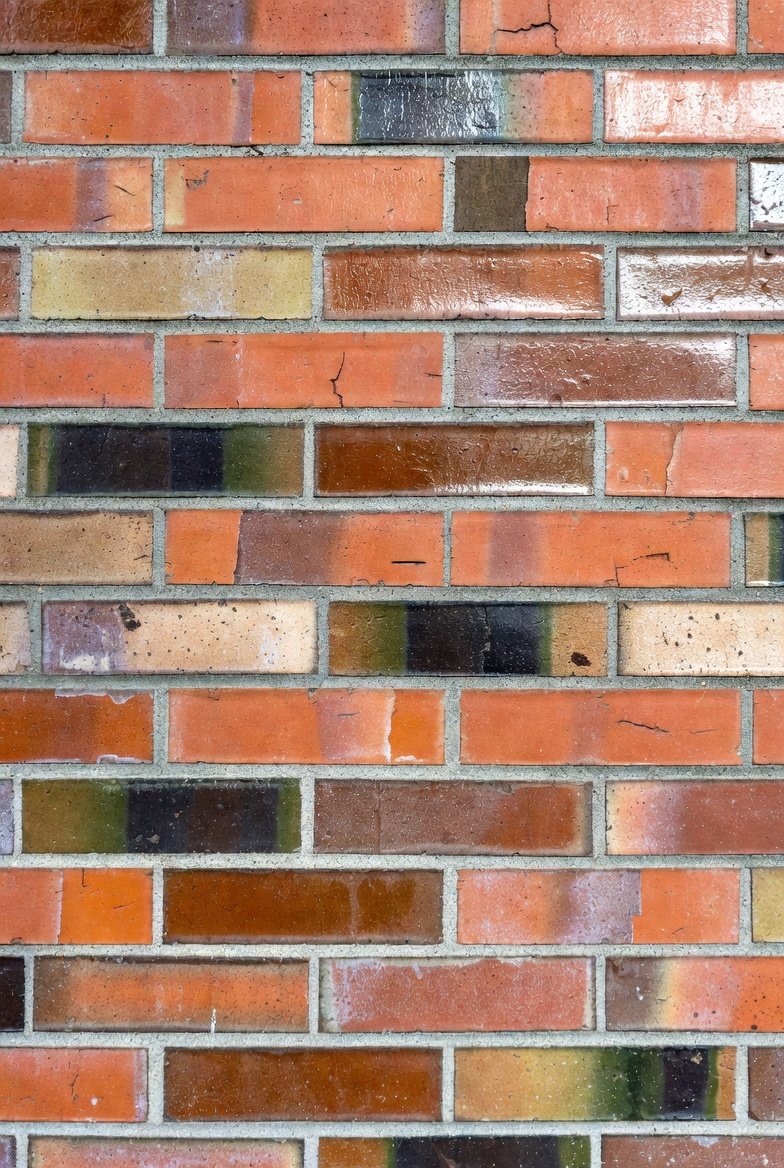
Glazed bricks are produced by applying a ceramic mixture to the surface of a clay brick body before firing it at temperatures typically exceeding 1,000 degrees Celsius. This process causes the glaze to vitrify, forming a permanent, glass-like layer that bonds molecularly with the underlying brick. Unlike standard clay bricks, which remain porous after firing, glazed variants exhibit a non-absorbent exterior due to this fused coating.
In terms of building science, the glaze alters the brick's vapor permeability, rendering it largely impermeable to moisture and gases. This characteristic draws from principles of ceramic engineering, where the glaze's composition—often including silica, alumina, and metal oxides—ensures a dense, continuous barrier. Historically, such techniques evolved from earlier European and Middle Eastern pottery methods, adapted for masonry to provide decorative and protective finishes in structures like public buildings and facades.
Benefits of Glazed Bricks
Glazed bricks offer several advantages rooted in their material properties, making them a practical choice for certain architectural contexts. These benefits stem from the glaze's ability to enhance the brick's inherent durability while addressing environmental and maintenance concerns.
Enhanced Durability and Resilience: The vitrified surface increases resistance to physical wear, abrasion, and impact, extending the lifespan of the brick in high-traffic or exposed areas.
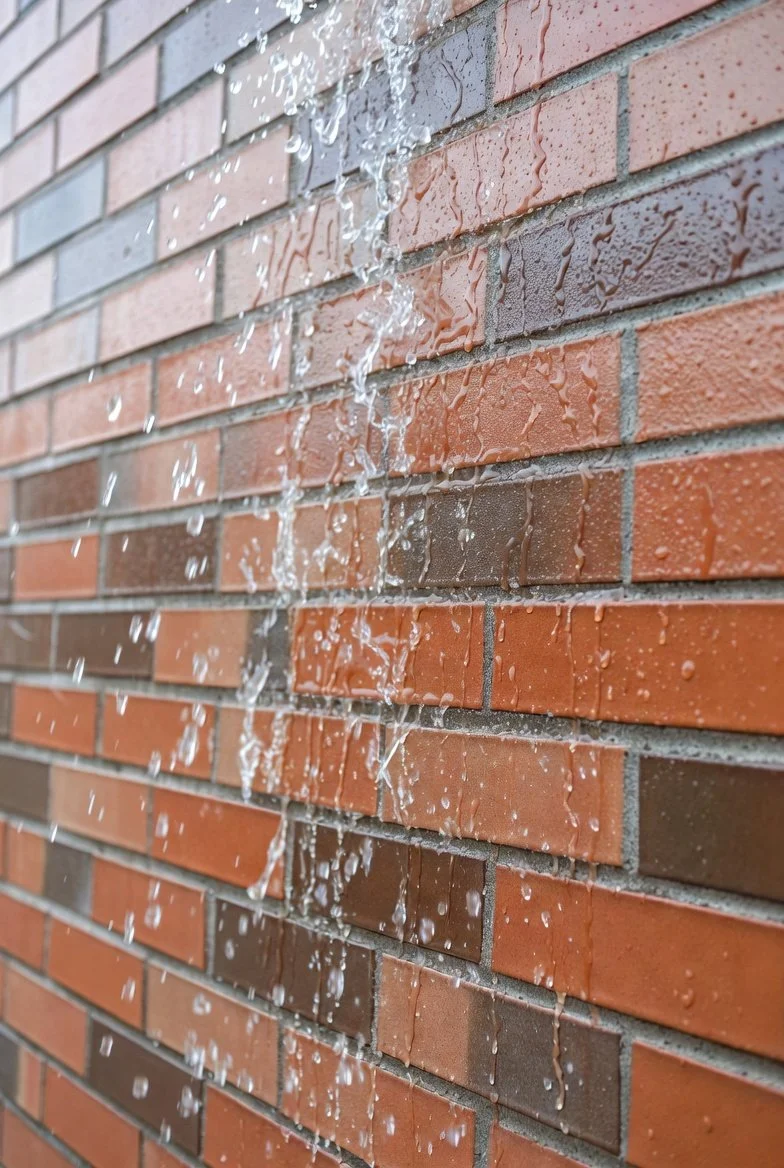
Moisture and Stain Resistance: Impermeability prevents water absorption, reducing risks of freeze-thaw damage in cold climates and minimizing staining from pollutants or graffiti.
Fire Resistance: The ceramic glaze adds to the brick's natural non-combustibility, maintaining structural integrity under high temperatures.
Low Maintenance Requirements: Smooth surfaces facilitate easy cleaning without absorbing dirt or requiring frequent treatments, contributing to long-term cost efficiency.
Aesthetic Versatility: Available in a wide range of colors and finishes, glazed bricks allow for bold visual statements while preserving the textural qualities of masonry.
Sustainability Aspects: Many modern glazed bricks incorporate recycled materials, and their longevity reduces the need for replacements, aligning with energy-efficient firing processes.
These properties make glazed bricks particularly suitable for applications in healthcare facilities, educational buildings, and urban exteriors, where hygiene and weather resistance are priorities.
Why Glazed Bricks Cannot Be Treated with German Smear
German Smear, also known as Schmear or mortar wash, is a traditional technique involving the application of a thin mortar layer over brick surfaces, partially wiped away to create a textured, aged appearance. Originating from German and broader European masonry practices as early as the 1500s, it relies on the mortar's adhesion to the brick's porous texture for permanence and breathability.
Glazed bricks, however, are incompatible with this method due to their non-porous, glassy surface. The vitrified glaze creates a barrier that prevents mortar from bonding effectively, as adhesion in mortar washes depends on mechanical interlocking and absorption into the brick's pores. Without this porosity, the mortar fails to penetrate or grip, leading to potential peeling, cracking, or complete detachment over time. Building science principles underscore this: vapor permeability is essential for mortar to cure properly without trapping moisture, but glazed surfaces exhibit near-zero absorption rates, disrupting this process.
In climates with freeze-thaw cycles, any attempted application could exacerbate issues, as trapped moisture behind the failed bond might cause delamination. Thus, German Smear is best reserved for absorbent, textured bricks, where it enhances breathability and historical authenticity without compromising structural behavior.
Other Brick Types Unsuitable for German Smear
Beyond glazed bricks, several other brick varieties lack the necessary porosity or surface characteristics for effective German Smear application. These types often feature dense or sealed exteriors, which hinder mortar adhesion and can lead to poor durability or aesthetic outcomes. Selection of appropriate bricks for mortar washes should prioritize absorbent, rough-textured units to ensure proper bonding and vapor transmission.
Vitrified or Engineering Bricks: These highly fired bricks have low water absorption rates (typically under 7 percent), resulting in a dense, smooth surface that resists mortar penetration, similar to glazed bricks.
Painted or Sealed Bricks: Pre-existing coatings like paint or sealants create a non-porous layer, blocking the mortar's ability to anchor and potentially causing flaking if applied over.
Dense Unglazed Bricks: Certain unglazed bricks with compact surfaces, often used in industrial settings, do not accept mortar well due to minimal porosity, leading to weak bonds.
Fire Bricks or Refractory Bricks: Designed for high-heat environments, these have a low-absorption, smooth composition that prevents effective mortar adhesion and may not suit aesthetic washes.
Clinker Bricks: Overfired and irregular, their vitrified-like density reduces surface grip, making them prone to mortar failure in wash applications.
In all cases, the key factor is surface absorbency; non-porous bricks can trap moisture, violating building science principles of breathability and increasing risks in humid or variable climates.
Conclusion
Glazed bricks provide robust protection and visual appeal through their vitrified ceramic layer, offering benefits like durability, moisture resistance, and low maintenance that suit specific architectural needs. However, their impermeable nature renders them unsuitable for German Smear, a mortar-wash technique that demands porous substrates for adhesion and performance. Similarly, other dense or sealed brick types highlight the importance of material compatibility in historical treatments, ensuring that applications respect both aesthetic traditions and building science fundamentals for lasting results.
Looking to DIY?
Checkout SmearTech’s Signature White™ Mortar and German Smear Tools.