Maintaining Brick Houses: Historical Practices and Modern Building-Science Principles
Unglazed clay brick is inherently low-maintenance compared to wood or stucco, but it is not maintenance-free. Water infiltration, freeze-thaw cycling, biological growth, and inappropriate past repairs are the primary causes of deterioration in historic and modern brick buildings. Traditional European maintenance practices—developed before the widespread use of Portland cement—emphasized breathability and compatibility with soft lime-based mortars. Understanding these principles remains essential today, even when dealing with harder modern bricks and cement-rich repointing.
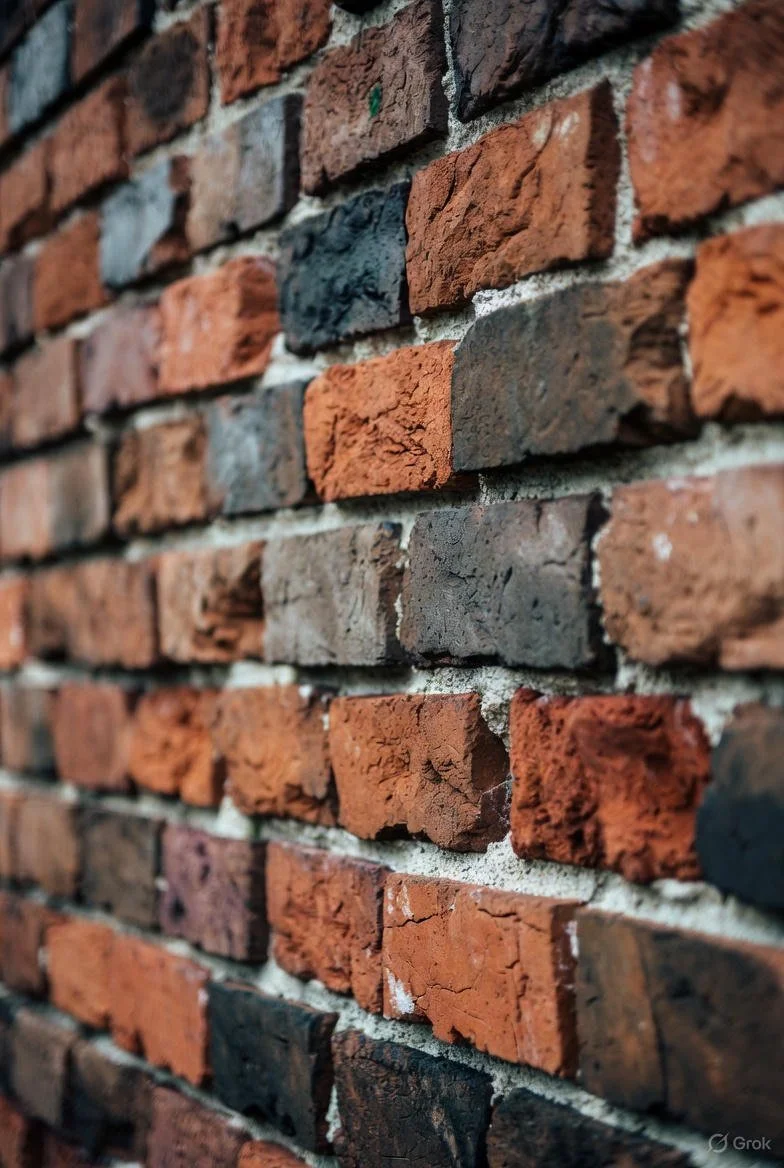
Old degraded brick wall
Understanding Brick as a Breathing Material
Clay brick is porous and hygroscopic: it absorbs liquid water but also allows water vapor to pass through (high vapor permeability). This “breathability” is the cornerstone of long-term durability in solid masonry walls.
Key building-science facts:
Typical 19th-century common brick: water absorption 15–30 % by weight
Vapor permeability of fired clay brick: ≈ 10–20 perms
Soft lime mortar (pre-1900): ≈ 15–25 perms
Modern Type S Portland-cement mortar: often < 3 perms
When vapor-permeable brick is paired with low-permeability modern mortar or sealers, moisture becomes trapped, leading to spalling, subflorescence, and mortar joint failure.
Common Causes of Brick Deterioration
Rising damp from absent or failed damp-proof courses
Leaking gutters, downspouts, or flashing directing water against walls
Vegetation (ivy, moss, lichens) retaining moisture and producing acidic secretions
Incompatible repointing with hard Portland-cement mortar that traps moisture
Application of waterproof sealers or silicone-based coatings that prevent vapor escape
Freeze-thaw cycling in saturated brick (water expands ≈9 % upon freezing)
Salt crystallization (subflorescence) behind the brick face
Essential Maintenance Practices
1. Annual Visual Inspection
Perform in spring and autumn:
Check for cracked, spalled, or missing bricks
Look for open or crumbling mortar joints deeper than 10 mm
Examine flashing at roof-wall junctions, chimneys, and parapets
Verify gutters and downspouts are clear and discharge water ≥1.5 m away from foundation
2. Cleaning Methods Compatible with Historic Brick
Never sandblast or use high-pressure water (>500 psi) on pre-1940 brick; these methods remove the protective fired face.
Recommended cleaning hierarchy:
Dry brushing with natural-bristle brushes
Low-pressure water wash (garden hose pressure) with mild detergent if needed
Poultice cleaning with latex-free poultices for heavy soot (conservation-grade)
Chemical cleaners only after laboratory testing and under professional supervision
Biological growth removal:
Use dilute potassium hydroxide or proprietary biocides approved for masonry, followed by thorough rinsing
Avoid bleach solutions on lime-mortared buildings; chlorine reacts with lime to form soluble salts
3. Repointing (Tuckpointing) Principles
Remove only deteriorated mortar—never sound historic material
Analyze original mortar (petrographic or acid-digestion test) before specifying replacement
Use lime-based mortar (NHL 3.5 or 5.0) for pre-1920 buildings
Match original joint profile (usually flush or slightly recessed, never ribbon or weeping)
Cure new lime mortar under damp burlap or misting for minimum 72 hours
4. Managing Moisture at Grade
Maintain minimum 150–200 mm clearance between soil/mulch and brick
Slope ground away from foundation (minimum 5 % fall in first 3 m)
Install or repair French drains if chronic basement dampness exists
5. Appropriate Surface Treatments
Traditional treatments (still valid):
Limewash: highly vapor-permeable, self-healing, sacrificial coating
German Smear (Kalkschlämme): thin lime-mortar slurry applied by hand; preserves texture and breathability
Avoid:
Silane/siloxane “penetrating” sealers on pre-1940 brick (reduce permeability by 70–90 %)
Acrylic or film-forming paints
Cement-based stucco or parging over brick
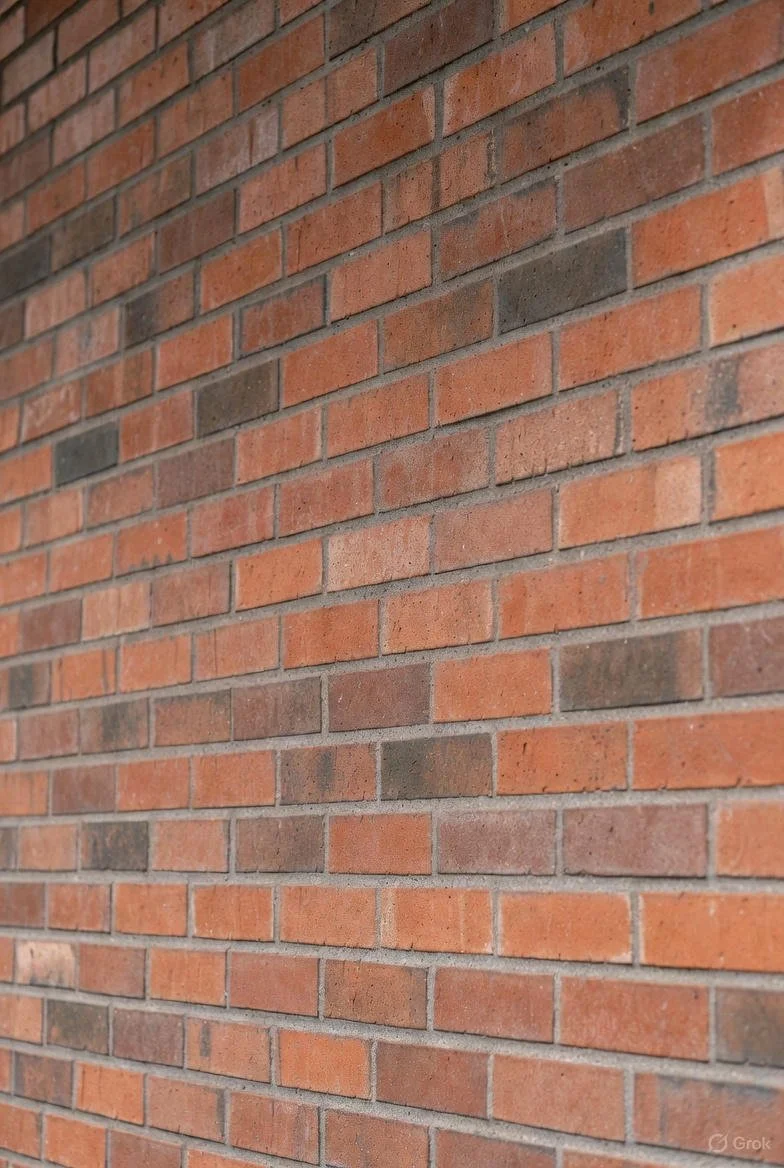
Well maintained brick wall
Conclusion
Brick houses built with soft, lime-rich mortars have survived centuries because their maintenance respected the material’s need to breathe and slowly release moisture. Modern interventions that prioritize waterproofing over vapor permeability are the leading cause of accelerated deterioration today. Regular inspection, gentle cleaning, compatible repairs, and moisture management at the roof and grade remain the most effective—and historically authentic—ways to ensure brick masonry lasts for generations without aggressive or costly restoration campaigns.
Looking to DIY?
Checkout SmearTech’s Signature White™ Mortar and German Smear Tools.