

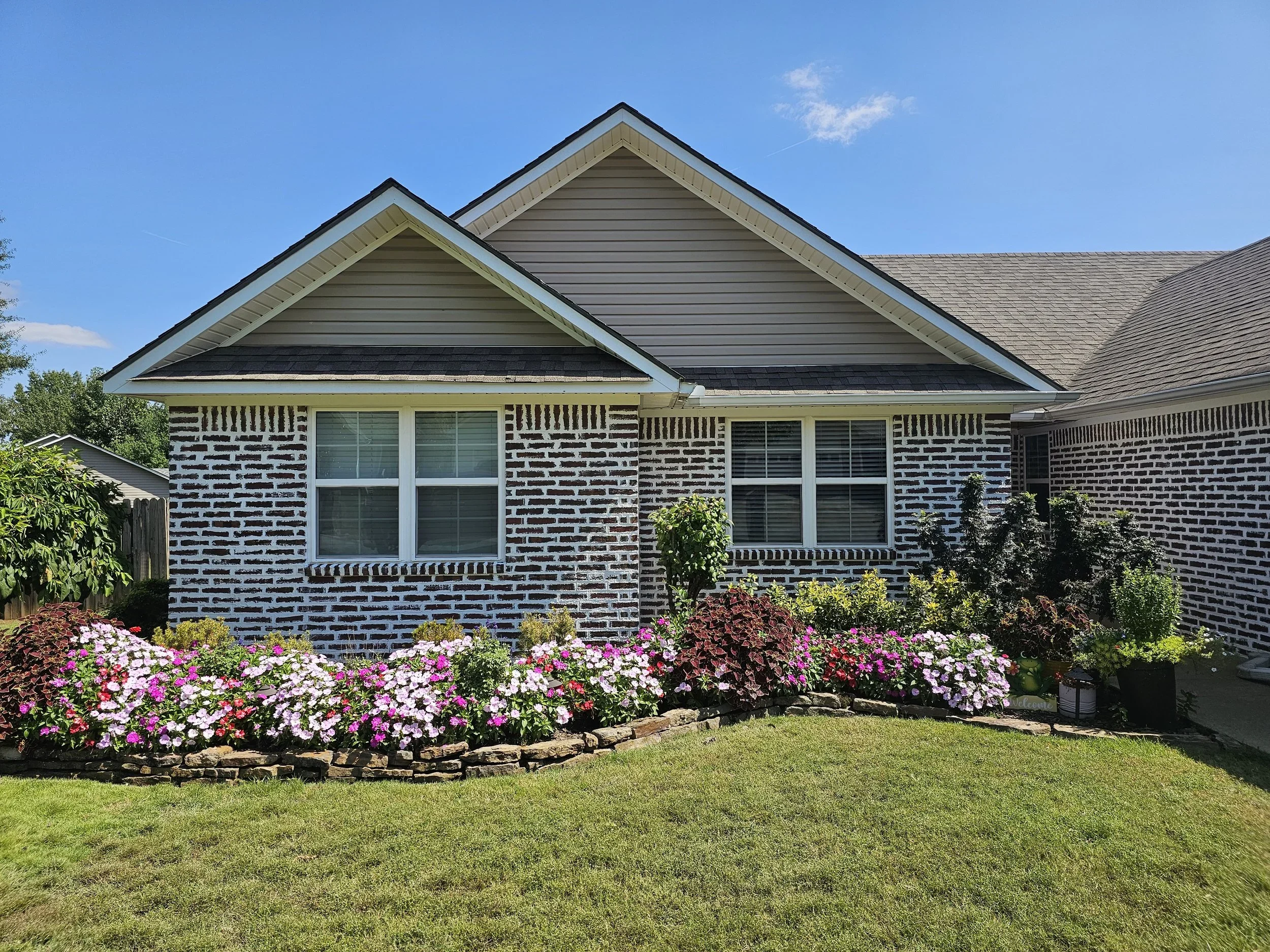
Exploring the Different Styles of German Smear Techniques
German Smear, also known as mortar wash or Schmear, is a historical brick finishing method that originated in Central European masonry practices during the medieval era. This technique involves applying a mortar mixture to brick surfaces to create an aged, textured appearance while enhancing structural integrity. Different styles vary primarily in the degree of mortar coverage and application method, offering options from subtle toning to more monolithic finishes.
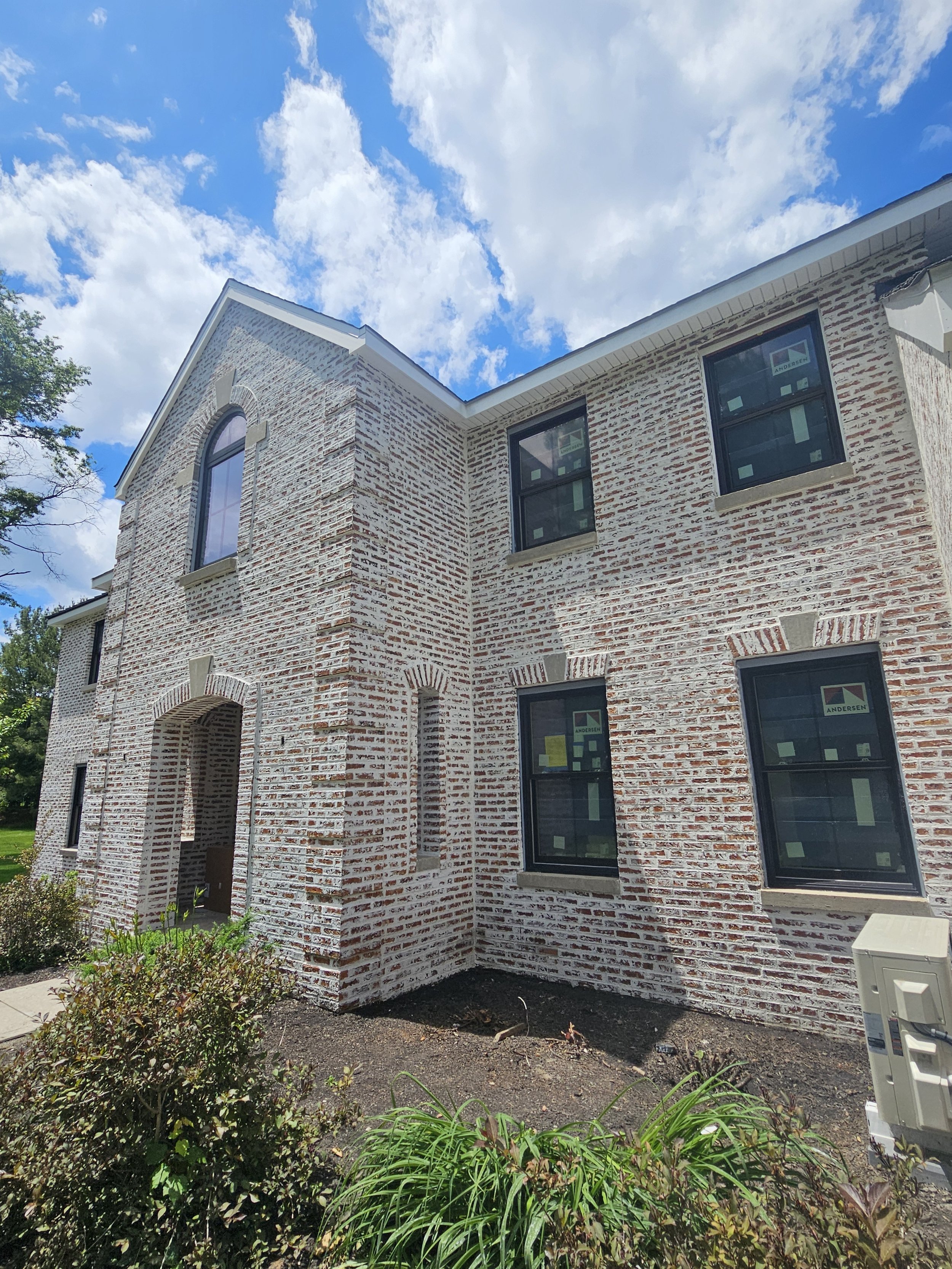
Brick Home Exterior Ideas: 7 Ideas to Improve Your Curb Appeal
Brick homes have long been valued for their durability and timeless aesthetic, rooted in historical building practices that emphasize natural materials and breathability. Enhancing curb appeal involves thoughtful modifications that respect the brick's inherent properties while improving visual and functional aspects. This blog explores seven educational ideas, drawing on architectural traditions and building science to inform potential updates.
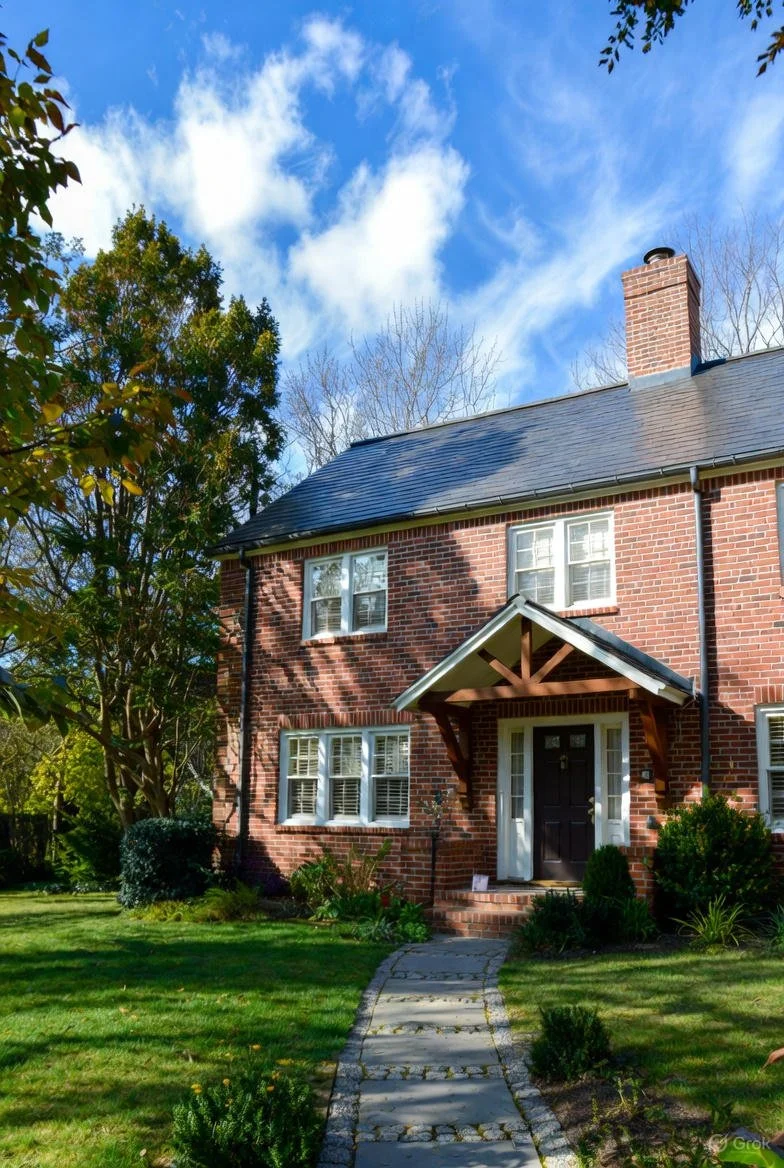
Comparing Resale Values: Brick Homes Versus Lap Siding and CMU Structures
Brick homes often command higher resale values due to their perceived durability and timeless appeal, rooted in historical building practices. In contrast, lap siding and CMU structures may offer lower initial costs but can face depreciation challenges in certain markets. This comparison draws on real estate data and architectural principles to highlight key factors influencing long-term property worth.
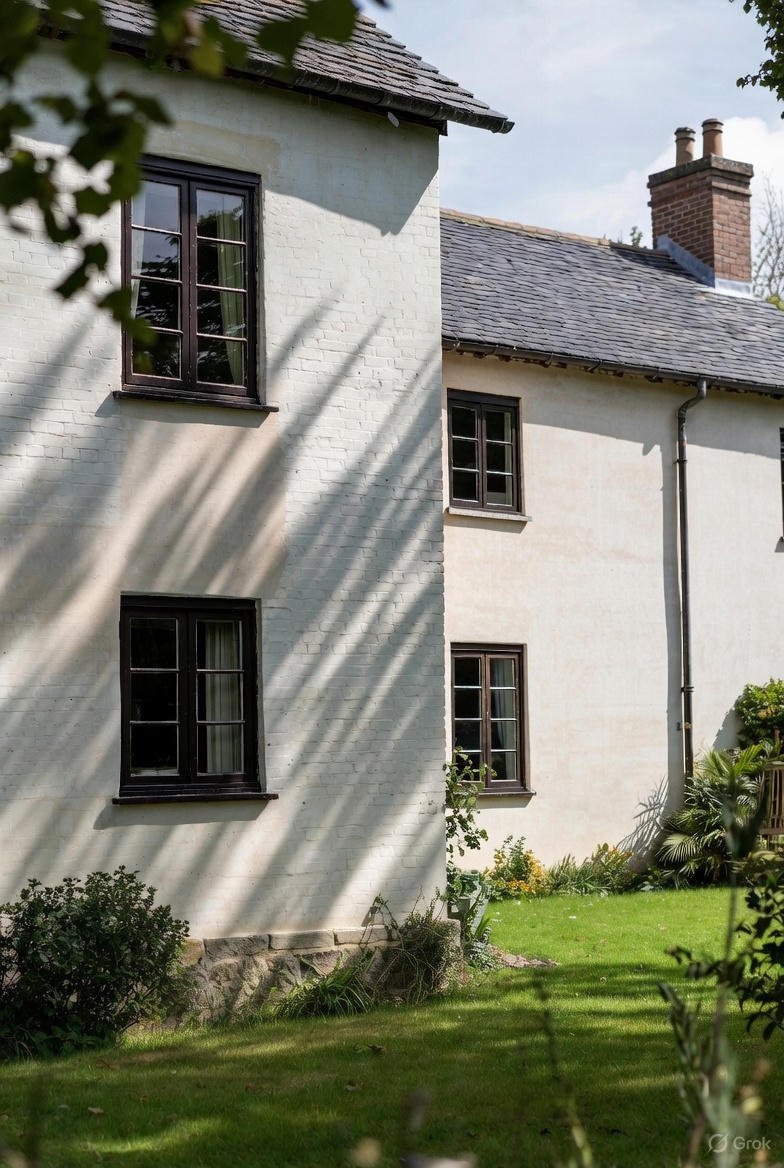
Why Is My Brick House So Hot?
Many homeowners with brick houses notice excessive indoor heat during warmer months, often due to the material's inherent properties. Brick's color and thermal mass play significant roles in absorbing and retaining solar energy, leading to higher temperatures inside. Understanding these factors, along with potential solutions like insulation and exterior coatings, can provide insights into managing heat in traditional brick structures.
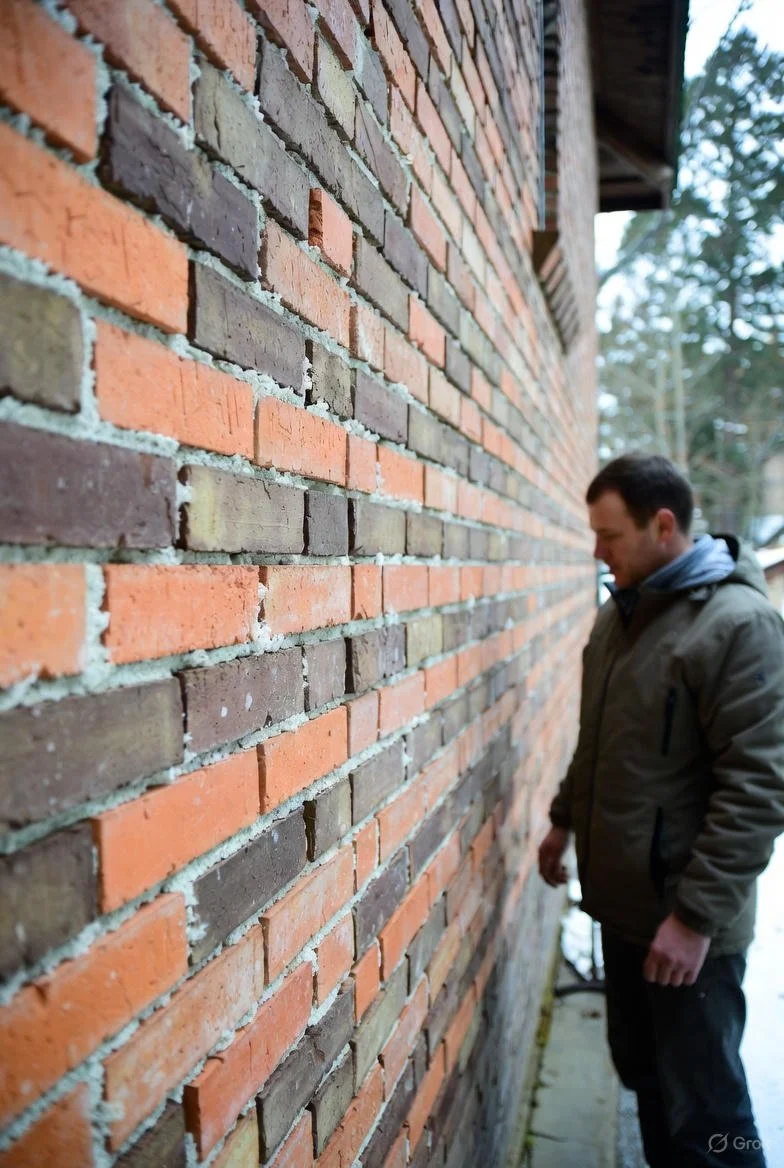
Preparing a Brick Home for Spring: Historical Practices and Modern Building-Science Considerations
As winter recedes, brick masonry requires targeted maintenance to reverse seasonal stress and prepare for warmer, wetter conditions. Traditional European methods—many still relevant today—focused on breathability, moisture management, and gentle cleaning to preserve both the mortar and the brick units. Proper spring preparation extends service life and prevents common damage from freeze-thaw cycles and biological growth.
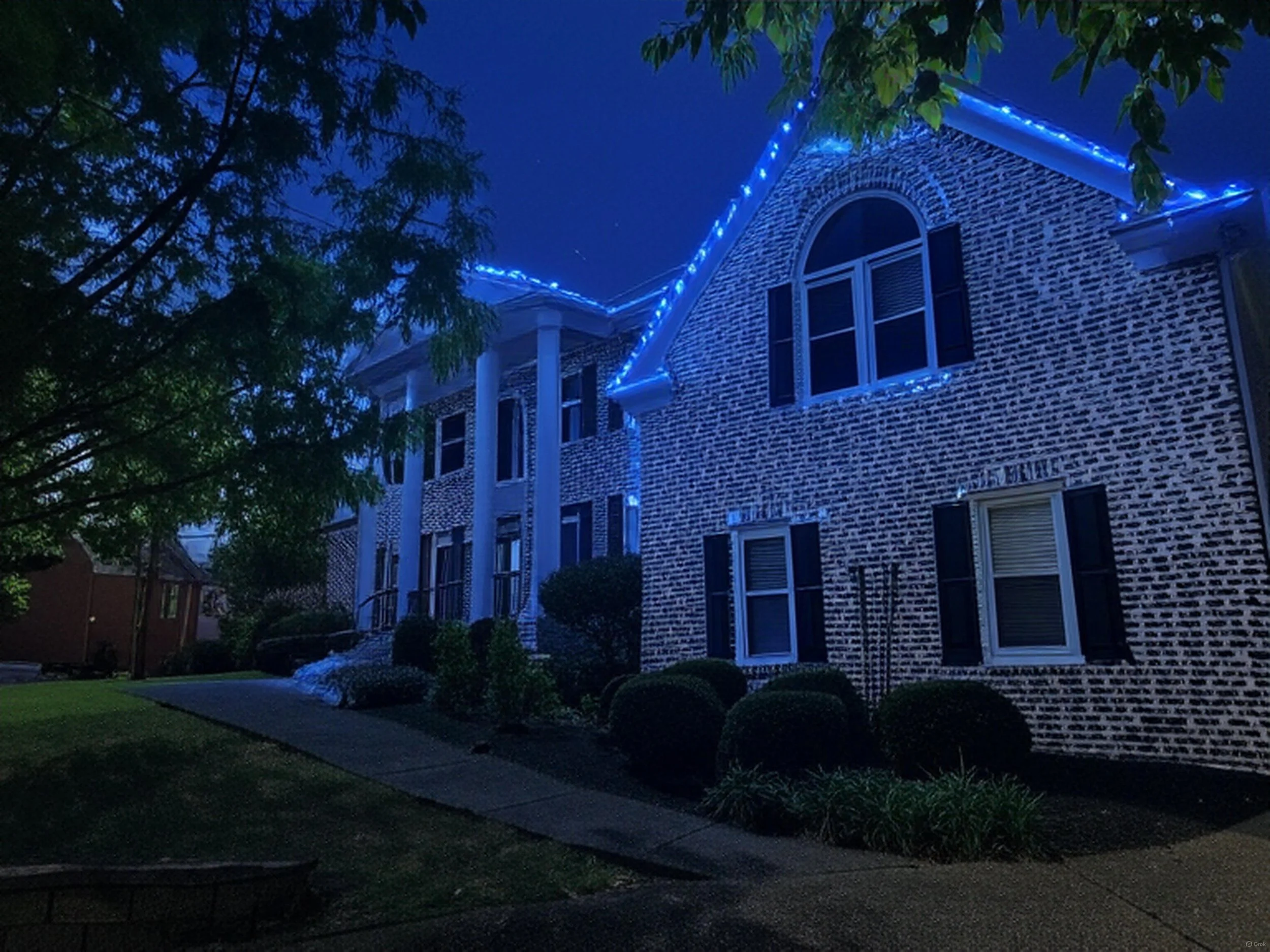
Enhancing Holiday Lighting Effects with White German Smear Brick Exteriors
A white German smear finish—created by applying and partially removing a light mortar slurry over brick—turns a house into a bright, softly textured canvas that dramatically improves the visibility and vibrancy of holiday lights. Because the surface is predominantly white with subtle gray veiling and retained brick undertones, it interacts differently with each lighting color than dark red brick or painted siding. Specific light colors produce stronger contrast, richer saturation, or cleaner projection when displayed against this reflective, neutral backdrop.
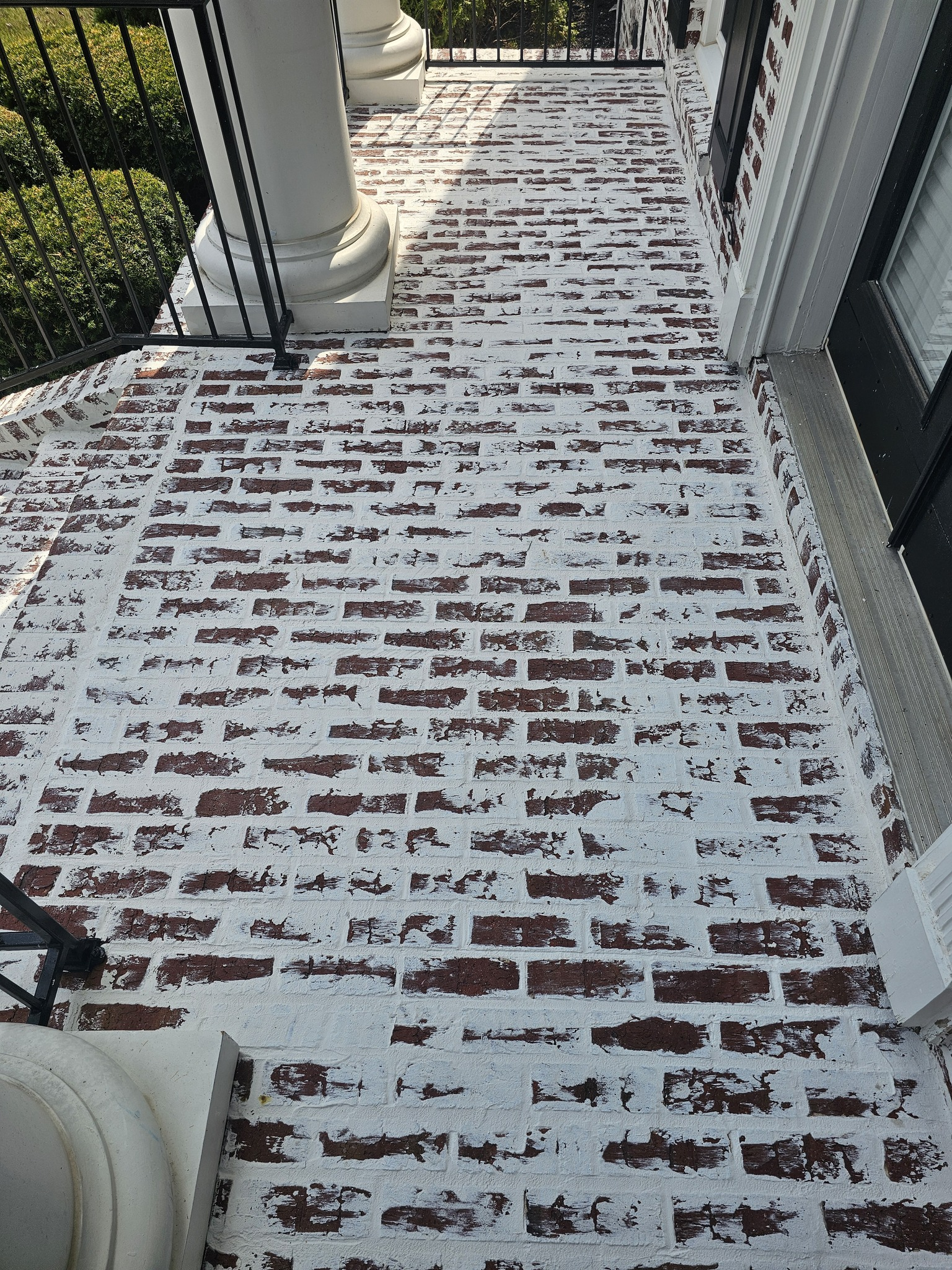
Transforming the Appearance of Brick Pavers: Aesthetic Enhancement Techniques That Preserve Durability
Beyond routine cleaning, brick pavers can be dramatically refreshed or completely re-imagined through historically proven surface treatments such as mortar wash, lime slurry coatings, and selective staining methods. When correctly formulated and applied, these techniques alter color and texture while maintaining the clay unit’s essential vapor permeability and freeze-thaw resistance. The result is a new aesthetic identity—from bright whitewashed Mediterranean courtyards to softly aged European village streets—without sacrificing the paver’s proven longevity.
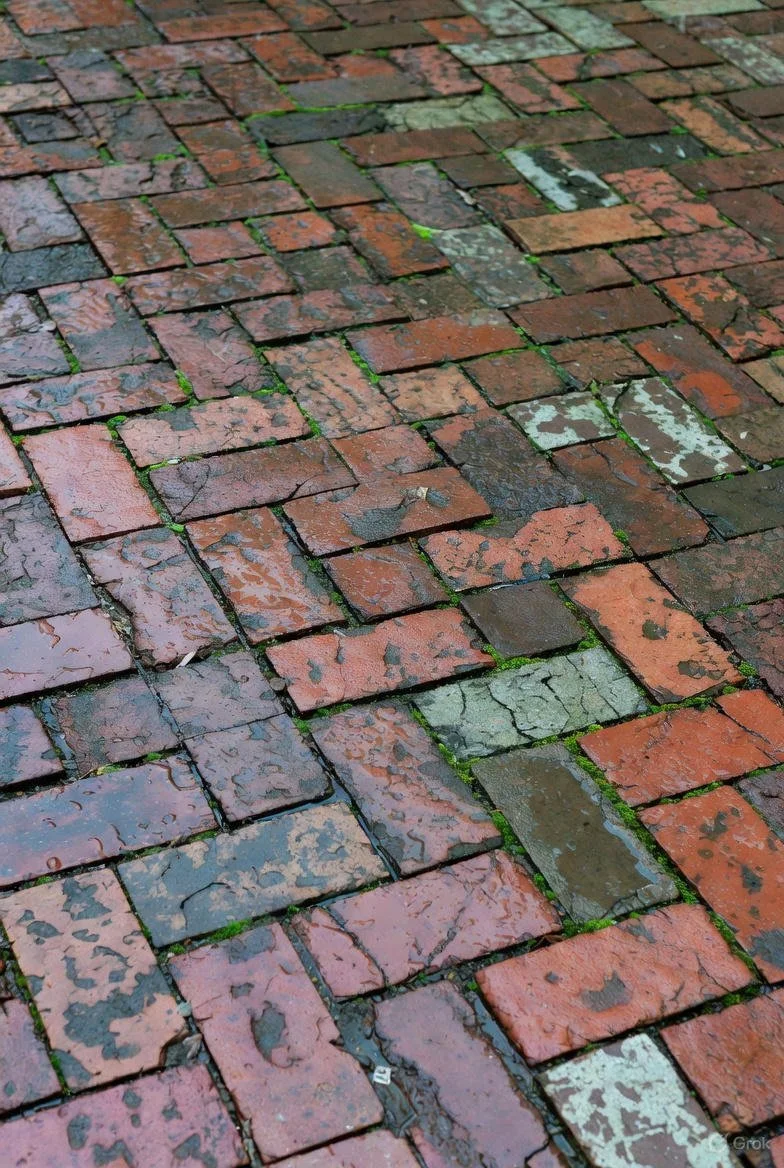
Maintaining Brick Pavers: Long-Term Durability Through Proven Historical and Building-Science Practices
Brick pavers have been used for streets, courtyards, and walkways since Roman times because clay brick is inherently durable, frost-resistant, and repairable. Proper maintenance extends that natural longevity, prevents joint failure, controls weed growth, and preserves the breathable character of the masonry. This post focuses on evidence-based techniques that respect both traditional European paving methods and modern materials science.
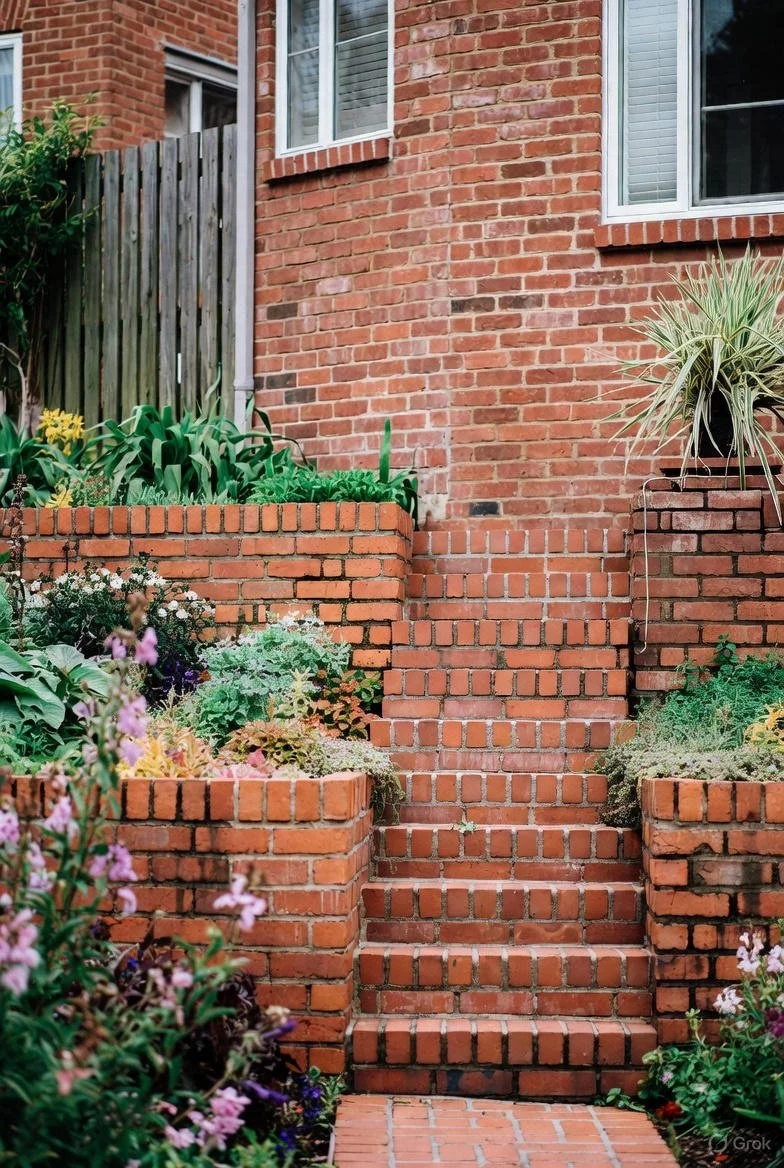
The Critical Role of Drainage Holes in Brick Retaining Walls for Gardens
Brick retaining walls are elegant and durable features in garden design, but without proper drainage they can fail prematurely due to hydrostatic pressure. Adding weep holes and a functional drainage system behind the wall is not optional—it is a fundamental building-science requirement that protects both the wall and the garden it supports. Understanding how water behaves behind masonry is key to long-term stability.
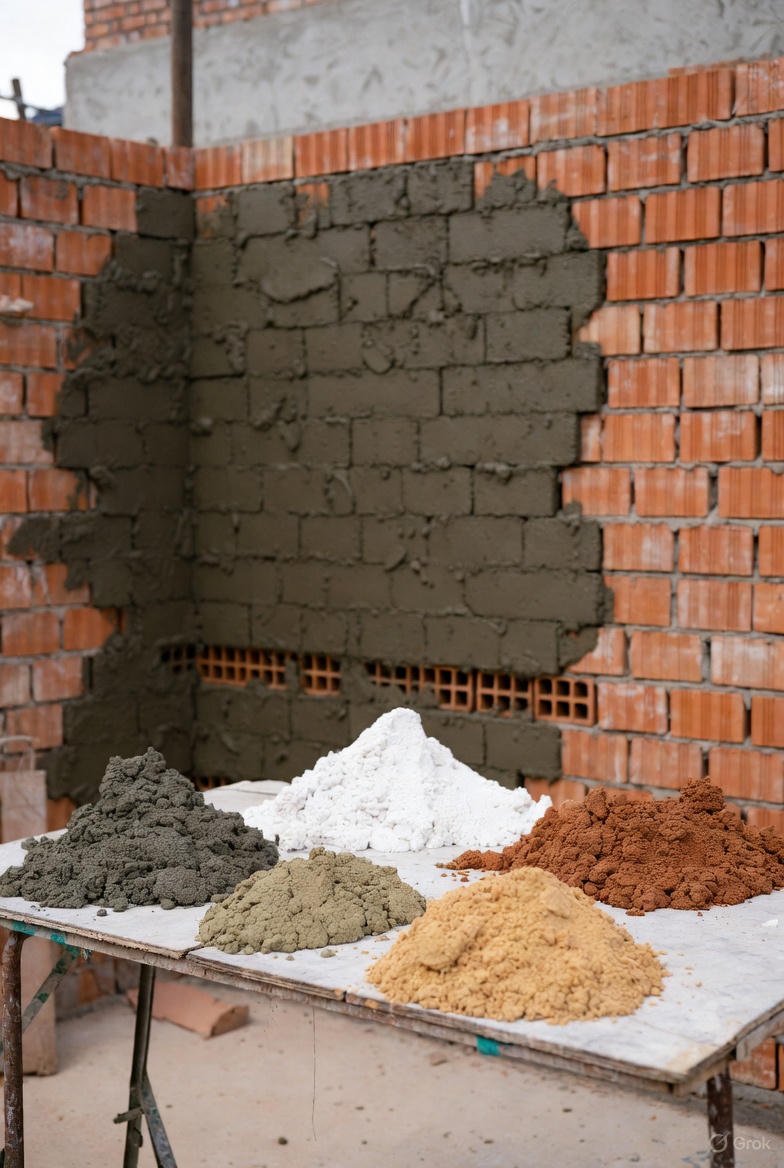
Color Options in German Smear: Pigmentation and Substrate Interaction
German smear achieves its color through iron oxide pigments added to masonry mortar, producing a range of whites, grays, beiges, and muted earth tones. These pigments integrate permanently during hydration and interact with the underlying brick to create soft, layered effects that preserve texture and breathability. The resulting palette offers subtle alternatives to painted brick while remaining rooted in traditional mortar-wash practices.
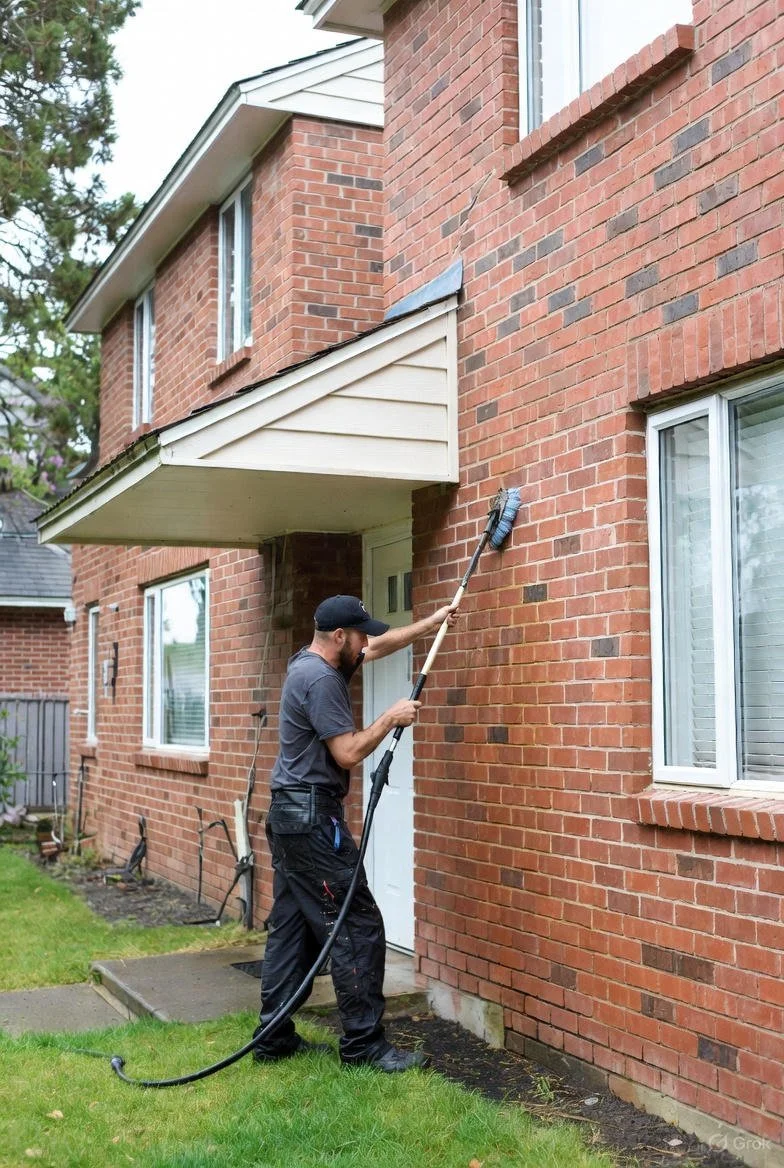
Cleaning a German Smear Finish : Everything you need to know
A German smear finish, applied as a thin mortar wash, requires minimal upkeep due to its durable, breathable nature derived from mortar. Historical practices in northern Europe emphasize gentle surface cleaning to maintain the coating's integrity, while modern guidelines incorporate low-to-moderate pressure washing for effective dirt removal.
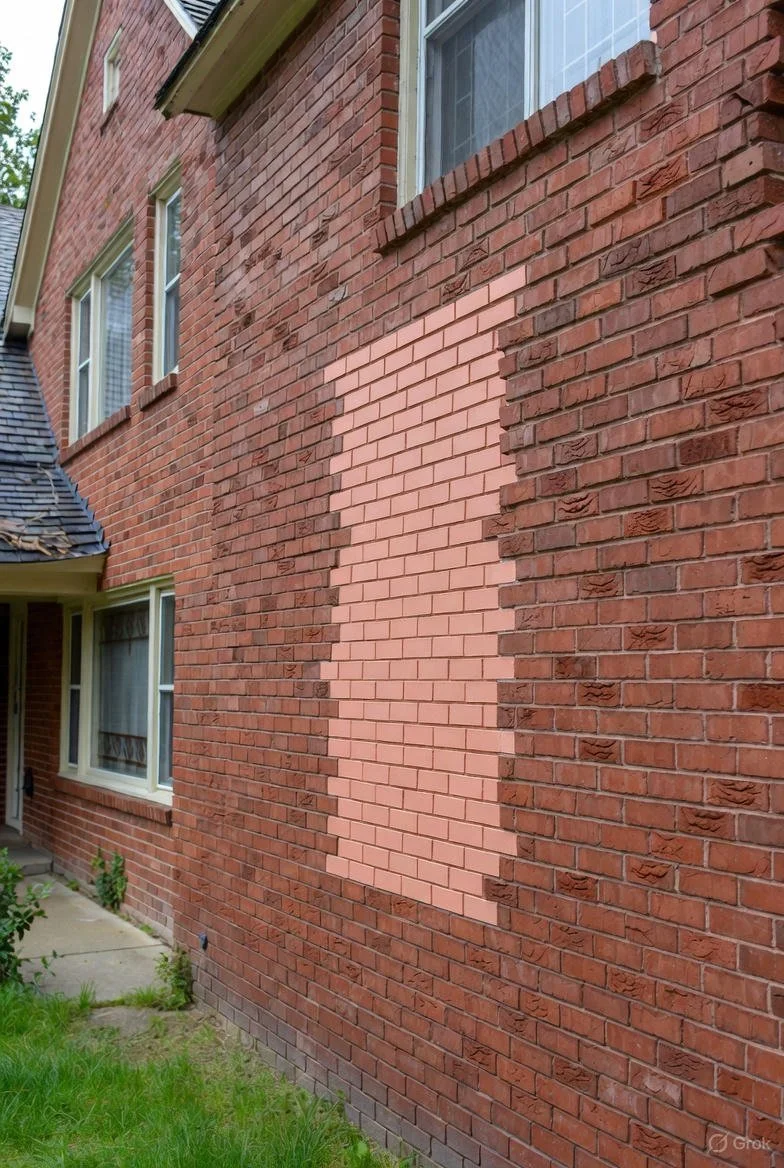
Five Reasons you may need German Smear on your home
German Smear originated as a functional repair method in Central European masonry practice, used to consolidate deteriorating joints, stabilize mismatched repairs, and restore weather resistance to solid brick walls. The technique applies a thin, vapor-permeable lime-mortar veil that mechanically locks into the existing substrate. The following five conditions represent historically documented scenarios where masons employed the method specifically for integrity rather than appearance.
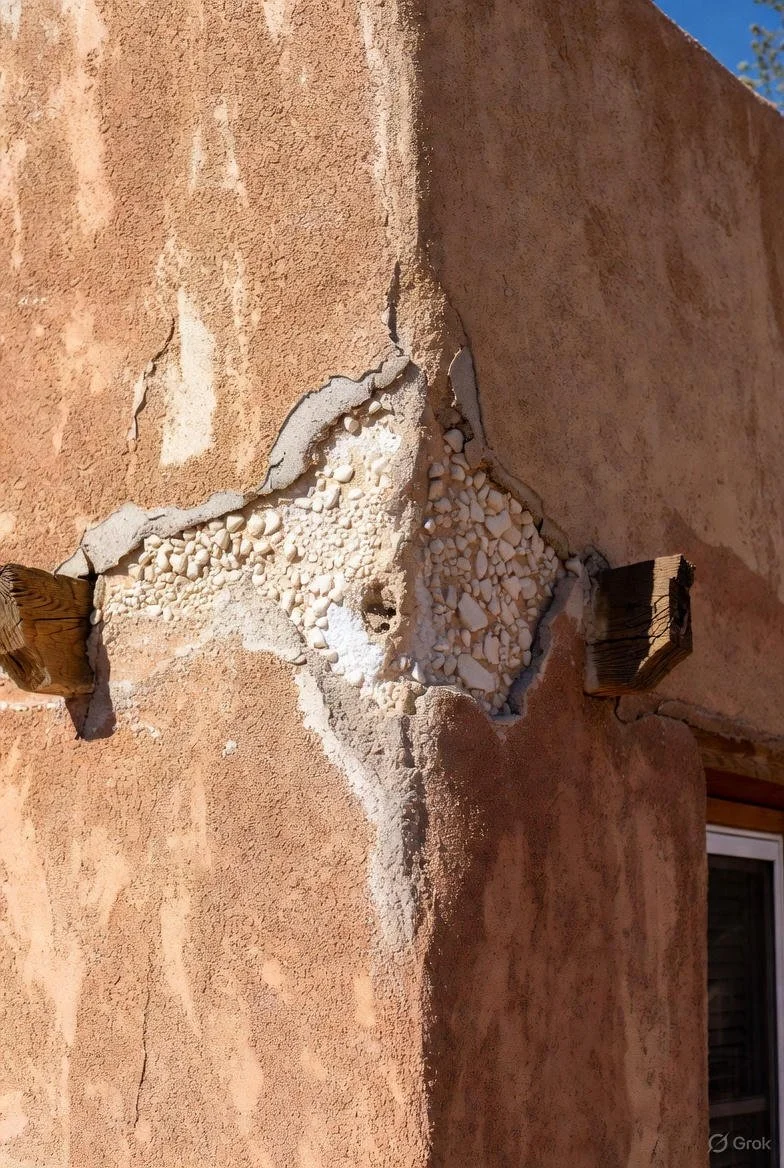
Integral Pigmentation in Stucco: Avoiding Surface Paint for Material Integrity
Stucco functions as a breathable cladding system that manages moisture through vapor diffusion. Surface paint creates an impermeable barrier leading to trapped moisture and structural stress, whereas integral pigmentation incorporates color throughout the mix without altering permeability. Documented in early 20th-century Southwestern architecture, this method supports long-term durability and aligns with stucco's traditional performance characteristics.
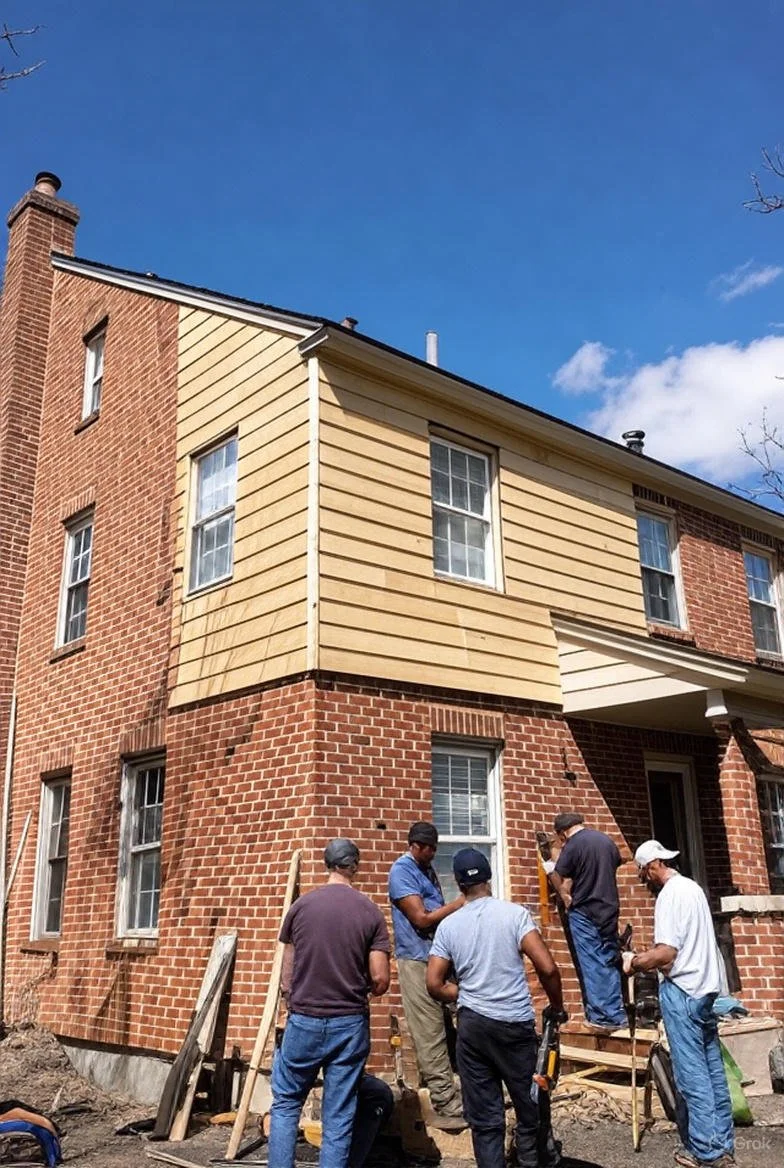
Why Siding Over Brick Might Not Be the Best Move for Your Home
Hey there, homeowner—picture this: You've got a classic brick exterior that's stood the test of time, but you're eyeing siding as a quick refresh. It's tempting, right? A fresh look without the hassle. But before you commit, let's chat about the downsides. As experts at German Smear Specialist, we've seen plenty of folks regret covering up beautiful brick, especially when smarter options like professional German Smear can enhance what you already have. In this post, we'll break down the real cons of siding over brick, backed by solid insights from home improvement pros. Spoiler: It often hides problems rather than solving them, and there are better ways to boost curb appeal and efficiency.
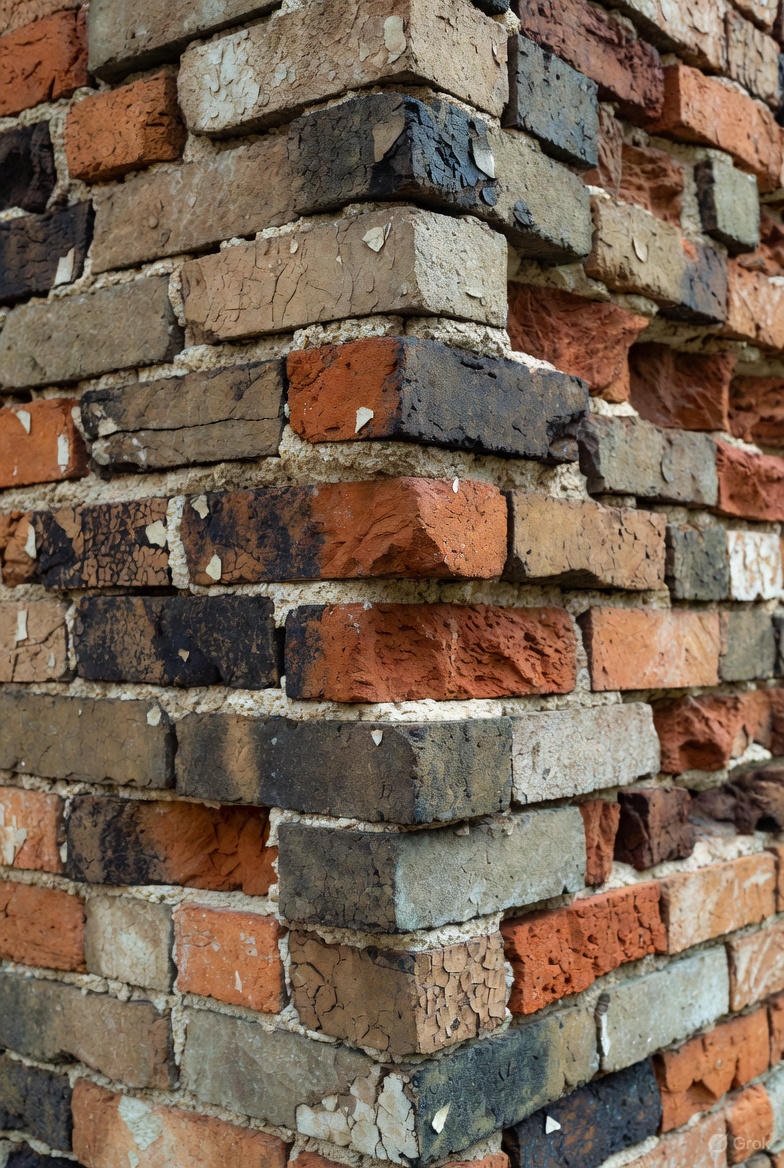
When Brick Traps Moisture: The Silent Killer Lurking in Your Walls
You spot a damp patch on the basement wall or white streaks bleeding down the facade—your brick is crying uncle. Trapped moisture doesn’t just stain; it shatters faces, dissolves mortar, breeds mold, and quietly inflates repair bills into five figures. In 2025, the Brick Industry Association and Angi’s masonry dataset tag moisture damage as the #1 failure mode for brick homes. Below, we map the destruction timeline, slap real price tags on each stage, and—crucially—expose how painting and limewashing can accelerate the nightmare if done wrong. Let’s arm you with facts so your brick breathes, not breaks.

Limewash vs. Painting Brick: A Detailed Cost Breakdown of Upfront Expenses, Maintenance, and Long-Term Degradation
Ever glanced at your brick exterior and felt it could use a refresh, but hesitated because of the unknown costs lurking beyond the initial quote? In 2025, with home improvement budgets tighter than ever, smart homeowners are digging into the real numbers behind popular brick transformations like limewash and painting. At German Smear Specialist, we've consulted on countless projects and know that understanding these options inside-out helps you avoid surprises. We'll break down limewash and painting brick in detail—upfront costs, ongoing maintenance, and the degradation factors that can turn a "bargain" into a money pit. By the end, you'll see why some choices demand more from your wallet (and peace of mind) over time. Let's unpack this step by step, so you can make an informed decision for your home.

Unlocking the Hidden Perks of German Smear: Insulation for a Cozier, Quieter Home
Hey there, homeowner! As we settle into this crisp October 27, 2025, with energy prices still making waves in the news, what if a single upgrade could wrap your home in timeless charm while dialing down those utility bills and outside noise? Picture transforming your brick exterior into something that not only looks inviting but also works smarter for your comfort. German Smear, that professional masonry technique layering mortar for a textured, European-inspired finish, delivers just that. Here's the smart reason why: It goes beyond aesthetics to offer real insulation benefits, as verified by masonry experts who note how added mortar enhances thermal properties. In this post, we'll explore how this approach creates quieter, more efficient spaces, backed by reliable insights from home improvement sources.

German Smear: The Sustainable Choice for Eco-Conscious Homeowners
What if your next home upgrade could not only make your exterior look stunning but also align with your values for a greener planet? In a world where sustainability is more important than ever—especially with rising energy costs and environmental concerns—German Smear stands out as a smart, eco-friendly option. We've seen how this professional masonry technique transforms homes while minimizing environmental impact, using natural materials that enhance energy efficiency and reduce waste. Picture your brick facade getting a timeless makeover that cuts down on your carbon footprint. In this post, we'll explore why German Smear is the intelligent, planet-friendly alternative to traditional updates like painting, backed by expert insights and verified facts as of October 27, 2025.

Why Painting Your Brick Is a Mistake—and How German Smear Is the Smarter Choice
Tired of your home’s dated brick exterior and thinking about slapping on a fresh coat of paint? Hold that thought—painting your brick could lead to costly issues down the road.

Choosing the Right Finish for Your Brick: Limewash vs. German Smear
Ever stared at your home's brick exterior and thought, "This could use a refresh that boosts curb appeal without sacrificing functionality?" You're not alone—many homeowners are exploring timeless techniques to elevate their spaces. Enter limewash and German Smear, two popular options that give brick that charming, aged European vibe. But what's the real difference, and which one could save you on energy bills while making your home the envy of the neighborhood? As experts at German Smear Specialist, we've helped countless clients navigate these choices, and we're here to break it down for you in a way that's smart, straightforward, and tailored to your needs. By the end, you'll see why understanding these distinctions can lead to a more beautiful, efficient home.