Exploring the Different Styles of German Smear Techniques
German Smear refers to a traditional masonry technique where mortar is applied and partially or fully smeared over brickwork to achieve a weathered, timeworn look. Documented as early as the medieval period in Europe, it was initially used as a functional repair method to consolidate deteriorating mortar joints and stabilize mismatched bricks in structures like cottages and castles. Architecturally, it matters because it preserves the natural breathability of brick while providing aesthetic enhancement, allowing buildings to age gracefully in various climates without the risks associated with impermeable coatings.
Traditional Style

The light mortar wash style involves a thin, fluidized mortar application that subtly tones the brick surface. Commonly used in regions with milder climates, this approach maintains much of the original brick's color and texture, drawing from historical practices where minimal intervention was preferred for everyday dwellings.
Application Method: Mortar is diluted and applied by hand, often with trowel, then partially wiped off to leave material in the grout lines with little to no overlap onto the face of the brick.
Key Characteristics: Typically covers 10-30% of the brick surface; preserves visual depth and soft definition; enhances vapor permeability, allowing moisture to escape and reducing freeze-thaw damage risk.
Historical Context: Likely derived from early European repair techniques to refresh facades without altering structural behavior.
Architectural Considerations: Suited for modern farmhouses or transitional designs where breathability is key, distinguishing it from non-porous paints that can trap moisture.
This style emphasizes building science principles like adhesion through mechanical bonding of mortar to brick pores, ensuring longevity in humid environments.
Slurry Style
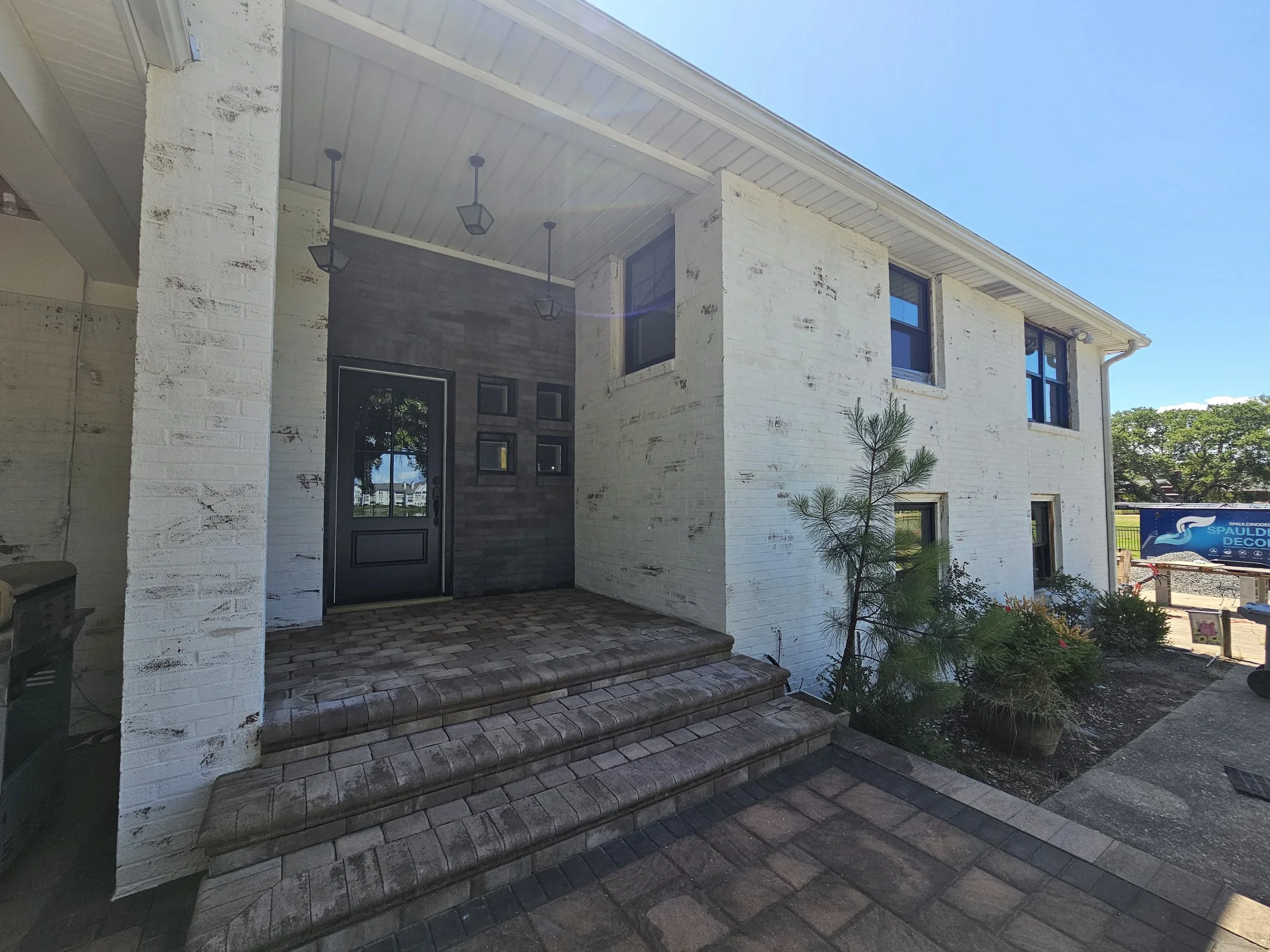
In the slurry style, mortar is applied to create a balanced integration between the brick and the overlay. This method softens harsh brick edges while exposing small portions of the original material, reflecting common practices in historic European brickwork.
Application Method: Mortar is troweled on and selectively removed, focusing on joints and select areas for a harmonious blend.
Key Characteristics: Coverage ranges from 70-90%; results in a naturally aged surface with warmth from the underlying brick; promotes breathability similar to lime-based mortars used historically.
Historical Context: Commonly used throughout Central Europe to mimic the irregular stone and heavy mortar joints found in centuries-old structures.
Architectural Considerations: Ideal for achieving classic authenticity; unlike limewash, which is a thinner mineral coating, this uses thicker mortar for added texture and durability.
Material behavior in this style includes improved resistance to weathering due to the mortar's composition, often incorporating lime for flexibility and vapor transmission.
Rustic Style
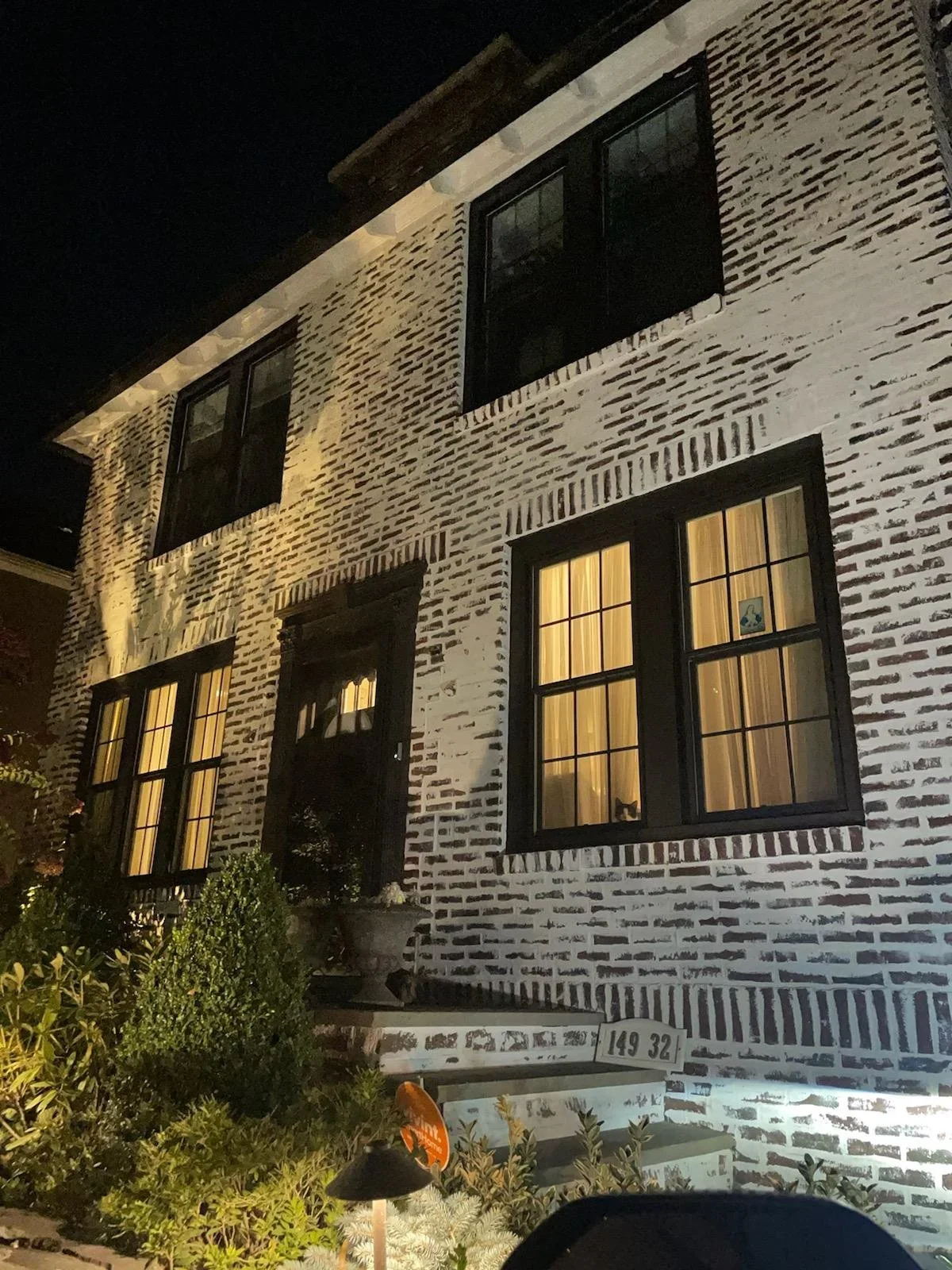
The rustic style features intentional variations in mortar application, embracing imperfections for a handcrafted appearance. This draws from old-world masonry traditions where tool marks and irregularities were valued as signs of artisanal work.
Application Method: Applied with trowels in an uneven manner, leaving visible marks and shadows without uniform coverage.
Key Characteristics: Variable coverage, often 40-80%; highlights textural depth and individuality; mortar's irregular application allows for natural expansion and contraction in freeze-thaw cycles.
Historical Context: Embraced in historic homes and farmhouses across Europe, evoking the character of aged masonry.
Architectural Considerations: Best for cottages or structures in variable climates; differs from whitewash, which provides a more uniform, matte finish without the mortar's structural reinforcement.
This style underscores the importance of climate considerations, as the uneven layer can help dissipate thermal stress in brickwork.
Mortar Wash Style
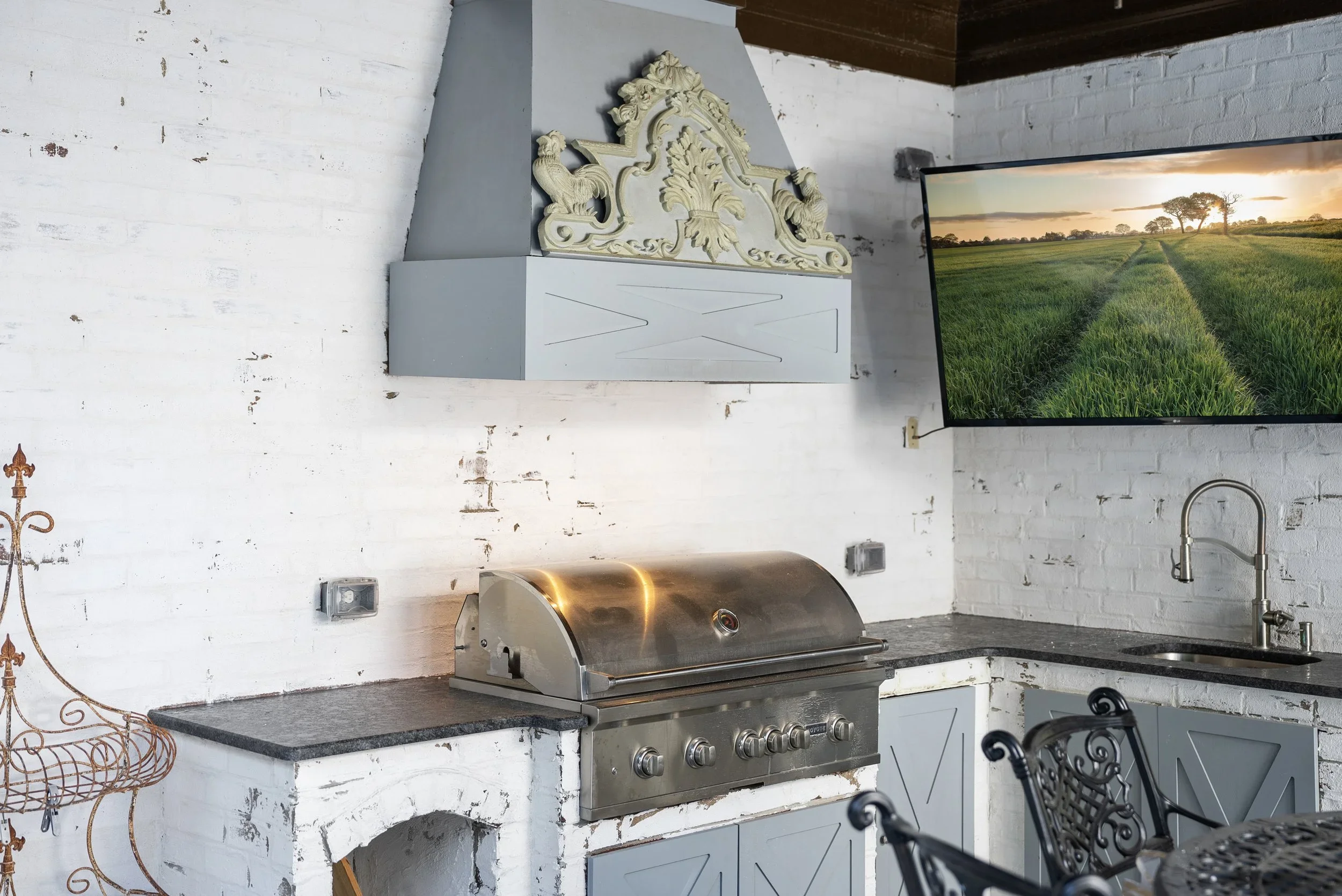
The Mortar Wash style applies a more continuous mortar layer, coating most of the brick while allowing some clusters to show through. This approach provides a smoother, monolithic look, rooted in techniques for greater protection in harsher environments.
Application Method: A mortar mix is spread across the surface, softened at edges but left large coverage of brick face.
Key Characteristics: Coverage exceeds 80%, sometimes nearing full; offers tonal depth with subtle variations; enhances durability through a breathable barrier that outlasts impermeable paints.
Historical Context: Used in European contexts for refined aesthetics on prominent buildings, building on repair methods to create enduring facades.
Architectural Considerations: Suitable for modern designs seeking subtlety; distinct from limewash by its mortar base, which includes sand for added texture and adhesion.
In terms of material science, the slurry's composition ensures high vapor permeability, preventing moisture buildup that could lead to efflorescence or spalling.
Conclusion
The various styles of German Smear—from light mortar wash to heavy slurry—offer educational insights into how historical masonry techniques adapt to architectural needs, balancing aesthetics with functional benefits like breathability and durability. These methods highlight the evolution of brick treatments in European traditions, emphasizing verifiable principles of material compatibility and climate resilience. Understanding these distinctions aids in appreciating the conservation of built heritage without modern interventions that compromise integrity.
Looking to DIY?
Checkout SmearTech’s Signature White™ Mortar and German Smear Tools.