

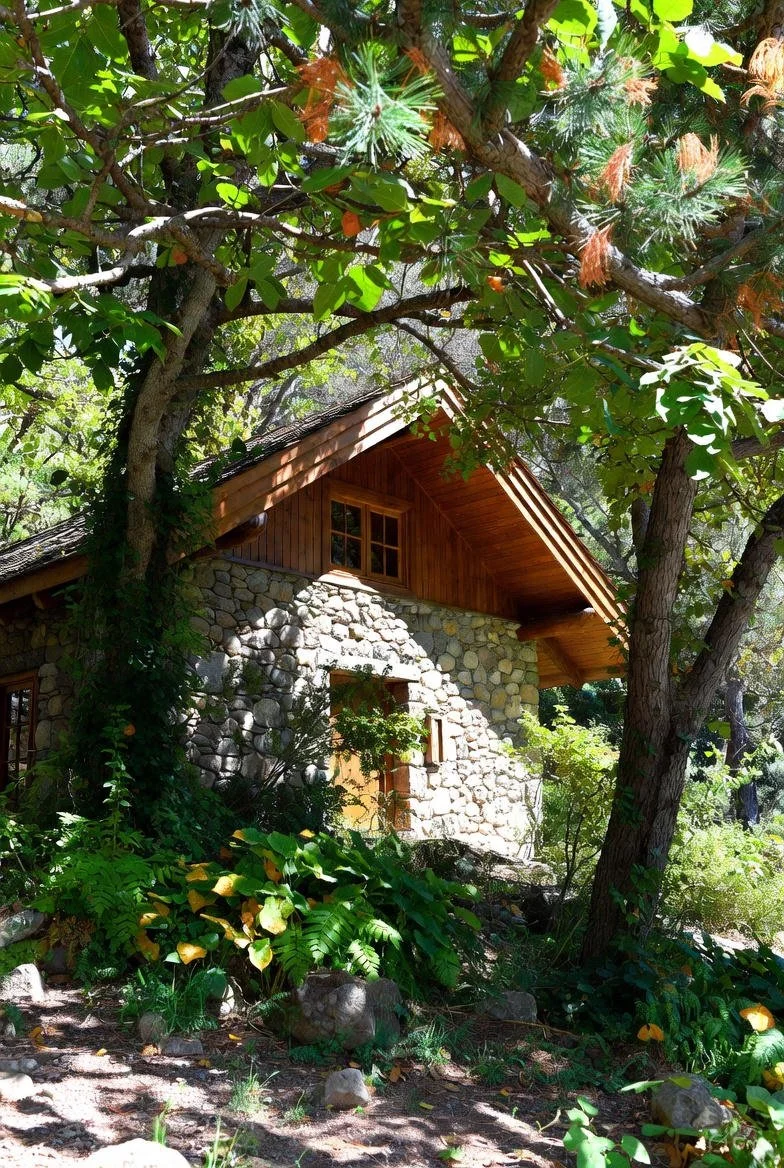
Differences in German Smear Application and Aesthetics on Natural Versus Man-Made Stone
German Smear, a mortar-based finishing technique rooted in European building traditions, creates a textured, aged appearance when applied to stone surfaces. While suitable for both natural and man-made stone, the process and results vary due to differences in material composition and surface characteristics. These distinctions influence texture, adhesion, and overall uniformity, offering unique architectural expressions in each case.
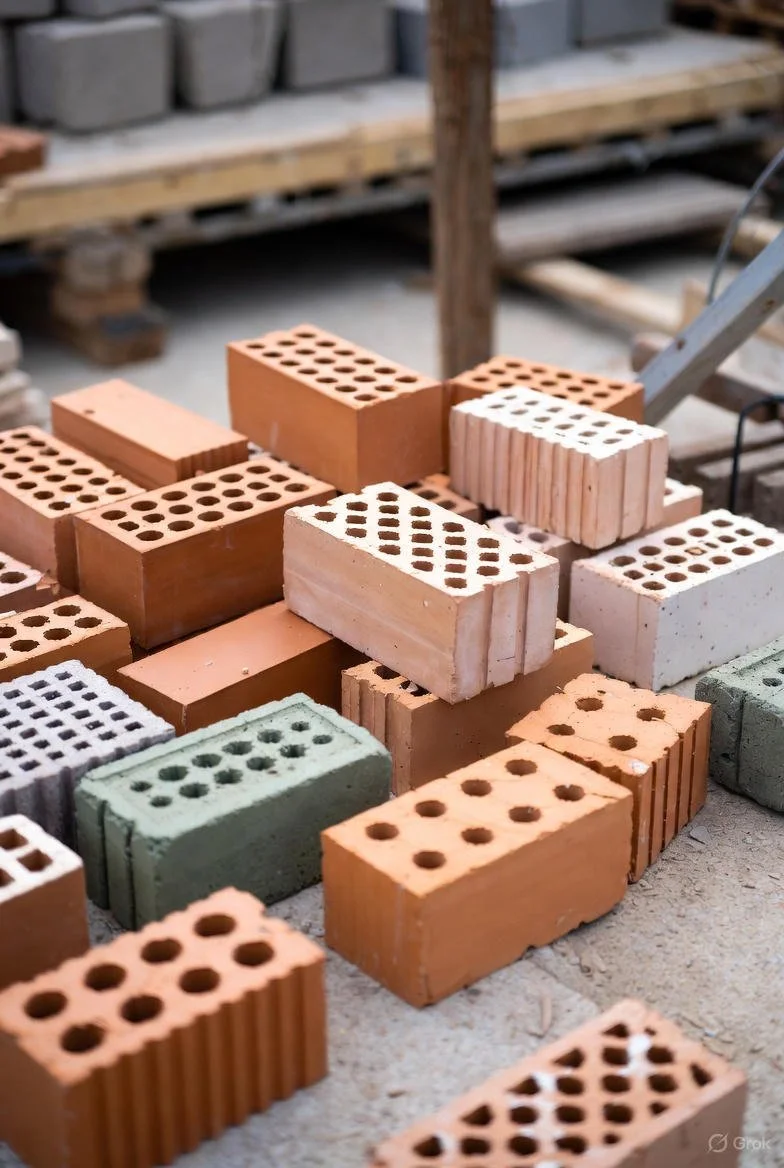
Characteristics of Fired Clay Bricks: Dark Marks and Perforations
Many fired clay bricks exhibit dark marks or spots on their surfaces, resulting from chemical changes during the kiln firing process. These features reflect the material composition of the clay and atmospheric conditions in the kiln. Similarly, perforations or indentations in bricks serve practical purposes rooted in manufacturing efficiency and structural performance, allowing for uniform firing and improved bonding in masonry construction.
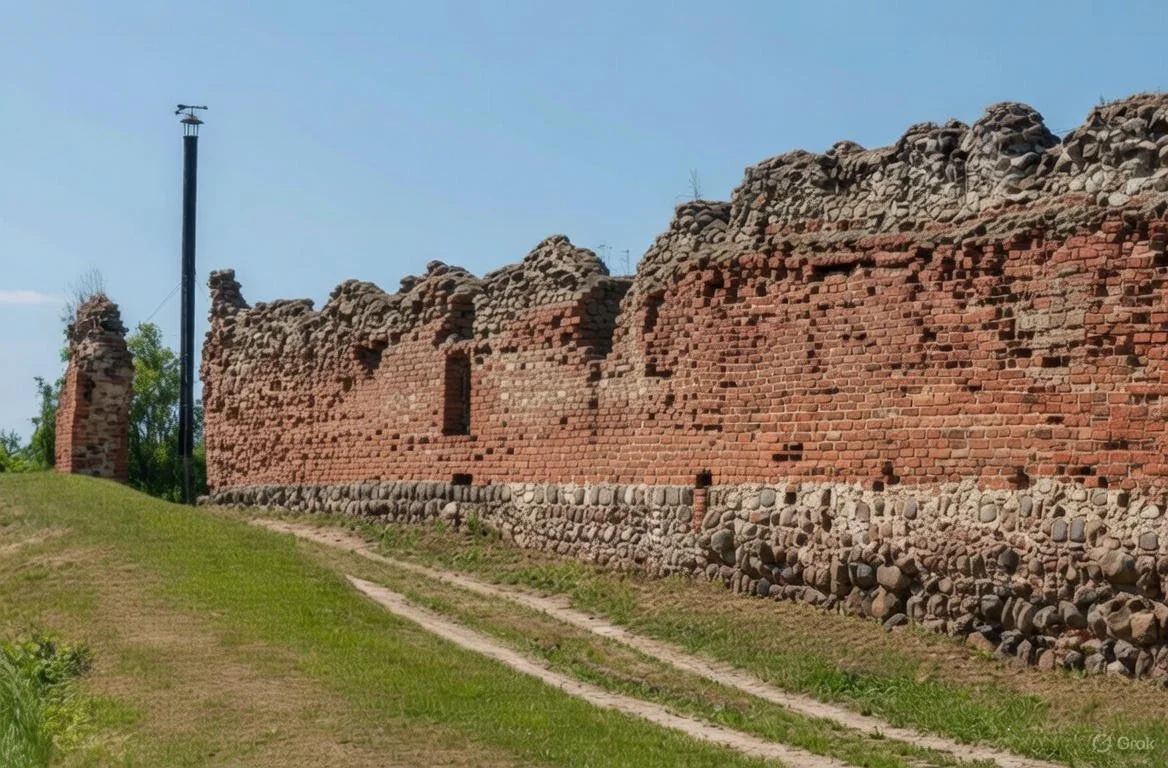
Height Limitations in Historical Brick Structures Versus Modern Possibilities
Historical load-bearing brick buildings were constrained by material variability and compressive limits, requiring massive base walls for modest heights. The tallest unreinforced brick skyscraper reached only 215 feet with walls up to 6 feet thick at the base. Modern advancements, including reinforcement and engineered masonry, allow taller structures with thinner walls, while thin brick veneers enable brick aesthetics on much taller framed buildings.
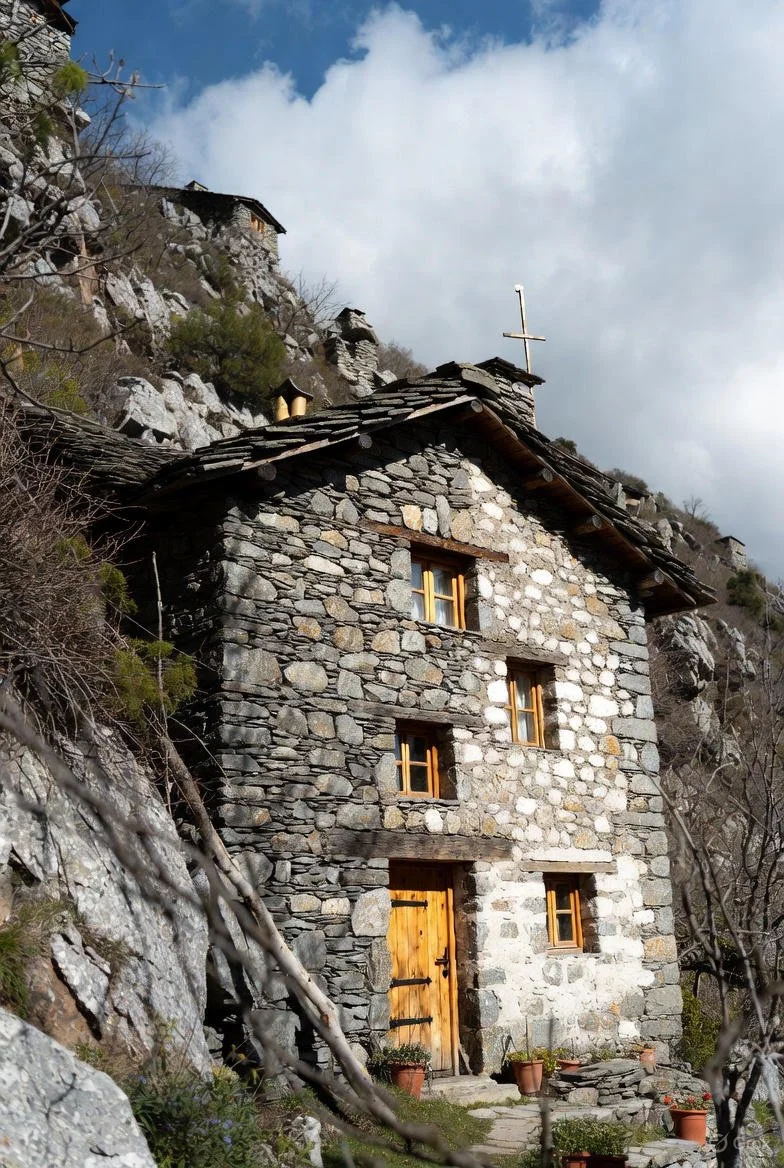
The Impact of Altitude on Mortar Adhesion in German Smear Applications
Altitude plays a significant role in the curing and adhesion of mortar used in traditional techniques like German Smear, affecting factors such as evaporation rates and material expansion. This influence is particularly relevant for porous substrates like brick and stone, where environmental conditions at higher elevations can alter long-term durability. Understanding these effects helps preserve historical architectural methods rooted in European building practices.
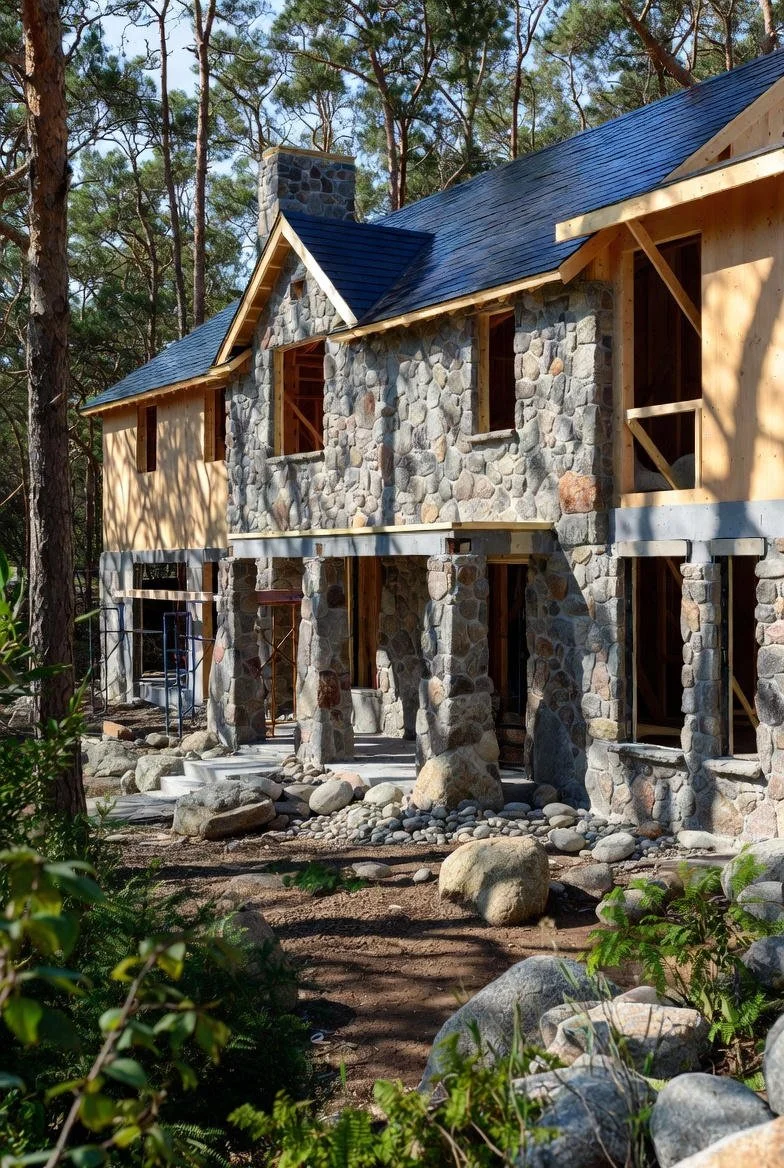
The Evolution from Natural Stone to Manufactured Stone in Residential Construction
Natural stone has served as a primary building material since ancient civilizations, valued for its durability and aesthetic appeal in structures like pyramids and temples. Over time, advancements led to thin natural stone veneers and, in the mid-20th century, manufactured stone alternatives made from concrete mixes. This shift reflects changes in construction needs, with manufactured stone offering lighter weight and consistency while natural stone provides unique variation and proven longevity.
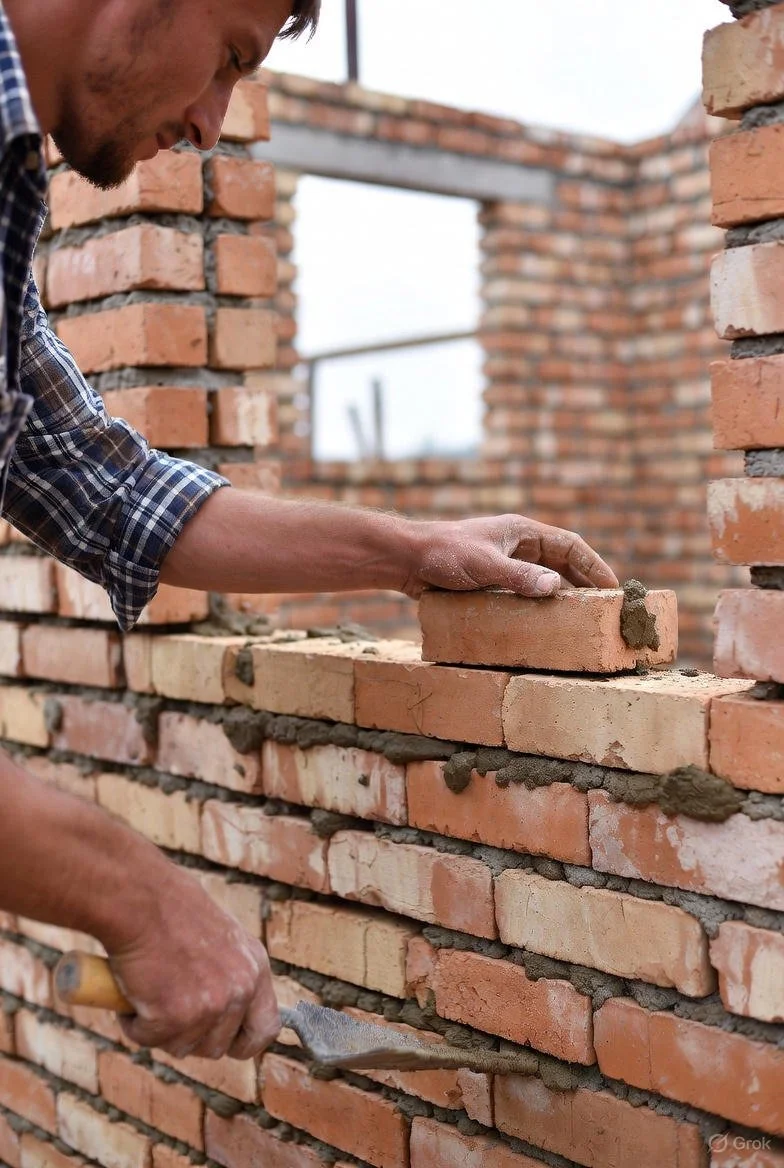
Brick Masonry in Home Construction: Materials, Processes, and Mortar Considerations
Brick homes rely on durable clay bricks bonded with mortar joints to form structural or veneer walls, providing strength, fire resistance, and thermal mass. Standard mortar joints are typically 3/8 inch (10 mm) thick to ensure load-bearing capacity and proper adhesion. In contrast, the German Smear technique uses a thin, uneven layer of mortar as a surface treatment for aesthetic purposes, distinct from the structural role of construction mortar.
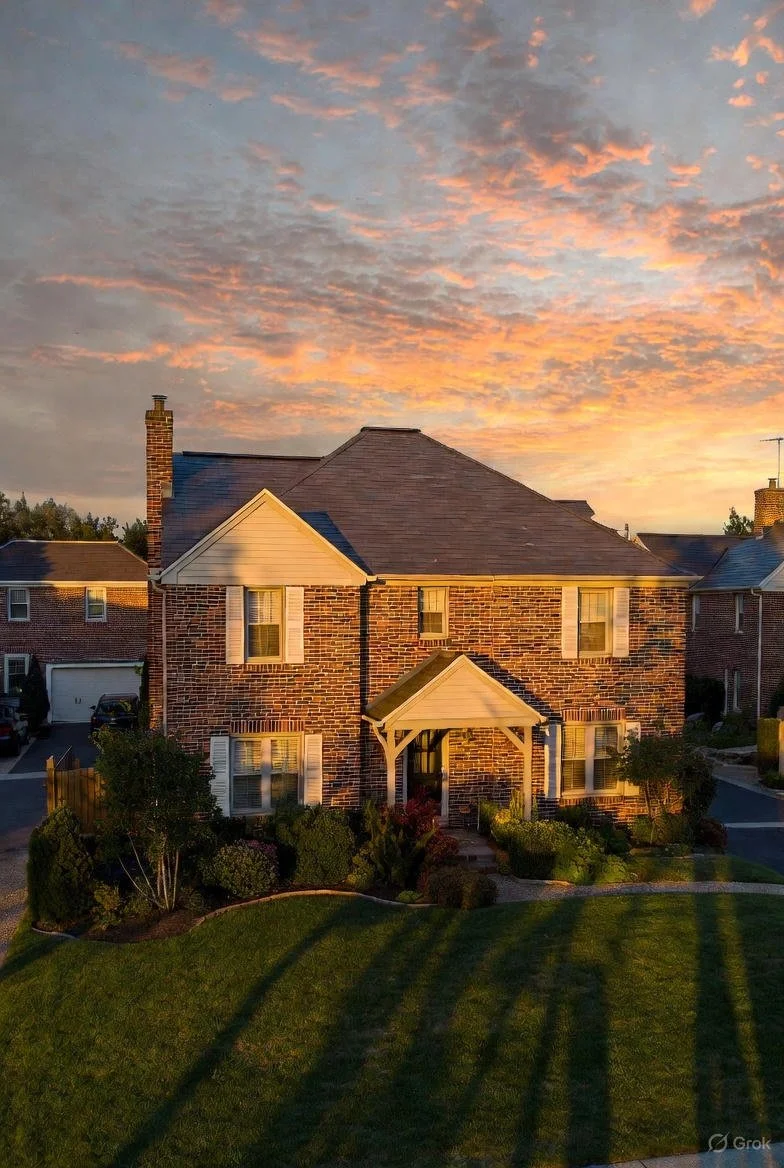
Comparing Maintenance Requirements of Common Exterior Building Materials
Exterior building materials vary significantly in durability and upkeep needs, with options like brick and concrete masonry units (CMU) offering the longest lifespans and lowest maintenance. Vinyl and metal sidings provide ease of care through simple cleaning, while wood demands frequent intervention to prevent deterioration. Understanding these differences helps in assessing long-term performance across diverse climates and architectural applications.
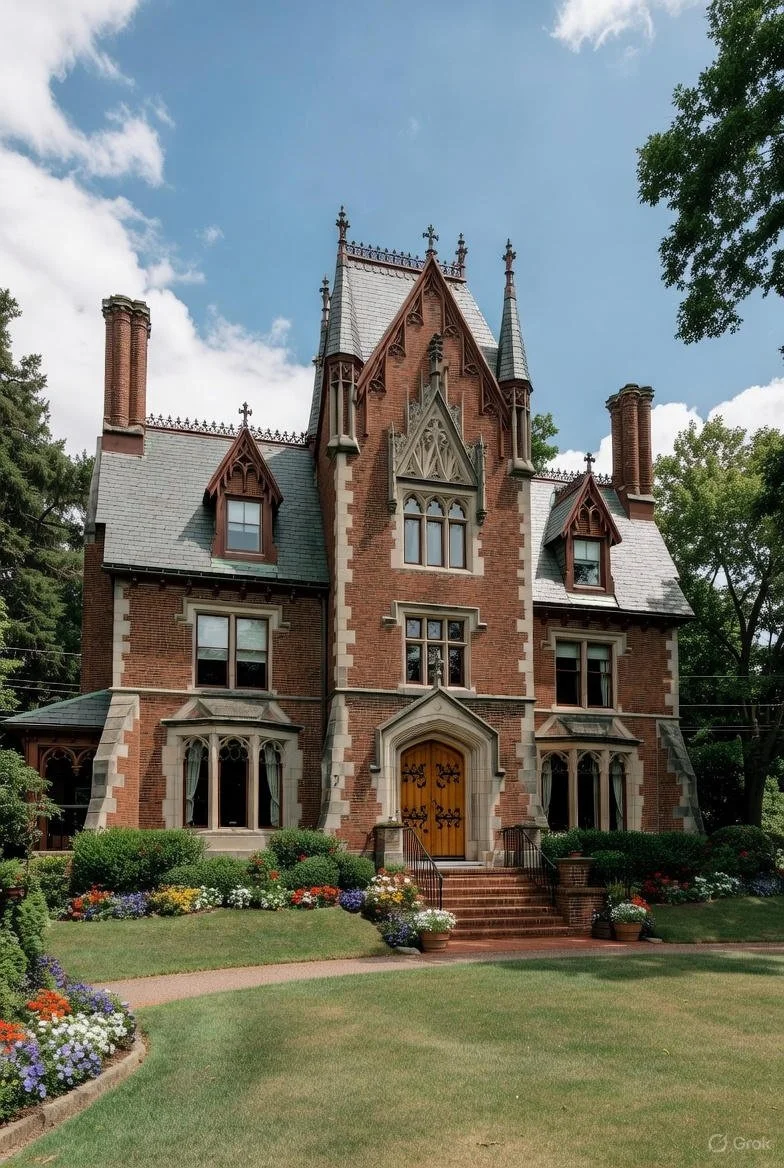
The Pros and Cons of Owning a Brick Home
Brick homes have long been valued for their durability and timeless appeal, rooted in historical building practices that emphasize longevity and resilience. However, owning such a structure involves weighing benefits like energy efficiency against challenges such as moisture management and structural limitations. This overview explores these aspects in detail, including maintenance considerations and historical brick treatments like German Smear, to provide a comprehensive understanding for homeowners interested in architectural conservation.
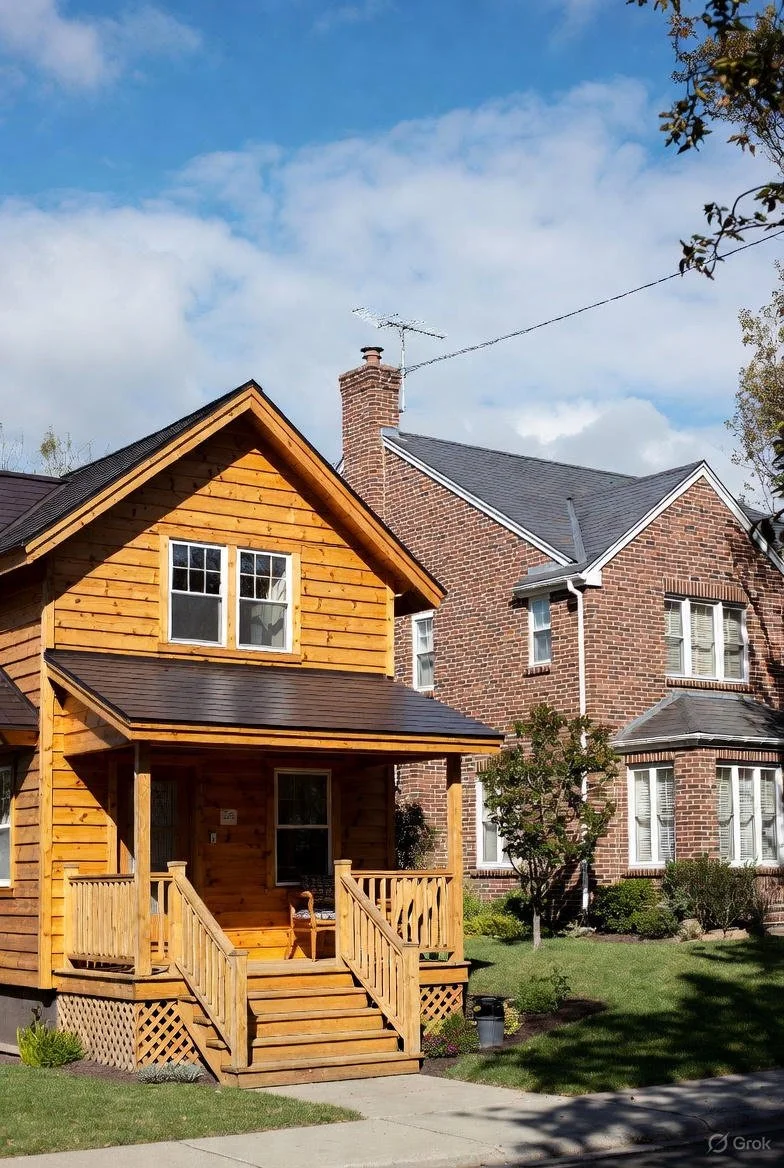
Prevalence of Brick Homes in the Southern United States
Brick homes are a common architectural feature in the southern United States, reflecting historical building practices, material availability, and environmental adaptations. This prevalence stems from practical considerations rather than aesthetic trends alone, offering insights into regional construction traditions.
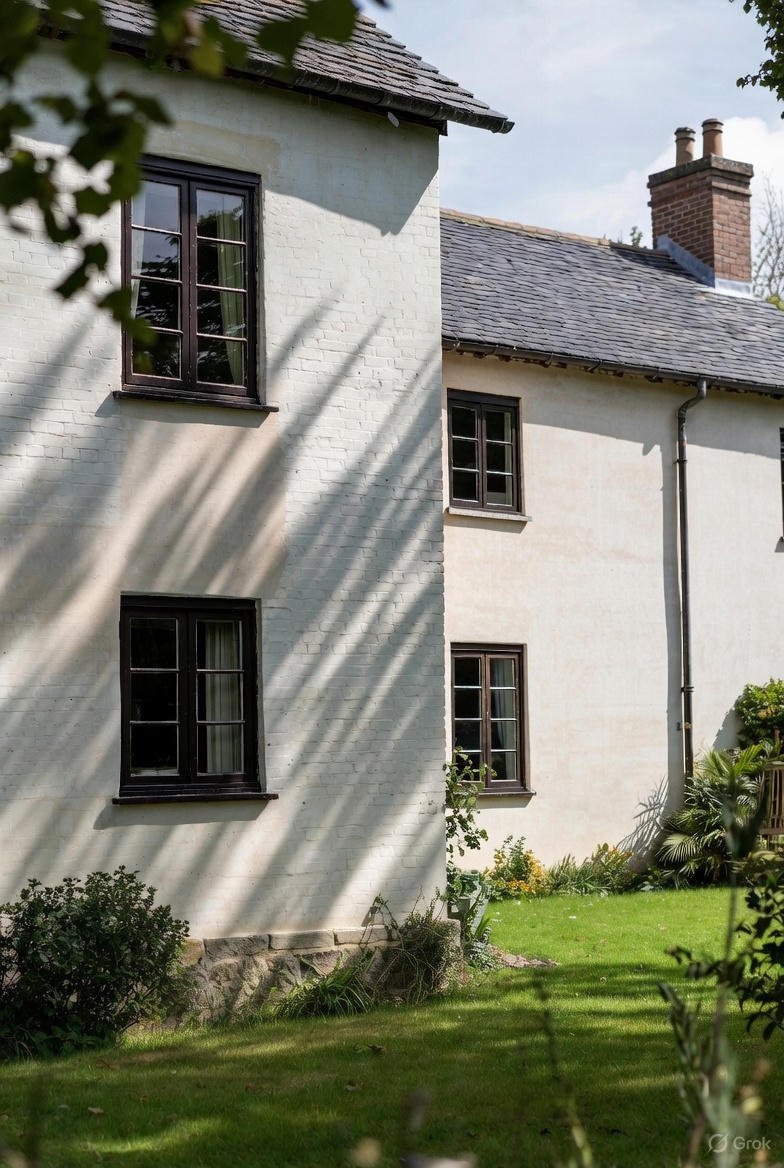
Why Is My Brick House So Hot?
Many homeowners with brick houses notice excessive indoor heat during warmer months, often due to the material's inherent properties. Brick's color and thermal mass play significant roles in absorbing and retaining solar energy, leading to higher temperatures inside. Understanding these factors, along with potential solutions like insulation and exterior coatings, can provide insights into managing heat in traditional brick structures.
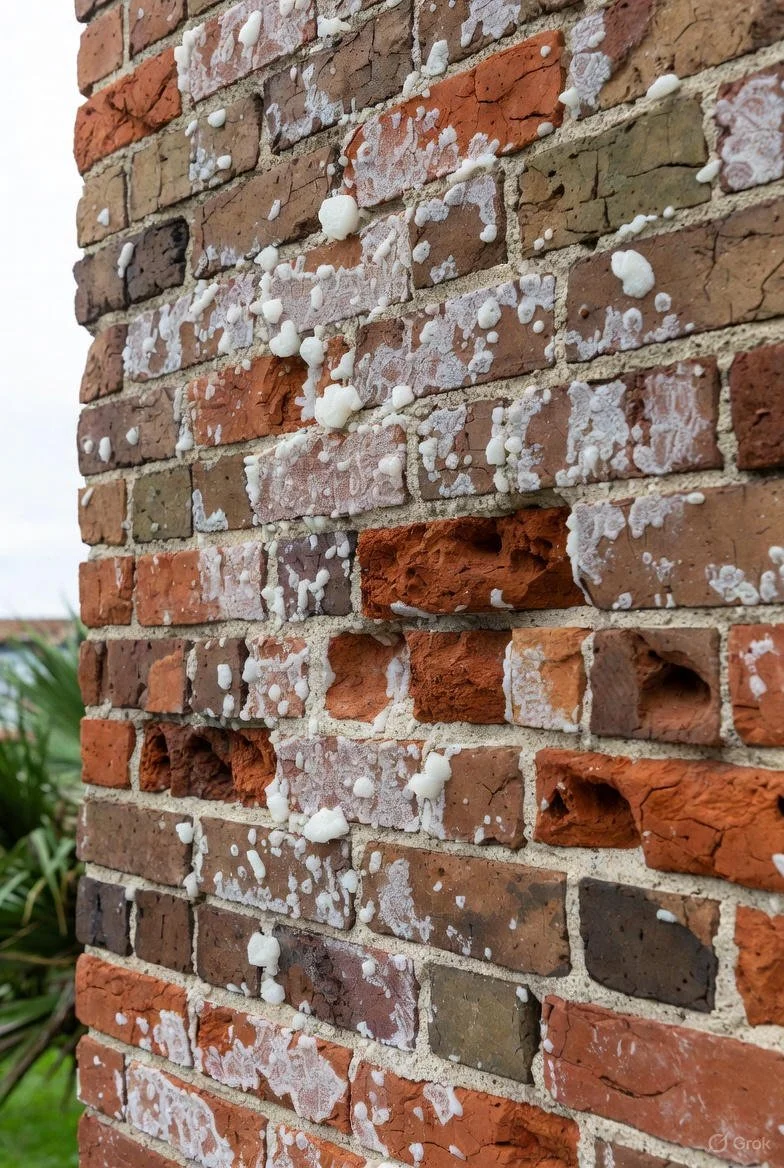
Why Does My Brick Have White Spots on It?
White spots on brick surfaces often indicate efflorescence, a common phenomenon in masonry where soluble salts crystallize on the exterior. This deposit forms through moisture migration and can signal underlying water issues that affect both the brick's integrity and any applied finishes. Understanding efflorescence is essential for preserving historical and modern brick structures, as it ties into fundamental building science principles like vapor permeability and material durability.
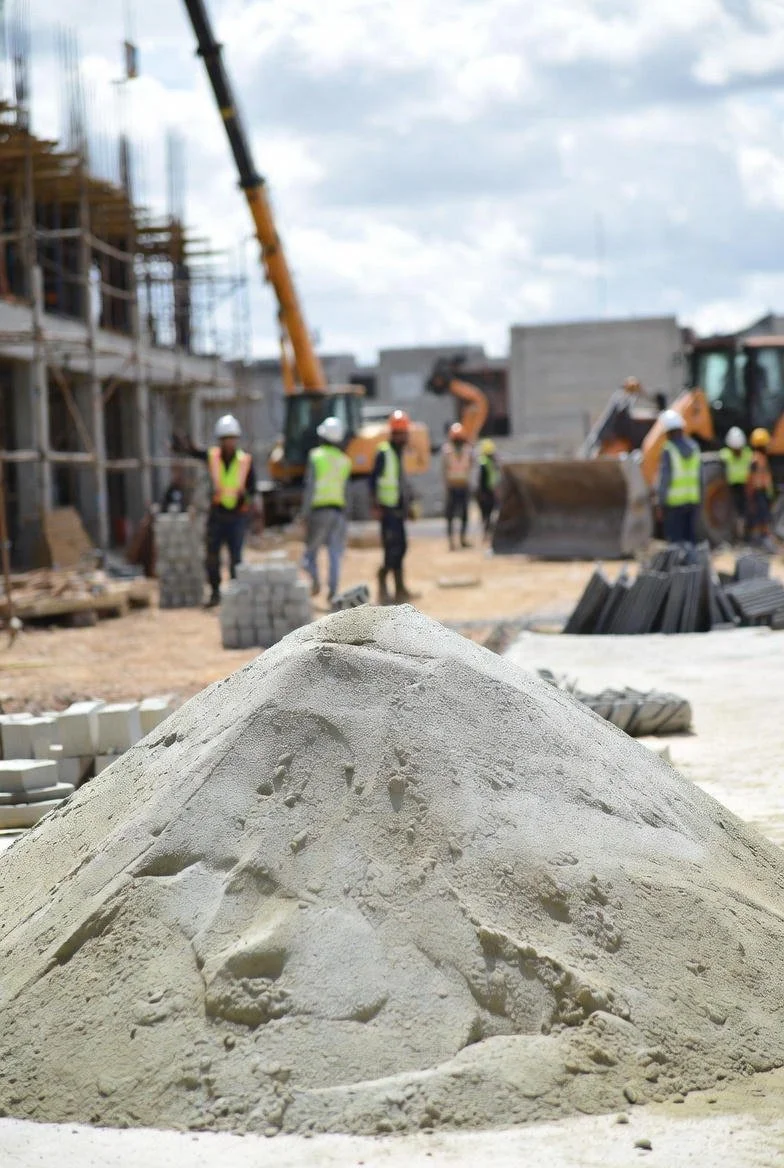
Types of Sand in Mortar and Their Influence on Cured Texture in German Smear Finishes
Sand serves as the primary aggregate in masonry mortars, influencing workability, strength, and the final surface texture after curing. Different sand types—characterized by grain size, shape, and grading—affect how mortar adheres, spreads, and dries. In German Smear, a mortar wash technique rooted in European traditions, the choice of sand directly impacts the rustic, textured appearance of the finish on brick surfaces.
Materials Used in Brick Production: Historical and Modern Perspectives
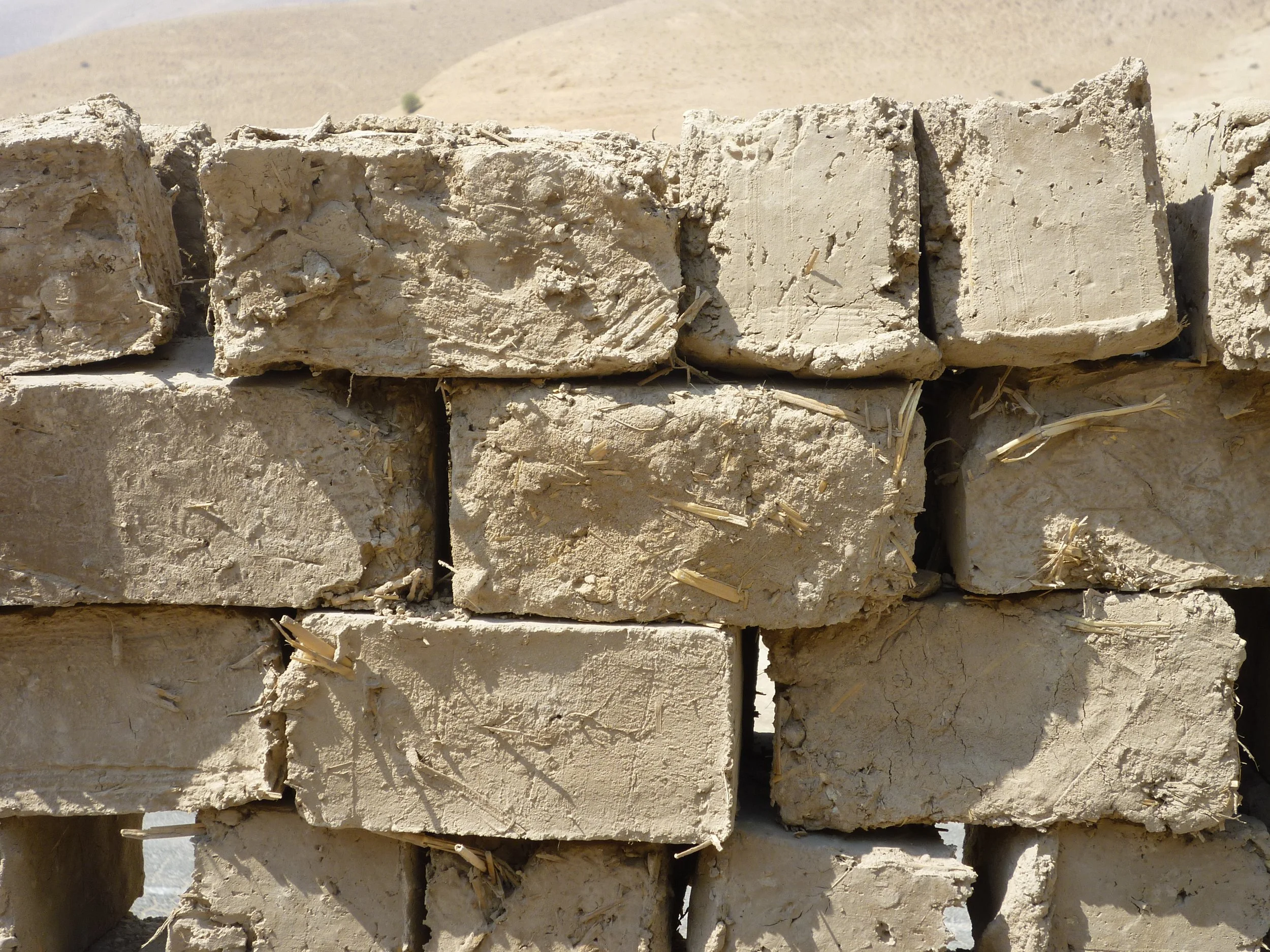
Bricks have been fundamental to architecture for millennia, primarily crafted from natural clays that are shaped and either air-dried or fired. Traditional fired bricks rely on aluminosilicate-rich clays, often blended with sand or additives for workability and strength. Modern variations include non-clay alternatives like concrete, fly ash composites, and calcium silicate, each offering distinct material behaviors suited to specific climatic and structural demands.

The Transition from Wooden to Brick Bridges in European Architectural History
Early European bridges were predominantly constructed from wood due to its availability and ease of use, but these structures were vulnerable to fire, decay, and flooding. The shift toward brick masonry, particularly in arch designs, offered greater durability and load-bearing capacity, influenced by regional material resources and engineering advancements. This evolution reflects adaptations in building science to achieve longer spans and enhanced resistance to environmental forces.
The Material Evolution of Brick: From Sun-Dried Clay to Modern Engineered Units
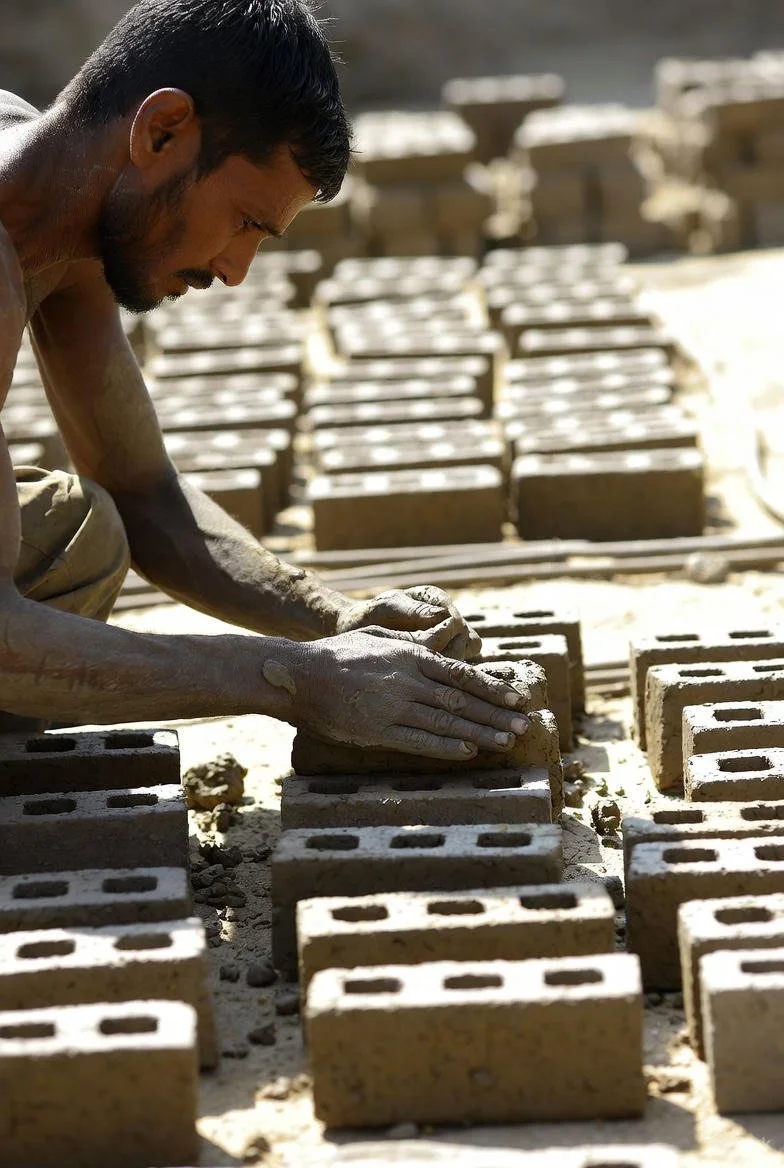
Brick, one of the oldest manufactured building materials, has undergone continuous refinement over 7,000 years. Early sun-dried mud bricks gave way to fired clay units in Mesopotamia, followed by Roman hydraulic additions, medieval European variations, and 19th-century mechanized production. Each stage reflects advancements in firing technology, raw-material understanding, and performance requirements driven by climate, durability needs, and architectural demands.
Common Historical and Modern Brick Bond Patterns: An Educational Overview
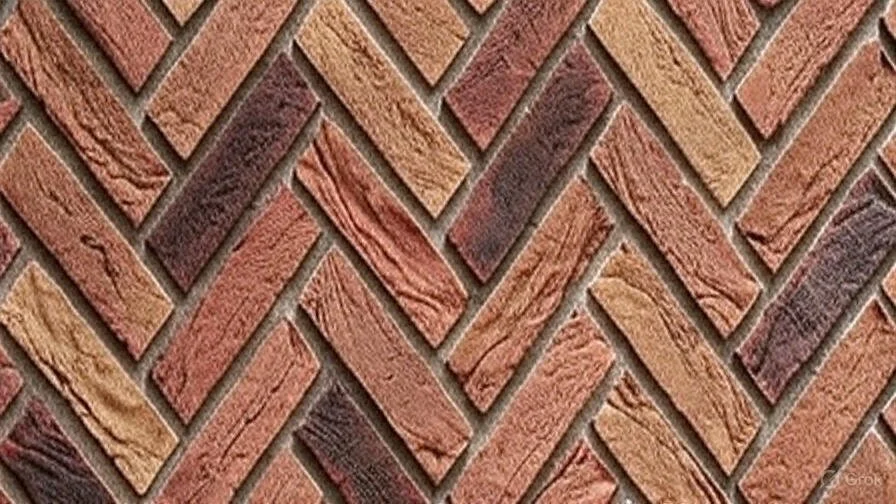
Brick bonds are the systematic patterns in which bricks are laid to create structural stability, visual rhythm, and regional character in masonry walls. Far from merely decorative, each bond distributes loads differently, manages moisture, and reflects the tools, labor traditions, and material availability of its time and place. Understanding these patterns helps explain why certain bonds dominated specific eras and climates across Europe and North America.
Mortar Strength Categories in Historical and Contemporary Masonry
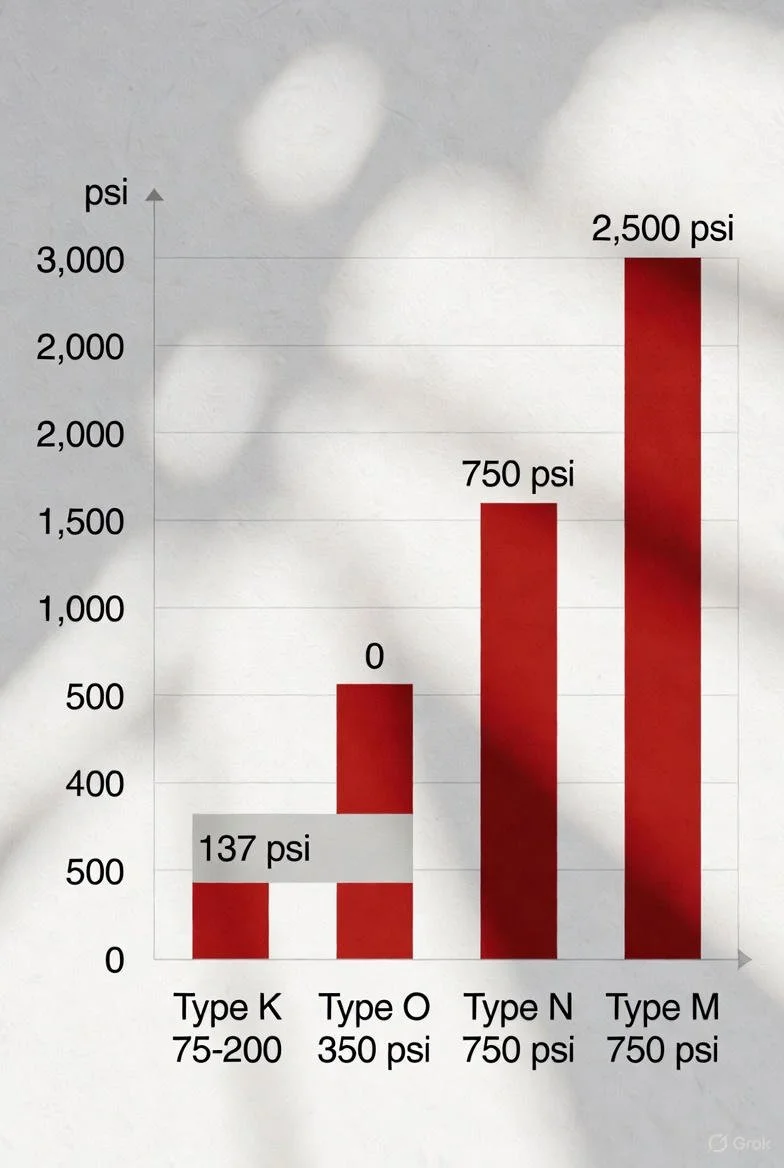
Mortar strength profoundly influences how masonry walls manage movement, moisture, and long-term durability. Traditional European construction used extremely weak lime mortars, whereas modern practice favors much stronger Portland cement mixes. Selecting the correct strength is fundamental to successful restoration and compatible new construction.
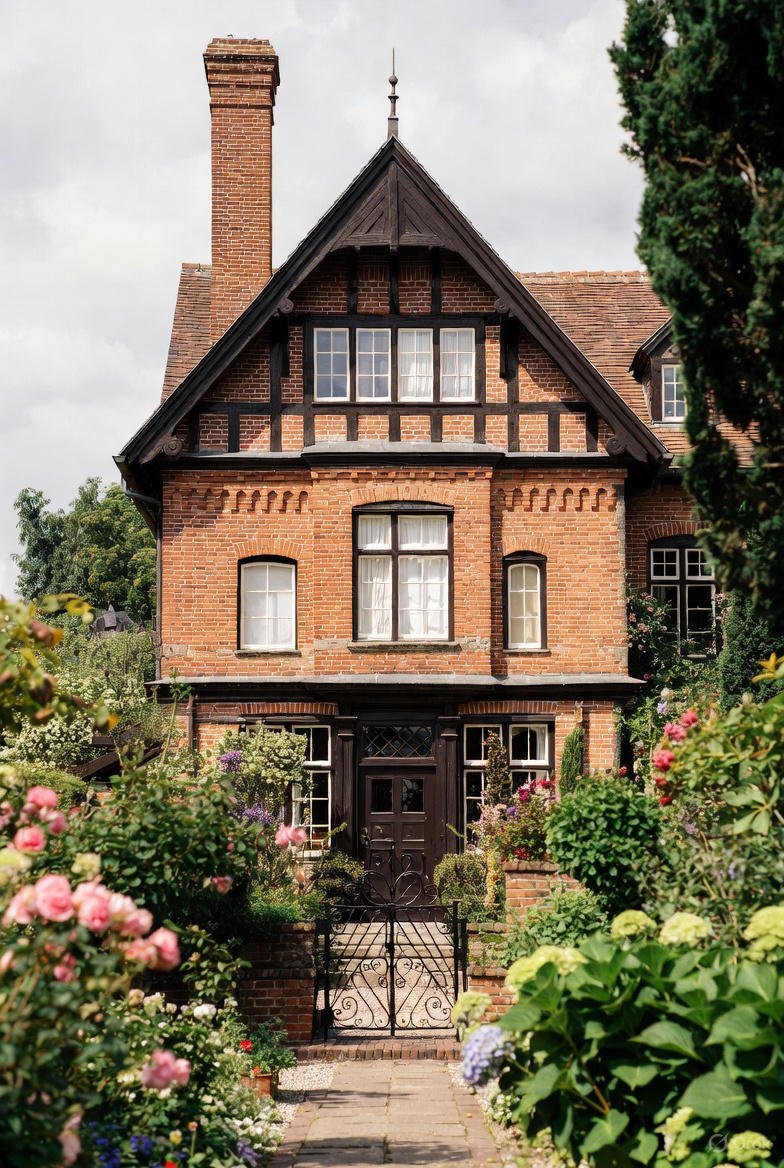
Why Fired Clay Brick Has Been Used for Centuries To Build Homes
Fired clay brick has remained a primary building material for over 5,000 years because it combines compressive strength, resistance to fire and biological attack, dimensional stability, and—when paired with lime mortar—excellent vapor permeability. Structures from Mesopotamia (3500 BCE) to medieval Europe and colonial America continue to stand and function with minimal intervention, demonstrating that brick’s longevity is not coincidental but the direct result of verifiable material properties and compatible jointing systems.
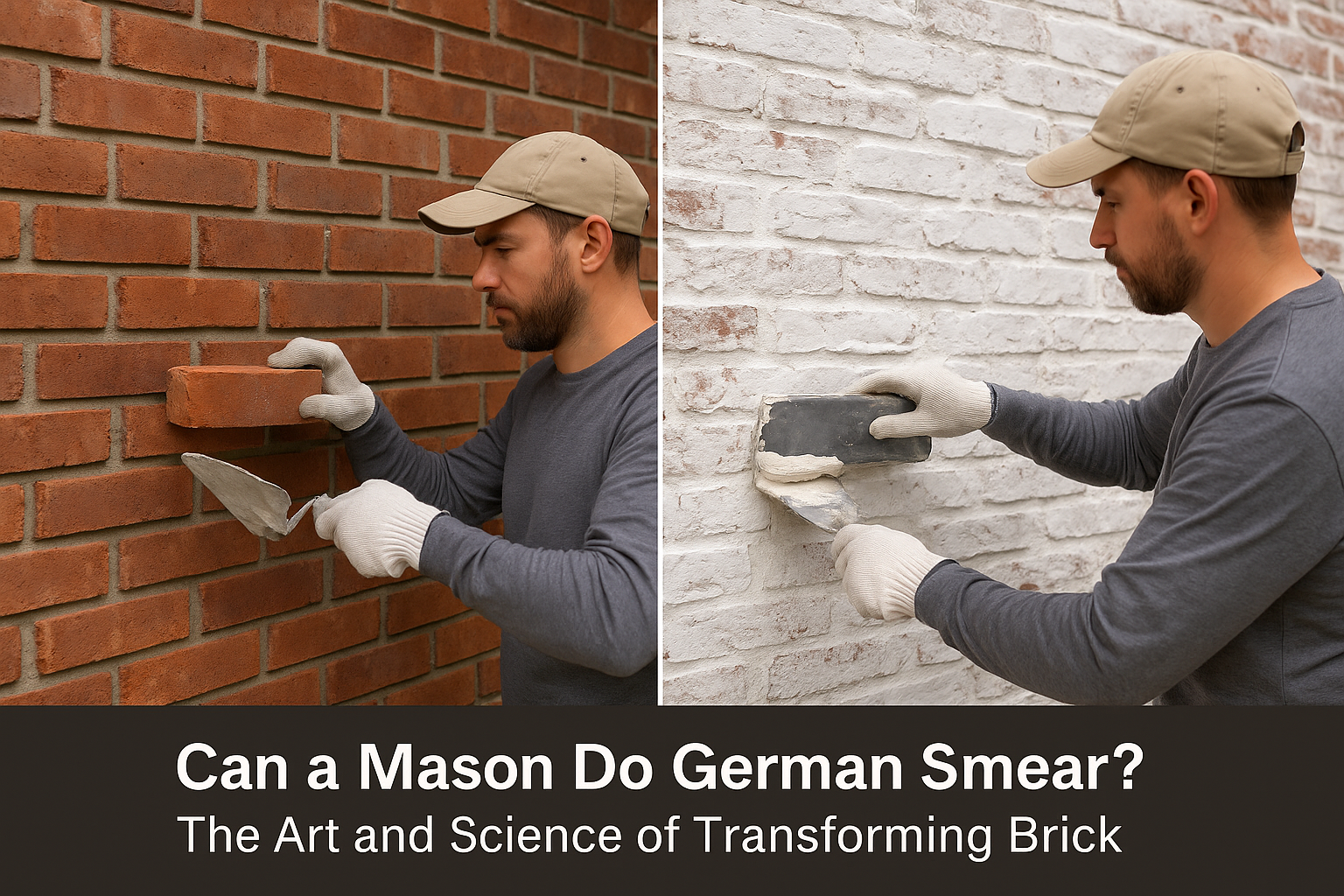
Can a Mason Do German Smear?
Not every mason is equipped to master the artistry behind a true German Smear. While traditional masonry focuses on structure and precision, German Smear requires a creative touch — blending technique, texture, and timing to achieve that signature old-world charm. In this article, we explore why this finish goes beyond standard brickwork, and what sets specialized craftsmen apart when transforming a home’s exterior.