

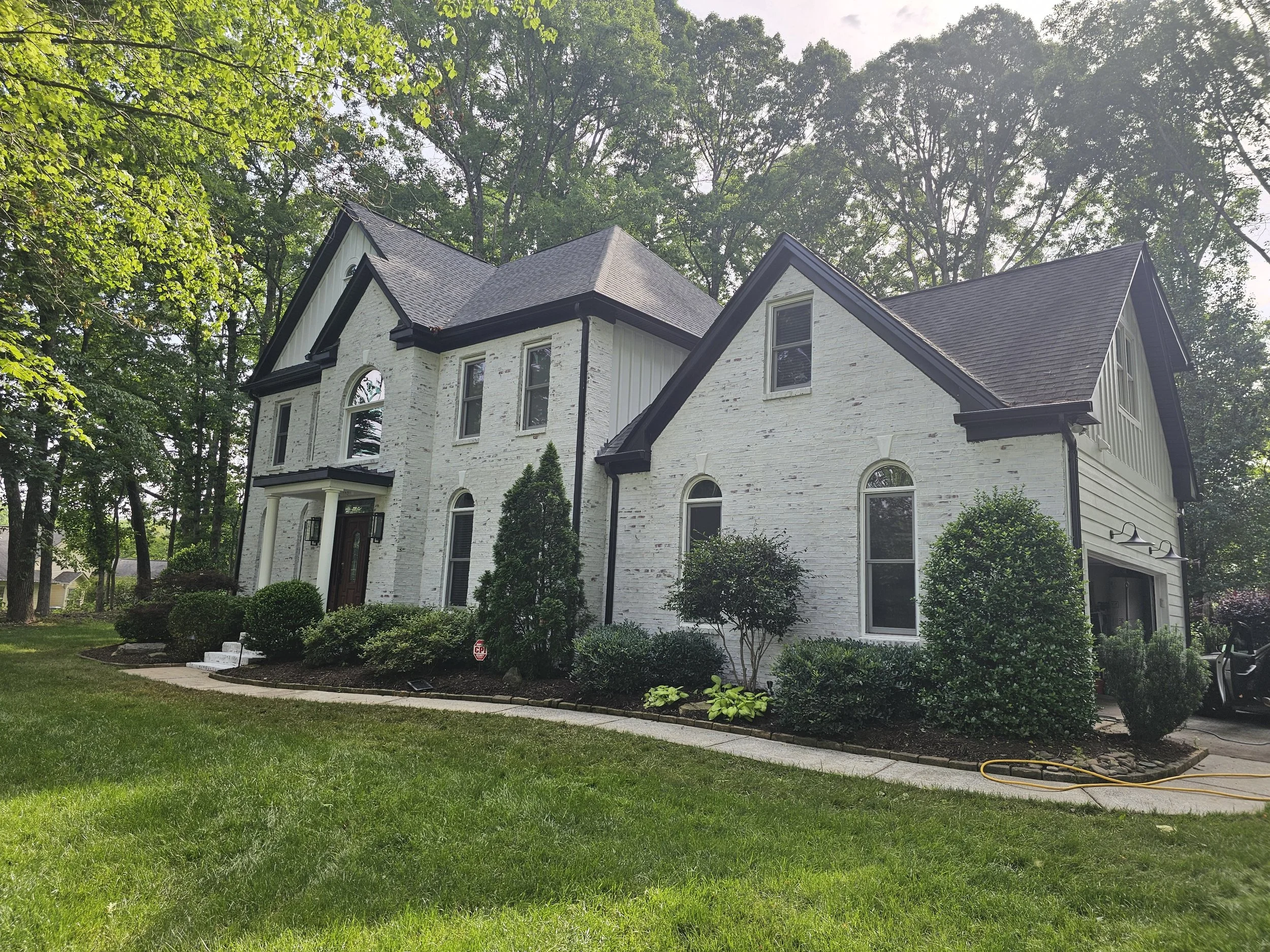
Distinguishing Limewash from German Smear: Origins, Chemistry, and Effects on Brick
This article compares limewash and German smear (also called schmear or mortar wash) as breathable brick finishes with European roots. It covers their historical origins (ancient limewash vs. medieval-to-19th-century German smear), chemical differences (pure air-lime carbonation vs. cement-lime hydraulic mortar), application methods, and effects on brick—especially vapor permeability, freeze-thaw resistance, and moisture management. Limewash offers superior breathability and subtle patina, ideal for humid climates like Georgia, while German smear provides textured durability and joint protection. Both outperform modern paints by preventing spalling and preserving masonry health.
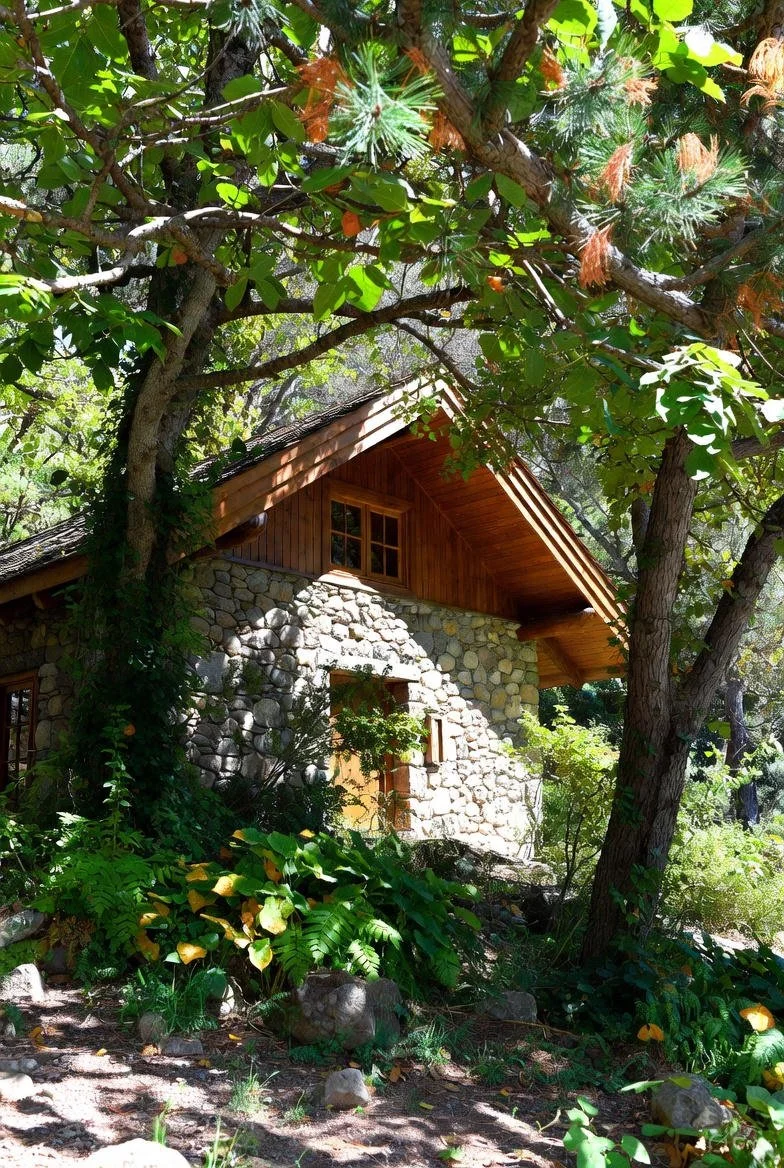
Differences in German Smear Application and Aesthetics on Natural Versus Man-Made Stone
German Smear, a mortar-based finishing technique rooted in European building traditions, creates a textured, aged appearance when applied to stone surfaces. While suitable for both natural and man-made stone, the process and results vary due to differences in material composition and surface characteristics. These distinctions influence texture, adhesion, and overall uniformity, offering unique architectural expressions in each case.

Creating an Irregular Pattern in German Smear
German smear, a traditional brick finishing method, relies on intentionally irregular application to produce a distressed, aged appearance that evokes historical European architecture. This "pattern that has no pattern" technique avoids uniformity, allowing the mortar to interact naturally with the brick surface for a timeless look. By embracing randomness in coverage and texture, artisans can replicate the organic wear seen in centuries-old structures.
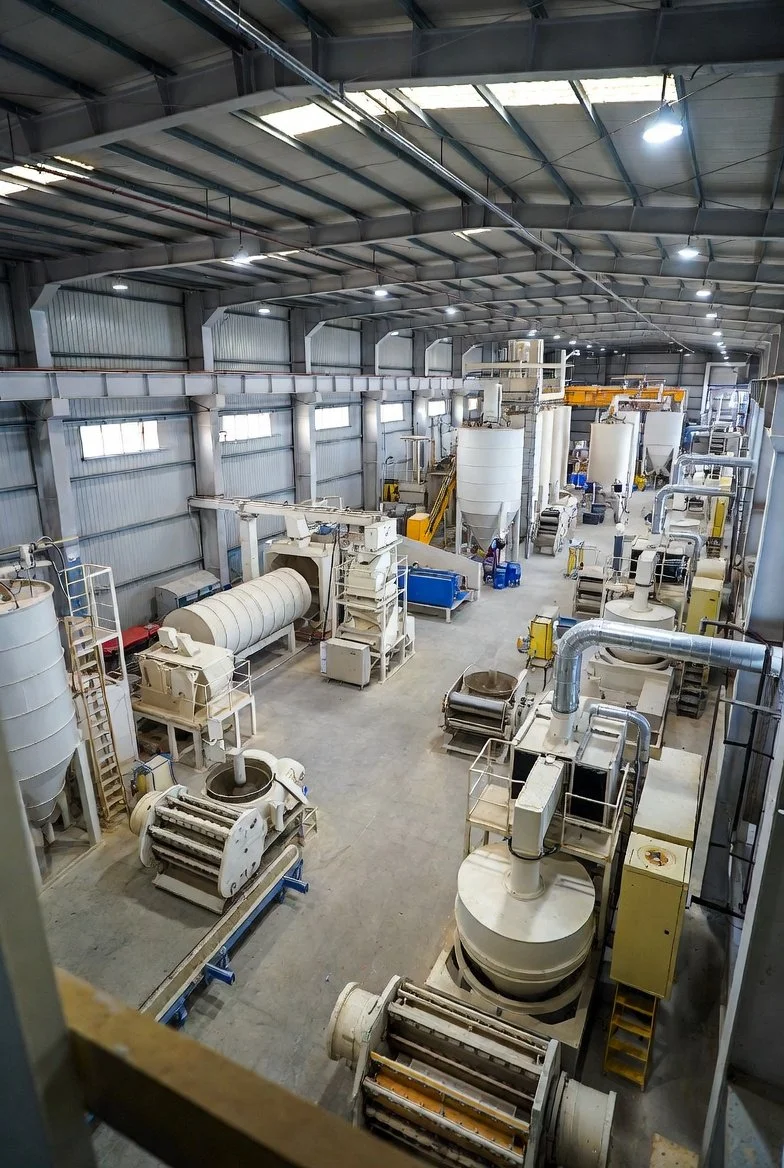
The Production and Properties of White Mortar
White mortar, prized for its light color in decorative architectural applications, is produced using specialized materials and processes to minimize impurities that cause discoloration. This mortar plays a key role in techniques like German Smear, where its composition influences both aesthetics and material performance. Understanding its makeup and effects on properties such as permeability helps in appreciating its historical and practical uses in brick treatments.
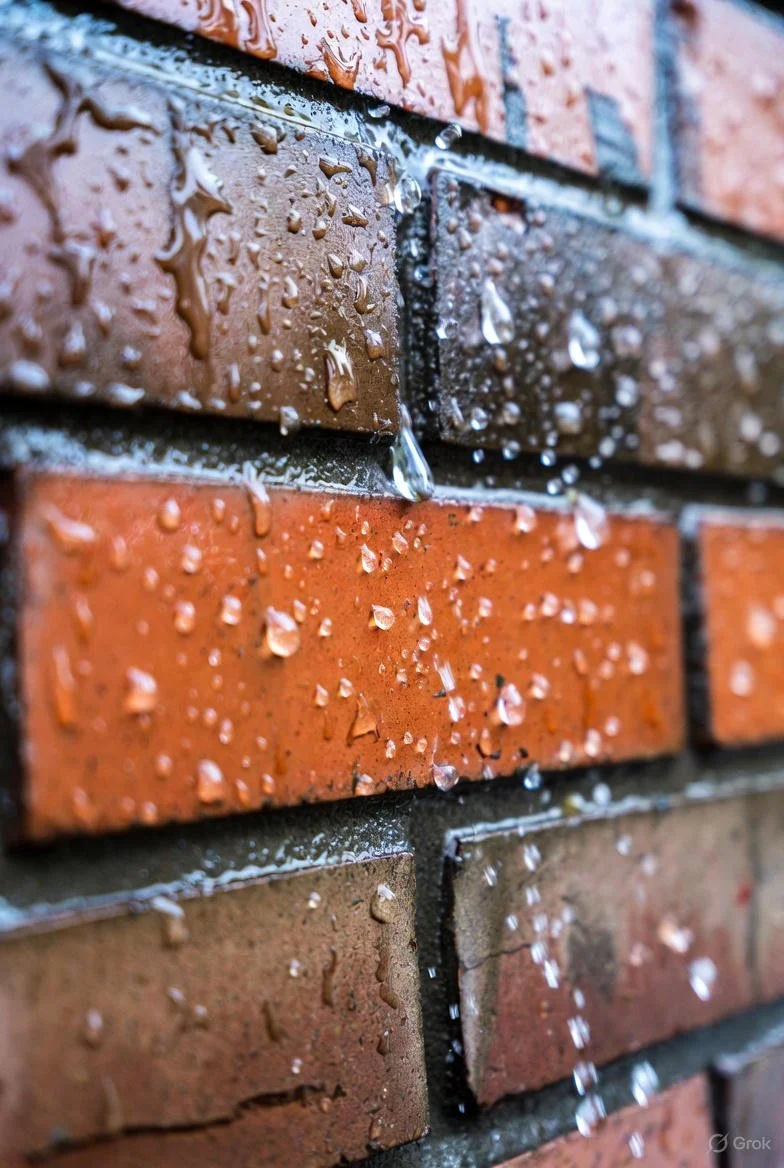
Brick Water Absorption Variability and Its Impact on German Smear Application
Bricks exhibit varying levels of water absorption due to differences in porosity, manufacturing processes, and material composition, which directly influence masonry applications. High-absorption bricks can complicate German Smear by rapidly drawing moisture from the mortar, leading to faster drying and reduced workability. Managing this through pre-wetting facilitates smoother application, while post-application breathable waterproofing treatments enhance long-term durability against environmental moisture.
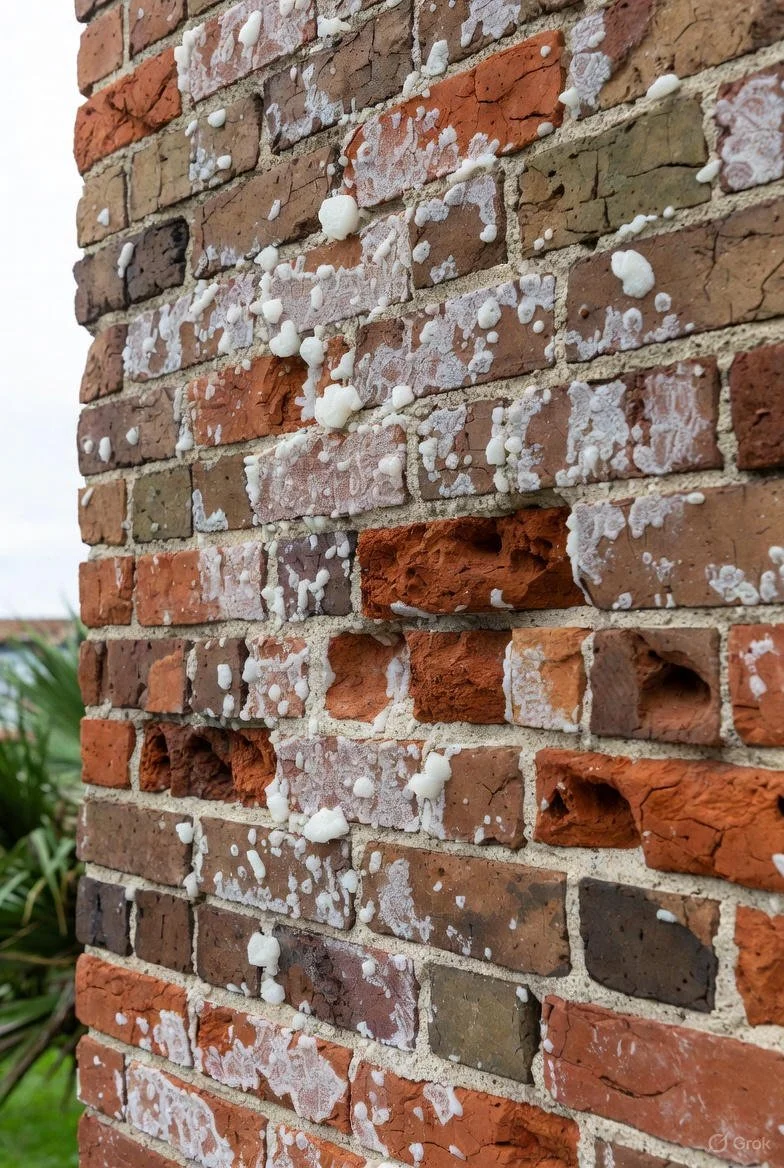
Why Does My Brick Have White Spots on It?
White spots on brick surfaces often indicate efflorescence, a common phenomenon in masonry where soluble salts crystallize on the exterior. This deposit forms through moisture migration and can signal underlying water issues that affect both the brick's integrity and any applied finishes. Understanding efflorescence is essential for preserving historical and modern brick structures, as it ties into fundamental building science principles like vapor permeability and material durability.
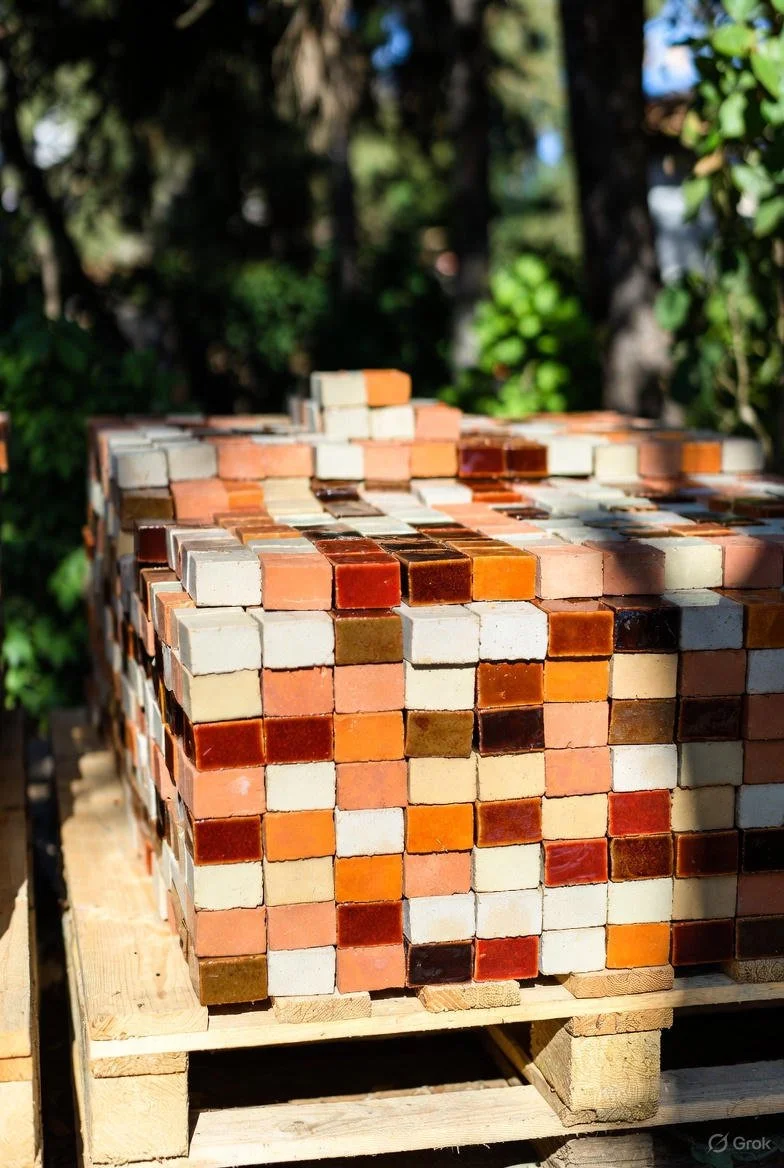
Glazed Bricks: Origins of the Glossy Appearance in Brick Construction
Certain bricks exhibit a glossy or shiny surface due to the application of a ceramic glaze or through vitrification during high-temperature firing. This glossy finish, most commonly seen in glazed bricks, serves primarily to create an impervious barrier against moisture, staining, and environmental damage. While offering enhanced durability and ease of maintenance, glazed bricks present challenges such as reduced vapor permeability and incompatibility with traditional surface treatments like German Smear or mortar wash.
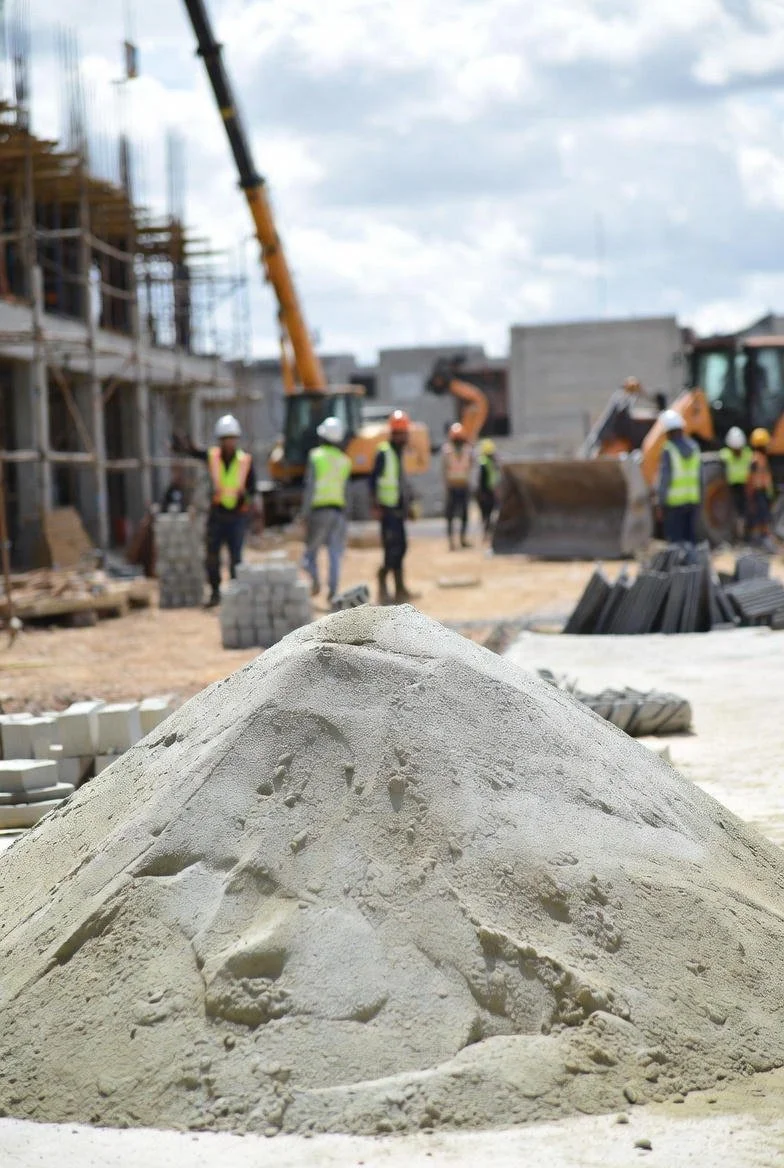
Types of Sand in Mortar and Their Influence on Cured Texture in German Smear Finishes
Sand serves as the primary aggregate in masonry mortars, influencing workability, strength, and the final surface texture after curing. Different sand types—characterized by grain size, shape, and grading—affect how mortar adheres, spreads, and dries. In German Smear, a mortar wash technique rooted in European traditions, the choice of sand directly impacts the rustic, textured appearance of the finish on brick surfaces.

The Material Evolution of Brick: From Sun-Dried Clay to Modern Engineered Units
Brick, one of the oldest manufactured building materials, has undergone continuous refinement over 7,000 years. Early sun-dried mud bricks gave way to fired clay units in Mesopotamia, followed by Roman hydraulic additions, medieval European variations, and 19th-century mechanized production. Each stage reflects advancements in firing technology, raw-material understanding, and performance requirements driven by climate, durability needs, and architectural demands.
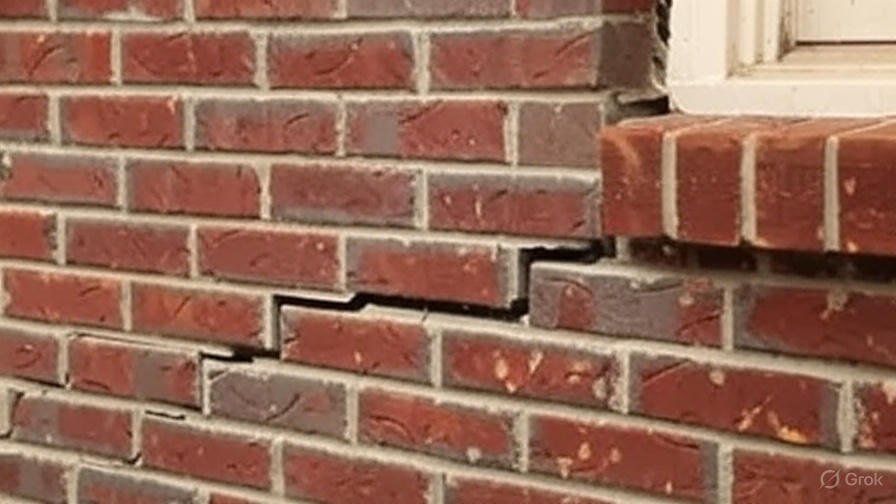
Winter Threats to Brick Homes: A Building-Science Perspective on Cold-Weather Damage
Brick masonry that appears perfectly sound in autumn can show dramatic deterioration by spring. The primary culprit is water that enters the wall, freezes, and expands with enough force to fracture brick faces, disintegrate mortar joints, and trigger structural cracking. These failures follow well-understood physical principles and affect both historic solid walls and modern cavity construction.
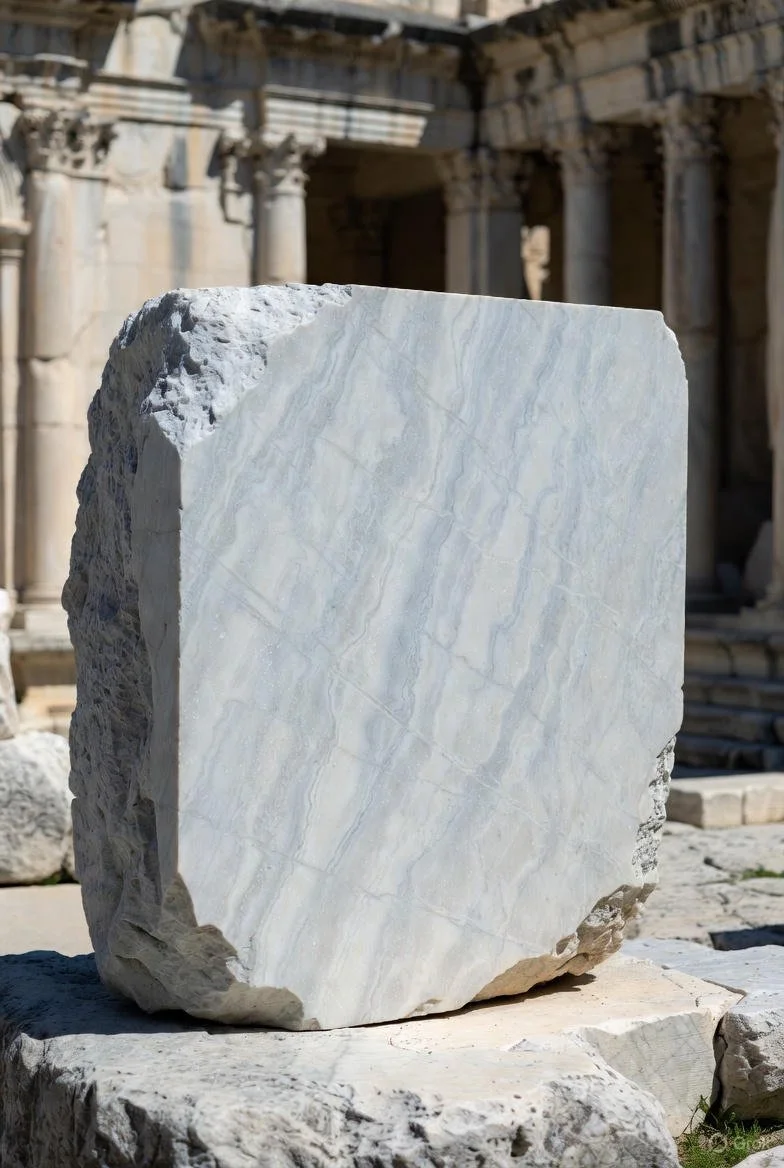
Mineral Aggregates in Traditional Lime-Based Mortars: Granite, Marble, and Quartz
Traditional lime-based mortars commonly incorporate mineral aggregates derived from natural stones to enhance workability, durability, and aesthetic qualities. Quartz sand has been a primary aggregate in European building traditions for centuries, providing structural integrity and vapor permeability. Crushed marble dust appears in historical plasters and finishing mortars, particularly in Roman and later periods, for achieving smooth, white surfaces. Granite dust, while documented in some modern and regional contexts, lacks widespread evidence in historic European lime mortars.
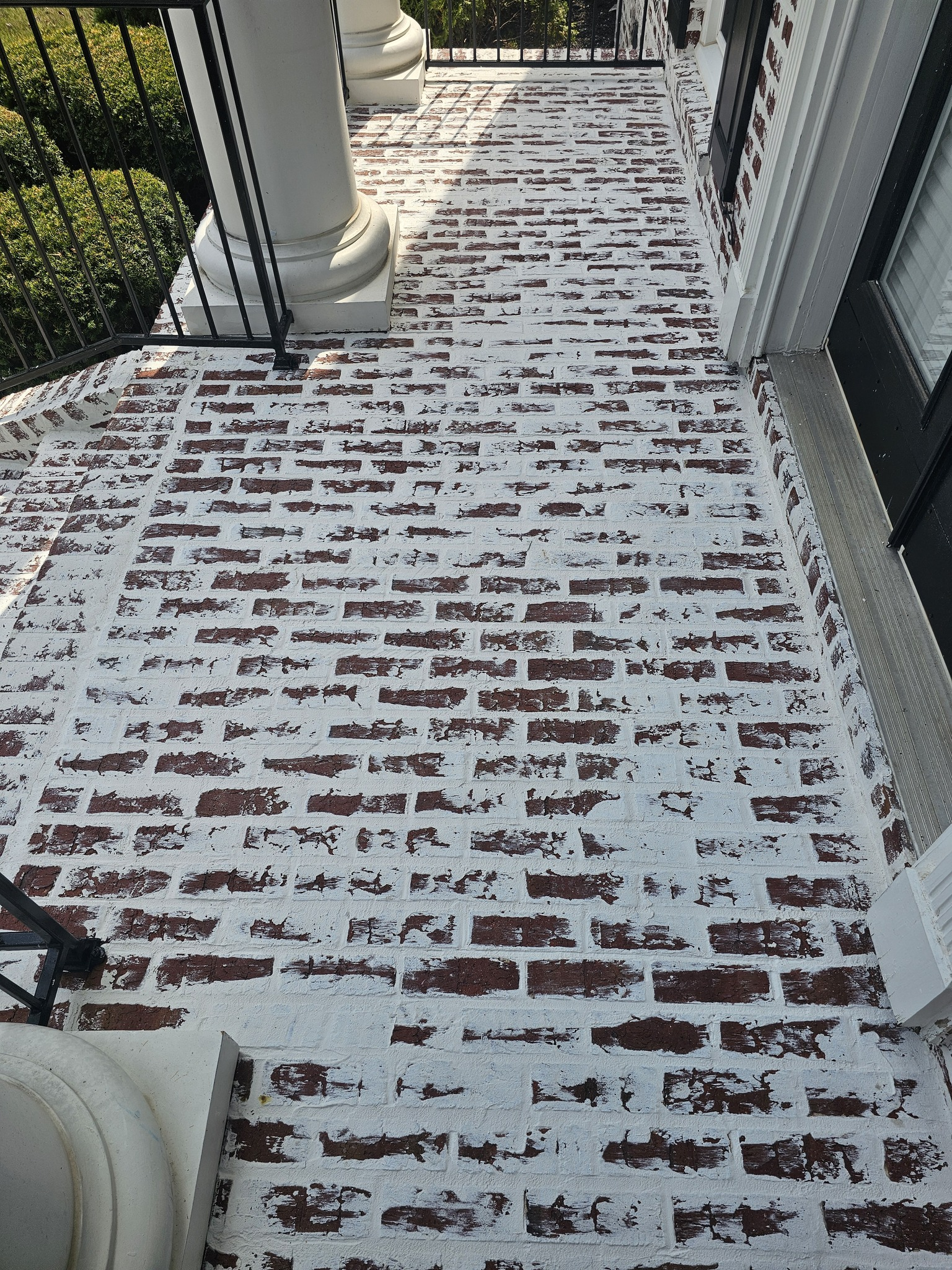
Transforming the Appearance of Brick Pavers: Aesthetic Enhancement Techniques That Preserve Durability
Beyond routine cleaning, brick pavers can be dramatically refreshed or completely re-imagined through historically proven surface treatments such as mortar wash, lime slurry coatings, and selective staining methods. When correctly formulated and applied, these techniques alter color and texture while maintaining the clay unit’s essential vapor permeability and freeze-thaw resistance. The result is a new aesthetic identity—from bright whitewashed Mediterranean courtyards to softly aged European village streets—without sacrificing the paver’s proven longevity.
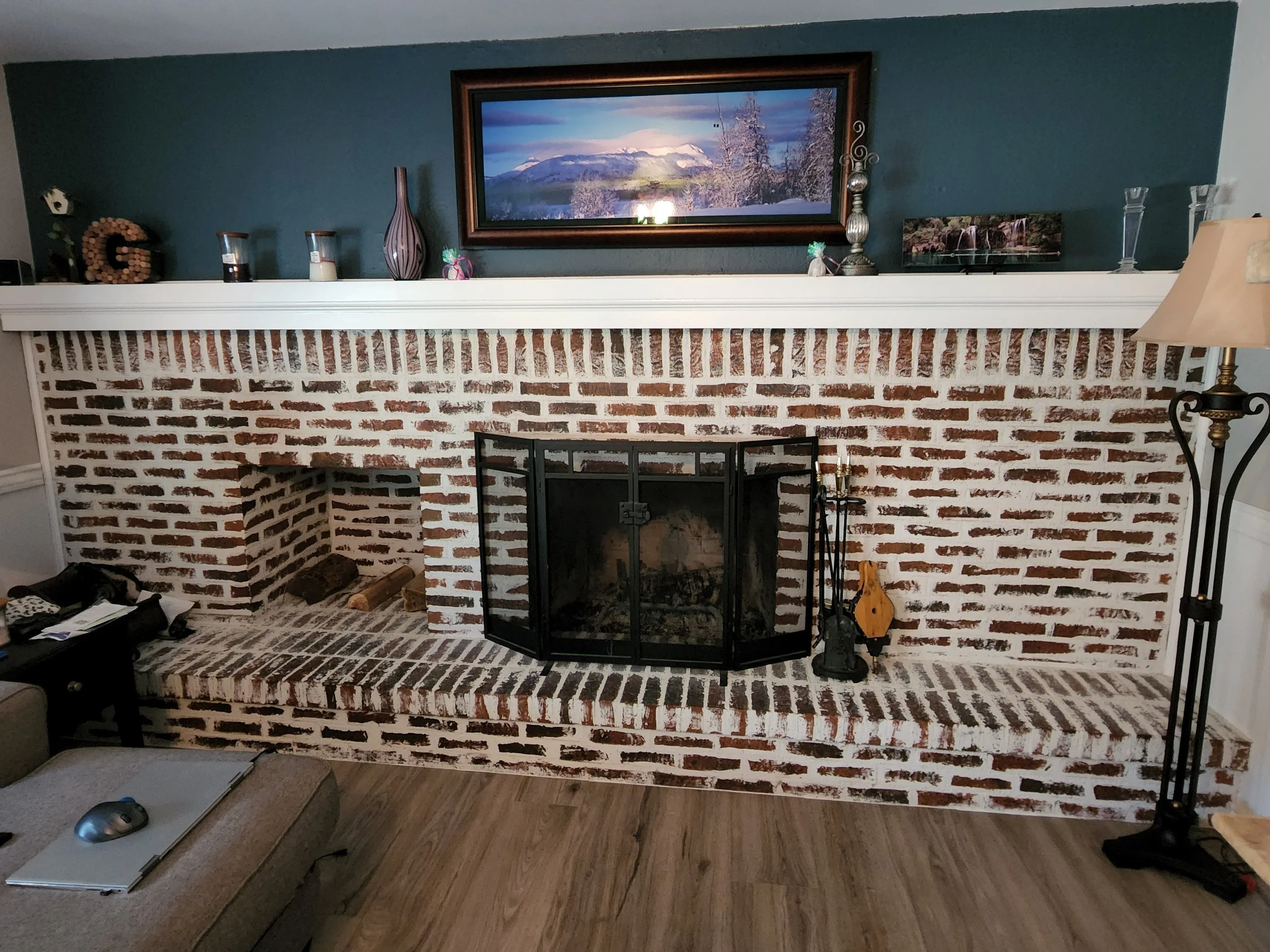
The Role of German Smear in Enhancing Interior Aesthetics
German smear, a traditional mortar-wash technique rooted in European masonry practices, brings textured warmth and subtle irregularity to interior brick surfaces. When applied inside the home, it softens the harsh redness of common brick while preserving its natural character, creating spaces that feel both historic and intentionally curated. This finish bridges rustic authenticity with contemporary minimalism, making it a versatile tool for interior aesthetic improvement.
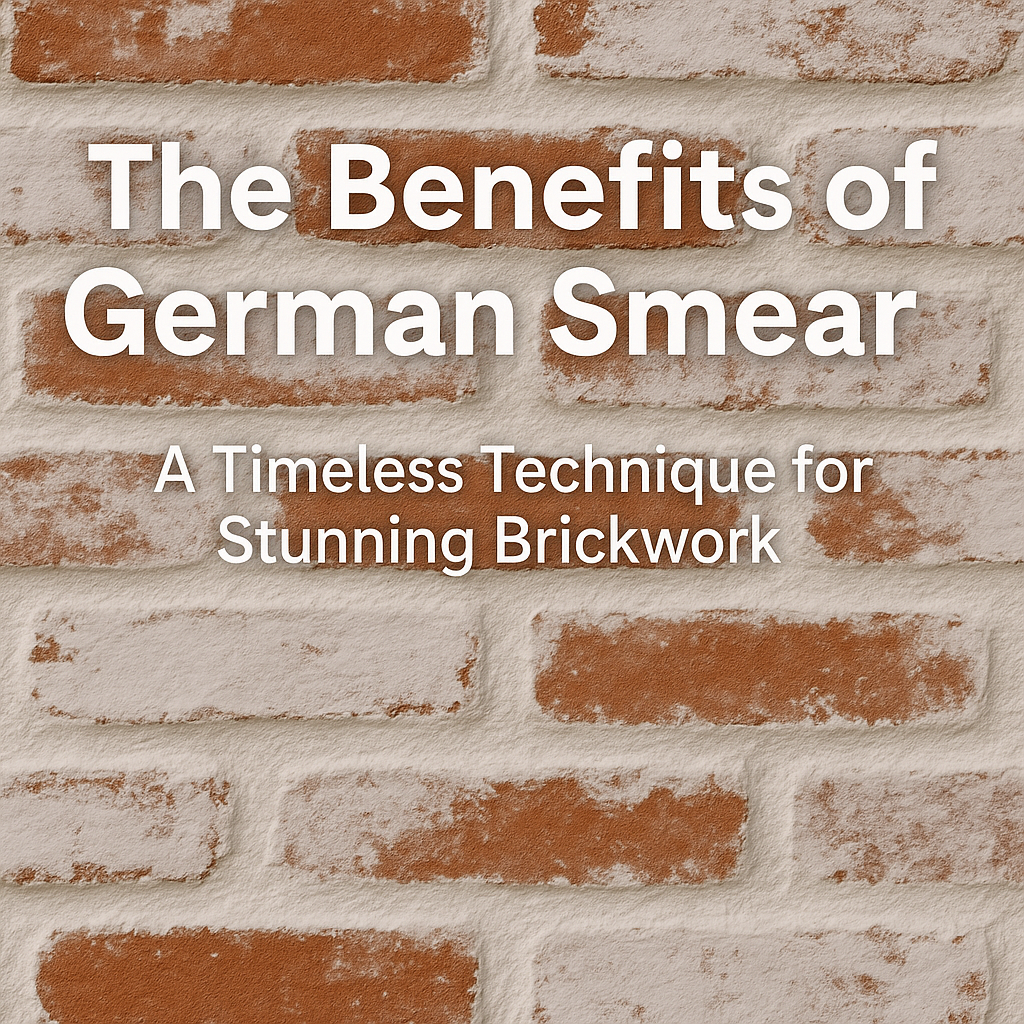
The Benefits of German Smear: A Timeless Technique for Stunning Brickwork
Discover the timeless charm and practical advantages of German Smear, a unique masonry technique that enhances brickwork with rustic texture and durability. From boosting curb appeal to offering eco-friendly protection, this method transforms spaces with lasting elegance.
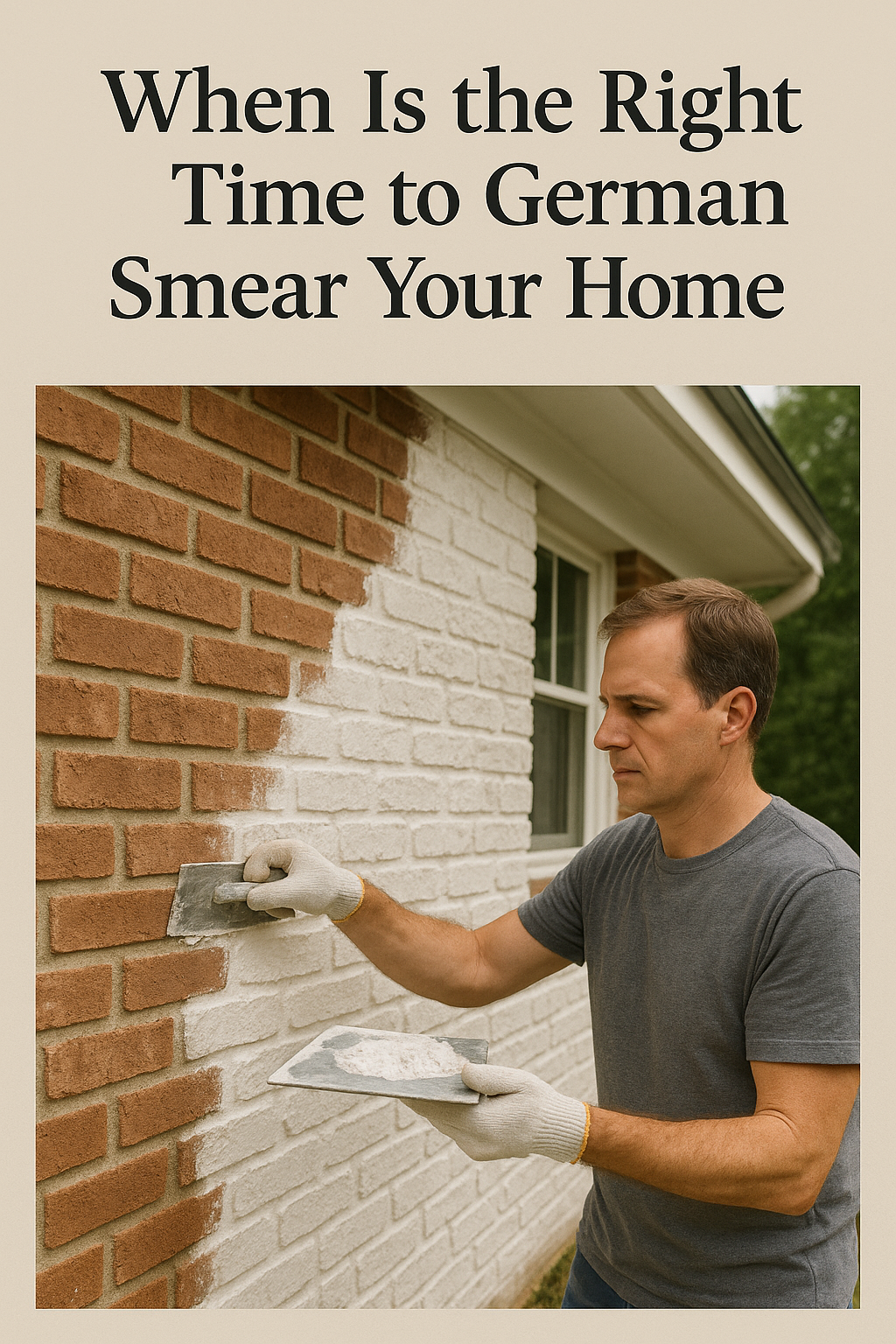
When Is the Right Time to German Smear Your Home?
Choosing the perfect moment to apply German Smear to your home is key to a stunning, lasting result. Aim for spring or fall when temperatures hover between 50°F and 80°F, humidity is low, and rain is scarce—early fall, like September, often fits the bill. Ensure your brick is in top shape, free of cracks or old paint, and plan during a quieter season to secure skilled masons. Contrary to DIY myths, this isn’t a cheap fix, and larger projects demand professional expertise for a flawless finish.

How Much Does German Smear Cost?
Transform your home with the rustic charm of German smear, a masonry technique that brings European-inspired texture to brick surfaces. At German Smear Specialists, our years of expertise and secret methods ensure a chip-free, fade-resistant finish that needs only a yearly power wash to stay stunning. Curious about costs? In 2025, our professional German smear starts at $6.50 per square foot, meaning a 1,600-square-foot home begins at $10,400. Two-story homes cost more, but our no-scaffolding approach keeps prices competitive. Compared to painting ($7,000-$10,000) or the pricier mortar wash, German smear offers lasting beauty with minimal upkeep—especially with our optional protective coating against dirt and water. Dive into our guide to debunk myths, explore DIY options for small projects, and see why German smear is a timeless investment for your home.

German Smear Myth Busters: Debunking the Top Misconceptions About This Brick Trend
Is German Smear just a DIY fad? Does it peel like paint? Only fit for farmhouses? Discover the surprising truths behind this stunning brick finish in our myth-busting guide.

The Big Brick Finish Showdown: German Smear, Limewash, or White Wash?
Not sure if you should German Smear, Limewash, or White Wash your brick? This side-by-side comparison will help you pick the perfect brick finish for your next transformation.

How German Smear Can Save You Money in the Long Run!
Discover how German Smear isn’t just a beautiful upgrade—but a long-term money saver. Learn how this timeless finish protects your home, cuts maintenance costs, and boosts value.
Cover Photo Title: "German Smear Before and After Transformation"
German Smear vs Tuckpointing: A Smart Solution for Aging and Damaged Brick
German Smear and tuckpointing are two powerful solutions for aging or damaged brick. Learn how German Smear offers a cost-effective, aesthetic, and structurally sound alternative that integrates repair and restoration into a single process—especially for historic homes.