Differences in German Smear Application and Aesthetics on Natural Versus Man-Made Stone
German Smear, also known as mortar wash or Schmear, is a historical method of applying a thin layer of mortar over masonry surfaces to achieve a weathered, rustic look while providing some protection against the elements. Documented in European architecture as early as the medieval period, it was commonly used on brick and stone to enhance breathability and aesthetic appeal in structures like farmhouses and castles. Comparing its application on natural stone—quarried from the earth with inherent variations—and man-made stone, such as manufactured veneer made from concrete aggregates, reveals how material properties affect building science principles like adhesion and vapor permeability, making it relevant for contemporary architectural conservation and design.
Overview of Natural and Man-Made Stone
Natural stone refers to materials extracted directly from quarries, such as limestone, sandstone, or granite, which form over geological time and exhibit unique mineral patterns, colors, and textures. These stones vary in porosity and density depending on their type; for instance, sandstone is often more porous, allowing better moisture absorption, while granite is denser and less permeable.
Man-made stone, often called manufactured or cultured stone veneer, is engineered from cement, aggregates, and pigments pressed into molds to mimic natural appearances. It provides consistent shapes, colors, and textures, with surfaces designed for predictability in construction.
Key material differences include:
Weight and handling: Natural stone is heavier and more challenging to cut, requiring skilled labor.
Durability: Natural stone offers superior long-term resistance to weathering, while man-made stone may fade or chip over time.
Composition: Natural stone is fully mineral-based, promoting natural breathability; man-made incorporates synthetic elements but is engineered for similar properties.
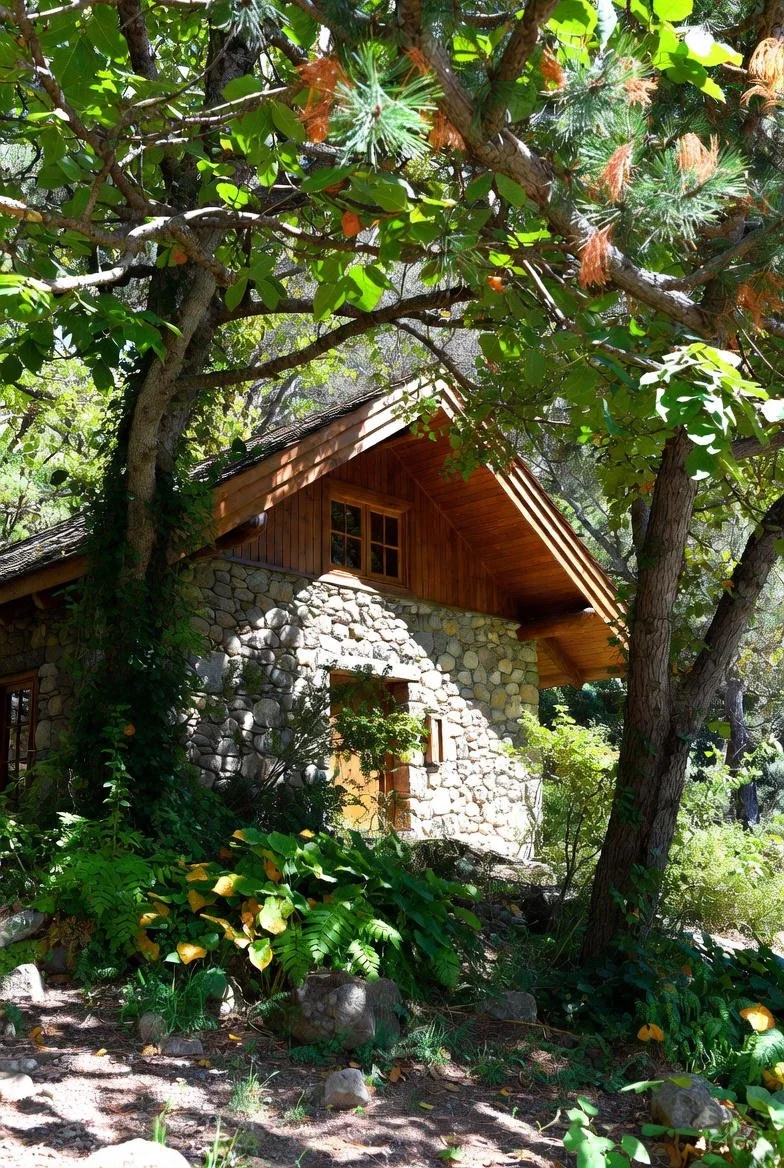
Application Differences
The application of German Smear involves cleaning the surface, mixing mortar to a spreadable consistency, applying it with tools like trowels or sponges, and then texturing or removing excess for the desired coverage. For both stone types, the surface must be porous and structurally sound to ensure proper bonding, but preparation varies.
On natural stone, additional etching or roughening may be needed if the surface is too smooth, as porosity can differ widely by stone variety. The mortar is applied in sections to account for irregular contours, allowing it to penetrate natural pores for mechanical bonding.
Man-made stone typically requires less preparation due to its consistent, molded surfaces engineered for adhesion. The process is often quicker, as the uniform base allows for even spreading without extensive adjustments.
Climate considerations play a role: In freeze-thaw environments, both require breathable mortar to prevent moisture trapping, but natural stone's variable permeability demands careful mortar selection to avoid cracking.
Texture Differences
Texture in German Smear arises from how the mortar interacts with the stone's surface relief and porosity.
Natural stone's organic imperfections—such as fissures, veins, and varying grain—create a dynamic texture where mortar accumulates unevenly, enhancing depth and tactile interest. This results in a more rugged, handcrafted feel that echoes historical applications.
Man-made stone, with its molded patterns, yields a smoother, more repetitive texture. The mortar adheres to consistent ridges and valleys, producing a subtler relief that can appear more polished but less varied.
From a building science perspective, natural stone's texture supports better vapor permeability in humid climates, as mortar integrates into natural voids without sealing them completely.
Adhesion Variability
Adhesion in German Smear relies on the mortar's ability to bond mechanically into the stone's pores, influenced by surface porosity and composition.
Natural stone shows greater variability: Porous types like limestone facilitate strong adhesion through deep penetration, but denser stones like granite may require additives or primers to improve bonding, potentially leading to inconsistent results if not addressed.
Man-made stone offers more reliable adhesion due to its engineered porosity and uniform surface, reducing variability and ensuring consistent mortar hold across the entire area. However, if sealants are present from manufacturing, they must be removed to prevent delamination.
Material behavior under stress, such as thermal expansion, is similar for both when using compatible lime-based mortars, maintaining breathability and preventing adhesion failure over time.
Unevenness Versus Uniformity
German Smear on natural stone often emphasizes unevenness, as the mortar highlights inherent irregularities, creating a patchwork of coverage that appears authentically aged and organic. This variability aligns with historical uses where uniformity was not prioritized.
In contrast, man-made stone promotes uniformity, with mortar distributing evenly over consistent molds, resulting in a more controlled, cohesive appearance. While intentional unevenness can be introduced, the base material limits extreme variations.
Architecturally, unevenness on natural stone suits rustic or conservation projects, while uniformity on man-made stone fits modern designs seeking predictability.
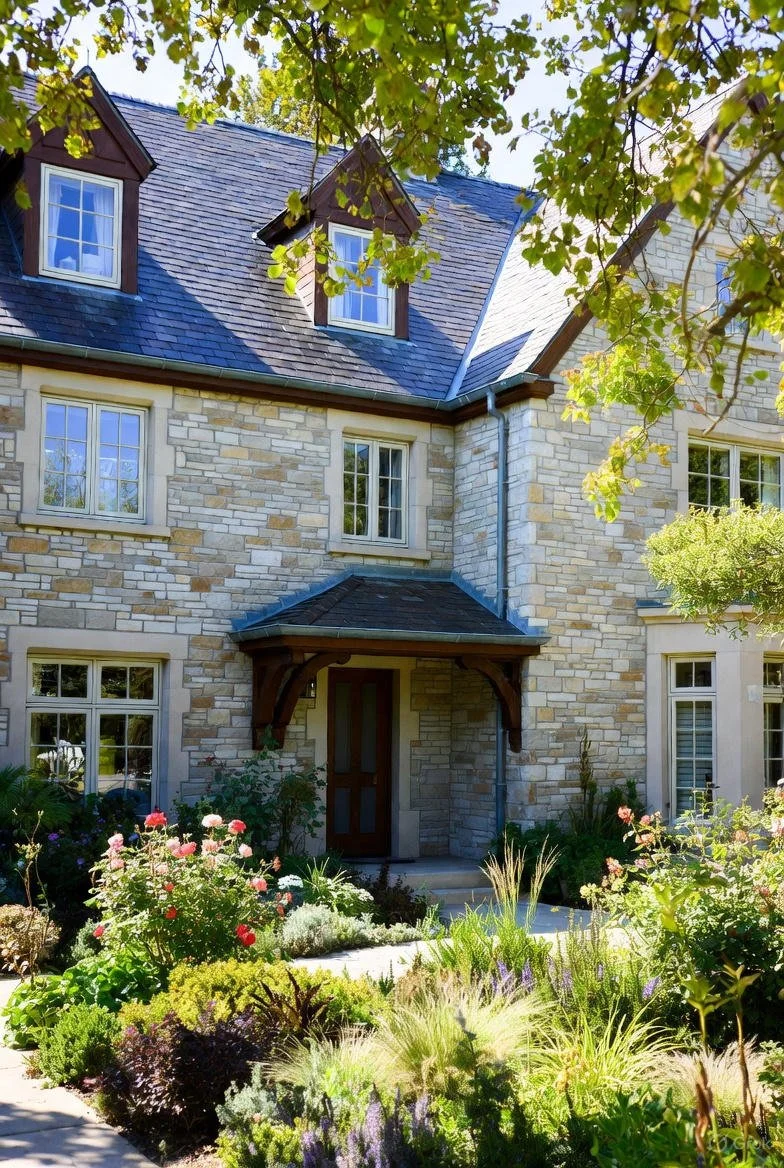
Aesthetic Outcomes
Aesthetically, German Smear on natural stone delivers an authentic, timeless look with subtle color gradations and depth, softening harsh tones while preserving the stone's character, much like in traditional European contexts.
On man-made stone, the finish creates a simulated aged effect that unifies the surface, often appearing more refined but potentially less nuanced due to repetitive patterns. Both maintain breathability, but natural stone's aesthetics endure longer without fading.
Conclusion
The differences in applying German Smear to natural versus man-made stone highlight how material properties shape texture, adhesion, and the balance between unevenness and uniformity, influencing both practical application and final aesthetics. Natural stone offers organic variability and historical authenticity, while man-made stone provides consistency and ease. These insights underscore the importance of selecting materials aligned with architectural goals and environmental factors for
Looking to DIY?
Checkout SmearTech’s Signature White™ Mortar and German Smear Tools.