

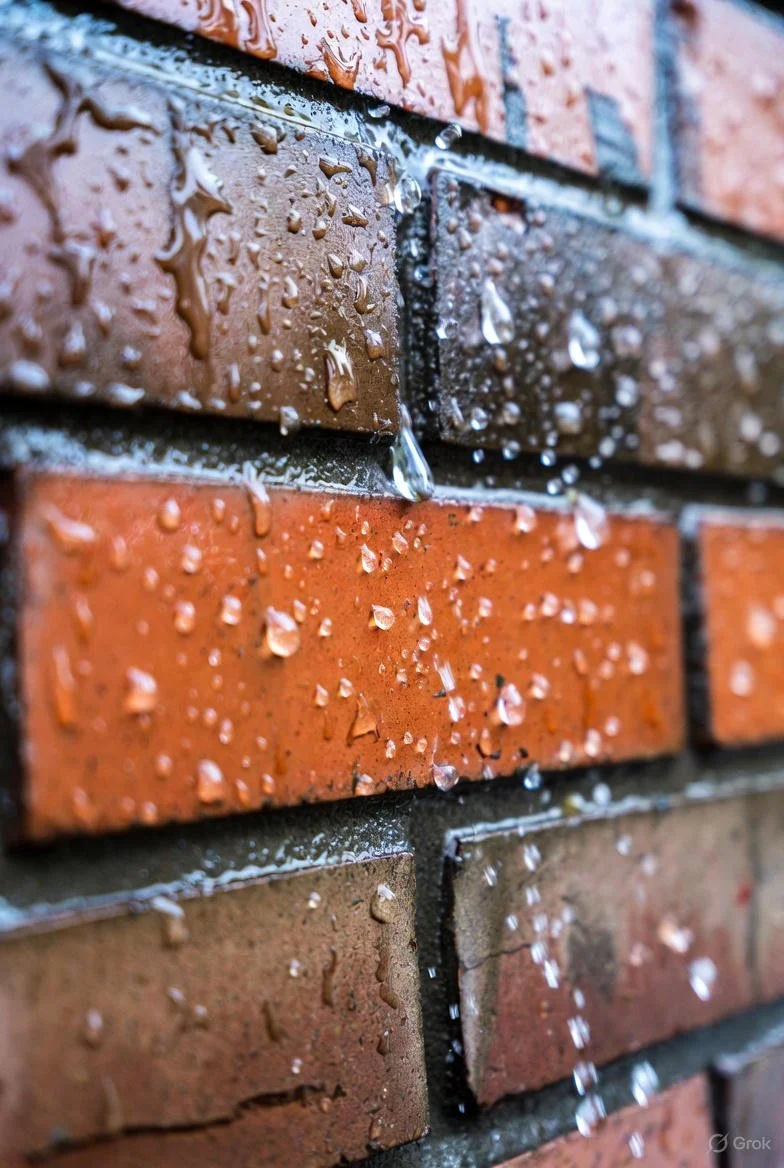
Brick Water Absorption Variability and Its Impact on German Smear Application
Bricks exhibit varying levels of water absorption due to differences in porosity, manufacturing processes, and material composition, which directly influence masonry applications. High-absorption bricks can complicate German Smear by rapidly drawing moisture from the mortar, leading to faster drying and reduced workability. Managing this through pre-wetting facilitates smoother application, while post-application breathable waterproofing treatments enhance long-term durability against environmental moisture.
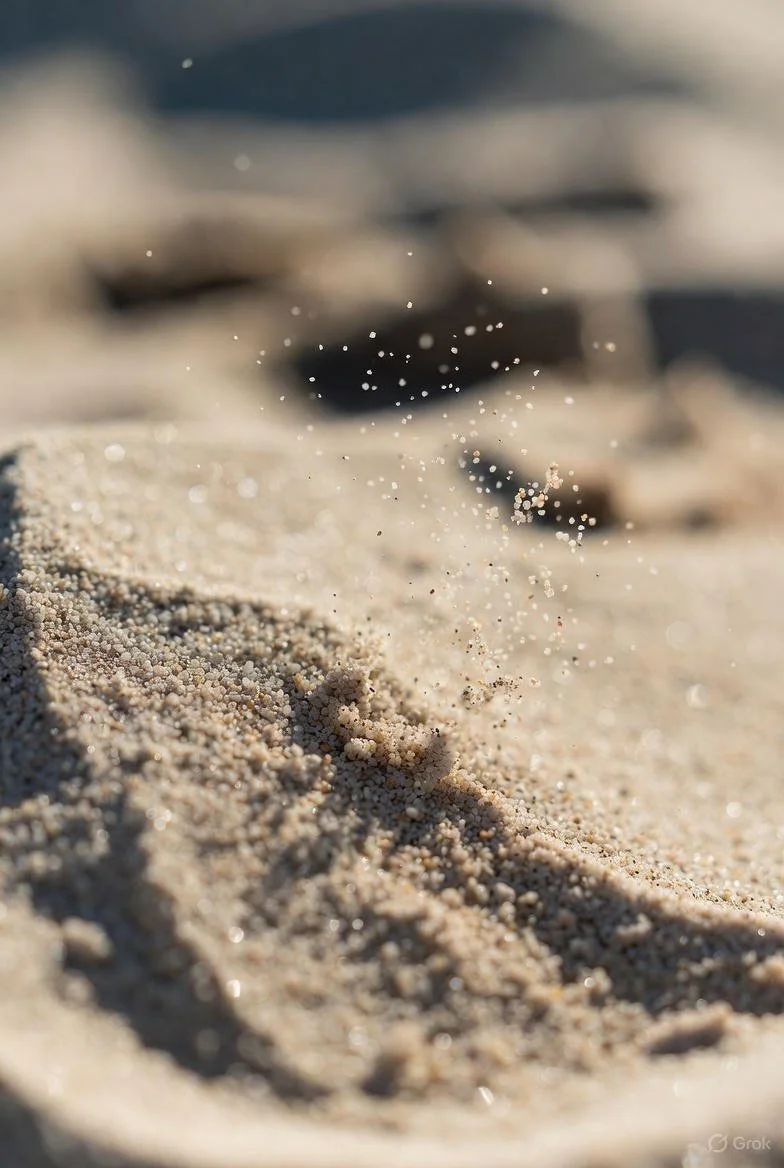
The Role of Particle Size in German Smear Mortar: Why Extremes Are Not Ideal
Particle size in the sand used for German Smear mortar significantly influences the application's workability, durability, and aesthetic outcome. Super fine particles can lead to excessive shrinkage and reduced breathability, while large grains may cause uneven adhesion and a gritty texture. Understanding these factors helps in appreciating the balance required for this traditional brick treatment method.
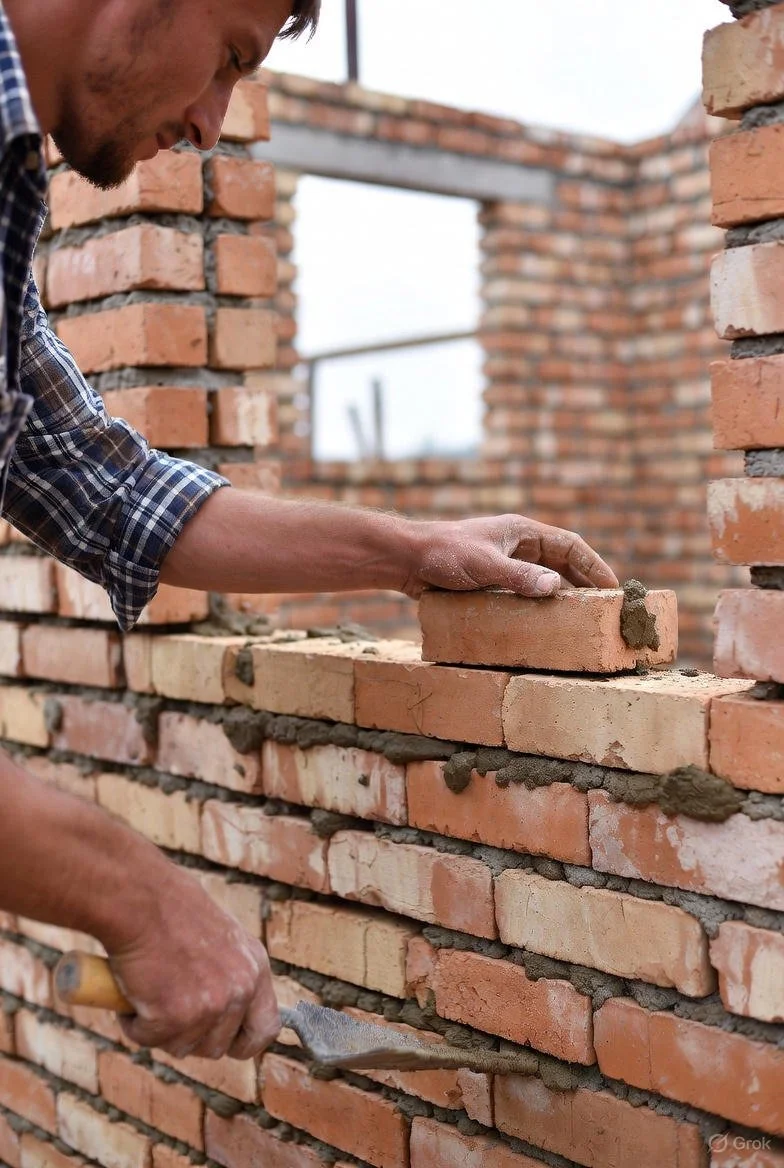
Brick Masonry in Home Construction: Materials, Processes, and Mortar Considerations
Brick homes rely on durable clay bricks bonded with mortar joints to form structural or veneer walls, providing strength, fire resistance, and thermal mass. Standard mortar joints are typically 3/8 inch (10 mm) thick to ensure load-bearing capacity and proper adhesion. In contrast, the German Smear technique uses a thin, uneven layer of mortar as a surface treatment for aesthetic purposes, distinct from the structural role of construction mortar.

Exploring German Smear Techniques: Mortars, Textures, Tools, and Artistic Applications
German Smear, a traditional brick finishing method originating from European building practices, involves applying a mortar wash to create an aged, irregular appearance on masonry surfaces. This technique emphasizes material composition and application methods to achieve varied textures and visual effects. Understanding its components and challenges provides insight into its role in architectural conservation and aesthetic enhancement.
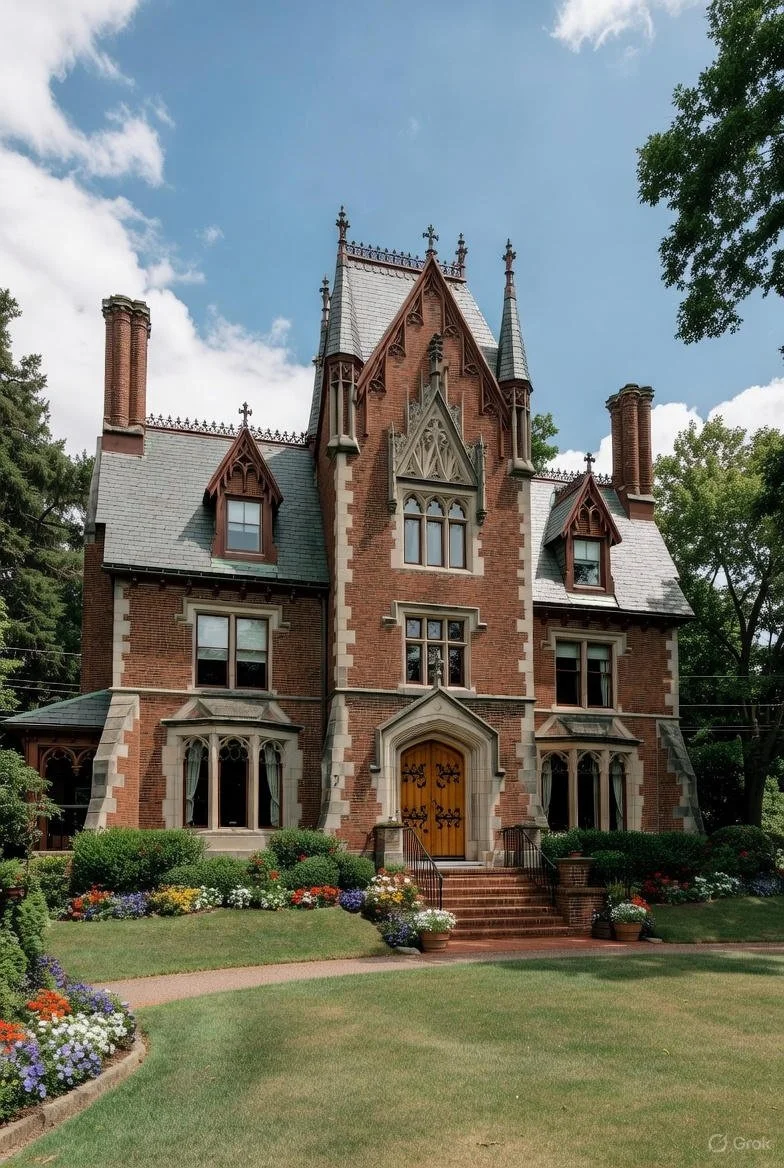
The Pros and Cons of Owning a Brick Home
Brick homes have long been valued for their durability and timeless appeal, rooted in historical building practices that emphasize longevity and resilience. However, owning such a structure involves weighing benefits like energy efficiency against challenges such as moisture management and structural limitations. This overview explores these aspects in detail, including maintenance considerations and historical brick treatments like German Smear, to provide a comprehensive understanding for homeowners interested in architectural conservation.
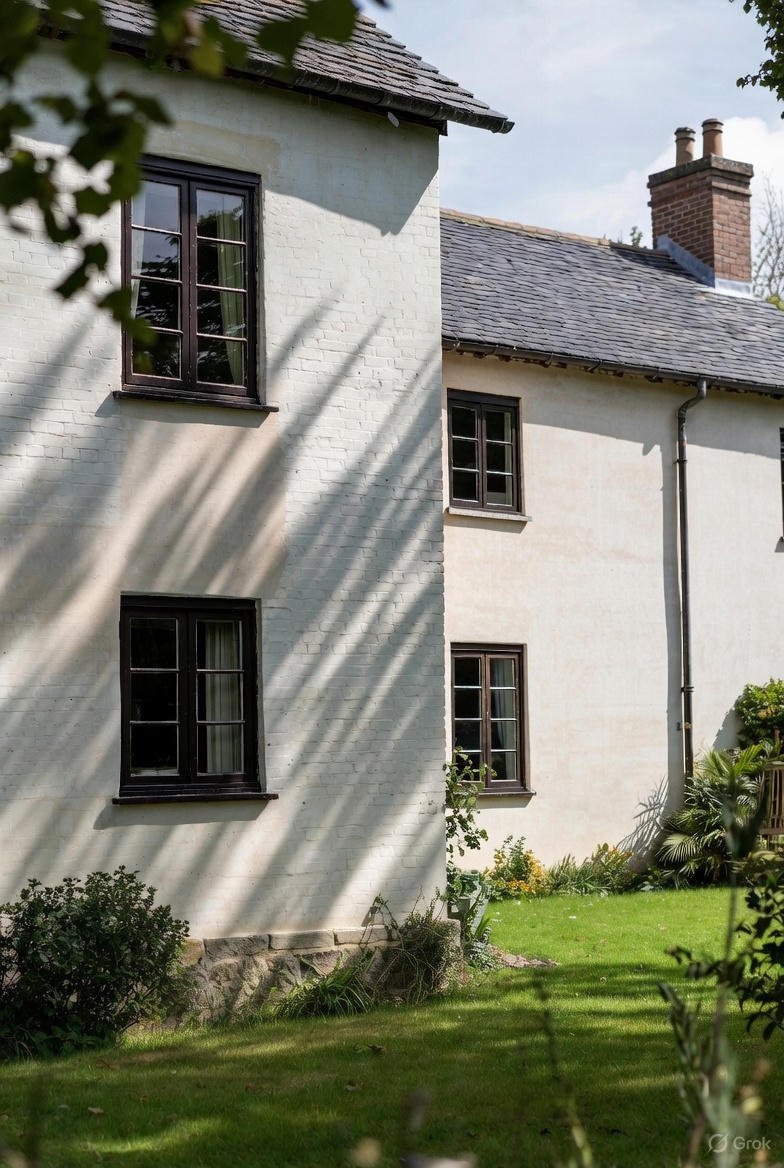
Why Is My Brick House So Hot?
Many homeowners with brick houses notice excessive indoor heat during warmer months, often due to the material's inherent properties. Brick's color and thermal mass play significant roles in absorbing and retaining solar energy, leading to higher temperatures inside. Understanding these factors, along with potential solutions like insulation and exterior coatings, can provide insights into managing heat in traditional brick structures.
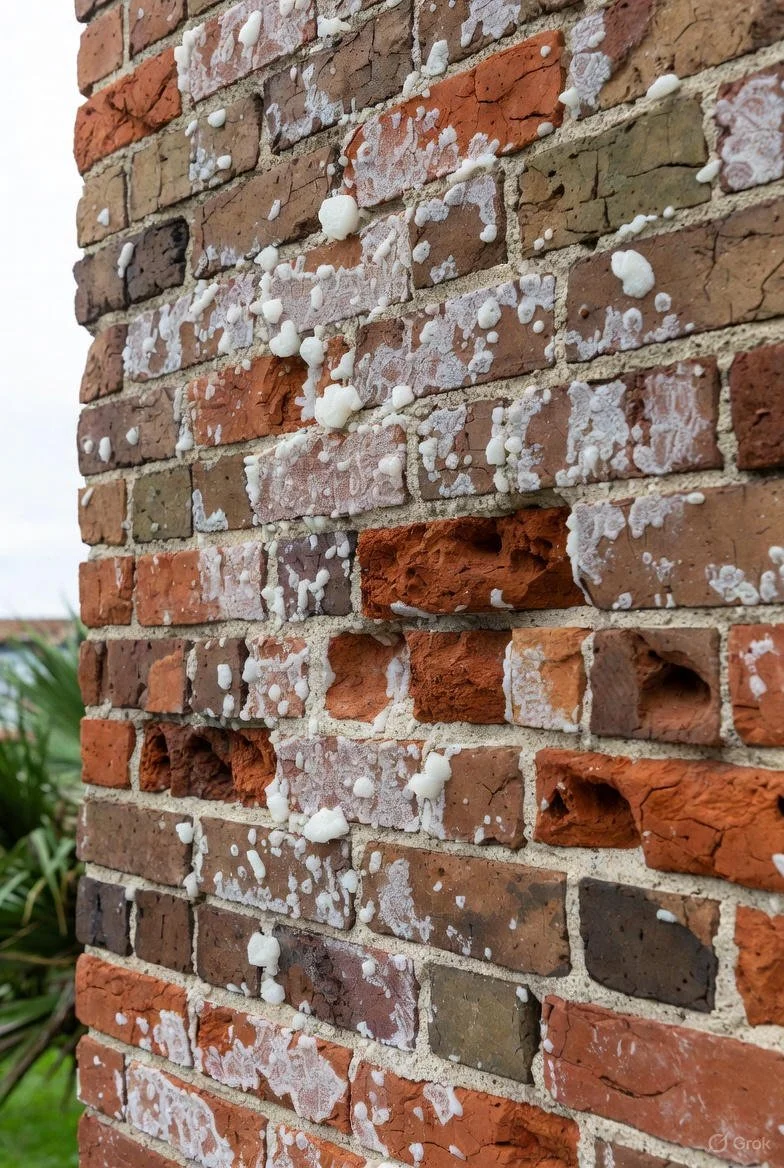
Why Does My Brick Have White Spots on It?
White spots on brick surfaces often indicate efflorescence, a common phenomenon in masonry where soluble salts crystallize on the exterior. This deposit forms through moisture migration and can signal underlying water issues that affect both the brick's integrity and any applied finishes. Understanding efflorescence is essential for preserving historical and modern brick structures, as it ties into fundamental building science principles like vapor permeability and material durability.
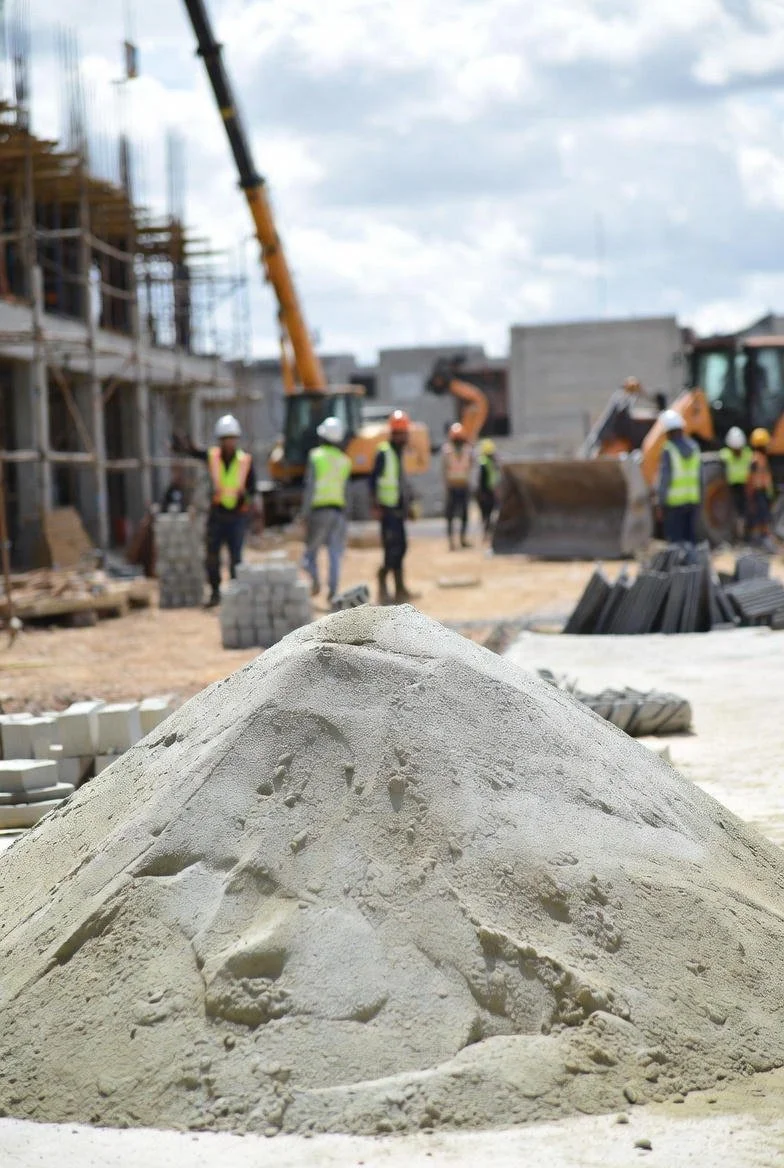
Types of Sand in Mortar and Their Influence on Cured Texture in German Smear Finishes
Sand serves as the primary aggregate in masonry mortars, influencing workability, strength, and the final surface texture after curing. Different sand types—characterized by grain size, shape, and grading—affect how mortar adheres, spreads, and dries. In German Smear, a mortar wash technique rooted in European traditions, the choice of sand directly impacts the rustic, textured appearance of the finish on brick surfaces.
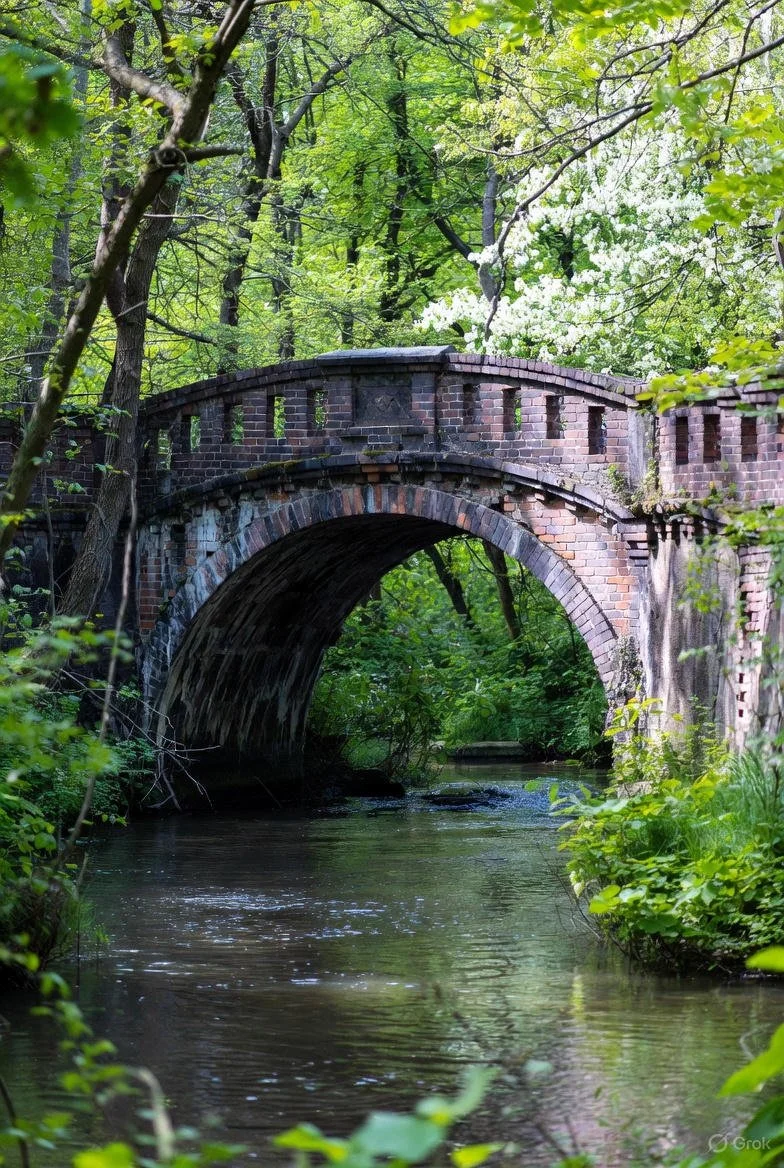
Aesthetic Transformations of Brick and Stone Bridges Using Traditional and Modern Finishes
Brick and stone bridges, as enduring elements of architectural heritage, can undergo aesthetic changes through finishes like German Smear, limewash, and paint, each rooted in historical masonry practices. These methods alter visual texture and color while interacting differently with the material's properties, such as porosity and weathering resistance. Understanding their applications draws from centuries-old European traditions adapted to exposed structures, emphasizing compatibility with building science principles.
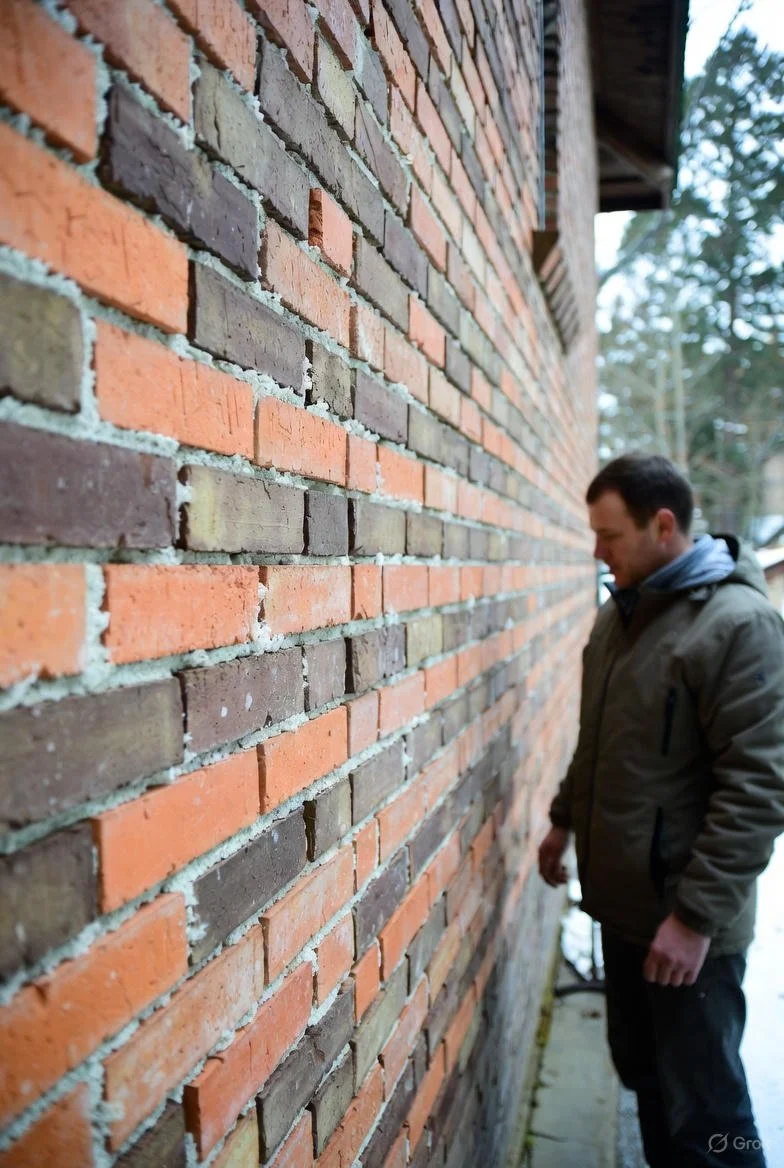
Preparing a Brick Home for Spring: Historical Practices and Modern Building-Science Considerations
As winter recedes, brick masonry requires targeted maintenance to reverse seasonal stress and prepare for warmer, wetter conditions. Traditional European methods—many still relevant today—focused on breathability, moisture management, and gentle cleaning to preserve both the mortar and the brick units. Proper spring preparation extends service life and prevents common damage from freeze-thaw cycles and biological growth.
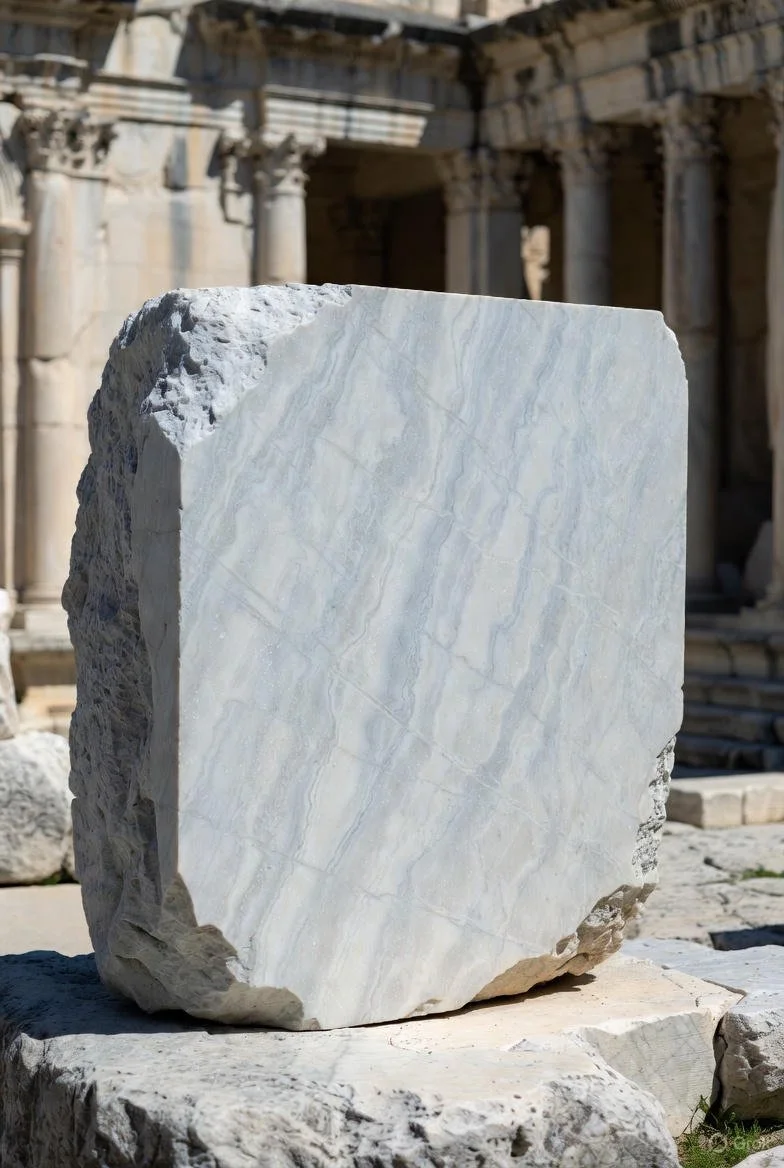
Mineral Aggregates in Traditional Lime-Based Mortars: Granite, Marble, and Quartz
Traditional lime-based mortars commonly incorporate mineral aggregates derived from natural stones to enhance workability, durability, and aesthetic qualities. Quartz sand has been a primary aggregate in European building traditions for centuries, providing structural integrity and vapor permeability. Crushed marble dust appears in historical plasters and finishing mortars, particularly in Roman and later periods, for achieving smooth, white surfaces. Granite dust, while documented in some modern and regional contexts, lacks widespread evidence in historic European lime mortars.

Enhancing Holiday Lighting Effects with White German Smear Brick Exteriors
A white German smear finish—created by applying and partially removing a light mortar slurry over brick—turns a house into a bright, softly textured canvas that dramatically improves the visibility and vibrancy of holiday lights. Because the surface is predominantly white with subtle gray veiling and retained brick undertones, it interacts differently with each lighting color than dark red brick or painted siding. Specific light colors produce stronger contrast, richer saturation, or cleaner projection when displayed against this reflective, neutral backdrop.
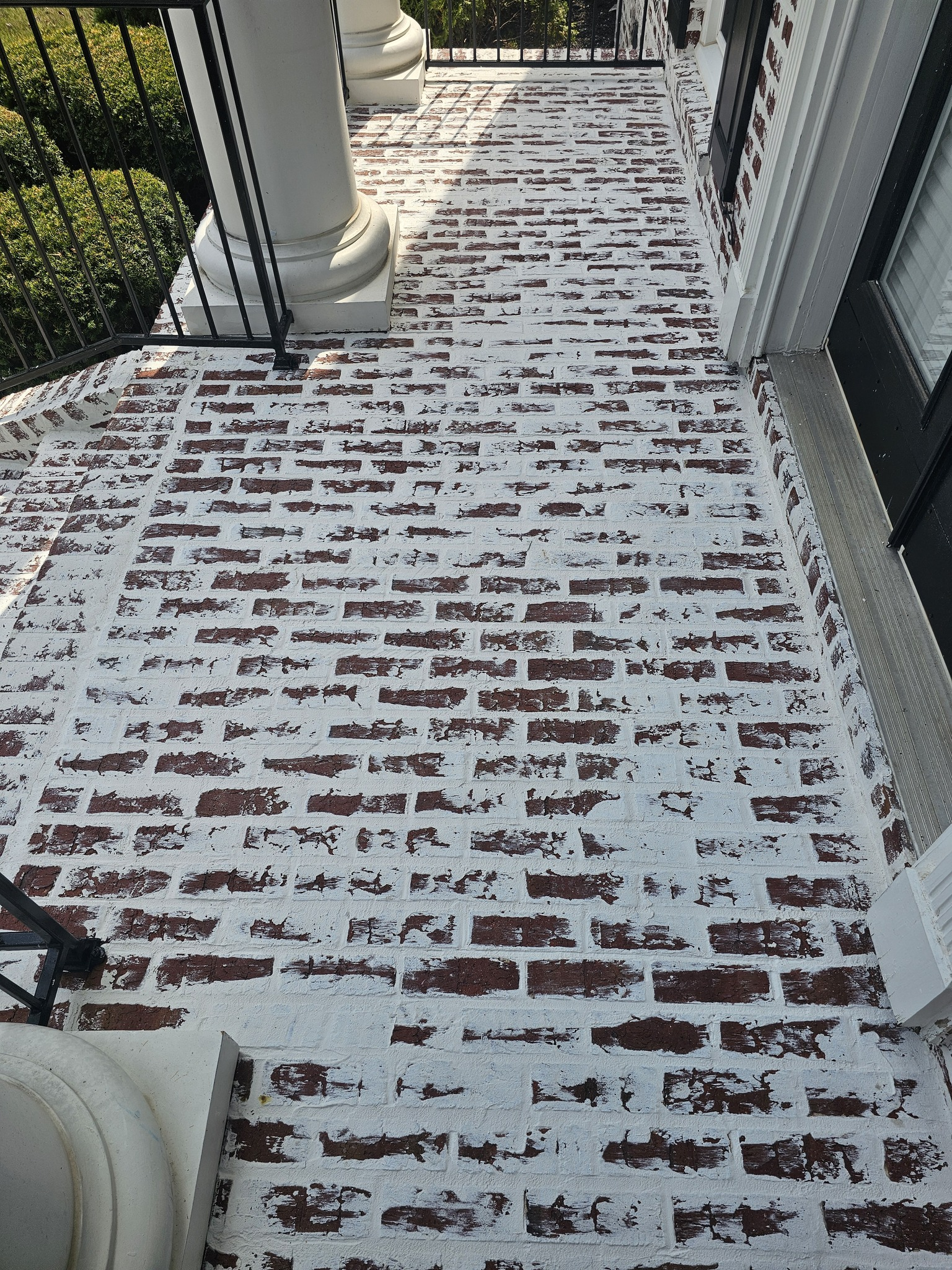
Transforming the Appearance of Brick Pavers: Aesthetic Enhancement Techniques That Preserve Durability
Beyond routine cleaning, brick pavers can be dramatically refreshed or completely re-imagined through historically proven surface treatments such as mortar wash, lime slurry coatings, and selective staining methods. When correctly formulated and applied, these techniques alter color and texture while maintaining the clay unit’s essential vapor permeability and freeze-thaw resistance. The result is a new aesthetic identity—from bright whitewashed Mediterranean courtyards to softly aged European village streets—without sacrificing the paver’s proven longevity.
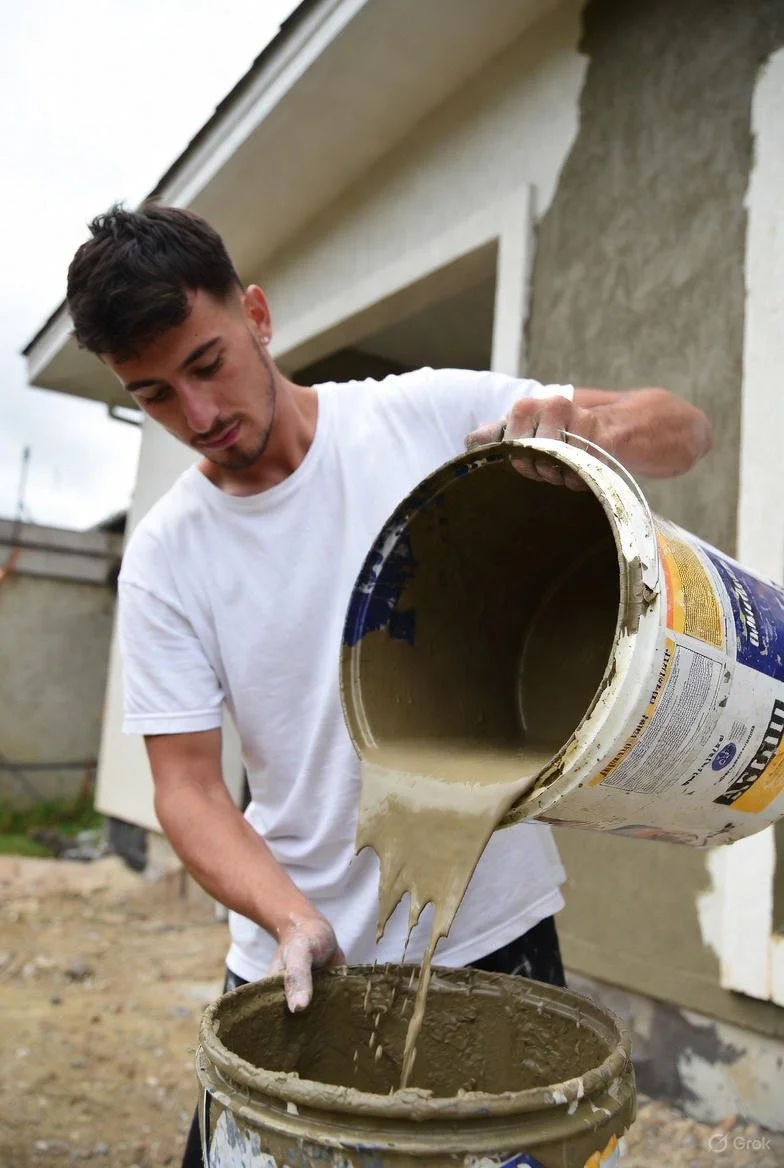
The Effects of Adding Paint to Mortar: Impact on Bonding, Setting, and Long-Term Performance
Adding latex or acrylic paint directly into wet mortar is a common DIY technique intended to tint German Smear or mortar wash applications. However, this practice significantly alters the mortar’s chemical hydration process, reduces bond strength, compromises vapor permeability, and increases the risk of long-term failure. Understanding the building-science consequences explains why traditional and conservation-grade methods deliberately avoid paint additives.
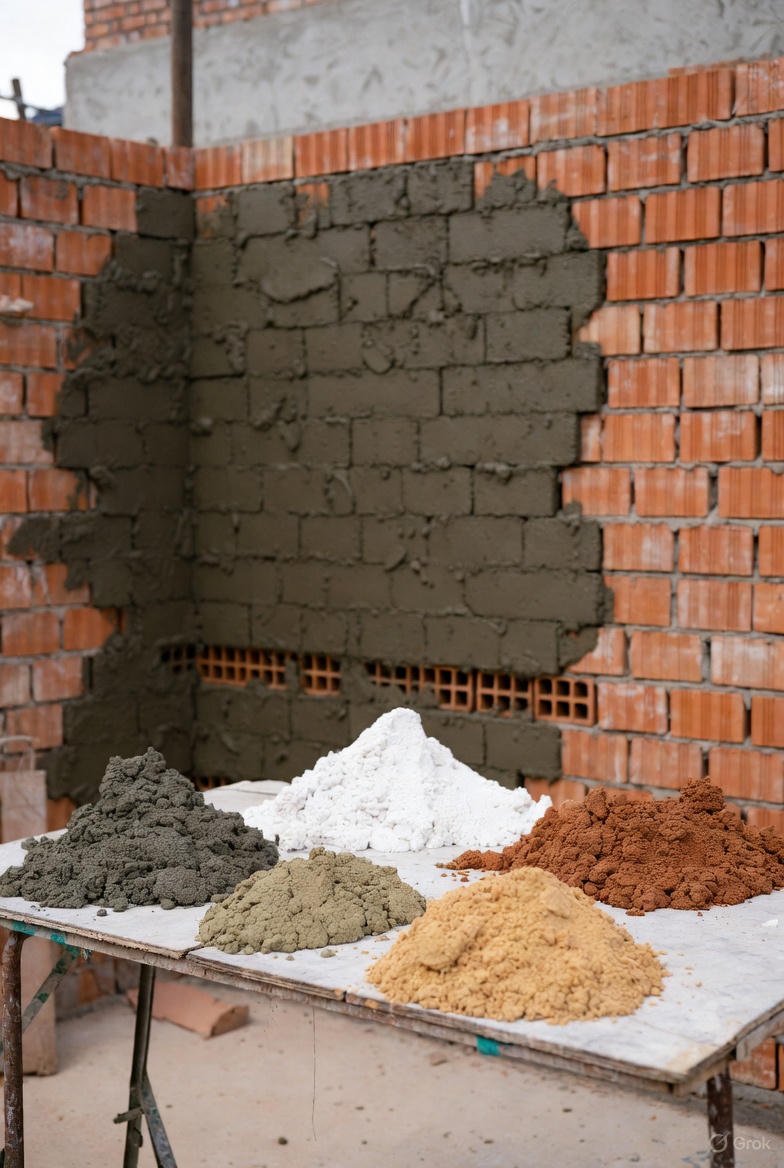
Color Options in German Smear: Pigmentation and Substrate Interaction
German smear achieves its color through iron oxide pigments added to masonry mortar, producing a range of whites, grays, beiges, and muted earth tones. These pigments integrate permanently during hydration and interact with the underlying brick to create soft, layered effects that preserve texture and breathability. The resulting palette offers subtle alternatives to painted brick while remaining rooted in traditional mortar-wash practices.
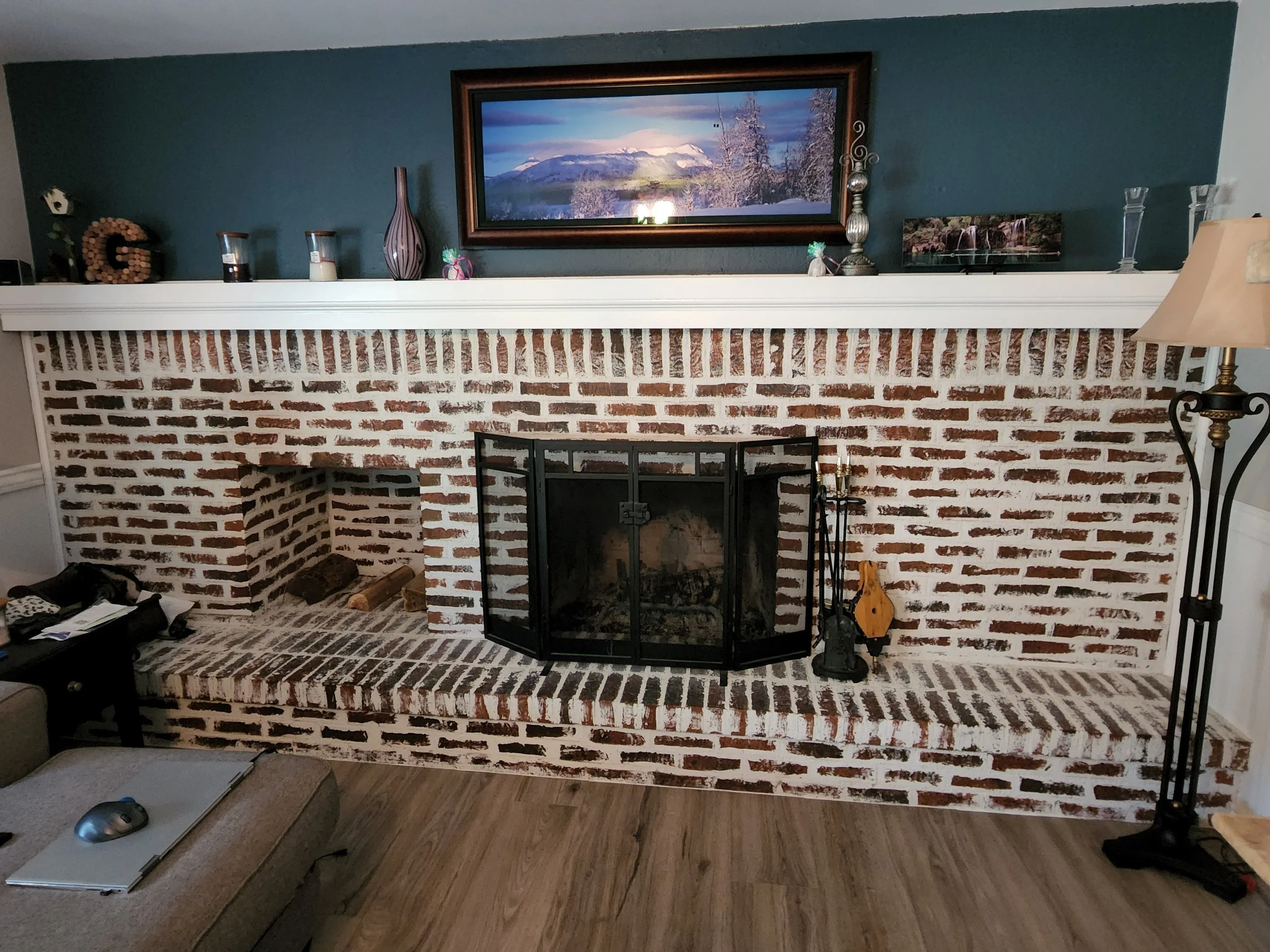
The Role of German Smear in Enhancing Interior Aesthetics
German smear, a traditional mortar-wash technique rooted in European masonry practices, brings textured warmth and subtle irregularity to interior brick surfaces. When applied inside the home, it softens the harsh redness of common brick while preserving its natural character, creating spaces that feel both historic and intentionally curated. This finish bridges rustic authenticity with contemporary minimalism, making it a versatile tool for interior aesthetic improvement.

Why Painting Your Brick Is a Mistake—and How German Smear Is the Smarter Choice
Tired of your home’s dated brick exterior and thinking about slapping on a fresh coat of paint? Hold that thought—painting your brick could lead to costly issues down the road.
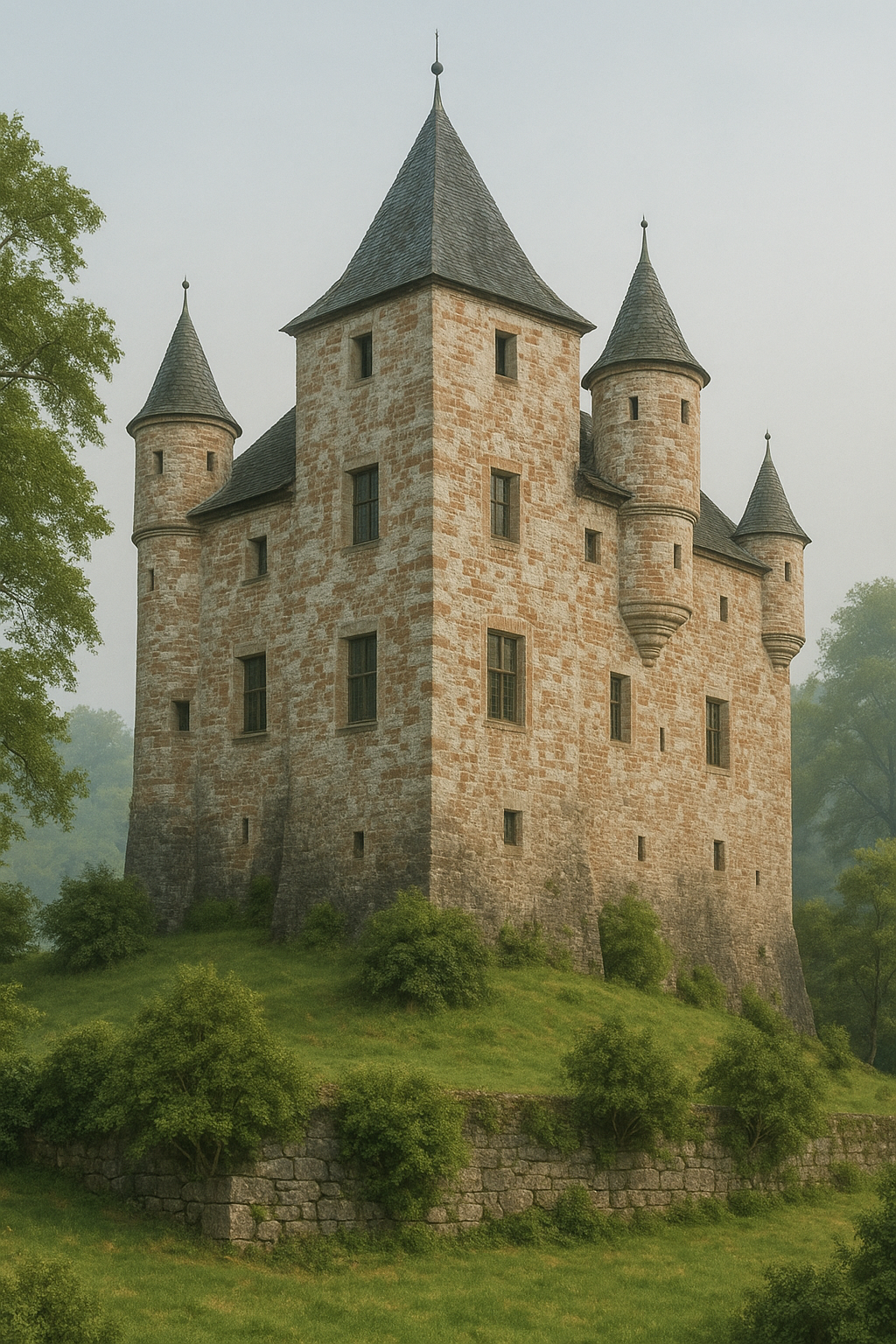
Restoring Royalty: How German Smear Helped Preserve Castles and Homes of the Monarchy
Discover how the German Smear technique—once used to preserve castles and royal estates across Europe—became a timeless method for both protection and beauty, blending craftsmanship with centuries of architectural history.
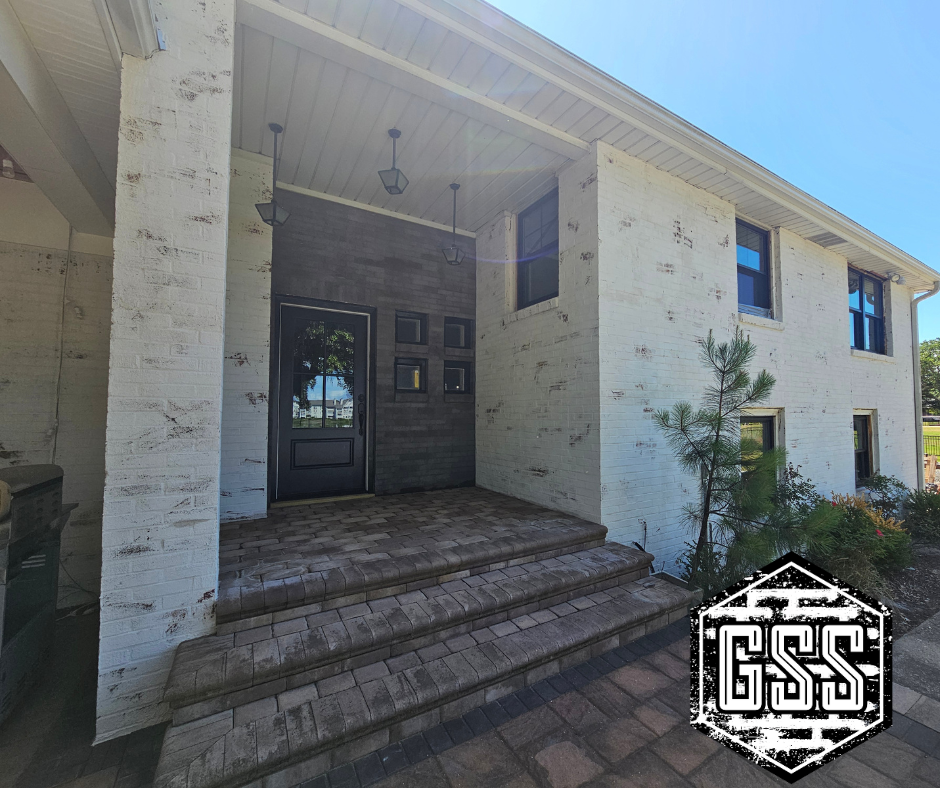
The Historical Origins and Use of German Smear: A Timeless European Technique
German Smear, also known as Schmear, is a centuries-old technique that originated in Germany and has since become a beloved style in both European and contemporary architecture. This method involves applying a thin layer of mortar over brick or stone, creating a rustic, textured, whitewashed appearance. It was originally developed for both practical and aesthetic purposes and continues to captivate homeowners today with its timeless charm.

Pairing German Smear with Landscaping: Curb Appeal Boosters That Complement Brick
Discover how pairing a German Smear brick finish with strategic landscaping can completely transform your home’s exterior. From boxwood borders and gravel walkways to ornamental grasses and flagstone patios, this guide covers cost, design tips, and real-world examples that deliver a 200% curb appeal ROI.