

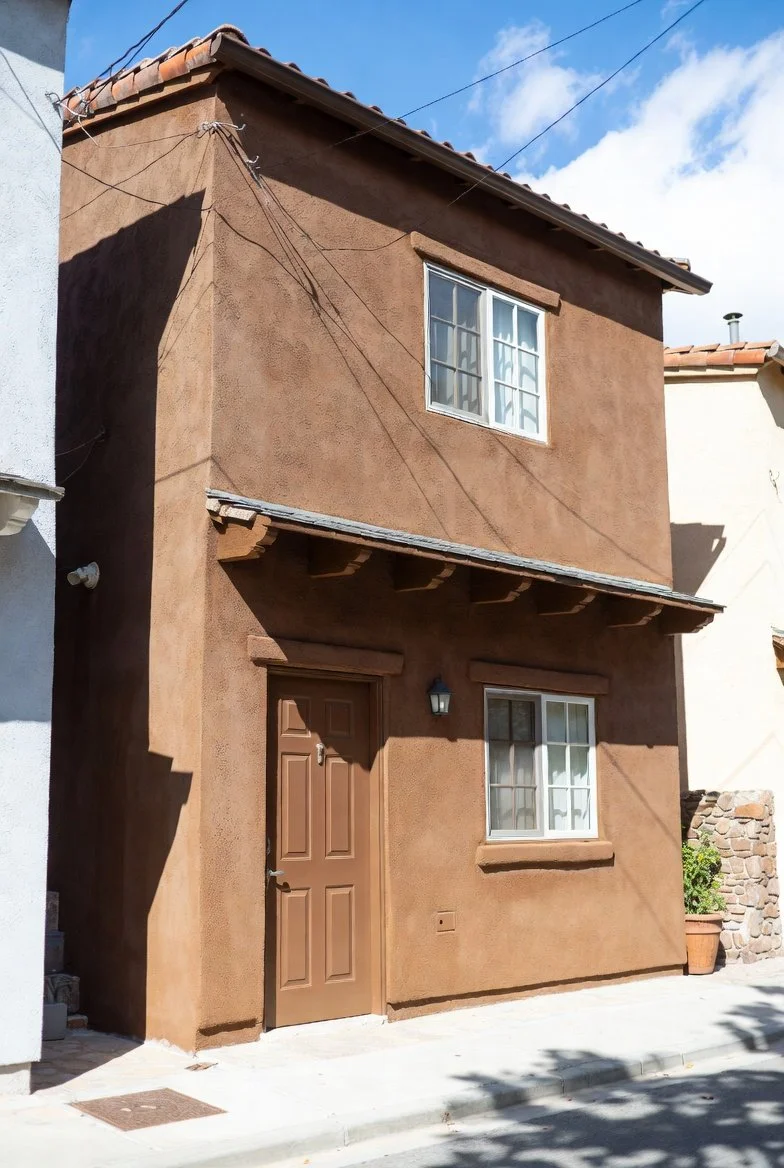
Comparing Color Options in Stucco and German Smear
Stucco and German Smear share remarkably similar approaches to coloration, relying on integral natural pigments rather than surface coatings. This method ensures material integrity while limiting palettes to earth-derived tones for historical and functional reasons. Understanding these constraints highlights the importance of breathable finishes in architectural conservation.

Exploring the Different Styles of German Smear Techniques
German Smear, also known as mortar wash or Schmear, is a historical brick finishing method that originated in Central European masonry practices during the medieval era. This technique involves applying a mortar mixture to brick surfaces to create an aged, textured appearance while enhancing structural integrity. Different styles vary primarily in the degree of mortar coverage and application method, offering options from subtle toning to more monolithic finishes.
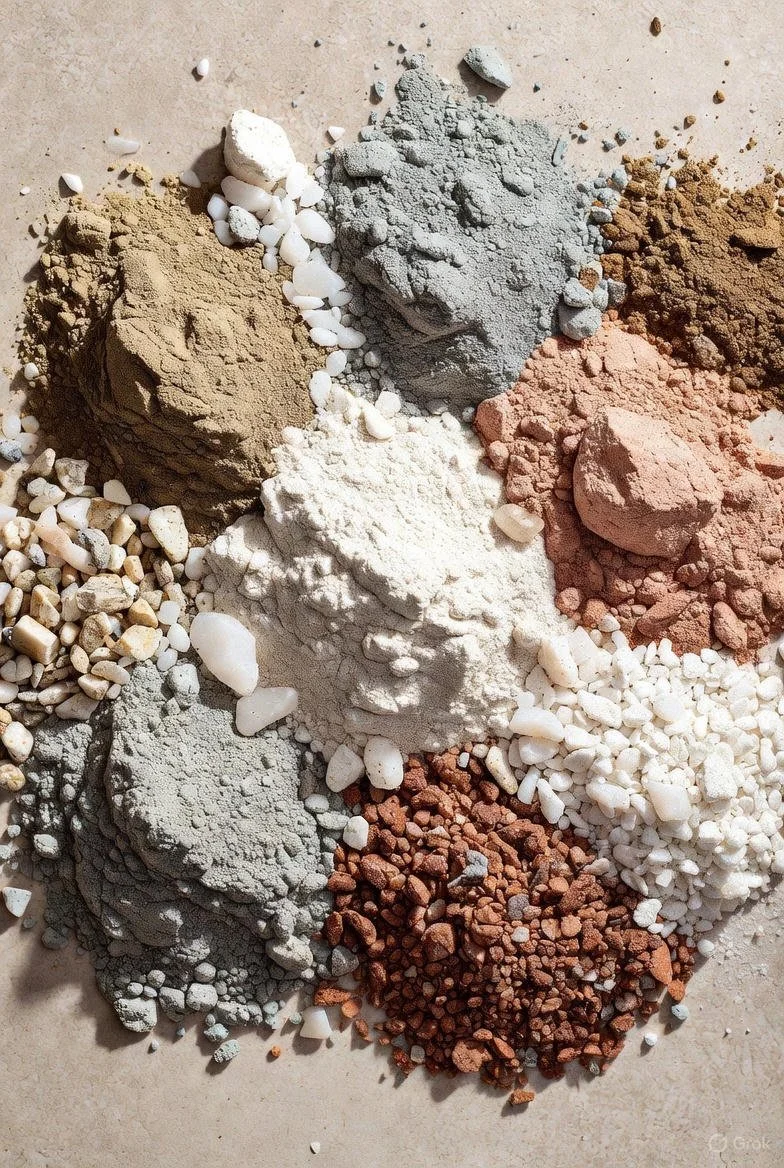
Factors Influencing Mortar Bond Strength in Brick Finishing Techniques
Mortar bond strength in brick applications, including techniques like German Smear and mortar wash, depends on controlled moisture levels, appropriate temperatures during application and curing, and suitable mineral compositions. Optimal conditions promote mechanical adhesion and chemical hydration or carbonation, ensuring durable bonds. Improper management of these factors can lead to weak adhesion, cracking, or premature failure, significantly reducing the longevity of the finish compared to properly executed applications.
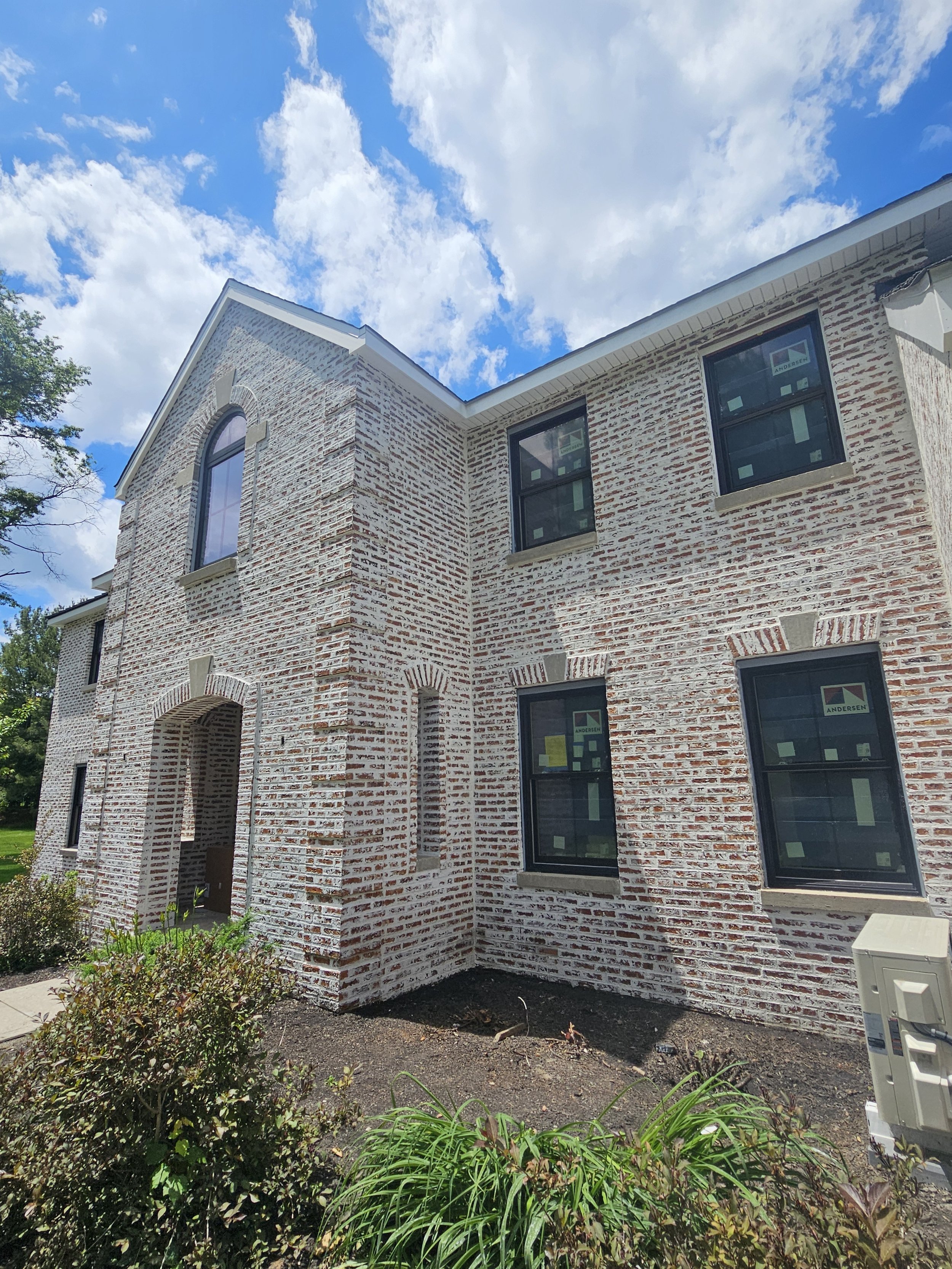
Brick Home Exterior Ideas: 7 Ideas to Improve Your Curb Appeal
Brick homes have long been valued for their durability and timeless aesthetic, rooted in historical building practices that emphasize natural materials and breathability. Enhancing curb appeal involves thoughtful modifications that respect the brick's inherent properties while improving visual and functional aspects. This blog explores seven educational ideas, drawing on architectural traditions and building science to inform potential updates.
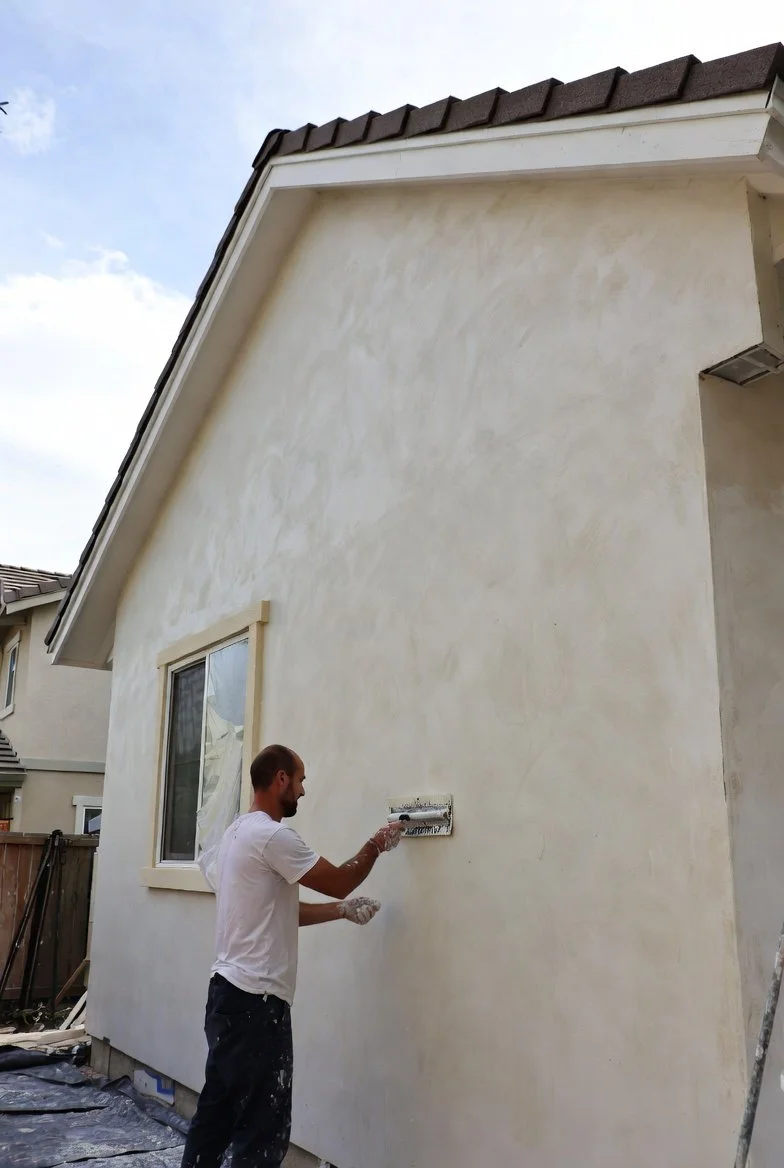
Comparing Stucco and German Smear Application Processes
Stucco and German Smear are both time-tested methods for altering the appearance of brick surfaces, drawing from historical European building traditions. While stucco involves layered plastering for a uniform finish, German Smear uses a mortar wash to create a textured, aged look. This comparison explores their similarities in materials, tools, and visual impact, highlighting how each technique enhances architectural character through breathable, durable applications.
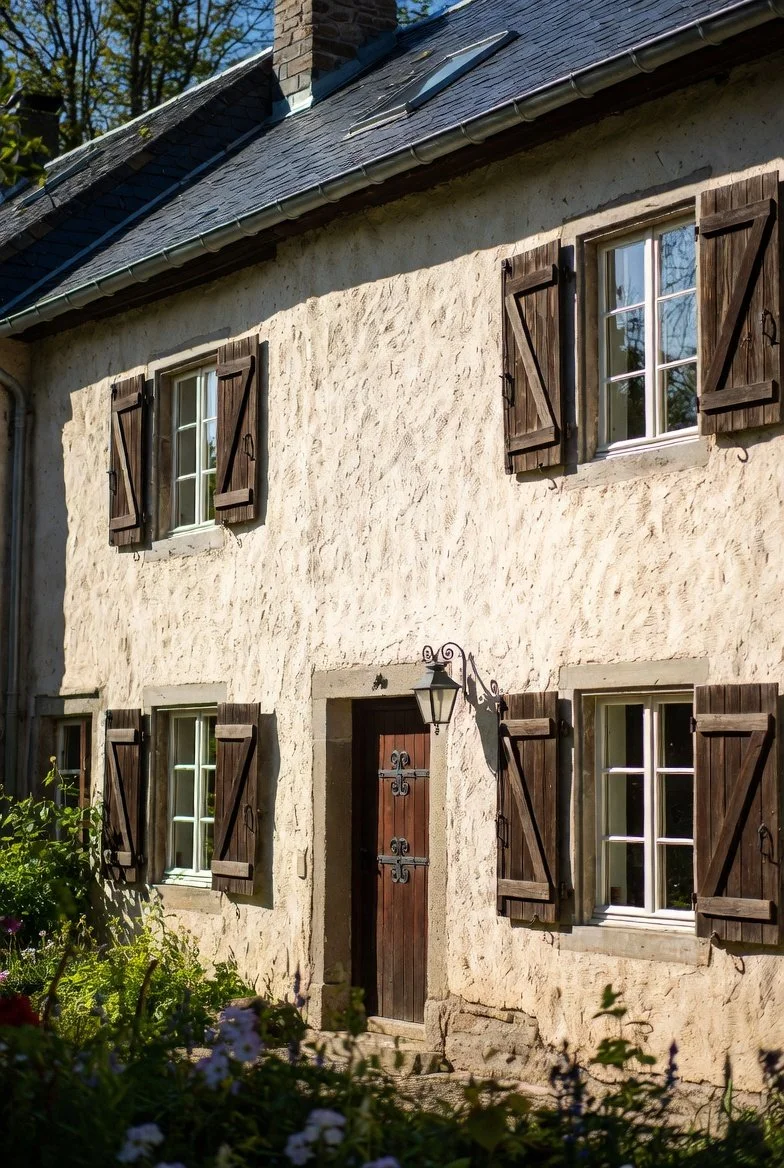
German Smear: A Centuries-Old Technique Rediscovered in Contemporary Building Practices
German Smear, a mortar-based finishing method, traces its origins to European masonry traditions dating back centuries, where it served both aesthetic and functional roles in protecting brick and stone structures. Today, this technique is being rediscovered for its ability to infuse modern homes with an authentic old-world European aesthetic while maintaining the breathability essential to masonry durability. By applying a thin layer of mortar and partially removing it, German Smear creates irregular textures that blend seamlessly with historical architectural elements.
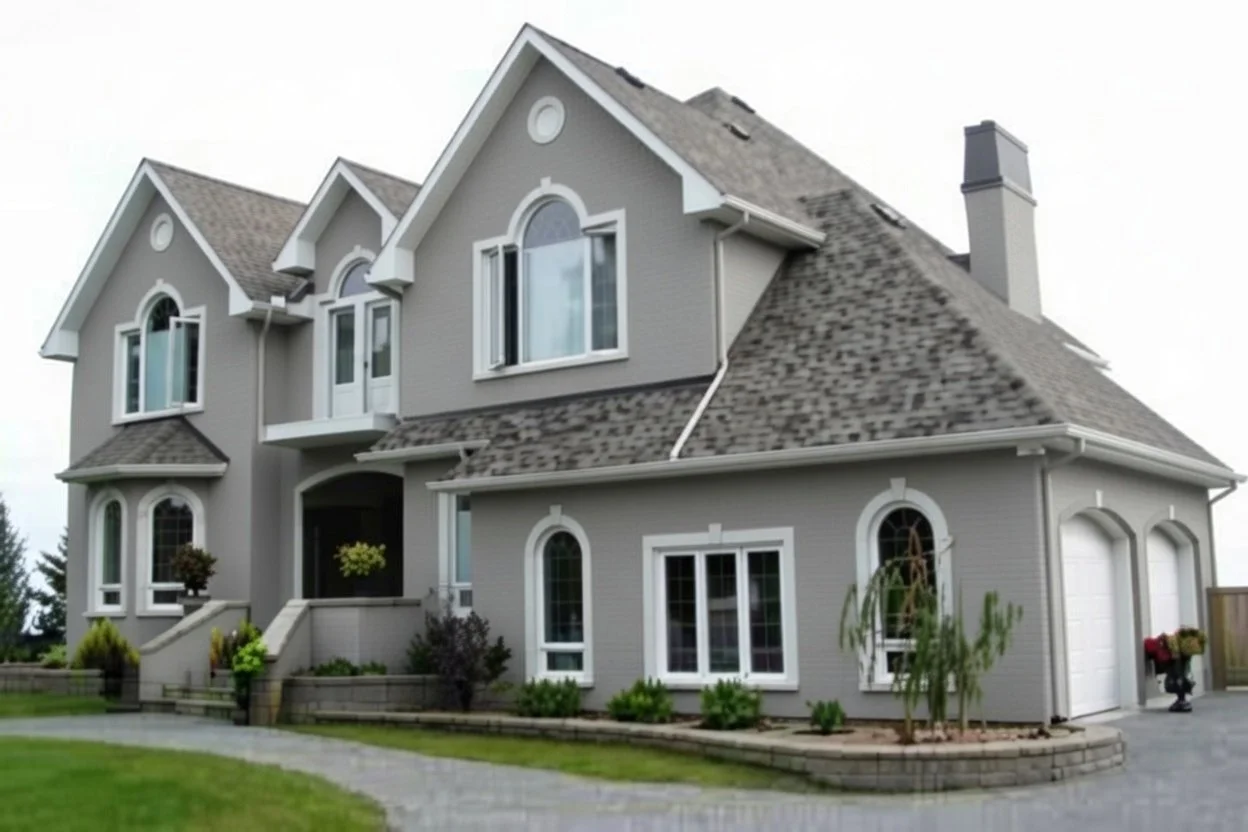
Latex vs. Acrylic Paint on Brick Houses: The Real Story (and Why You Might Want to Skip Painting Altogether)
Conventional latex and acrylic paints, commonly applied to brick exteriors, differ significantly in composition, longevity, and interaction with porous masonry. Latex paints, often vinyl-acrylic blends, tend to offer lower durability outdoors compared to 100% acrylic formulations, which provide greater flexibility and resistance to weathering. However, both create film-forming barriers that can restrict the natural vapor permeability of brick, trapping moisture and increasing the risk of freeze-thaw damage leading to spalling. Breathable historical alternatives, such as limewash, mineral silicate paints, and mortar-wash techniques like German Smear, allow moisture to escape while altering appearance without compromising structural integrity.
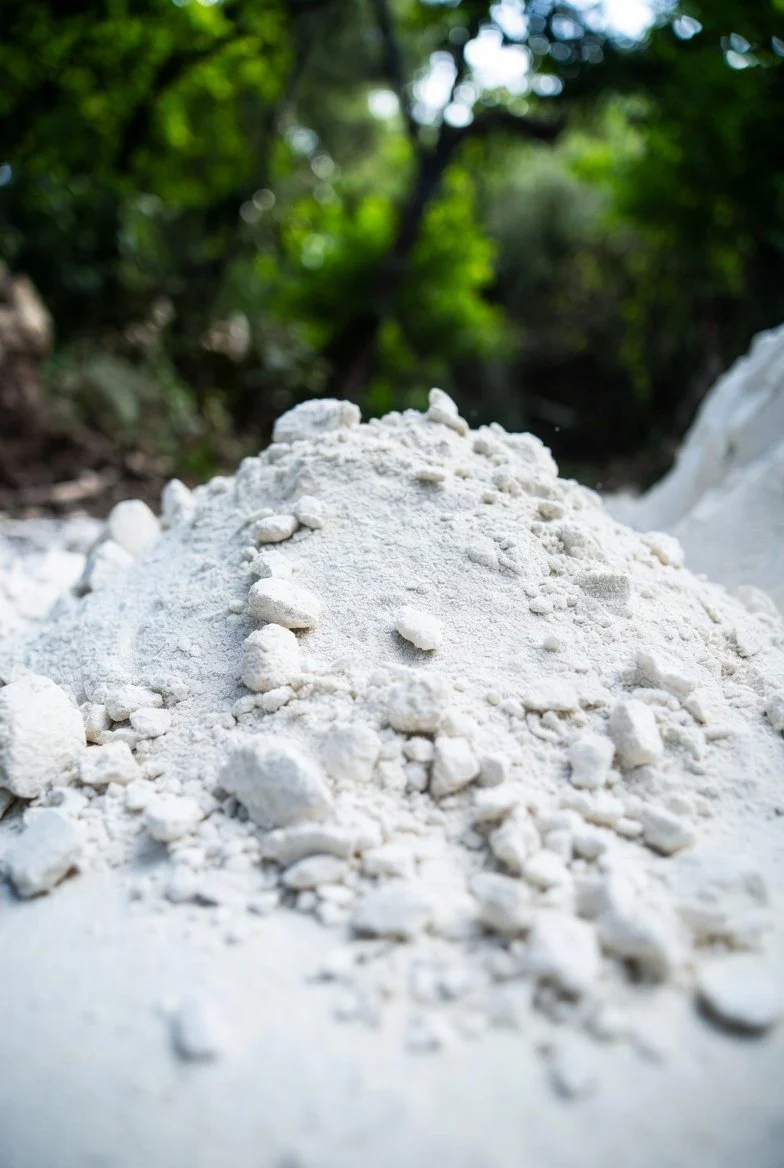
Lime-Based Finishes and Their Resistance to Algae and Mold Growth
Limewash and German Smear, both derived from lime-heavy materials, offer natural resistance to algae and mold through their alkaline properties and breathability. These finishes create environments inhospitable to microbial growth while allowing moisture to escape, reducing the conditions that foster such issues. Understanding their scientific mechanisms and the role of breathable waterproofing can inform choices in architectural applications.
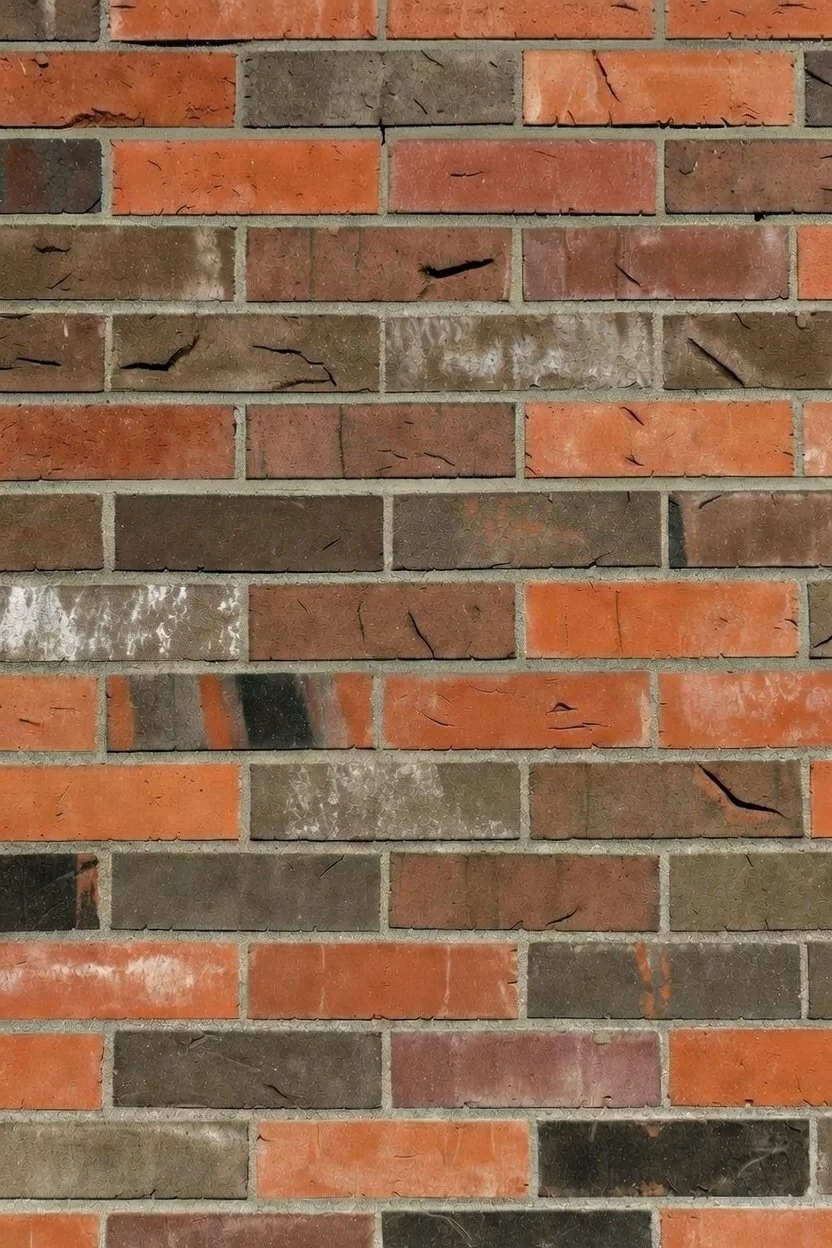
Understanding Mortar Joint Thickness in Brick Structures
Mortar joints, often referred to as grout lines in masonry contexts, vary significantly in thickness across different brick structures, influenced by historical building practices and functional requirements. These variations serve structural, aesthetic, and environmental purposes, affecting everything from load distribution to weather resistance. In the context of German Smear—a traditional mortar-wash technique—joint thickness plays a key role in application methods and final appearance.
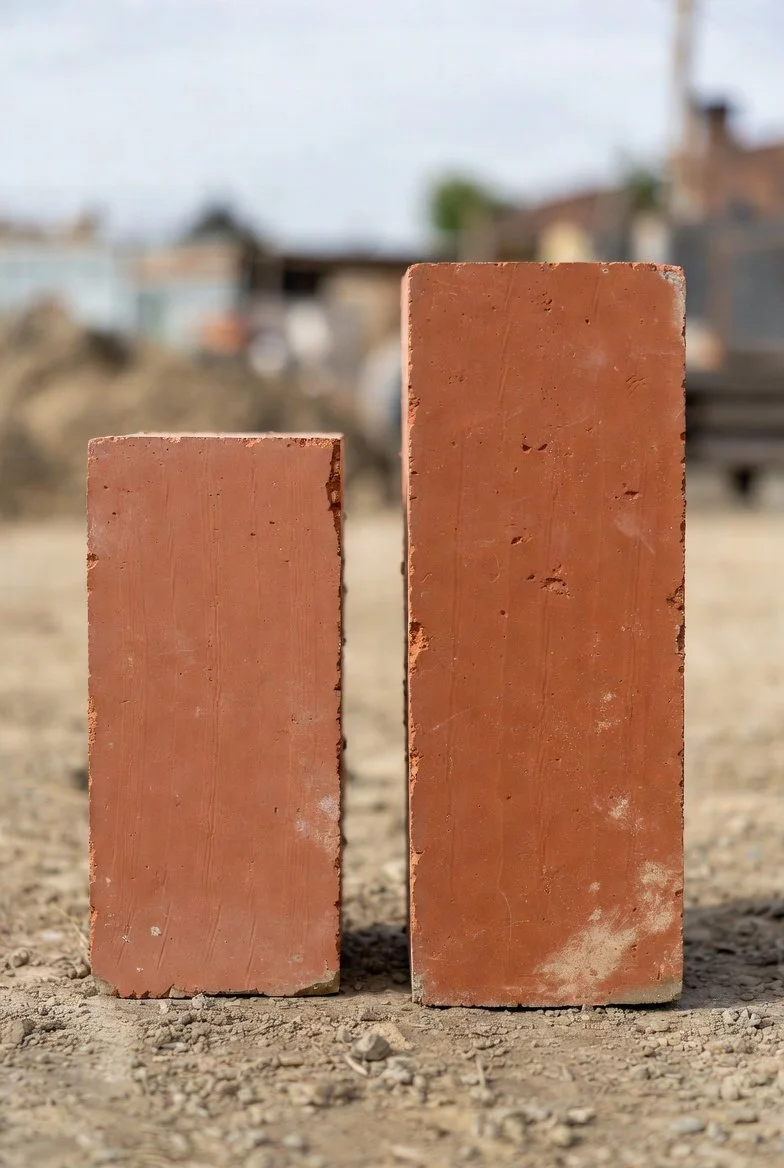
The Spectrum of Brick Sizes: From Compact to Expansive Formats
Brick sizes have evolved over centuries to meet diverse architectural needs, ranging from small, intricate units suited for detailed masonry to large, efficient blocks for expansive structures. These variations influence construction speed, structural integrity, and aesthetic outcomes, while also affecting surface treatments like German Smear. Understanding these differences provides insight into historical building practices and modern adaptations.

German Smear: Evaluating Cost-Effectiveness in Commercial Applications
German Smear, a mortar-based finishing technique documented in European masonry traditions since the 1500s, offers a durable alternative to painting brick exteriors. While initial application costs may exceed those of standard paint, its extended lifespan and reduced maintenance needs can result in long-term savings for structures like commercial buildings. Architecturally, this method enhances visual distinctiveness through textured, aged appearances that integrate historical aesthetics with modern functionality.
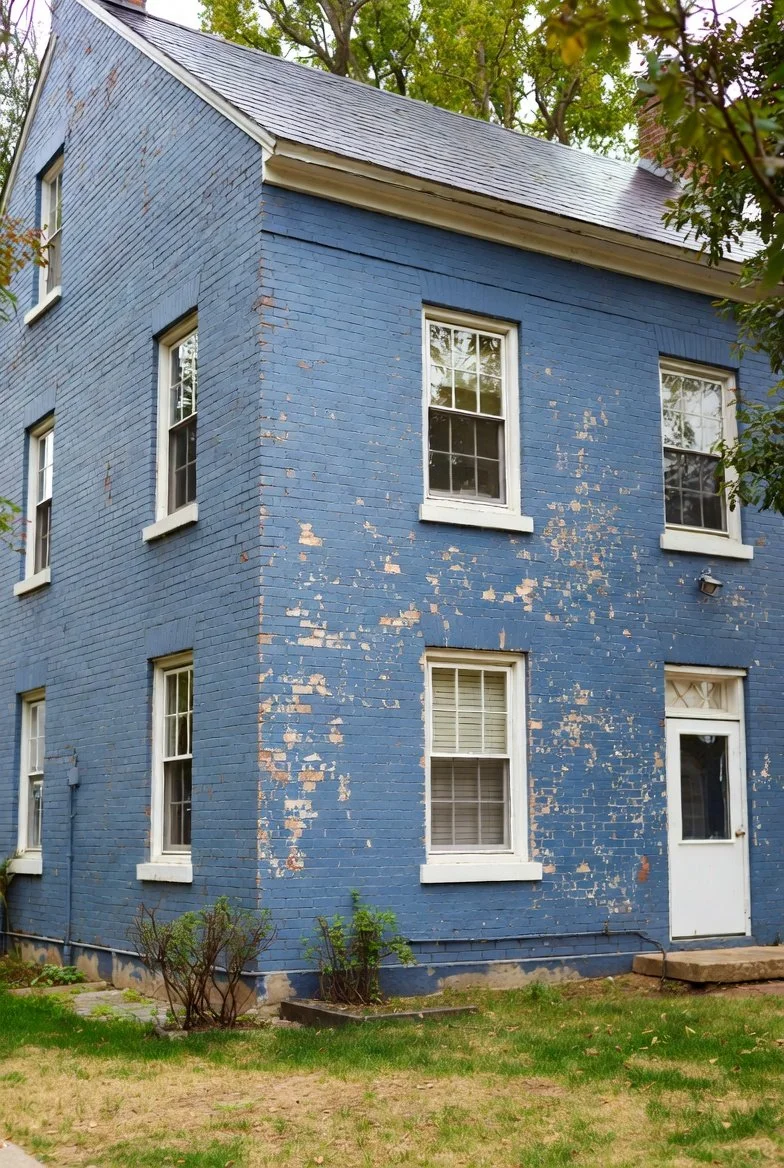
The Deterioration of Paint on Brick Houses
Paint applied to brick houses often deteriorates faster than on other surfaces due to the porous nature of brick, which can trap moisture behind the non-breathable coating. This leads to issues like peeling, cracking, and structural damage over time. Understanding the chemical processes and environmental factors involved highlights the importance of selecting appropriate brick treatments in architectural conservation.

The Production and Properties of White Mortar
White mortar, prized for its light color in decorative architectural applications, is produced using specialized materials and processes to minimize impurities that cause discoloration. This mortar plays a key role in techniques like German Smear, where its composition influences both aesthetics and material performance. Understanding its makeup and effects on properties such as permeability helps in appreciating its historical and practical uses in brick treatments.

German Smear and Protection Against Freeze-Thaw Cycles
German smear, a traditional mortar wash technique, utilizes lime-based materials that enhance the durability of brick structures in regions prone to temperature fluctuations. This method protects against freeze-thaw damage by promoting moisture evaporation through high vapor permeability, preventing water accumulation within the masonry. On a molecular level, the structure of slaked lime in the mortar forms a porous network that allows water vapor to diffuse outward even as the material solidifies.
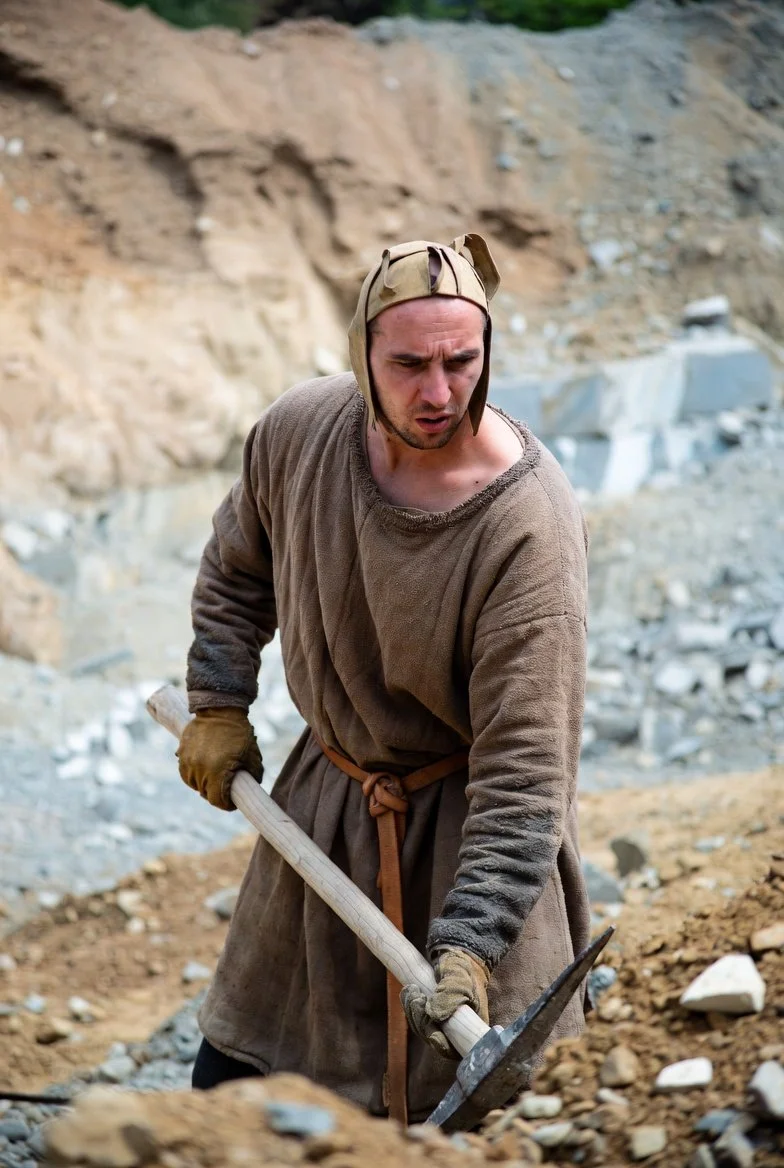
The Craftsmen Behind German Smear: Origins and Material Practices
German Smear, a traditional masonry technique involving the application of mortar to brick or stone surfaces, emerged from centuries-old European building practices, particularly in Germany. Craftsmen discovered the benefits of lime in enhancing breathability and providing protection against environmental damage through practical application in construction. This method, rooted in medieval traditions, involved sourcing and processing local materials like lime and sand to create durable, textured finishes.
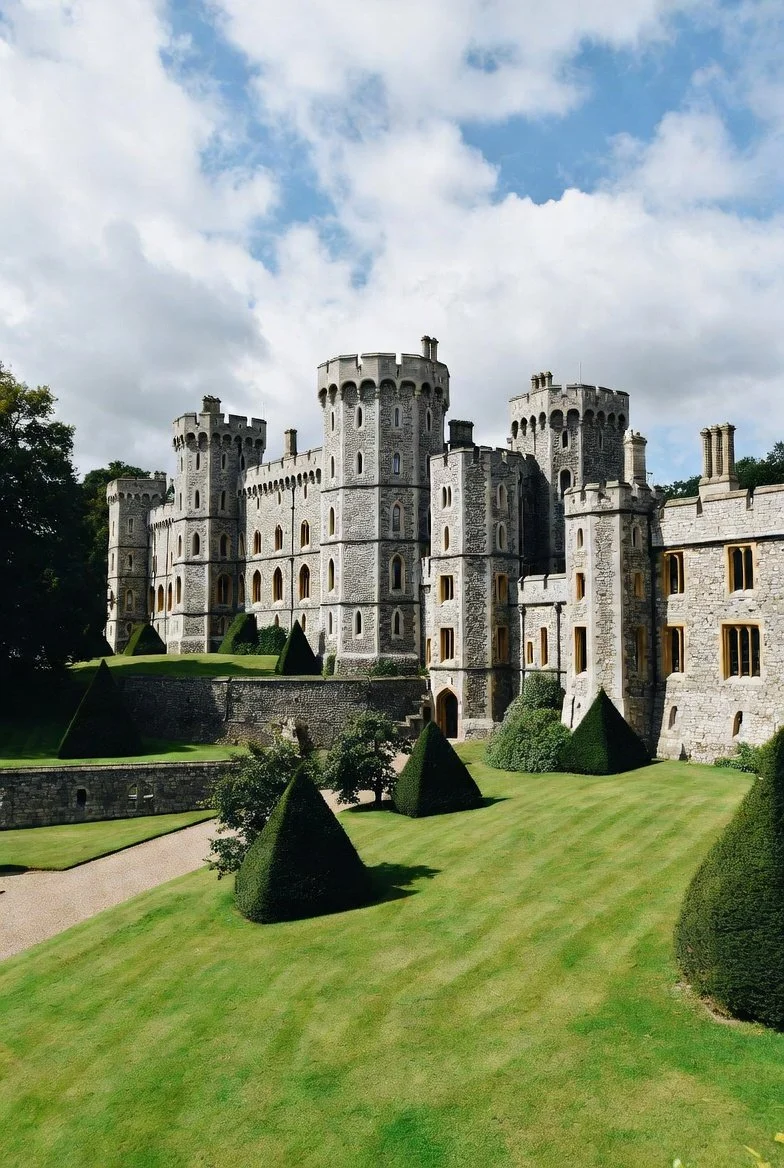
Medieval Castle Expansions: Blending Additions Through Mortar Wash Techniques
Medieval kings frequently expanded their castles to accommodate growing needs for defense, residence, and prestige, often integrating new sections with existing structures. Techniques like mortar washes, akin to what is now called German Smear, were employed in some European regions to unify the appearance of brick or stone facades. This method helped maintain architectural coherence while addressing practical concerns such as weather resistance.
The Effects of Painting Brick: Dirt Adhesion and Long-Term Structural Impacts
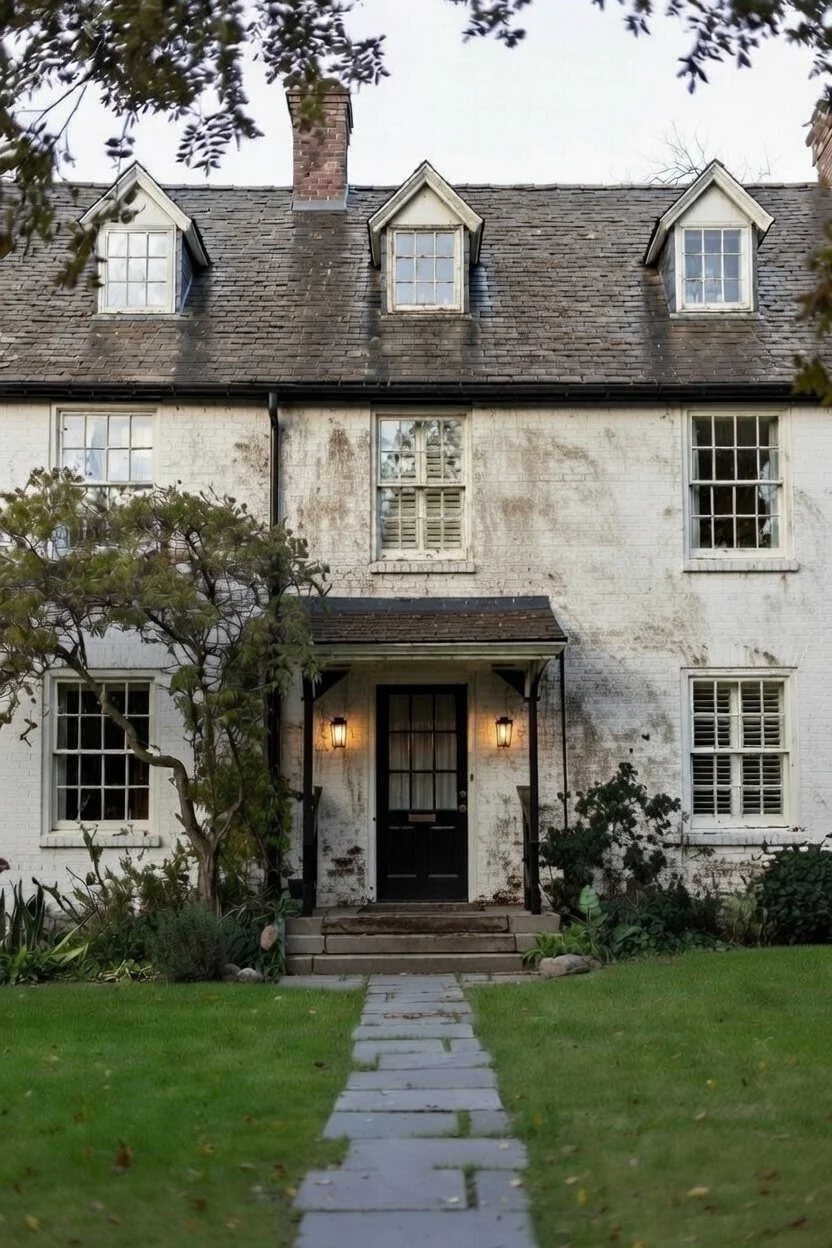
Painting brick exteriors alters the surface chemistry, making it less prone to stubborn dirt buildup by creating a smoother, less absorbent layer. While this can simplify cleaning routines, it often comes at the cost of the brick's natural breathability, leading to potential moisture-related deterioration over time. Understanding these mechanisms is essential for appreciating traditional brick maintenance practices rooted in architectural history.
The History of Stucco: Origins, Applications, and Comparisons to German Smear
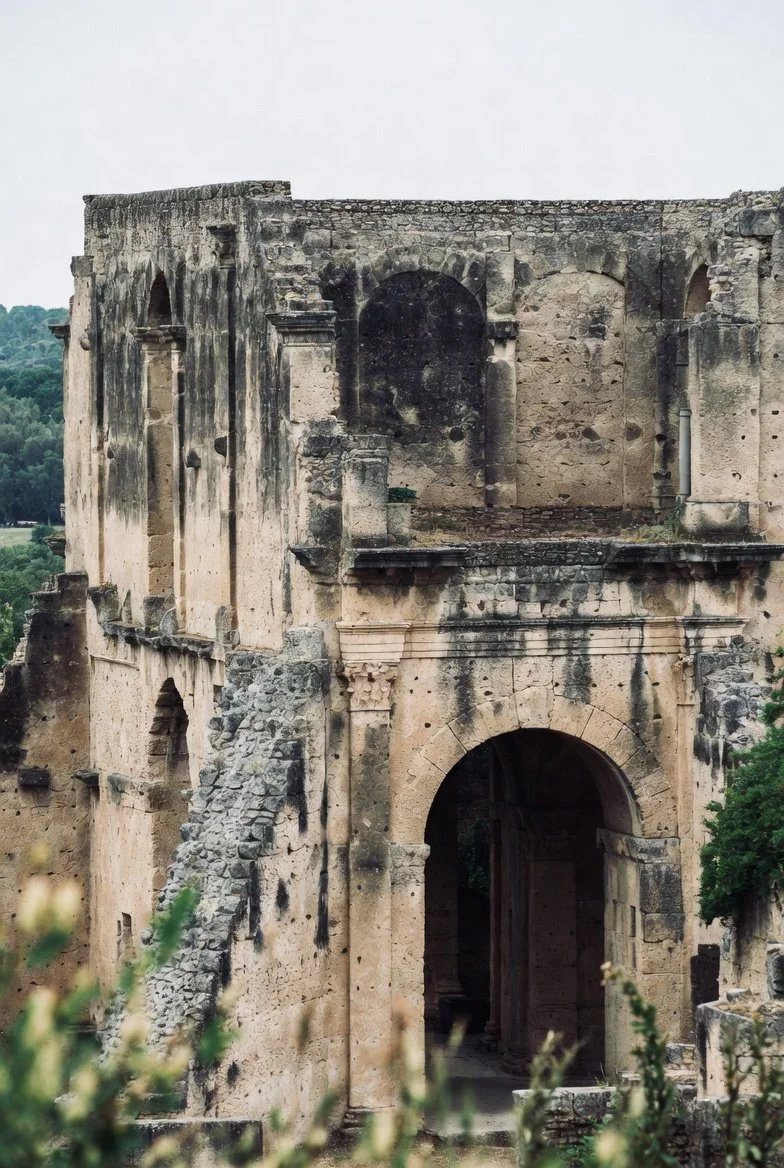
Stucco, a durable plaster-like material, traces its roots to ancient civilizations where it served both functional and decorative purposes in architecture. Over millennia, it has evolved to provide weather protection, aesthetic enhancement, and structural mimicry in buildings worldwide. This exploration details its historical emergence, practical applications, effects on stone and brick substrates, and parallels with the German smear method.

Lifetime Paint Warranties on Brick Versus the Durability of German Smear
Lifetime warranties on paint for brick surfaces promise coverage against specific defects but often require repeated applications due to environmental wear, contrasting with the integrated permanence of German Smear. Painting brick creates a film that limits future options, committing to ongoing repaints rather than allowing transitions to breathable finishes like limewash or German Smear. This distinction underscores key differences in material compatibility and long-term masonry behavior.
Glazed Bricks and German Smear
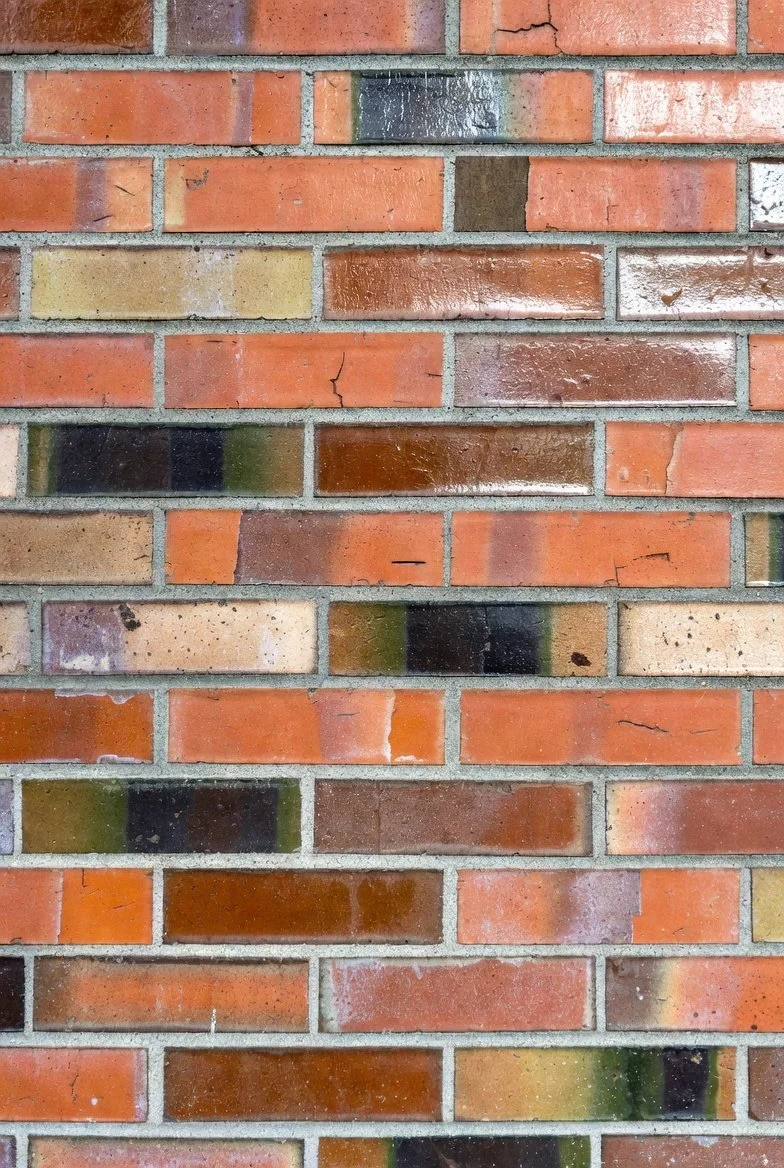
Glazed bricks feature a vitrified ceramic coating that enhances their durability and aesthetic appeal in architectural applications. This glassy surface provides significant benefits in terms of weather resistance and low maintenance, making them suitable for various building environments. However, their impermeable nature prevents effective application of traditional mortar-wash techniques like German Smear, which rely on porous substrates for adhesion.