

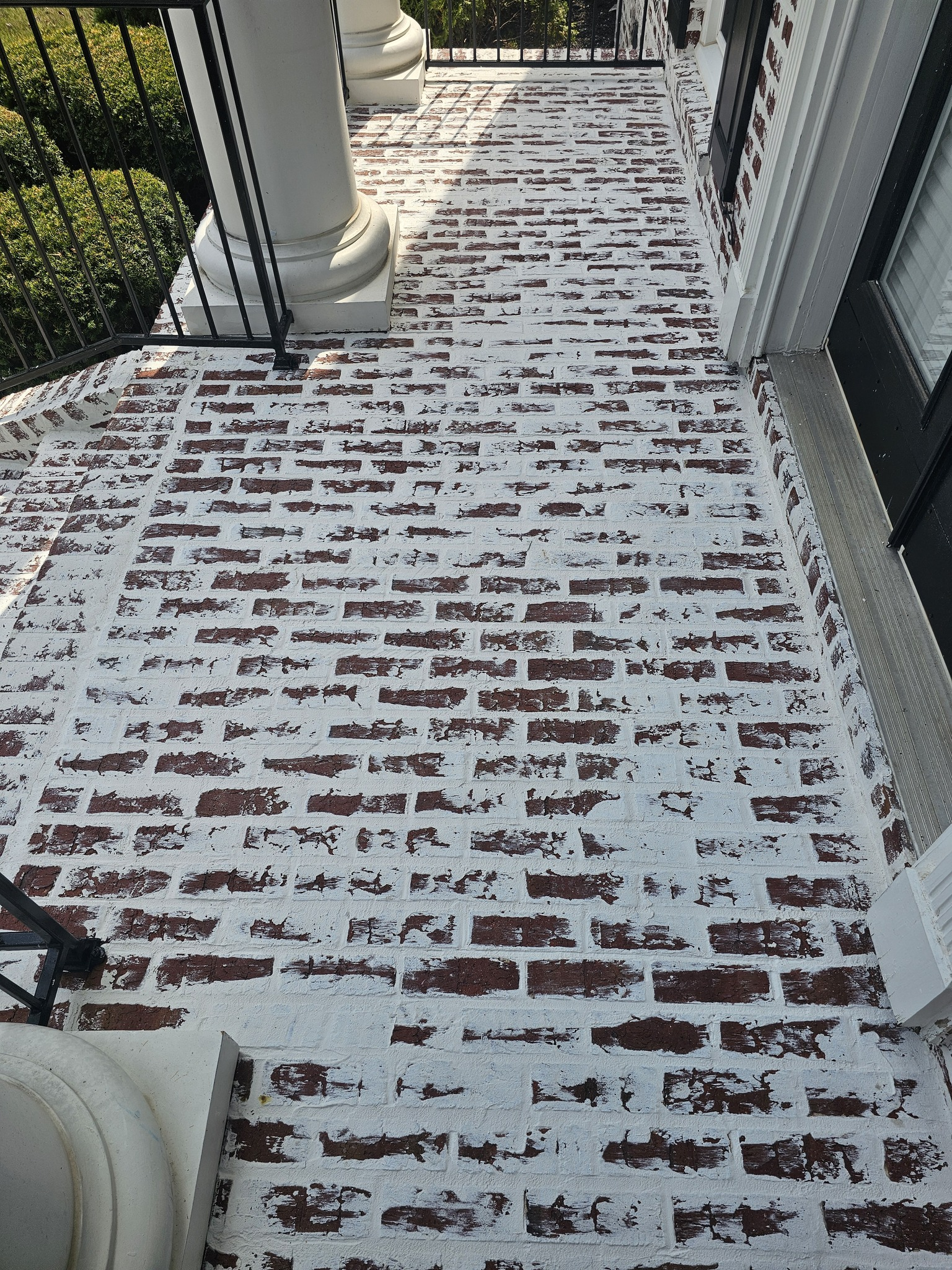
Transforming the Appearance of Brick Pavers: Aesthetic Enhancement Techniques That Preserve Durability
Beyond routine cleaning, brick pavers can be dramatically refreshed or completely re-imagined through historically proven surface treatments such as mortar wash, lime slurry coatings, and selective staining methods. When correctly formulated and applied, these techniques alter color and texture while maintaining the clay unit’s essential vapor permeability and freeze-thaw resistance. The result is a new aesthetic identity—from bright whitewashed Mediterranean courtyards to softly aged European village streets—without sacrificing the paver’s proven longevity.
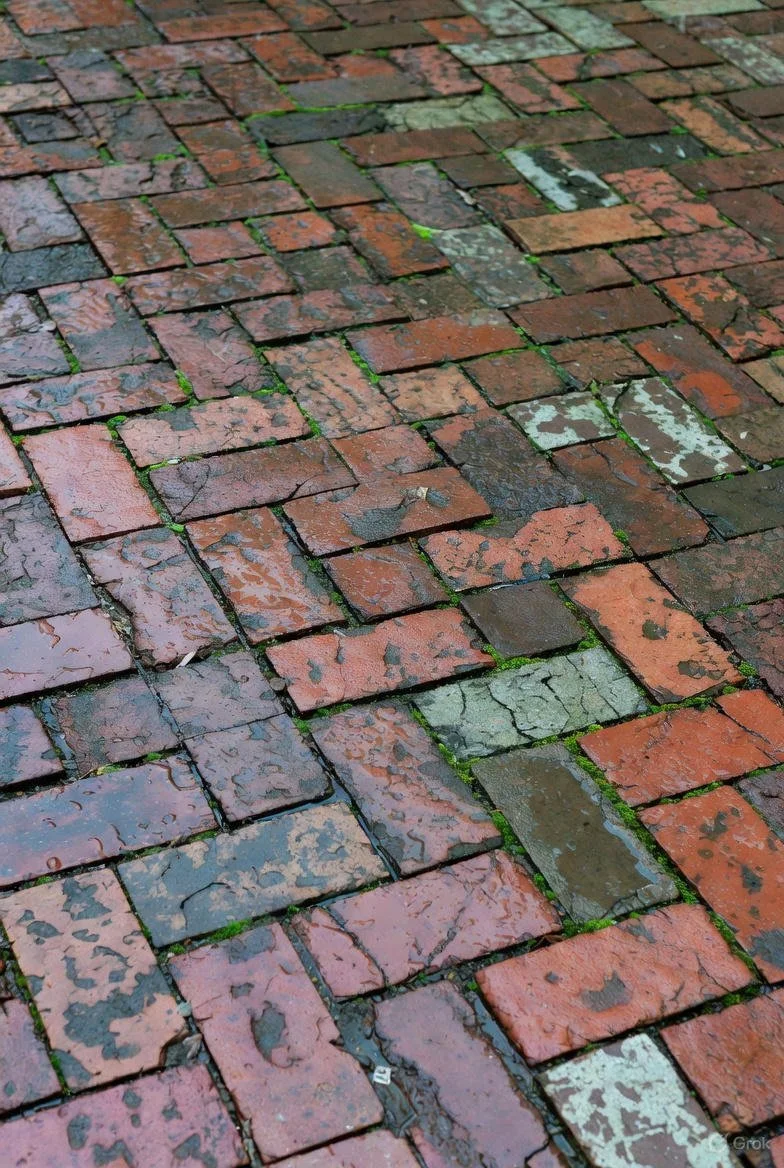
Maintaining Brick Pavers: Long-Term Durability Through Proven Historical and Building-Science Practices
Brick pavers have been used for streets, courtyards, and walkways since Roman times because clay brick is inherently durable, frost-resistant, and repairable. Proper maintenance extends that natural longevity, prevents joint failure, controls weed growth, and preserves the breathable character of the masonry. This post focuses on evidence-based techniques that respect both traditional European paving methods and modern materials science.
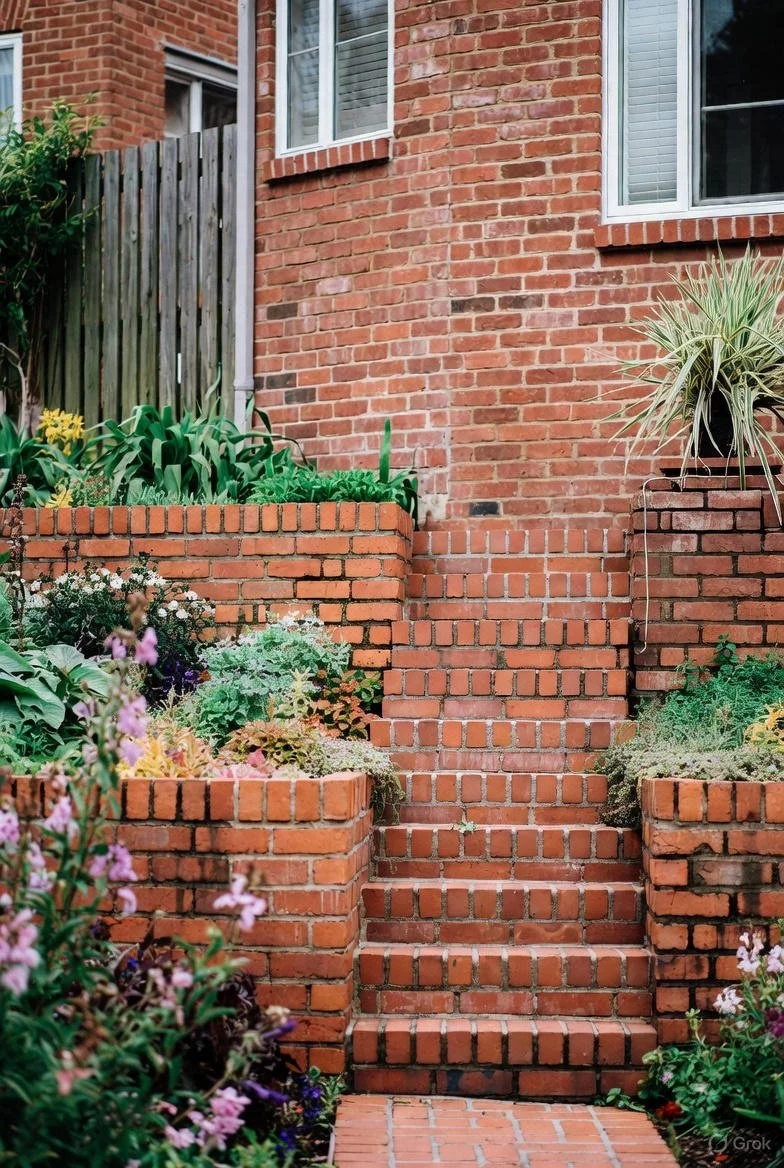
The Critical Role of Drainage Holes in Brick Retaining Walls for Gardens
Brick retaining walls are elegant and durable features in garden design, but without proper drainage they can fail prematurely due to hydrostatic pressure. Adding weep holes and a functional drainage system behind the wall is not optional—it is a fundamental building-science requirement that protects both the wall and the garden it supports. Understanding how water behaves behind masonry is key to long-term stability.
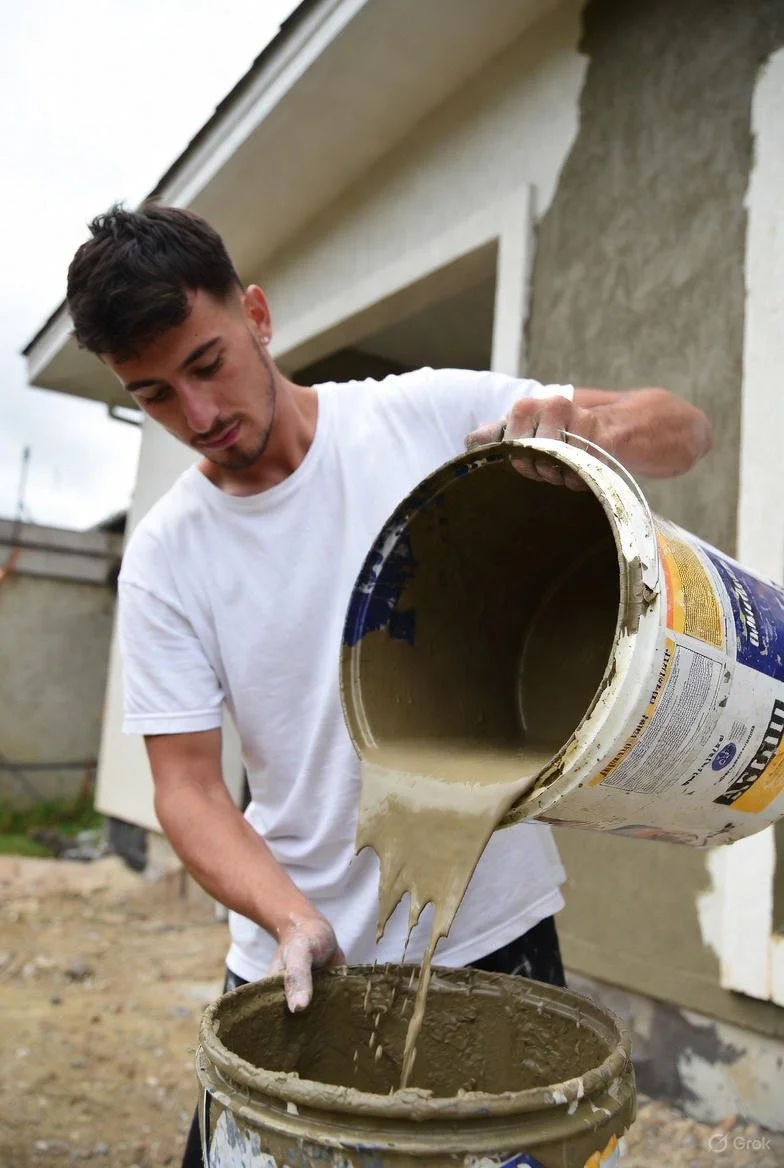
The Effects of Adding Paint to Mortar: Impact on Bonding, Setting, and Long-Term Performance
Adding latex or acrylic paint directly into wet mortar is a common DIY technique intended to tint German Smear or mortar wash applications. However, this practice significantly alters the mortar’s chemical hydration process, reduces bond strength, compromises vapor permeability, and increases the risk of long-term failure. Understanding the building-science consequences explains why traditional and conservation-grade methods deliberately avoid paint additives.
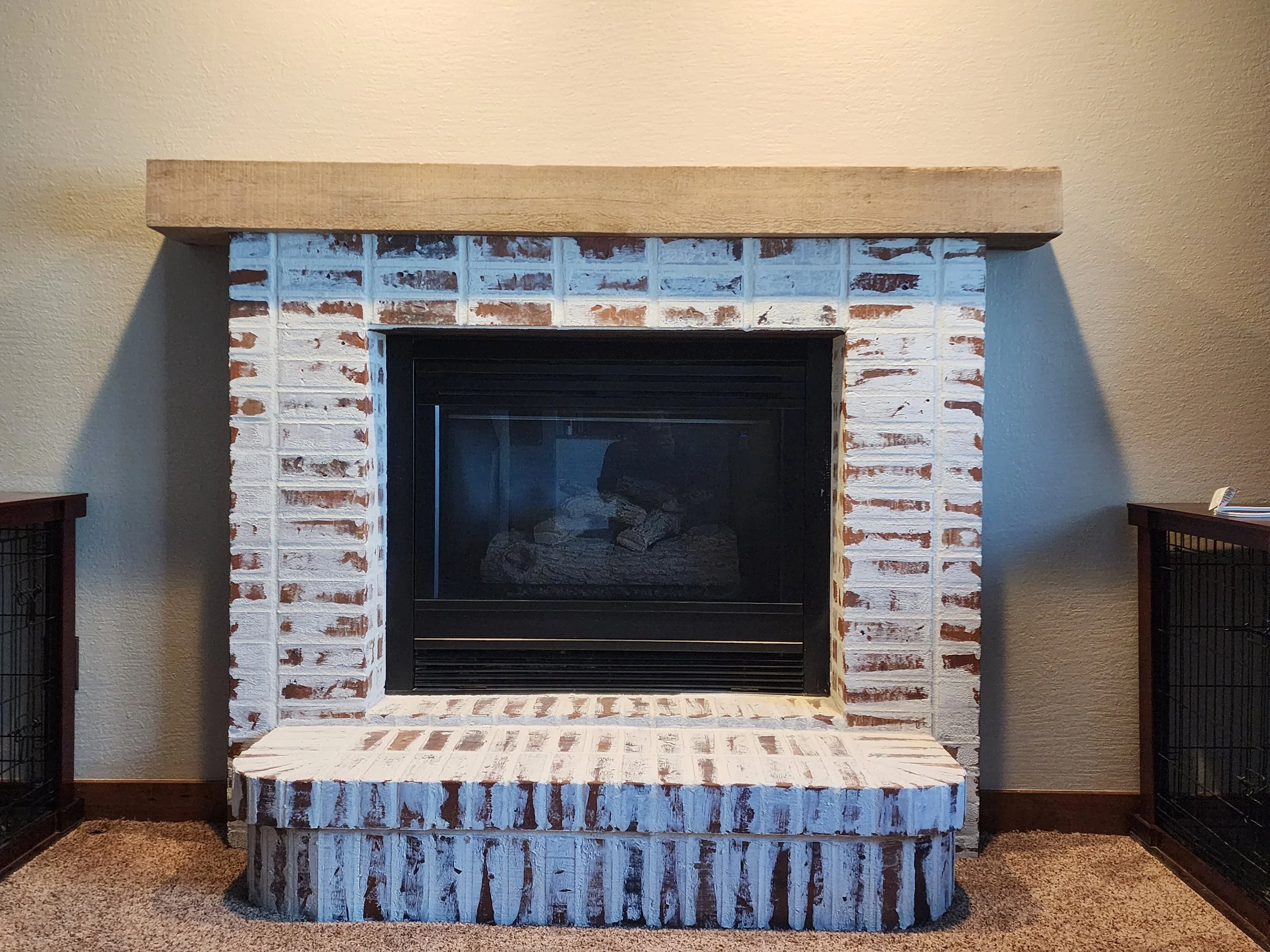
German Smear Versus Painting for Indoor Fireplaces: A Technical and Aesthetic Comparison
Interior brick fireplaces can be refreshed either by applying a traditional German smear or by painting the brick. While both approaches lighten and modernize the appearance, they differ fundamentally in texture, breathability, permanence, and long-term behavior. Understanding these differences allows homeowners and designers to select the method that best aligns with the fireplace’s material properties and the desired aesthetic outcome.
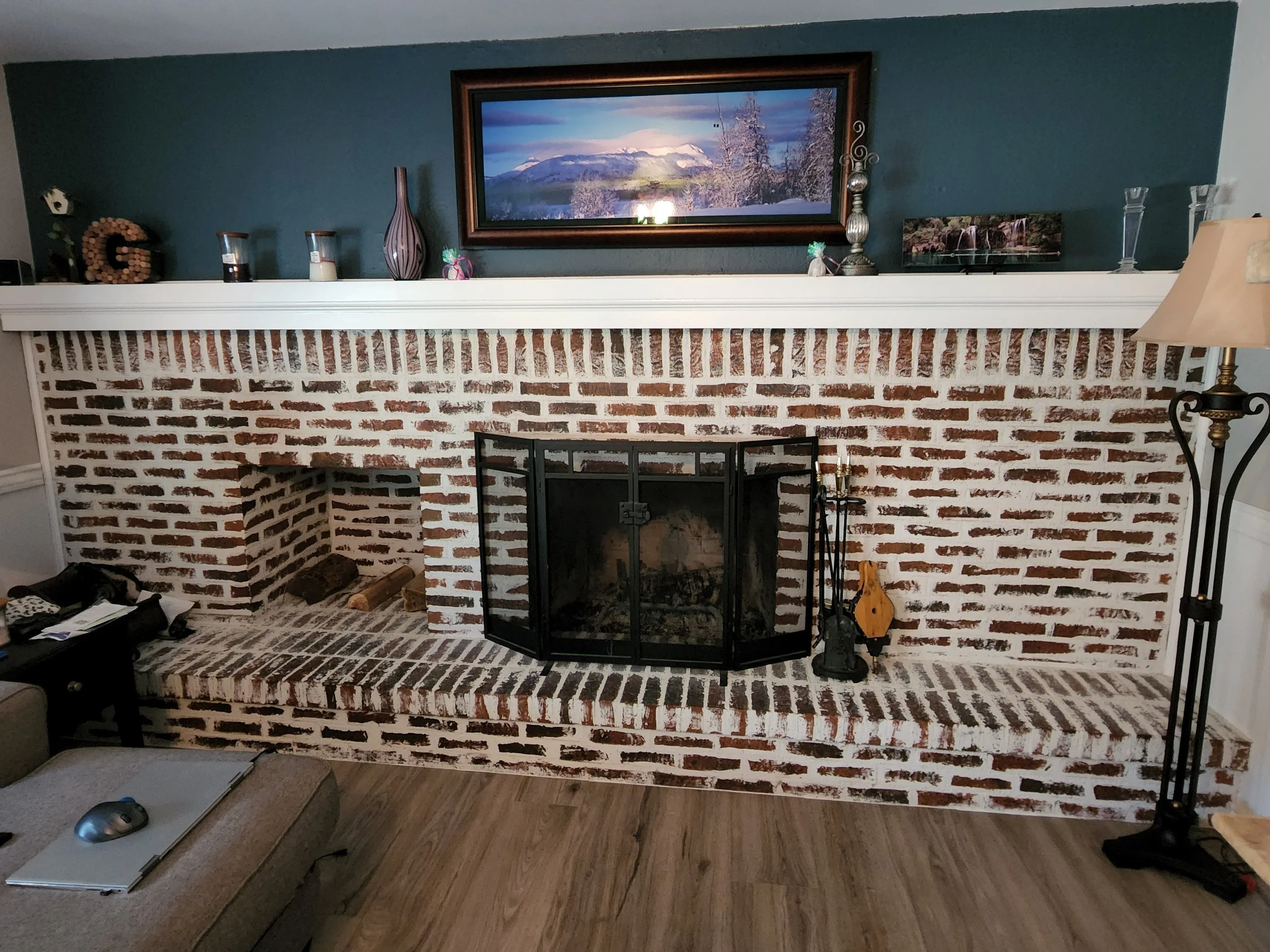
The Role of German Smear in Enhancing Interior Aesthetics
German smear, a traditional mortar-wash technique rooted in European masonry practices, brings textured warmth and subtle irregularity to interior brick surfaces. When applied inside the home, it softens the harsh redness of common brick while preserving its natural character, creating spaces that feel both historic and intentionally curated. This finish bridges rustic authenticity with contemporary minimalism, making it a versatile tool for interior aesthetic improvement.
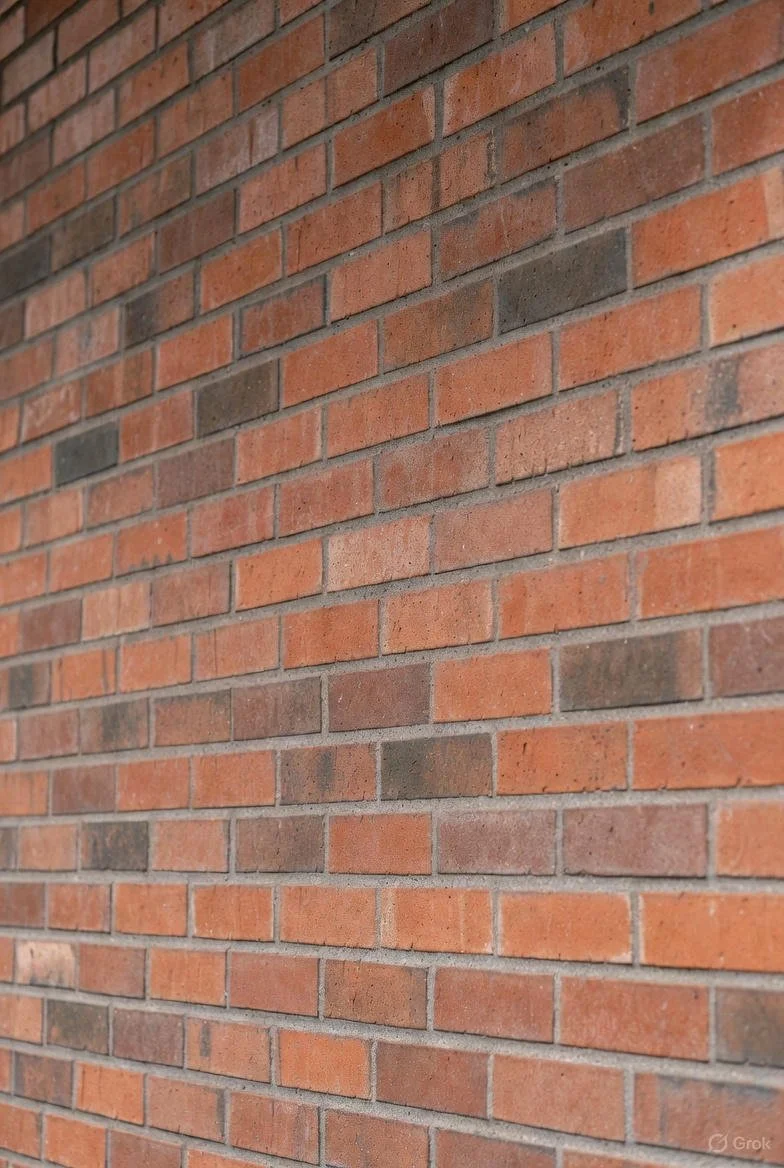
Maintaining Brick Houses: Historical Practices and Modern Building-Science Principles
Brick has been a dominant building material in Europe and North America for centuries due to its durability, fire resistance, and thermal mass. Proper maintenance extends the life of brick masonry from hundreds to thousands of years while preserving vapor permeability and preventing moisture-related damage. This post examines historically proven maintenance methods, explains the science behind common brick failures, and outlines practical, non-invasive care routines based on conservation standards.
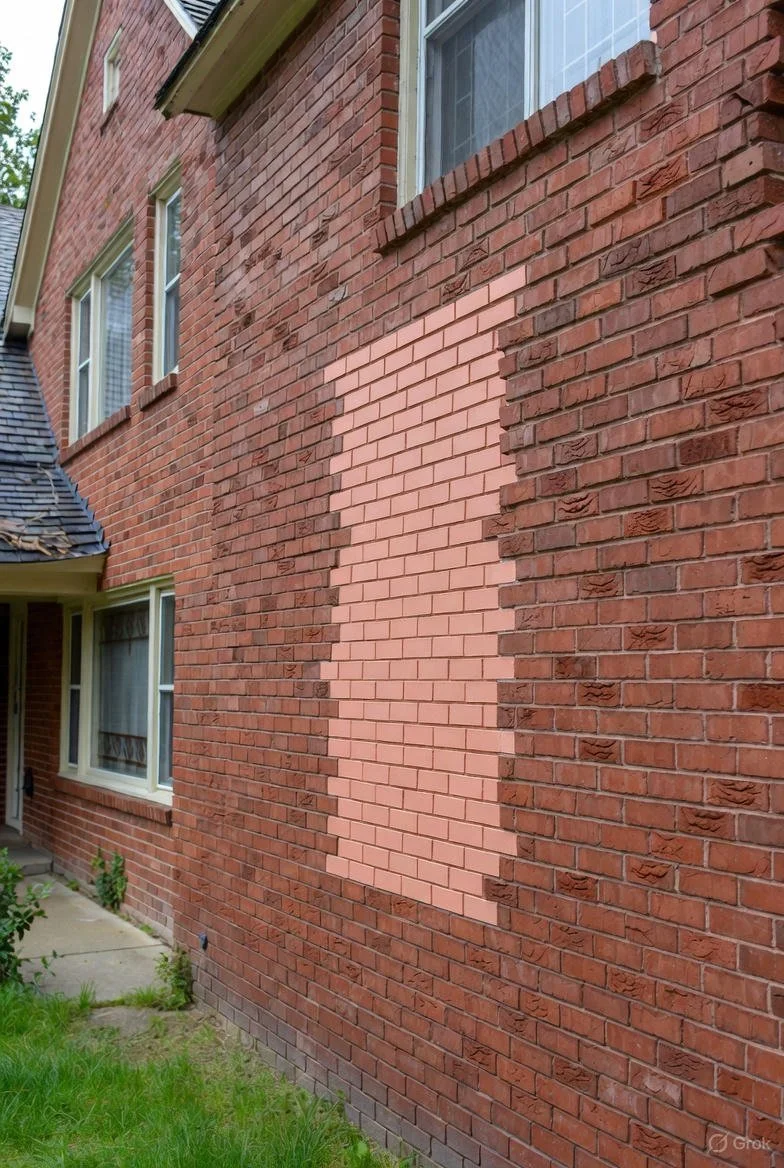
Five Reasons you may need German Smear on your home
German Smear originated as a functional repair method in Central European masonry practice, used to consolidate deteriorating joints, stabilize mismatched repairs, and restore weather resistance to solid brick walls. The technique applies a thin, vapor-permeable lime-mortar veil that mechanically locks into the existing substrate. The following five conditions represent historically documented scenarios where masons employed the method specifically for integrity rather than appearance.
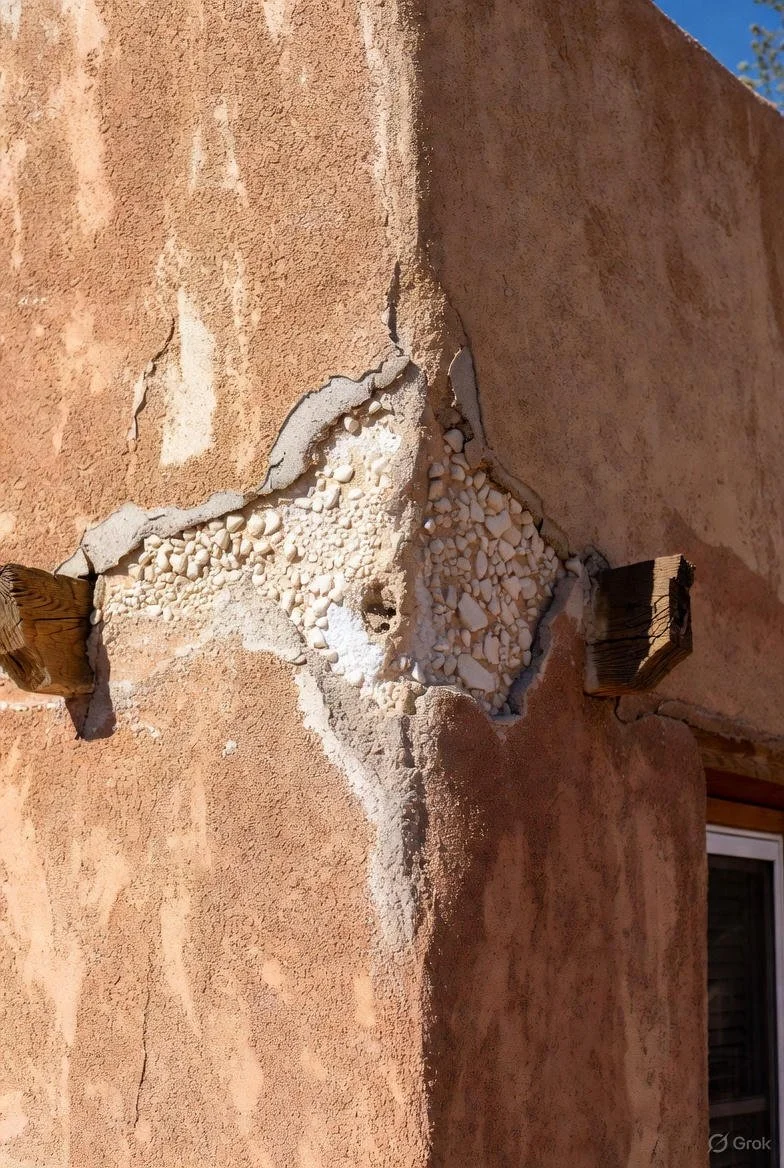
Integral Pigmentation in Stucco: Avoiding Surface Paint for Material Integrity
Stucco functions as a breathable cladding system that manages moisture through vapor diffusion. Surface paint creates an impermeable barrier leading to trapped moisture and structural stress, whereas integral pigmentation incorporates color throughout the mix without altering permeability. Documented in early 20th-century Southwestern architecture, this method supports long-term durability and aligns with stucco's traditional performance characteristics.
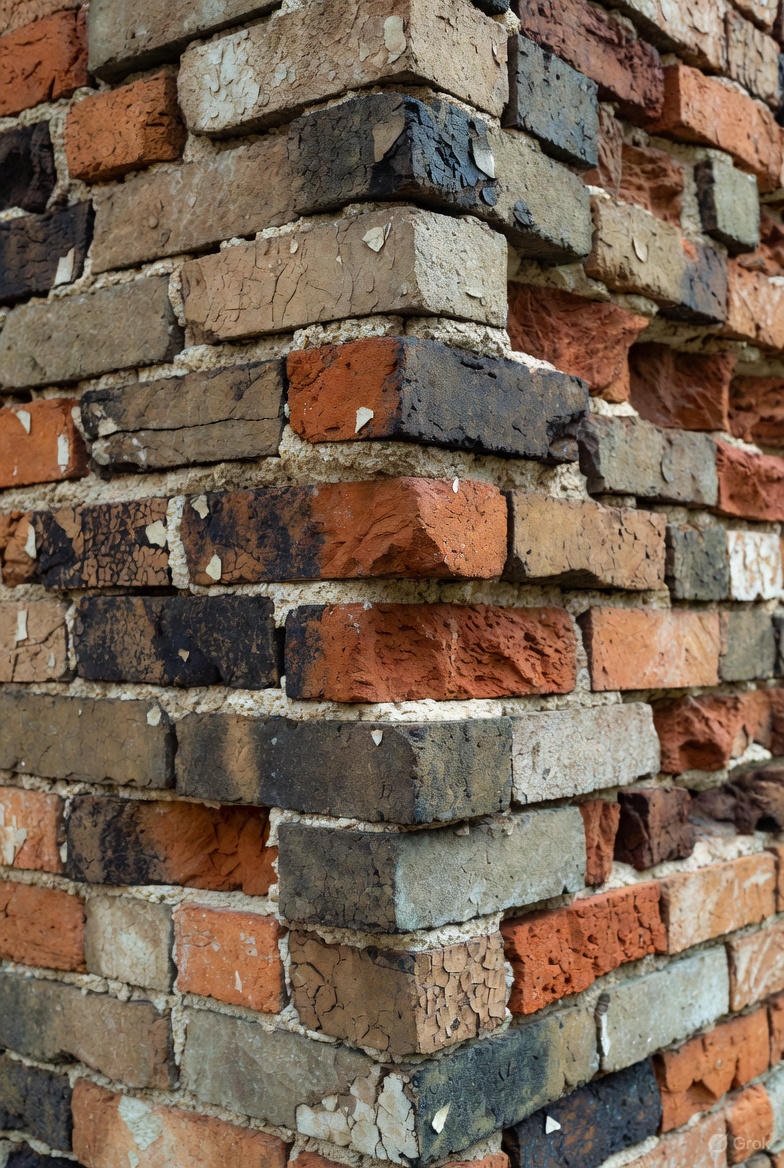
When Brick Traps Moisture: The Silent Killer Lurking in Your Walls
You spot a damp patch on the basement wall or white streaks bleeding down the facade—your brick is crying uncle. Trapped moisture doesn’t just stain; it shatters faces, dissolves mortar, breeds mold, and quietly inflates repair bills into five figures. In 2025, the Brick Industry Association and Angi’s masonry dataset tag moisture damage as the #1 failure mode for brick homes. Below, we map the destruction timeline, slap real price tags on each stage, and—crucially—expose how painting and limewashing can accelerate the nightmare if done wrong. Let’s arm you with facts so your brick breathes, not breaks.

Unlocking the Hidden Perks of German Smear: Insulation for a Cozier, Quieter Home
Hey there, homeowner! As we settle into this crisp October 27, 2025, with energy prices still making waves in the news, what if a single upgrade could wrap your home in timeless charm while dialing down those utility bills and outside noise? Picture transforming your brick exterior into something that not only looks inviting but also works smarter for your comfort. German Smear, that professional masonry technique layering mortar for a textured, European-inspired finish, delivers just that. Here's the smart reason why: It goes beyond aesthetics to offer real insulation benefits, as verified by masonry experts who note how added mortar enhances thermal properties. In this post, we'll explore how this approach creates quieter, more efficient spaces, backed by reliable insights from home improvement sources.

German Smear: The Sustainable Choice for Eco-Conscious Homeowners
What if your next home upgrade could not only make your exterior look stunning but also align with your values for a greener planet? In a world where sustainability is more important than ever—especially with rising energy costs and environmental concerns—German Smear stands out as a smart, eco-friendly option. We've seen how this professional masonry technique transforms homes while minimizing environmental impact, using natural materials that enhance energy efficiency and reduce waste. Picture your brick facade getting a timeless makeover that cuts down on your carbon footprint. In this post, we'll explore why German Smear is the intelligent, planet-friendly alternative to traditional updates like painting, backed by expert insights and verified facts as of October 27, 2025.

Why Painting Your Brick Is a Mistake—and How German Smear Is the Smarter Choice
Tired of your home’s dated brick exterior and thinking about slapping on a fresh coat of paint? Hold that thought—painting your brick could lead to costly issues down the road.

Choosing the Right Finish for Your Brick: Limewash vs. German Smear
Ever stared at your home's brick exterior and thought, "This could use a refresh that boosts curb appeal without sacrificing functionality?" You're not alone—many homeowners are exploring timeless techniques to elevate their spaces. Enter limewash and German Smear, two popular options that give brick that charming, aged European vibe. But what's the real difference, and which one could save you on energy bills while making your home the envy of the neighborhood? As experts at German Smear Specialist, we've helped countless clients navigate these choices, and we're here to break it down for you in a way that's smart, straightforward, and tailored to your needs. By the end, you'll see why understanding these distinctions can lead to a more beautiful, efficient home.
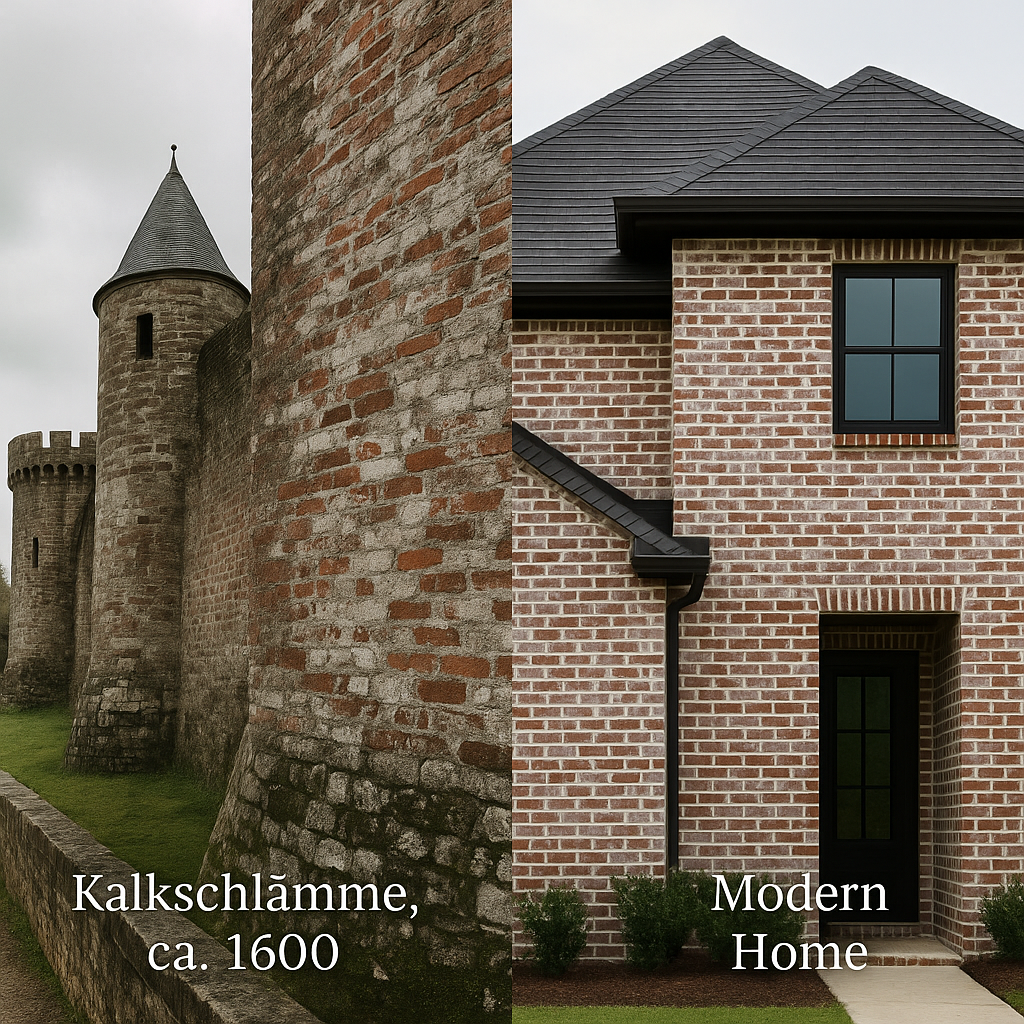
Before It Was Called “German Smear”: The Forgotten History of Europe’s Original Masonry Finish
Before it was called “German Smear,” this centuries-old finish was known by names like Kalkschlämme and Kalküberwurf. Discover the forgotten European origins of the beloved brick-smearing technique that once protected castles and cottages alike.
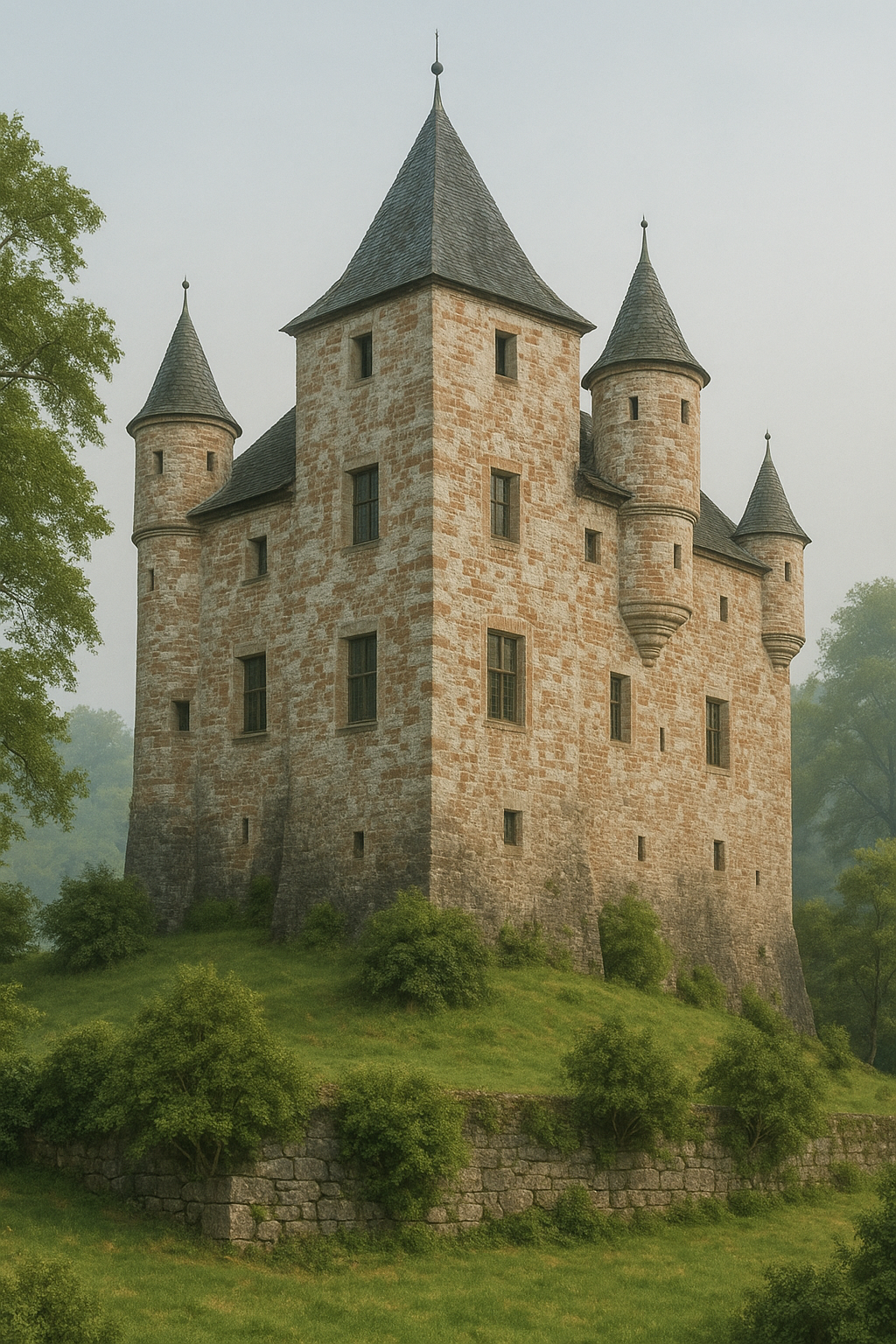
Restoring Royalty: How German Smear Helped Preserve Castles and Homes of the Monarchy
Discover how the German Smear technique—once used to preserve castles and royal estates across Europe—became a timeless method for both protection and beauty, blending craftsmanship with centuries of architectural history.
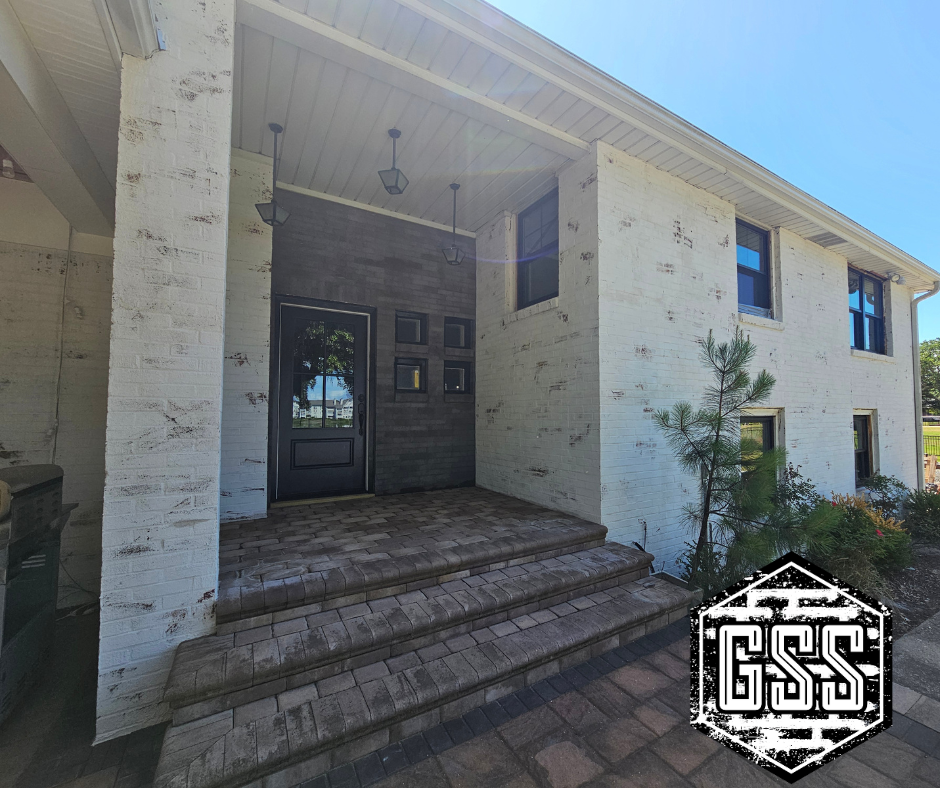
The Historical Origins and Use of German Smear: A Timeless European Technique
German Smear, also known as Schmear, is a centuries-old technique that originated in Germany and has since become a beloved style in both European and contemporary architecture. This method involves applying a thin layer of mortar over brick or stone, creating a rustic, textured, whitewashed appearance. It was originally developed for both practical and aesthetic purposes and continues to captivate homeowners today with its timeless charm.

Tuckpointing vs. Repointing: What’s the Real Difference?
Not sure if your brick home needs tuckpointing or repointing? These two repair techniques may sound similar, but they serve different purposes. Learn how to spot the difference and discover which one your home actually needs — plus a modern alternative that combines both structure and style.