Upkeep Costs in Brick Masonry Homes: Historical Mortar Traditions and Material Comparisons
Regular upkeep in residential architecture ensures structural longevity and material performance, drawing from historical practices where mortar compositions in brickwork were designed for adhesion and breathability to withstand climate stresses. Methods such as German Smear—a lime-based mortar application documented in 18th-century European traditions—distinguish from limewash (a thinner, permeable coating), whitewash (a simple lime mixture), or painted brick (which can impede vapor flow, leading to damage). This educational exploration of upkeep costs and protective strategies across home types underscores why building science principles, like freeze-thaw resistance, matter in maintaining both functionality and historical aesthetics.
Annual Upkeep Costs Across Home Types
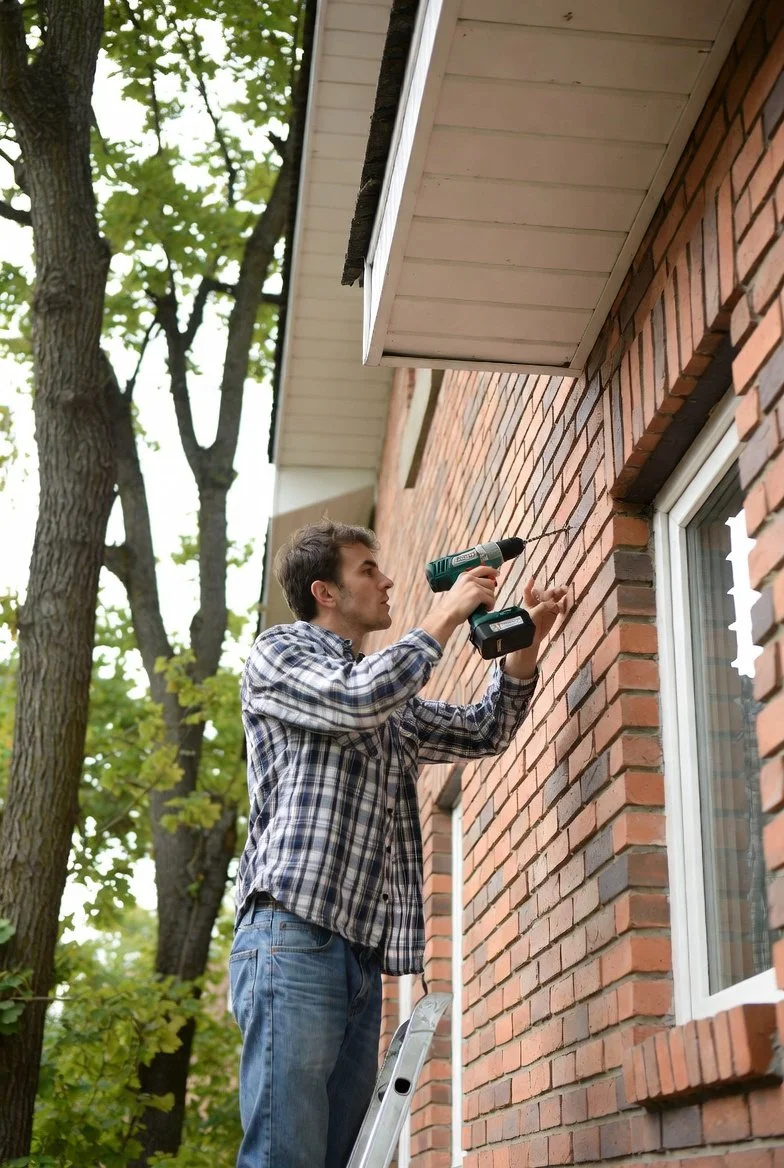
Upkeep costs encompass routine inspections, cleaning, minor repairs, and preventive measures, varying by material properties and climate exposure. In brick masonry, historical mortar washes promote vapor permeability, minimizing moisture-related issues and thus lowering annual expenses compared to materials prone to rot or corrosion. Building science indicates that breathable systems reduce adhesion failures in humid environments, with costs influenced by regional labor and material availability.
Brick/masonry homes: Average annual upkeep $1,000–$2,000, focusing on periodic cleaning and mortar checks; low due to fire resistance and minimal pest vulnerability.
Wood-frame homes: $3,000–$5,000 yearly, higher from pest treatments, painting, and rot repairs in moist climates.
Steel-frame homes: $1,500–$2,500 annually, mainly corrosion prevention and inspections; durable in wind-prone areas but requires protective coatings.
Modular/prefab homes: $1,200–$2,000 per year, reduced by factory-quality controls but varying with material mix like wood or concrete components.
Concrete/ICF homes: $800–$1,500 annually, lowest due to energy efficiency and resistance to weather, with minimal maintenance on insulated forms.
Protective Measures for Homes While Maintaining Aesthetics
Protective strategies integrate building science with architectural design, ensuring materials like brick retain their historical character through breathable treatments that allow vapor escape without compromising visual texture. Historical European methods favored lime-based applications for adhesion and climate adaptation, contrasting with modern seals that may trap moisture. These approaches prevent damage from weather, pests, and wear while preserving the rustic or refined appearance of facades.
Regular inspections and cleaning: Annual checks for cracks or wear, using gentle methods to avoid damaging permeable surfaces; maintains original aesthetics without abrasive alterations.
Breathable coatings and washes: Apply mortar-based treatments like German Smear for brick to enhance vapor permeability and freeze-thaw resistance, protecting against moisture while achieving a weathered, historical look.
Weatherproofing entry points: Install seals on doors and windows that match architectural styles, reducing drafts without visible changes to trim or frames.
Landscaping integration: Plant vegetation at safe distances to prevent root damage, selecting species that complement home design for natural shading and erosion control.
Aesthetic repairs: Use compatible materials for fixes, such as lime mortar in brickwork, to ensure adhesion and breathability while blending seamlessly with existing textures.
Conclusion
Comparative upkeep costs reveal that brick masonry homes, informed by historical mortar-wash traditions, offer lower annual expenses through superior material behavior in breathability and durability when contrasted with other types. Protective measures grounded in building science, such as permeable coatings, further extend longevity without sacrificing architectural aesthetics. These insights emphasize the enduring principles of European masonry in fostering sustainable residential design.
Looking to DIY?
Checkout SmearTech’s Signature White™ Mortar and German Smear Tools.