

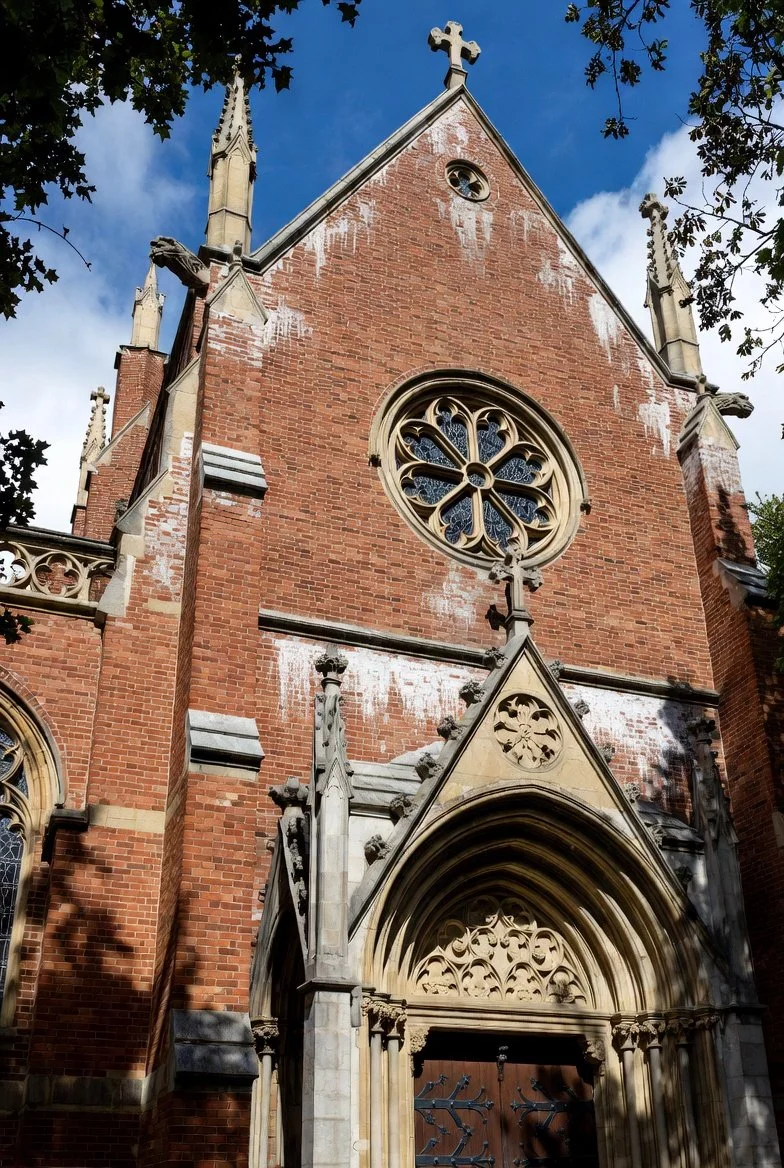
Understanding Efflorescence in Brick Masonry: Causes, Effects, and Mitigation Through German Smear
Efflorescence appears as a white, powdery deposit on brick surfaces, resulting from the migration of soluble salts carried by water. This common issue in masonry structures can affect both aesthetics and longevity if not addressed through proper building practices. Exploring its scientific mechanisms reveals opportunities for prevention, particularly with traditional methods like German Smear that enhance brick durability while preserving historical integrity.
Introduction
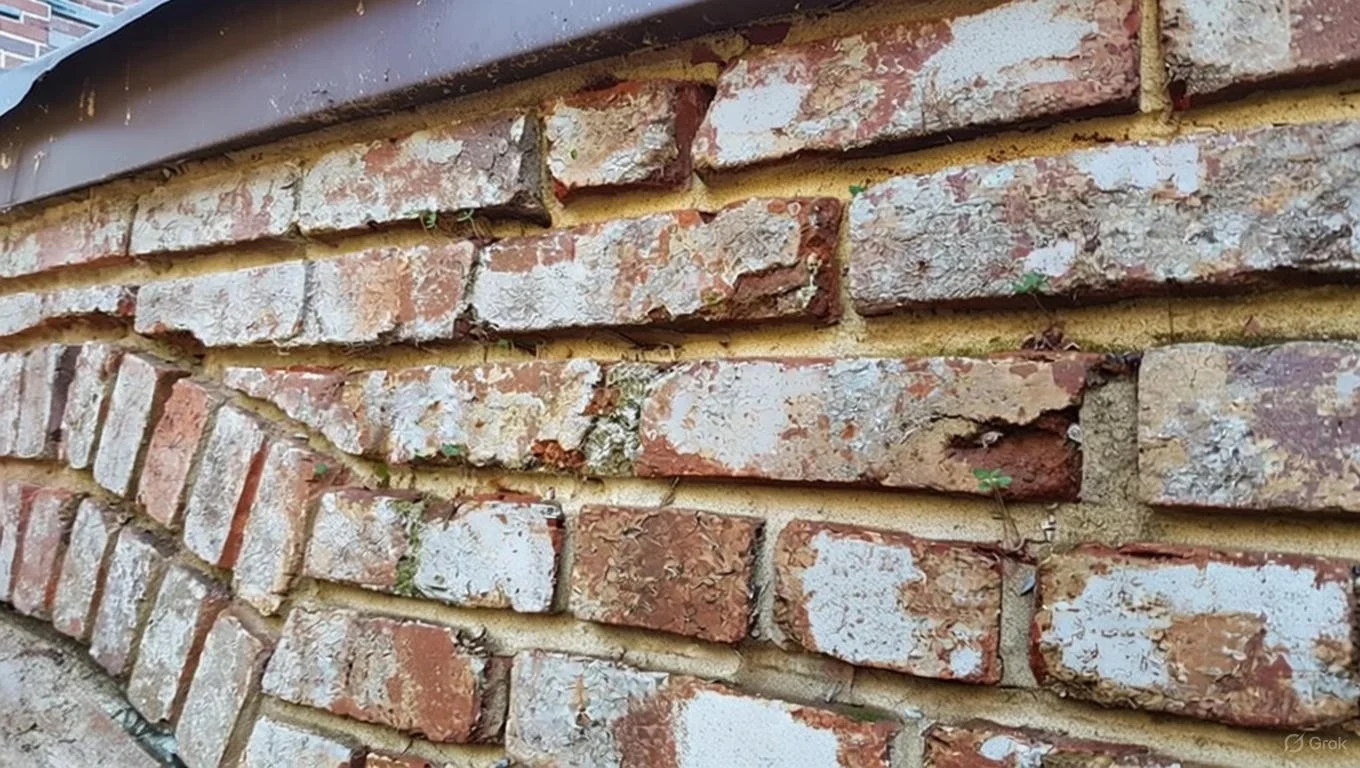
The Role of German Smear in Addressing Mortar Joint Erosion in Brick Houses
Mortar joint erosion in brick houses often results from prolonged exposure to environmental factors, leading to structural vulnerabilities over time. German Smear, a traditional mortar-wash technique, can help mitigate minor erosion by filling gaps and enhancing surface protection. This approach draws from historical European building methods, offering both aesthetic and functional benefits when applied correctly.
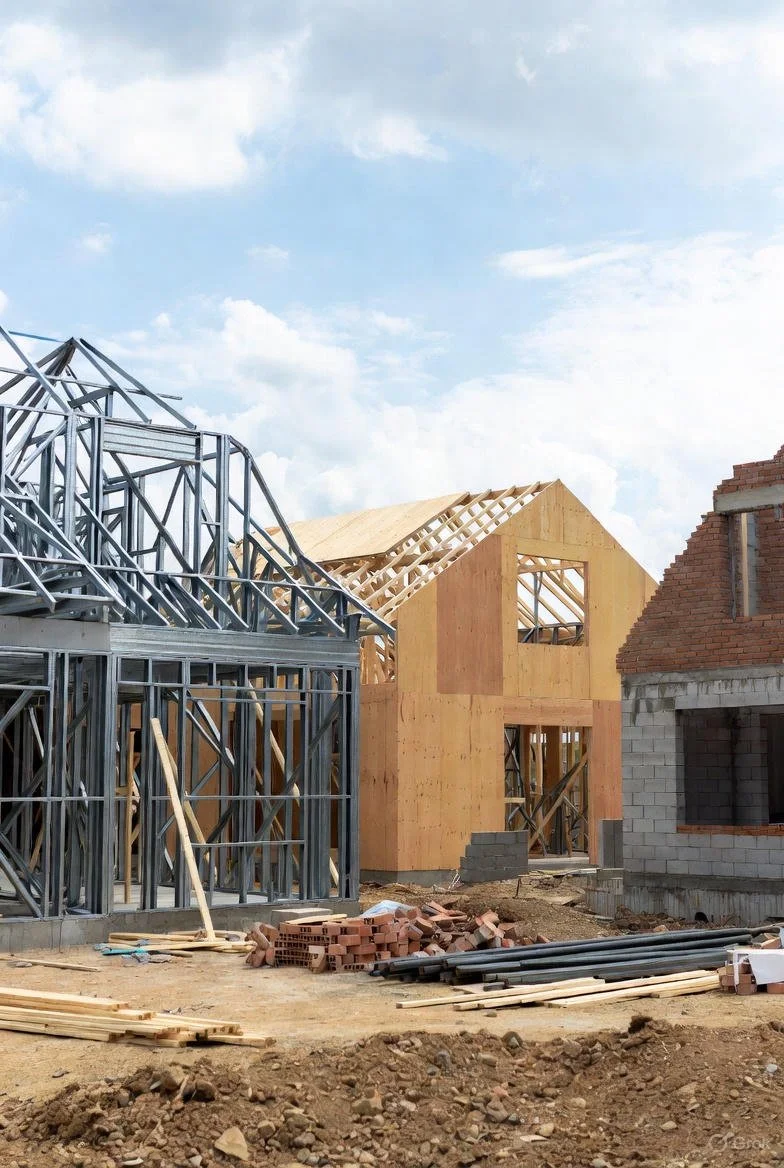
Durability of Brick Homes in High-Wind Storms Compared to Other Construction Types
Brick homes, particularly those with solid masonry construction, demonstrate greater resistance to high-wind storms than wood-frame structures due to superior compressive strength and impact resistance from wind-borne debris. Structural performance in storms depends heavily on connections, roof design, and reinforcement rather than exterior material alone. Wind speeds causing significant structural damage typically exceed 100 mph in gusts for many residential buildings, with thresholds varying by construction type and code compliance.

The Durability of Brick Homes Against Wildfires
Brick homes have long been recognized for their resilience in fire-prone environments due to the noncombustible nature of clay-based materials. Historically rooted in European building traditions, brick construction offers superior protection against high-temperature wildfires compared to wood-framed structures. This post explores wildfire impacts on various home types, focusing on brick's advantages in survivability, repair considerations, and potential enhancements.
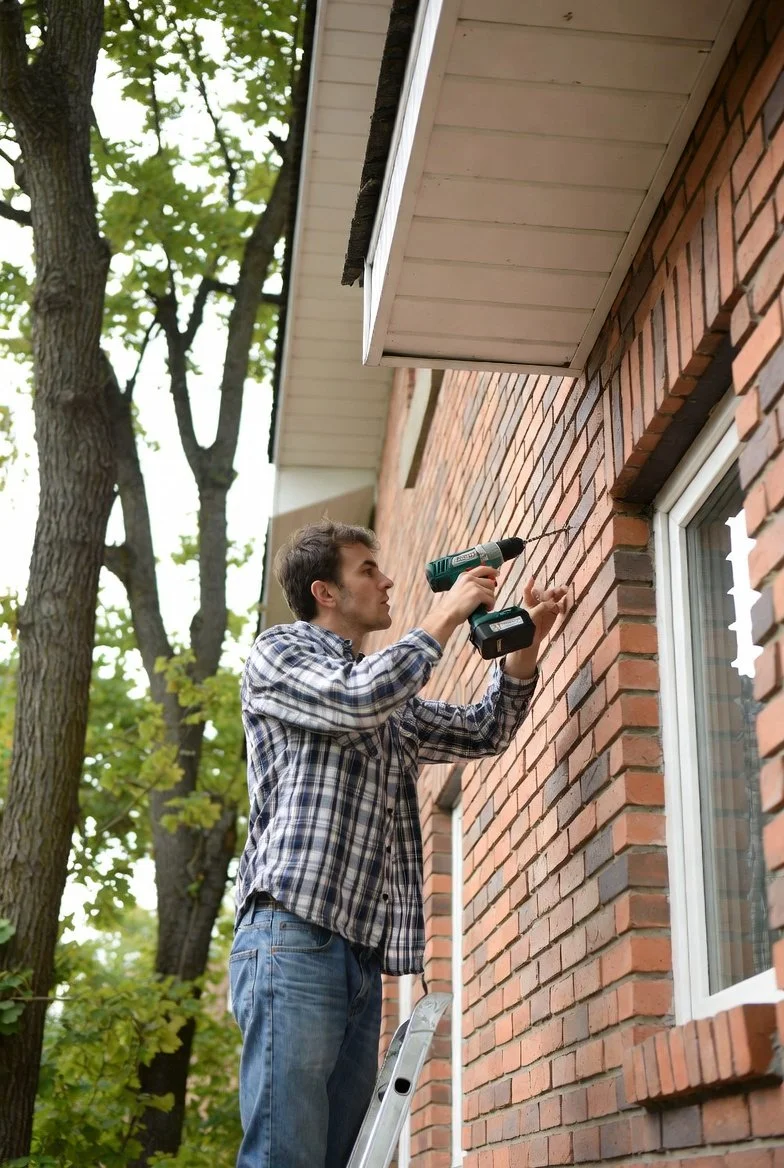
Upkeep Costs in Brick Masonry Homes: Historical Mortar Traditions and Material Comparisons
Brick masonry homes, enhanced by historical mortar-wash methods like German Smear for improved vapor permeability, typically incur lower annual upkeep costs due to their durability against environmental factors compared to more maintenance-intensive alternatives like wood-frame structures. These traditions, rooted in European architectural practices, emphasize breathable finishes that reduce long-term repair needs while preserving aesthetic integrity. Understanding comparative upkeep across home types, alongside protective measures that maintain visual appeal, highlights the architectural value of informed material choices in building conservation.
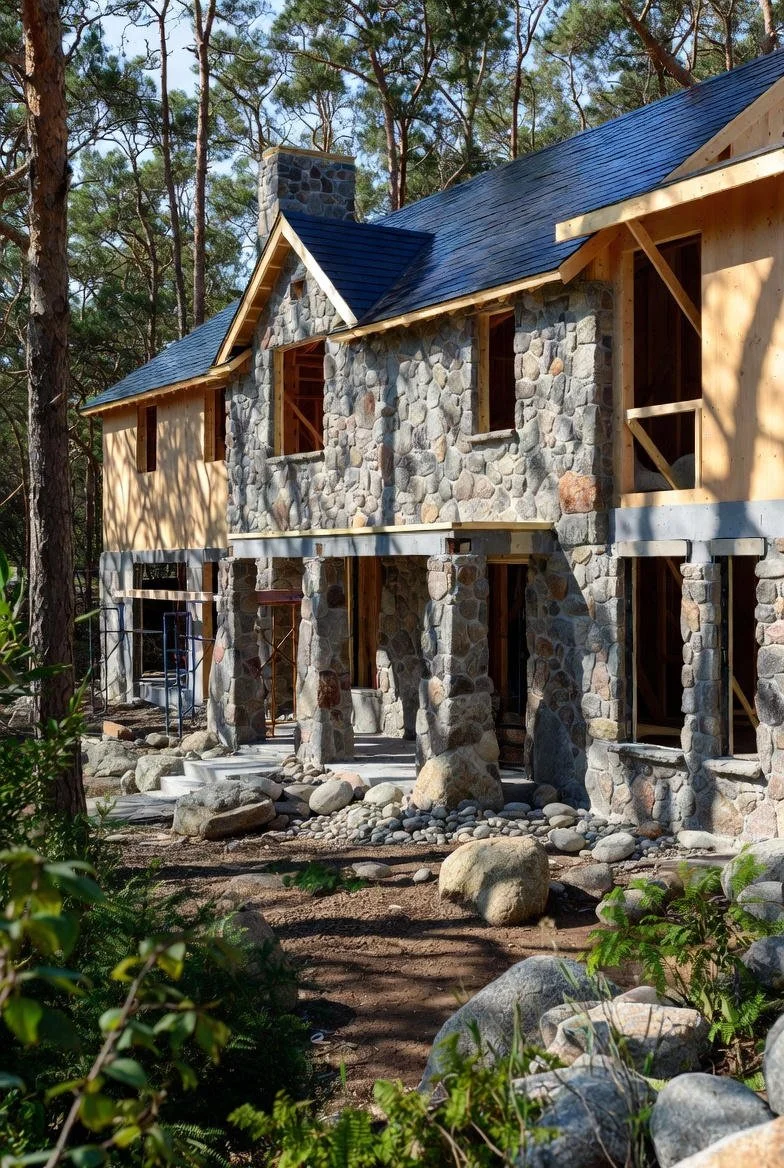
The Evolution from Natural Stone to Manufactured Stone in Residential Construction
Natural stone has served as a primary building material since ancient civilizations, valued for its durability and aesthetic appeal in structures like pyramids and temples. Over time, advancements led to thin natural stone veneers and, in the mid-20th century, manufactured stone alternatives made from concrete mixes. This shift reflects changes in construction needs, with manufactured stone offering lighter weight and consistency while natural stone provides unique variation and proven longevity.
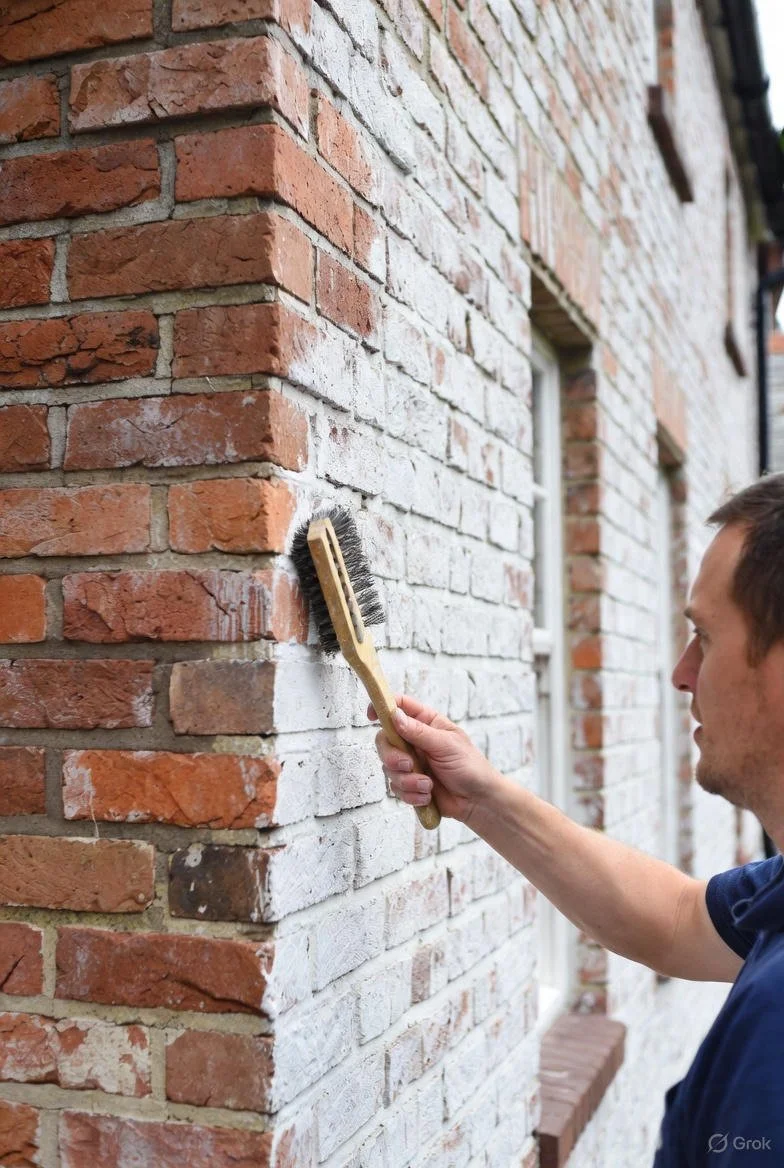
Removing Coatings from Brick Masonry: Paint, German Smear, and Limewash
Removing paint, German Smear (mortar wash), and limewash from brick requires careful methods to preserve the underlying masonry. These coatings differ in composition and adhesion, influencing removal difficulty and risks. Gentle approaches prioritize vapor permeability and avoid damage to porous brick, which can lead to moisture entrapment or surface erosion.
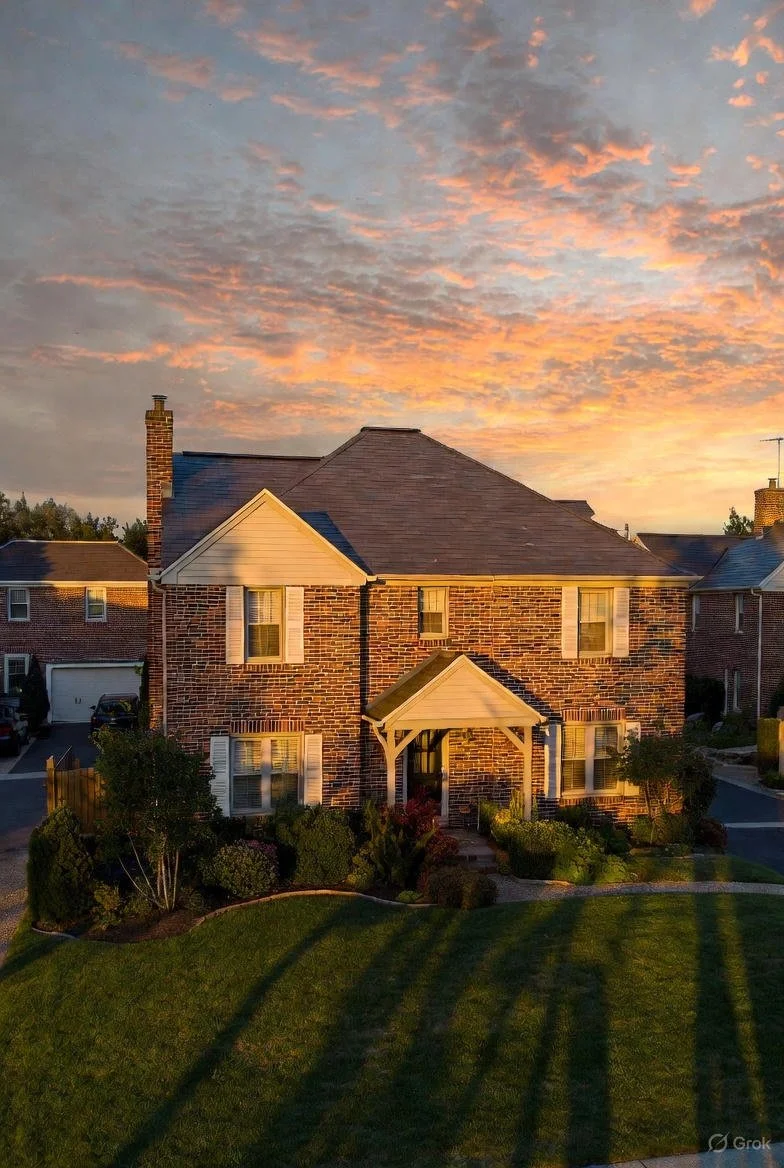
Comparing Maintenance Requirements of Common Exterior Building Materials
Exterior building materials vary significantly in durability and upkeep needs, with options like brick and concrete masonry units (CMU) offering the longest lifespans and lowest maintenance. Vinyl and metal sidings provide ease of care through simple cleaning, while wood demands frequent intervention to prevent deterioration. Understanding these differences helps in assessing long-term performance across diverse climates and architectural applications.
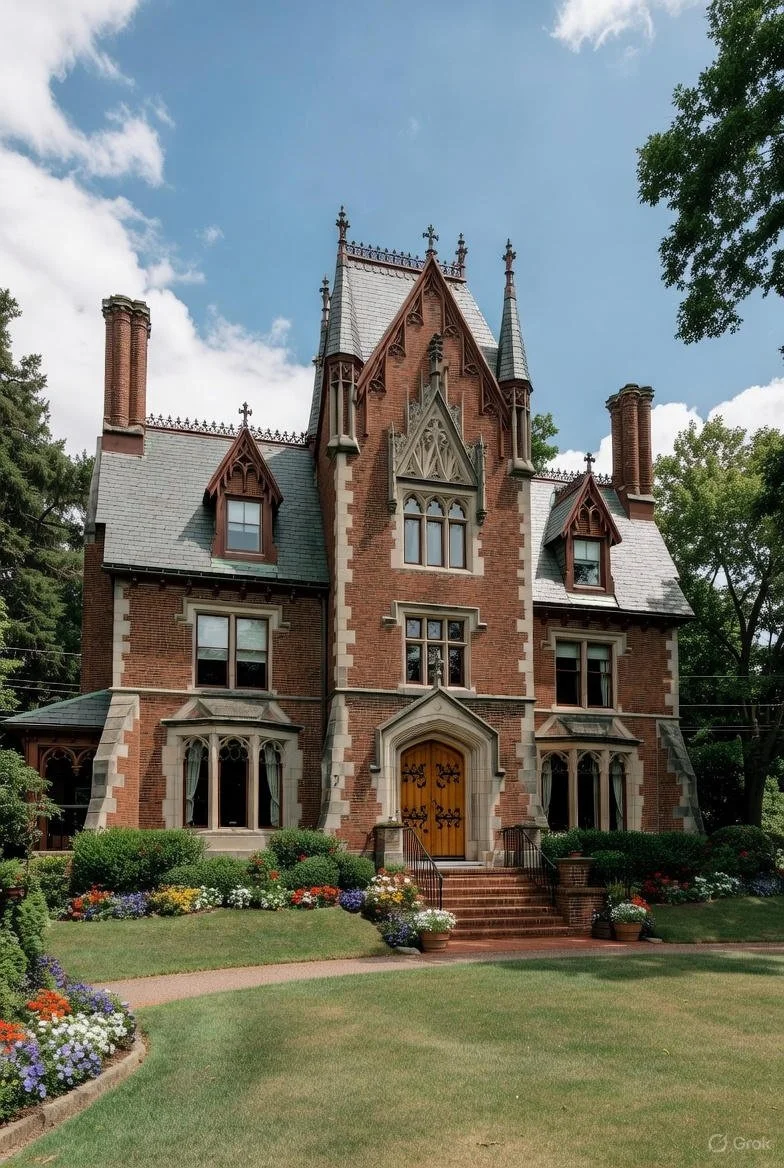
The Pros and Cons of Owning a Brick Home
Brick homes have long been valued for their durability and timeless appeal, rooted in historical building practices that emphasize longevity and resilience. However, owning such a structure involves weighing benefits like energy efficiency against challenges such as moisture management and structural limitations. This overview explores these aspects in detail, including maintenance considerations and historical brick treatments like German Smear, to provide a comprehensive understanding for homeowners interested in architectural conservation.
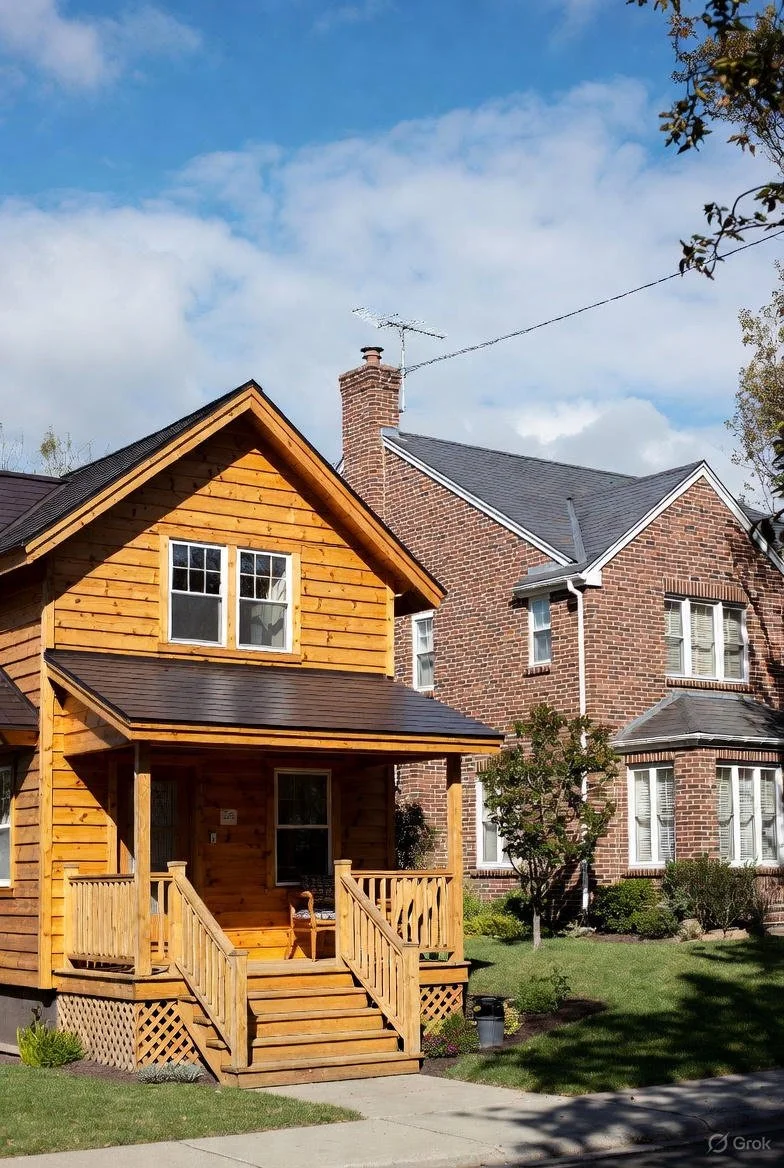
Prevalence of Brick Homes in the Southern United States
Brick homes are a common architectural feature in the southern United States, reflecting historical building practices, material availability, and environmental adaptations. This prevalence stems from practical considerations rather than aesthetic trends alone, offering insights into regional construction traditions.
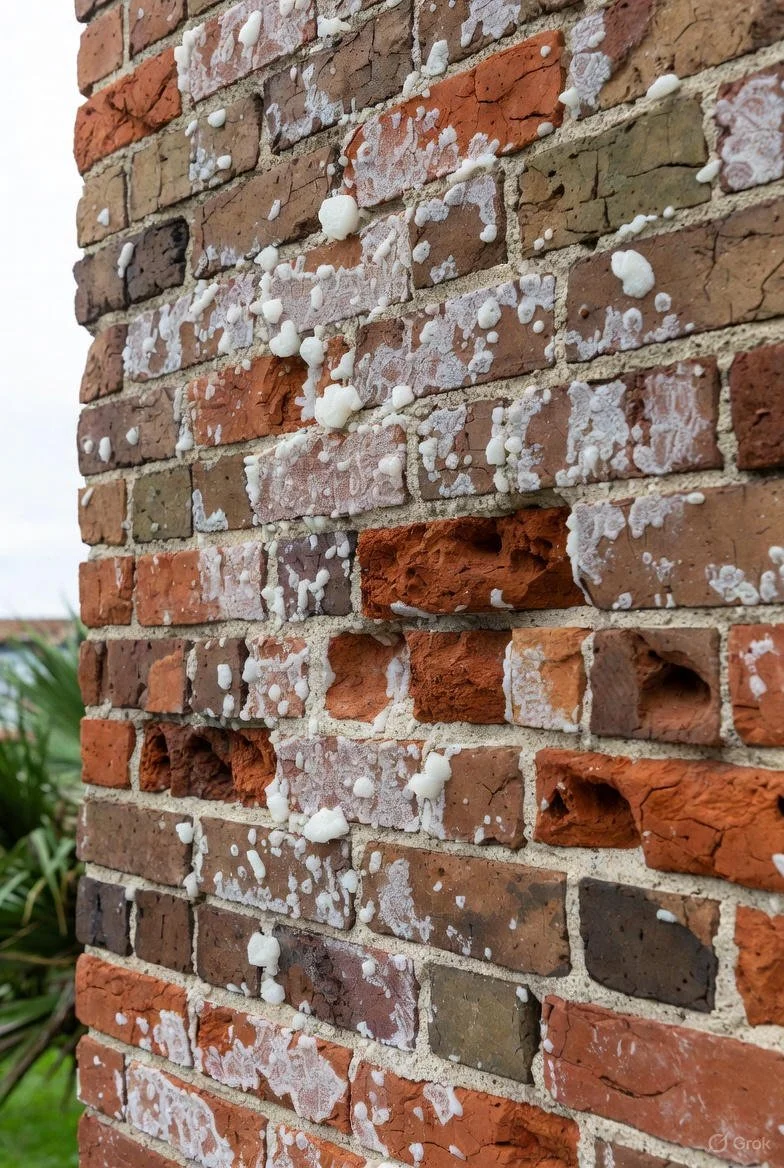
Why Does My Brick Have White Spots on It?
White spots on brick surfaces often indicate efflorescence, a common phenomenon in masonry where soluble salts crystallize on the exterior. This deposit forms through moisture migration and can signal underlying water issues that affect both the brick's integrity and any applied finishes. Understanding efflorescence is essential for preserving historical and modern brick structures, as it ties into fundamental building science principles like vapor permeability and material durability.
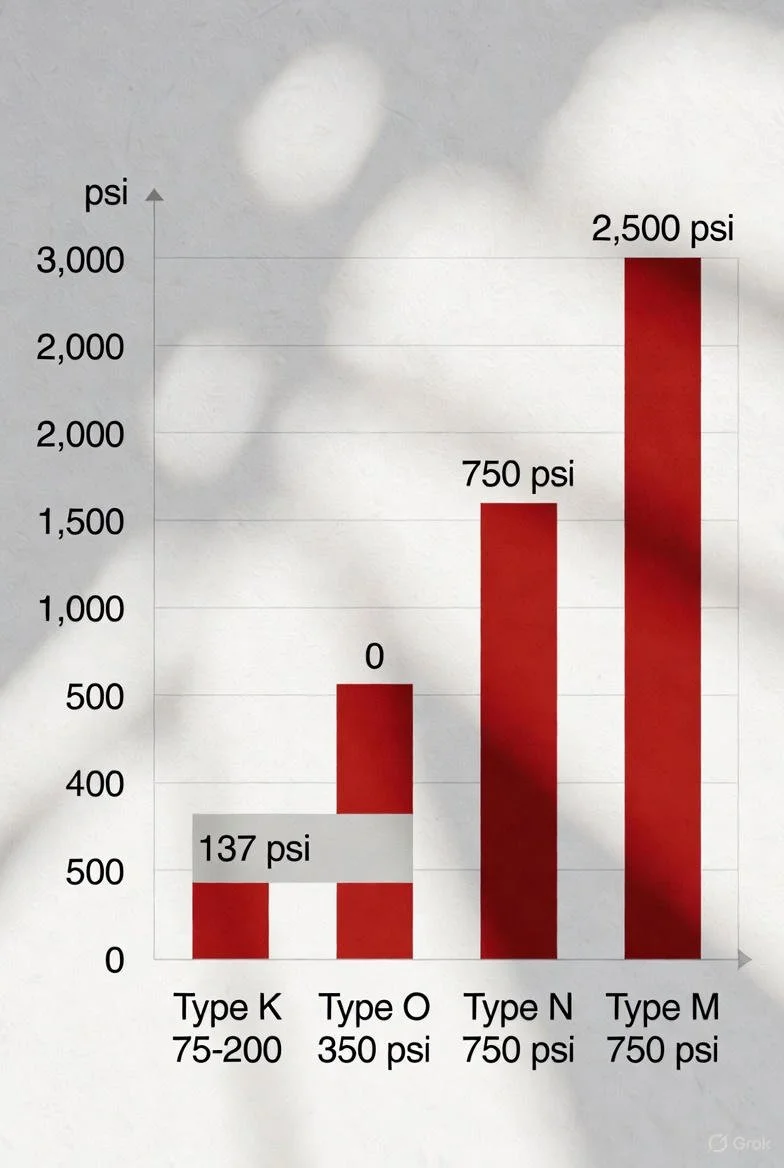
Mortar Strength Categories in Historical and Contemporary Masonry
Mortar strength profoundly influences how masonry walls manage movement, moisture, and long-term durability. Traditional European construction used extremely weak lime mortars, whereas modern practice favors much stronger Portland cement mixes. Selecting the correct strength is fundamental to successful restoration and compatible new construction.
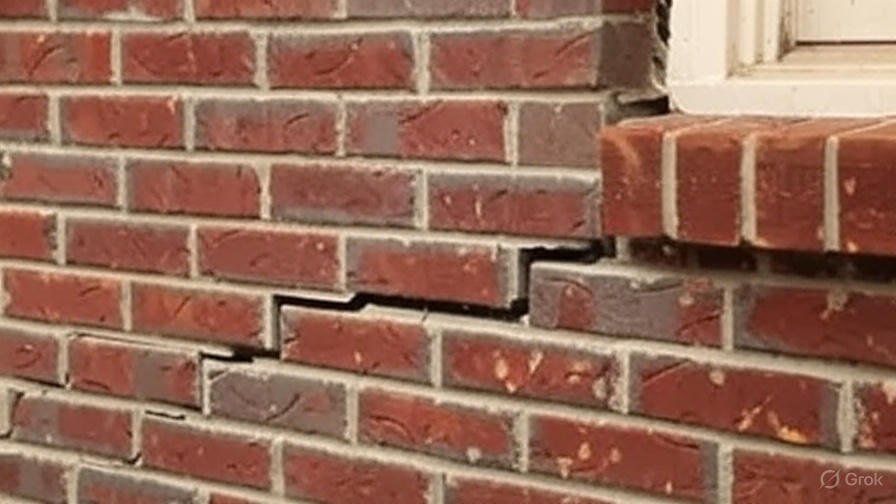
Winter Threats to Brick Homes: A Building-Science Perspective on Cold-Weather Damage
Brick masonry that appears perfectly sound in autumn can show dramatic deterioration by spring. The primary culprit is water that enters the wall, freezes, and expands with enough force to fracture brick faces, disintegrate mortar joints, and trigger structural cracking. These failures follow well-understood physical principles and affect both historic solid walls and modern cavity construction.
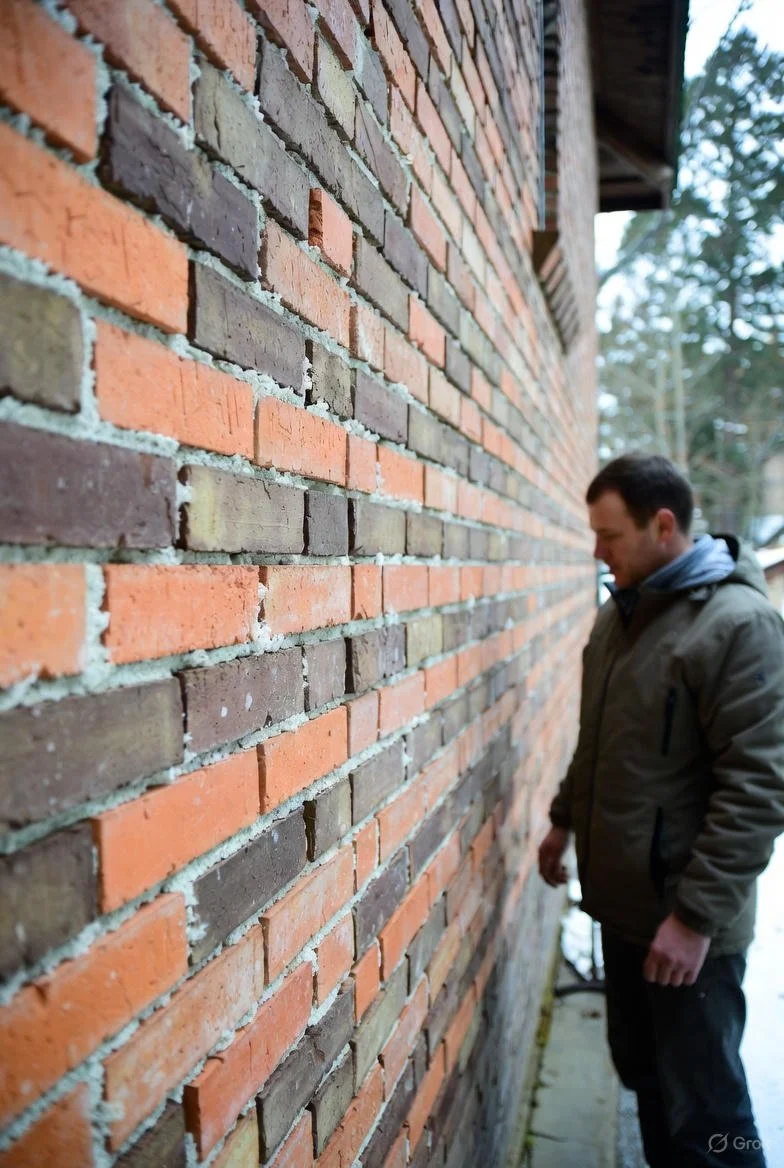
Preparing a Brick Home for Spring: Historical Practices and Modern Building-Science Considerations
As winter recedes, brick masonry requires targeted maintenance to reverse seasonal stress and prepare for warmer, wetter conditions. Traditional European methods—many still relevant today—focused on breathability, moisture management, and gentle cleaning to preserve both the mortar and the brick units. Proper spring preparation extends service life and prevents common damage from freeze-thaw cycles and biological growth.
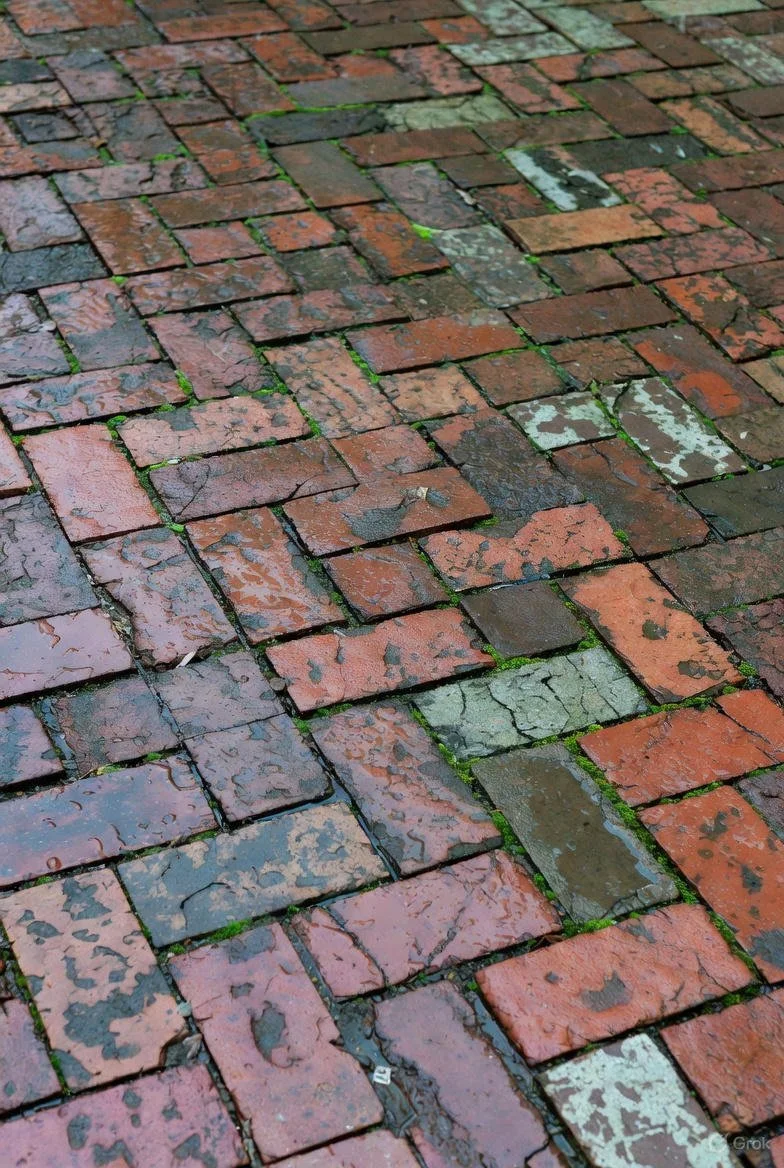
Maintaining Brick Pavers: Long-Term Durability Through Proven Historical and Building-Science Practices
Brick pavers have been used for streets, courtyards, and walkways since Roman times because clay brick is inherently durable, frost-resistant, and repairable. Proper maintenance extends that natural longevity, prevents joint failure, controls weed growth, and preserves the breathable character of the masonry. This post focuses on evidence-based techniques that respect both traditional European paving methods and modern materials science.
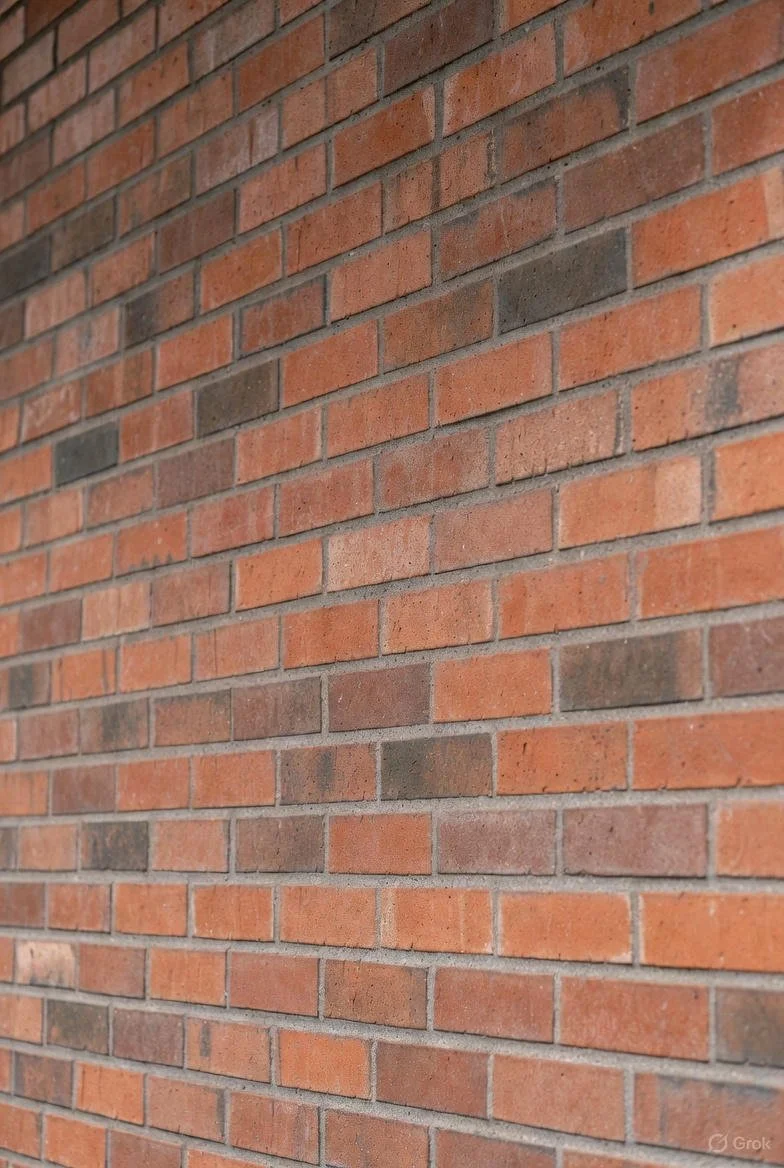
Maintaining Brick Houses: Historical Practices and Modern Building-Science Principles
Brick has been a dominant building material in Europe and North America for centuries due to its durability, fire resistance, and thermal mass. Proper maintenance extends the life of brick masonry from hundreds to thousands of years while preserving vapor permeability and preventing moisture-related damage. This post examines historically proven maintenance methods, explains the science behind common brick failures, and outlines practical, non-invasive care routines based on conservation standards.
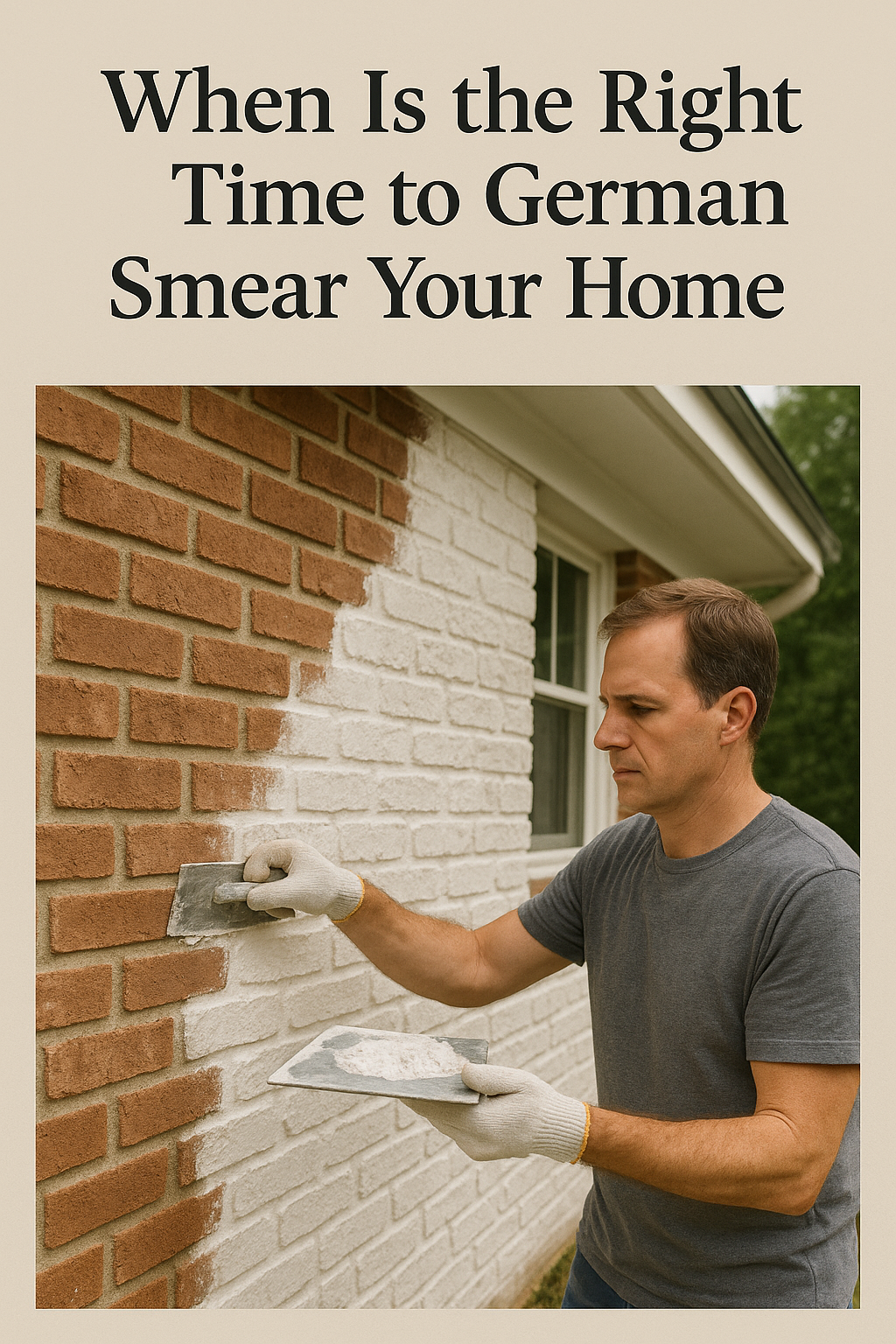
When Is the Right Time to German Smear Your Home?
Choosing the perfect moment to apply German Smear to your home is key to a stunning, lasting result. Aim for spring or fall when temperatures hover between 50°F and 80°F, humidity is low, and rain is scarce—early fall, like September, often fits the bill. Ensure your brick is in top shape, free of cracks or old paint, and plan during a quieter season to secure skilled masons. Contrary to DIY myths, this isn’t a cheap fix, and larger projects demand professional expertise for a flawless finish.

Tuckpointing vs. Repointing: What’s the Real Difference?
Not sure if your brick home needs tuckpointing or repointing? These two repair techniques may sound similar, but they serve different purposes. Learn how to spot the difference and discover which one your home actually needs — plus a modern alternative that combines both structure and style.