


The Production and Properties of White Mortar
White mortar, prized for its light color in decorative architectural applications, is produced using specialized materials and processes to minimize impurities that cause discoloration. This mortar plays a key role in techniques like German Smear, where its composition influences both aesthetics and material performance. Understanding its makeup and effects on properties such as permeability helps in appreciating its historical and practical uses in brick treatments.

German Smear and Protection Against Freeze-Thaw Cycles
German smear, a traditional mortar wash technique, utilizes lime-based materials that enhance the durability of brick structures in regions prone to temperature fluctuations. This method protects against freeze-thaw damage by promoting moisture evaporation through high vapor permeability, preventing water accumulation within the masonry. On a molecular level, the structure of slaked lime in the mortar forms a porous network that allows water vapor to diffuse outward even as the material solidifies.
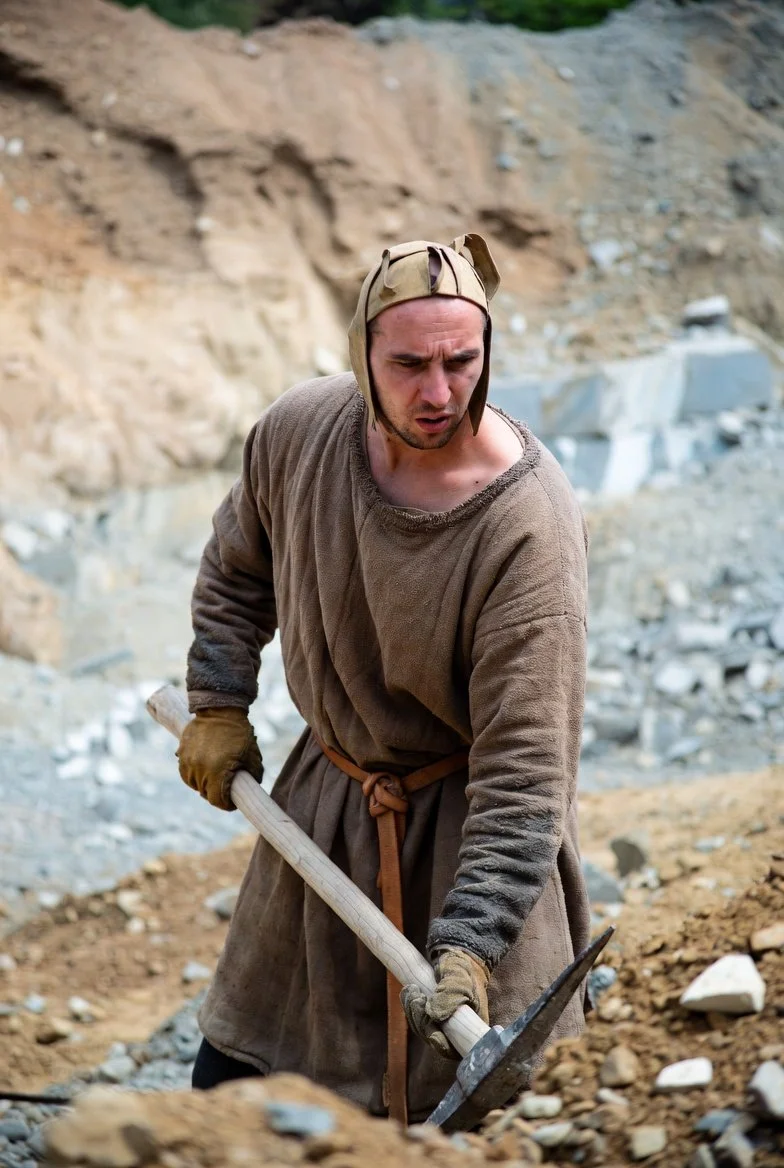
The Craftsmen Behind German Smear: Origins and Material Practices
German Smear, a traditional masonry technique involving the application of mortar to brick or stone surfaces, emerged from centuries-old European building practices, particularly in Germany. Craftsmen discovered the benefits of lime in enhancing breathability and providing protection against environmental damage through practical application in construction. This method, rooted in medieval traditions, involved sourcing and processing local materials like lime and sand to create durable, textured finishes.
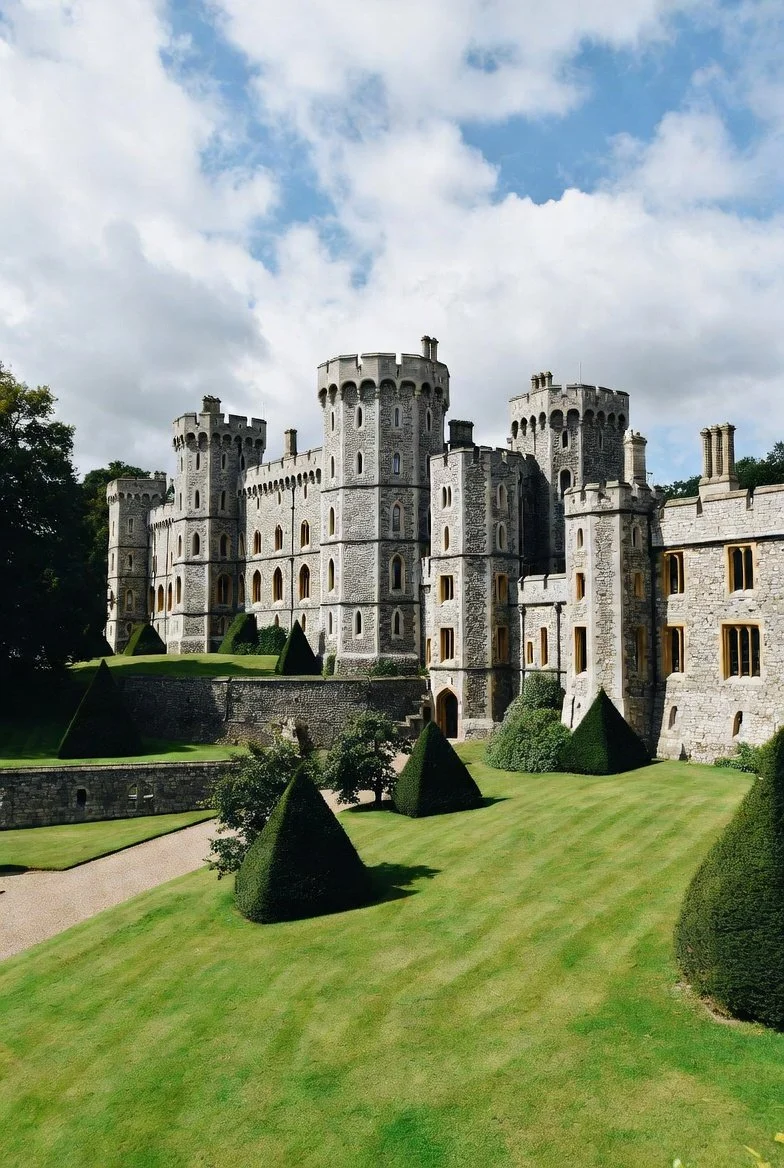
Medieval Castle Expansions: Blending Additions Through Mortar Wash Techniques
Medieval kings frequently expanded their castles to accommodate growing needs for defense, residence, and prestige, often integrating new sections with existing structures. Techniques like mortar washes, akin to what is now called German Smear, were employed in some European regions to unify the appearance of brick or stone facades. This method helped maintain architectural coherence while addressing practical concerns such as weather resistance.
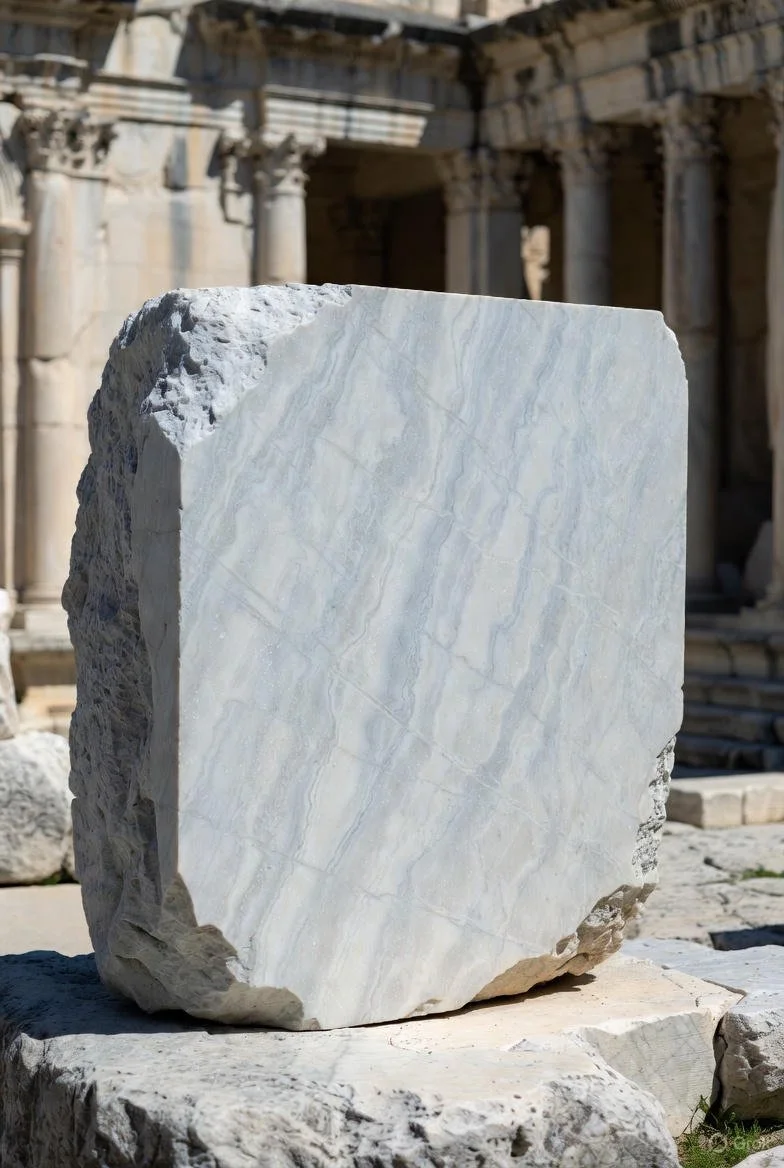
Mineral Aggregates in Traditional Lime-Based Mortars: Granite, Marble, and Quartz
Traditional lime-based mortars commonly incorporate mineral aggregates derived from natural stones to enhance workability, durability, and aesthetic qualities. Quartz sand has been a primary aggregate in European building traditions for centuries, providing structural integrity and vapor permeability. Crushed marble dust appears in historical plasters and finishing mortars, particularly in Roman and later periods, for achieving smooth, white surfaces. Granite dust, while documented in some modern and regional contexts, lacks widespread evidence in historic European lime mortars.
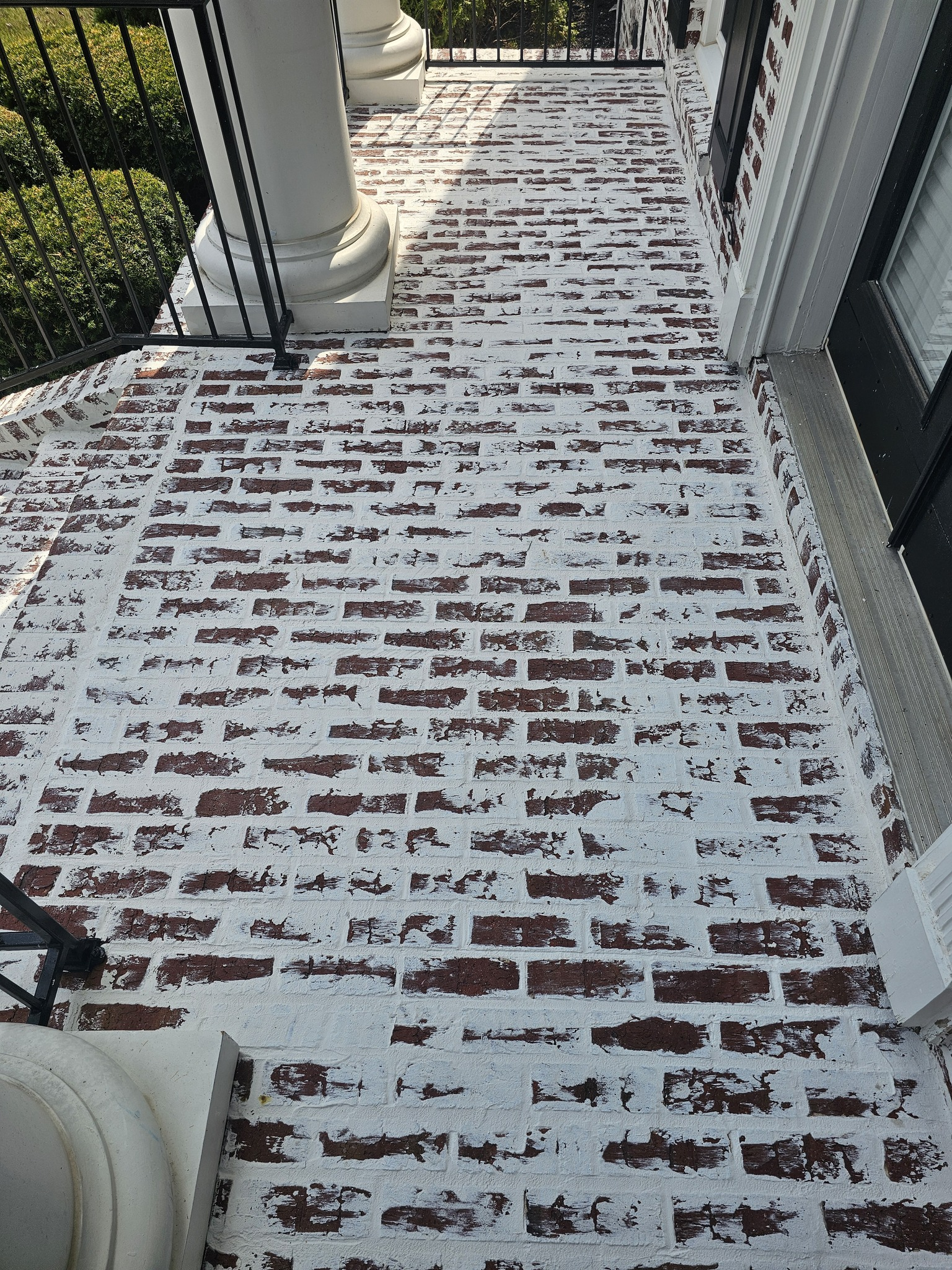
Transforming the Appearance of Brick Pavers: Aesthetic Enhancement Techniques That Preserve Durability
Beyond routine cleaning, brick pavers can be dramatically refreshed or completely re-imagined through historically proven surface treatments such as mortar wash, lime slurry coatings, and selective staining methods. When correctly formulated and applied, these techniques alter color and texture while maintaining the clay unit’s essential vapor permeability and freeze-thaw resistance. The result is a new aesthetic identity—from bright whitewashed Mediterranean courtyards to softly aged European village streets—without sacrificing the paver’s proven longevity.

Is German Smear HOA-Friendly?
Discover the charm of German smear, a masonry technique that transforms brick exteriors with a textured, aged look reminiscent of historic European homes. This blog explores whether German smear aligns with homeowners association (HOA) guidelines, offering a breathable, reversible alternative to painting that preserves brick integrity. From real-world examples of HOA approvals to practical tips for navigating the process, we’ll dive into why this subtle enhancement often fits seamlessly into regulated neighborhoods. Debunking myths about cost and DIY feasibility, we’ll show how German smear can elevate your home’s curb appeal while respecting community standards. Ready to learn more about this timeless update? Dive into the full blog to find out!

German Smear and What It’s Often Confused With: Differences and Similarities Explained
Confused about German Smear, whitewashing, and limewashing? Here’s how these popular brick finishing techniques differ—and what makes each one unique!