

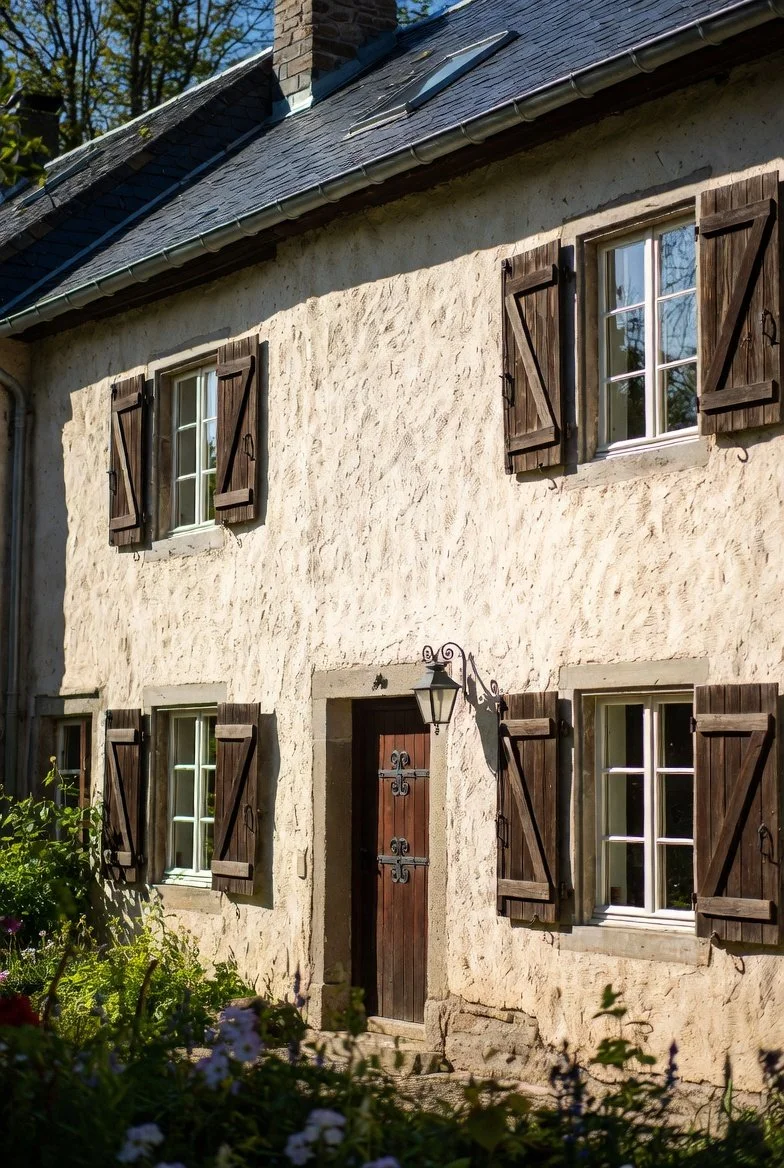
German Smear: A Centuries-Old Technique Rediscovered in Contemporary Building Practices
German Smear, a mortar-based finishing method, traces its origins to European masonry traditions dating back centuries, where it served both aesthetic and functional roles in protecting brick and stone structures. Today, this technique is being rediscovered for its ability to infuse modern homes with an authentic old-world European aesthetic while maintaining the breathability essential to masonry durability. By applying a thin layer of mortar and partially removing it, German Smear creates irregular textures that blend seamlessly with historical architectural elements.

The Craftsmen Behind German Smear: Origins and Material Practices
German Smear, a traditional masonry technique involving the application of mortar to brick or stone surfaces, emerged from centuries-old European building practices, particularly in Germany. Craftsmen discovered the benefits of lime in enhancing breathability and providing protection against environmental damage through practical application in construction. This method, rooted in medieval traditions, involved sourcing and processing local materials like lime and sand to create durable, textured finishes.
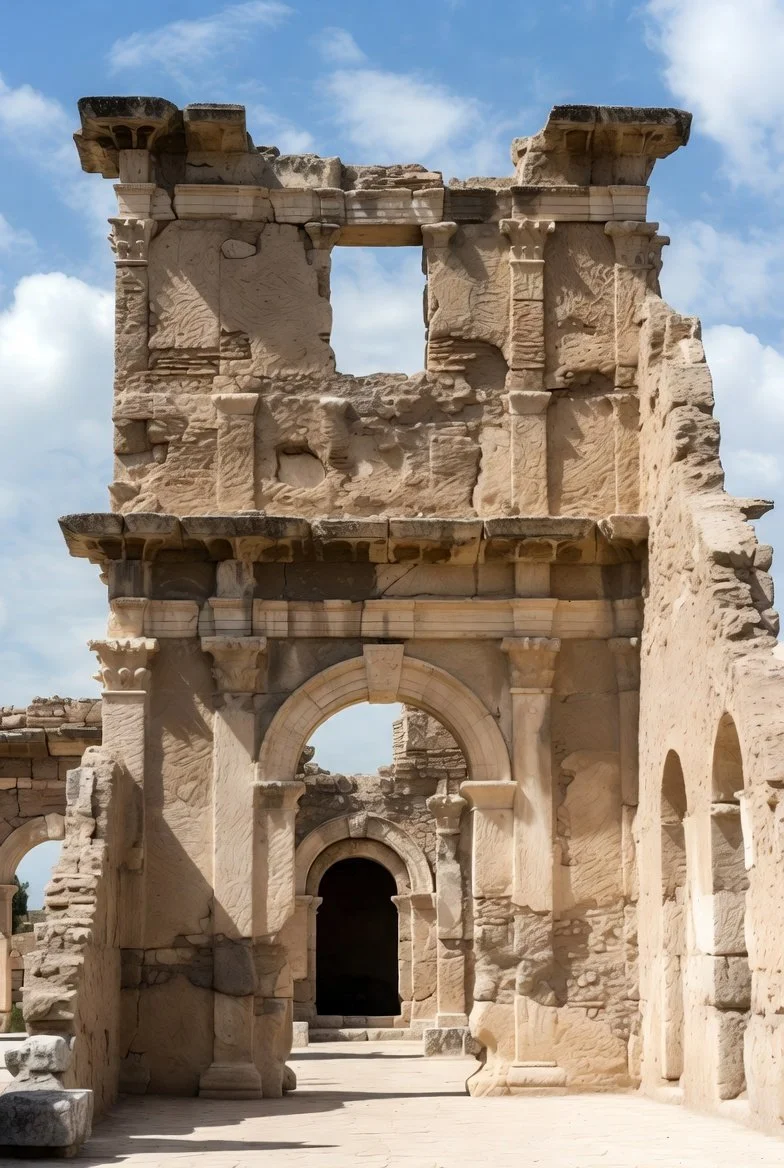
The Evolution of Stucco Through History
Stucco, a versatile plaster material, has evolved from ancient lime-based mixtures to modern cement-enhanced formulations, reflecting advancements in building science and architectural needs. Documented as early as 1400 BCE in ancient Greece, its development involved key innovations by various cultures, particularly the Romans, who improved its durability. Over time, stucco's adoption transformed construction practices by enabling decorative, weather-resistant exteriors while influencing related finishes like German Smear.
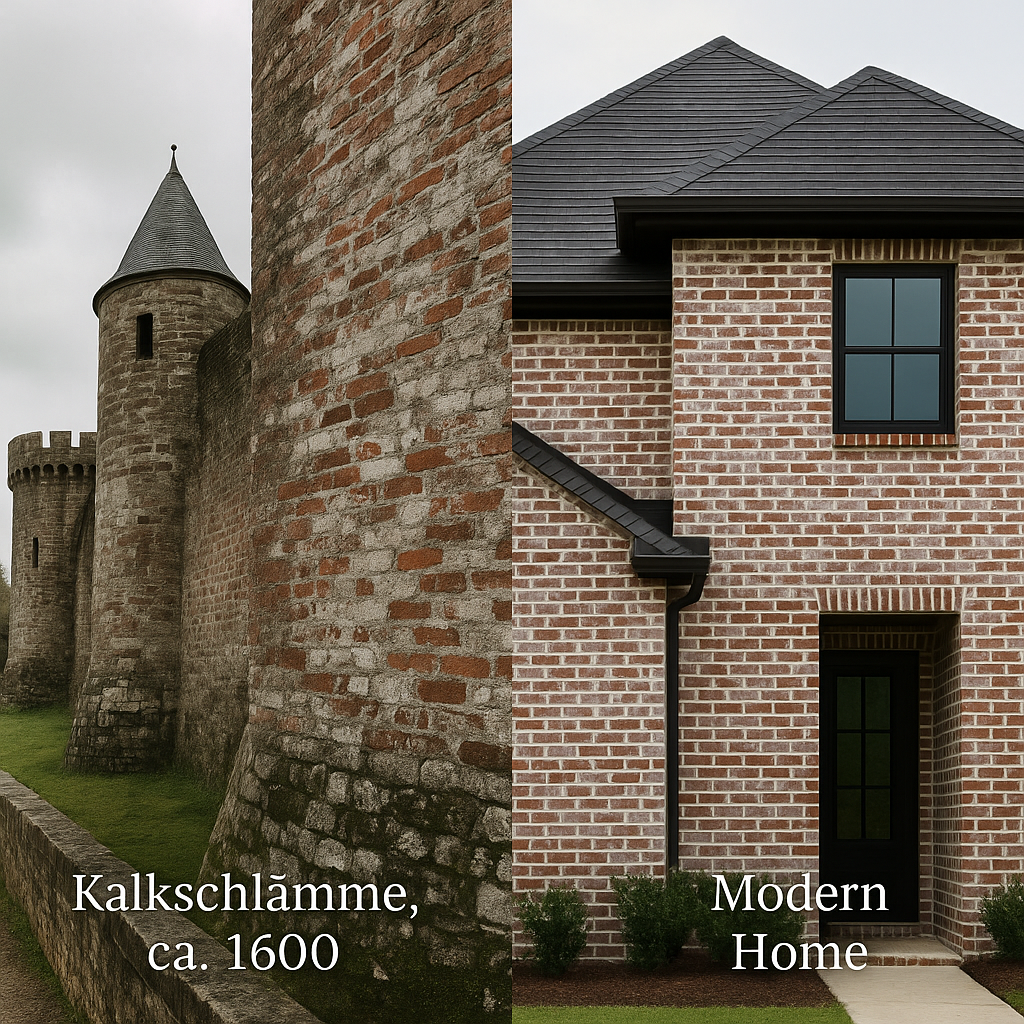
Before It Was Called “German Smear”: The Forgotten History of Europe’s Original Masonry Finish
Before it was called “German Smear,” this centuries-old finish was known by names like Kalkschlämme and Kalküberwurf. Discover the forgotten European origins of the beloved brick-smearing technique that once protected castles and cottages alike.
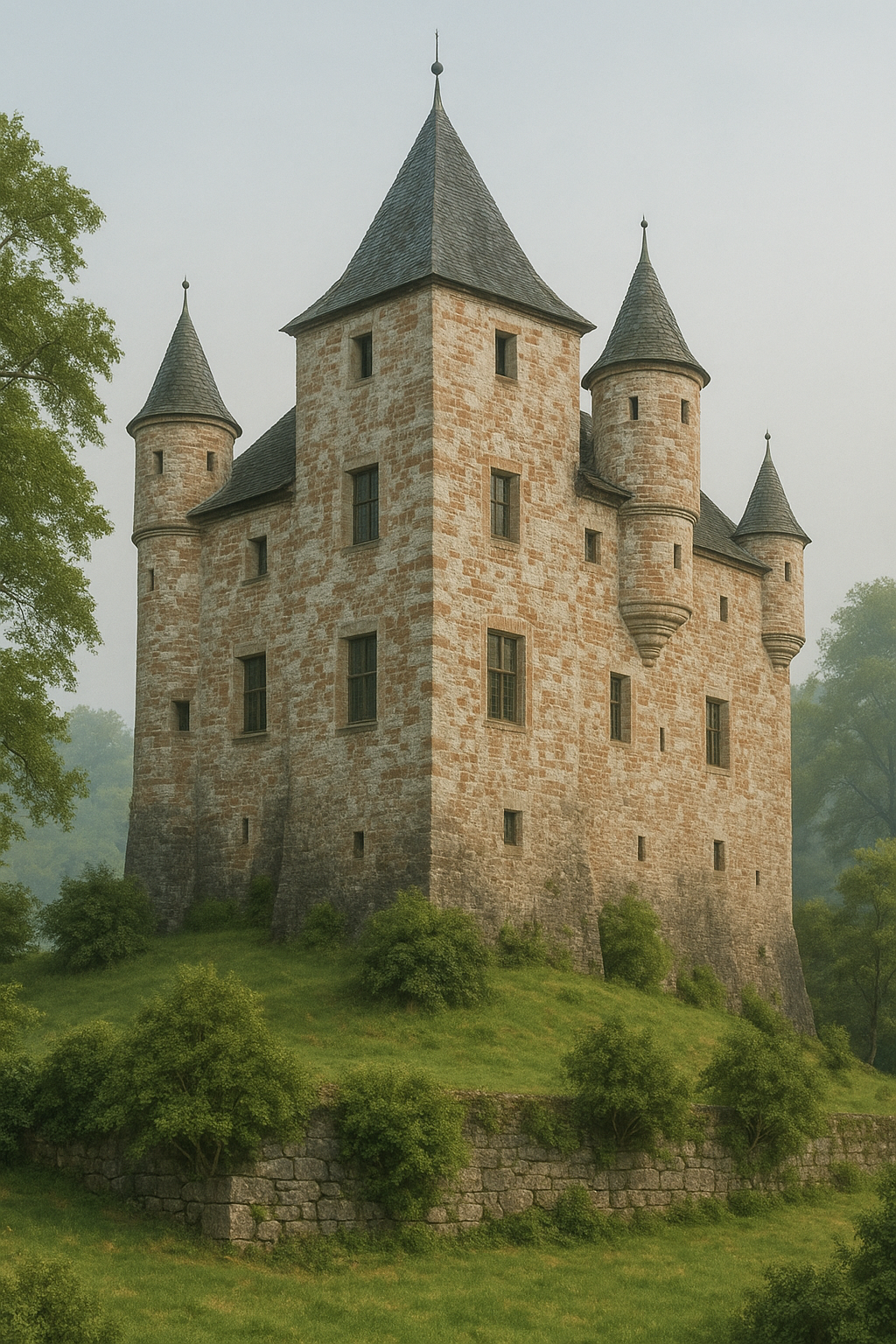
Restoring Royalty: How German Smear Helped Preserve Castles and Homes of the Monarchy
Discover how the German Smear technique—once used to preserve castles and royal estates across Europe—became a timeless method for both protection and beauty, blending craftsmanship with centuries of architectural history.
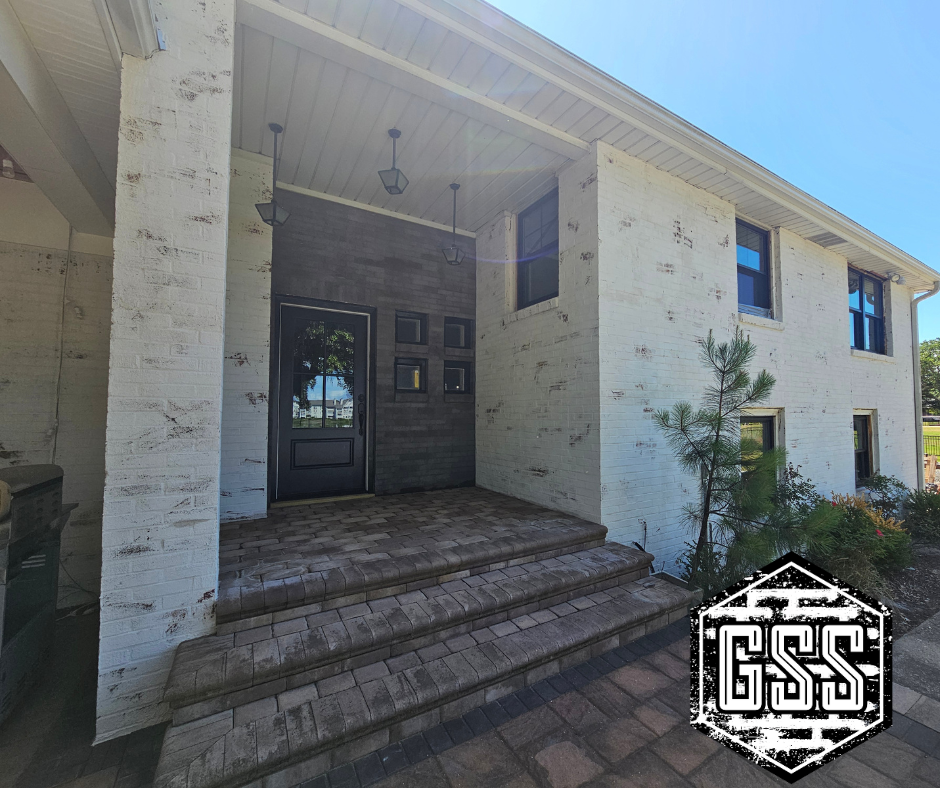
The Historical Origins and Use of German Smear: A Timeless European Technique
German Smear, also known as Schmear, is a centuries-old technique that originated in Germany and has since become a beloved style in both European and contemporary architecture. This method involves applying a thin layer of mortar over brick or stone, creating a rustic, textured, whitewashed appearance. It was originally developed for both practical and aesthetic purposes and continues to captivate homeowners today with its timeless charm.
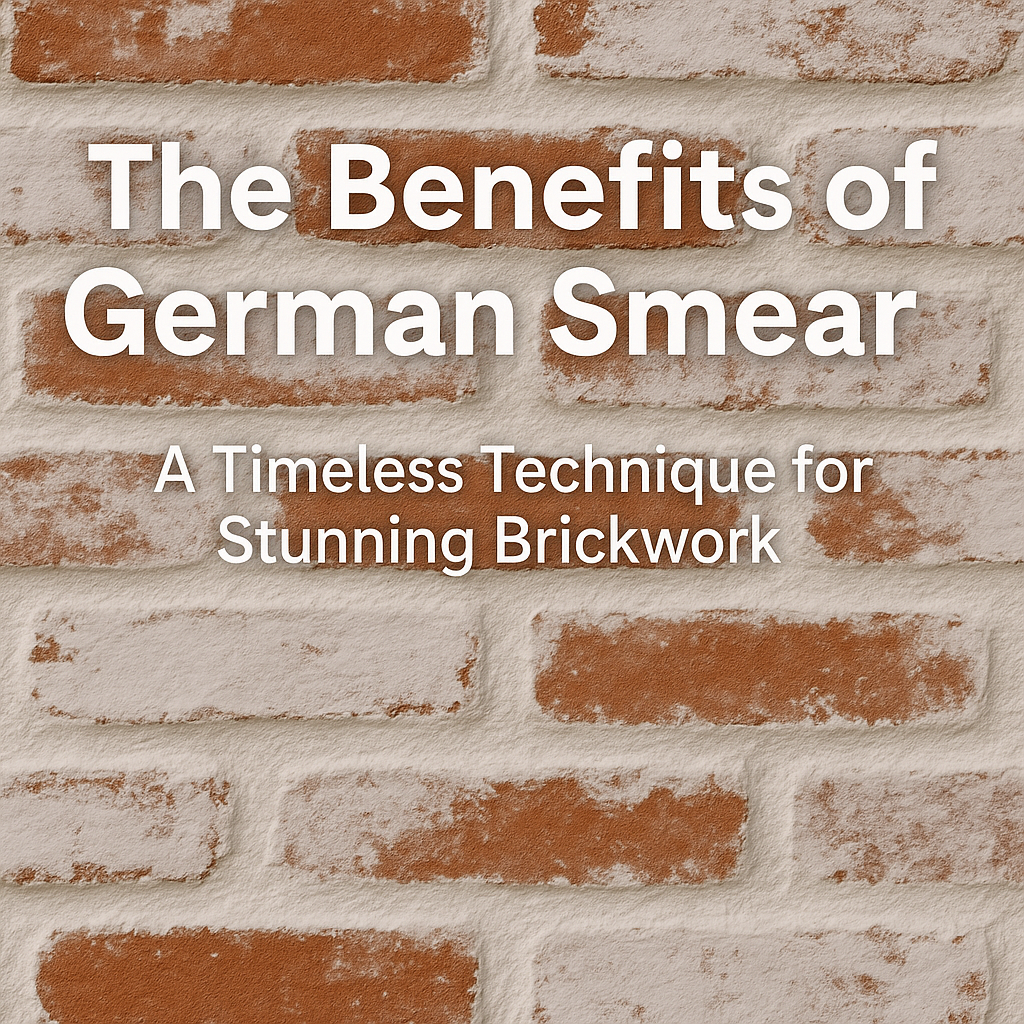
The Benefits of German Smear: A Timeless Technique for Stunning Brickwork
Discover the timeless charm and practical advantages of German Smear, a unique masonry technique that enhances brickwork with rustic texture and durability. From boosting curb appeal to offering eco-friendly protection, this method transforms spaces with lasting elegance.
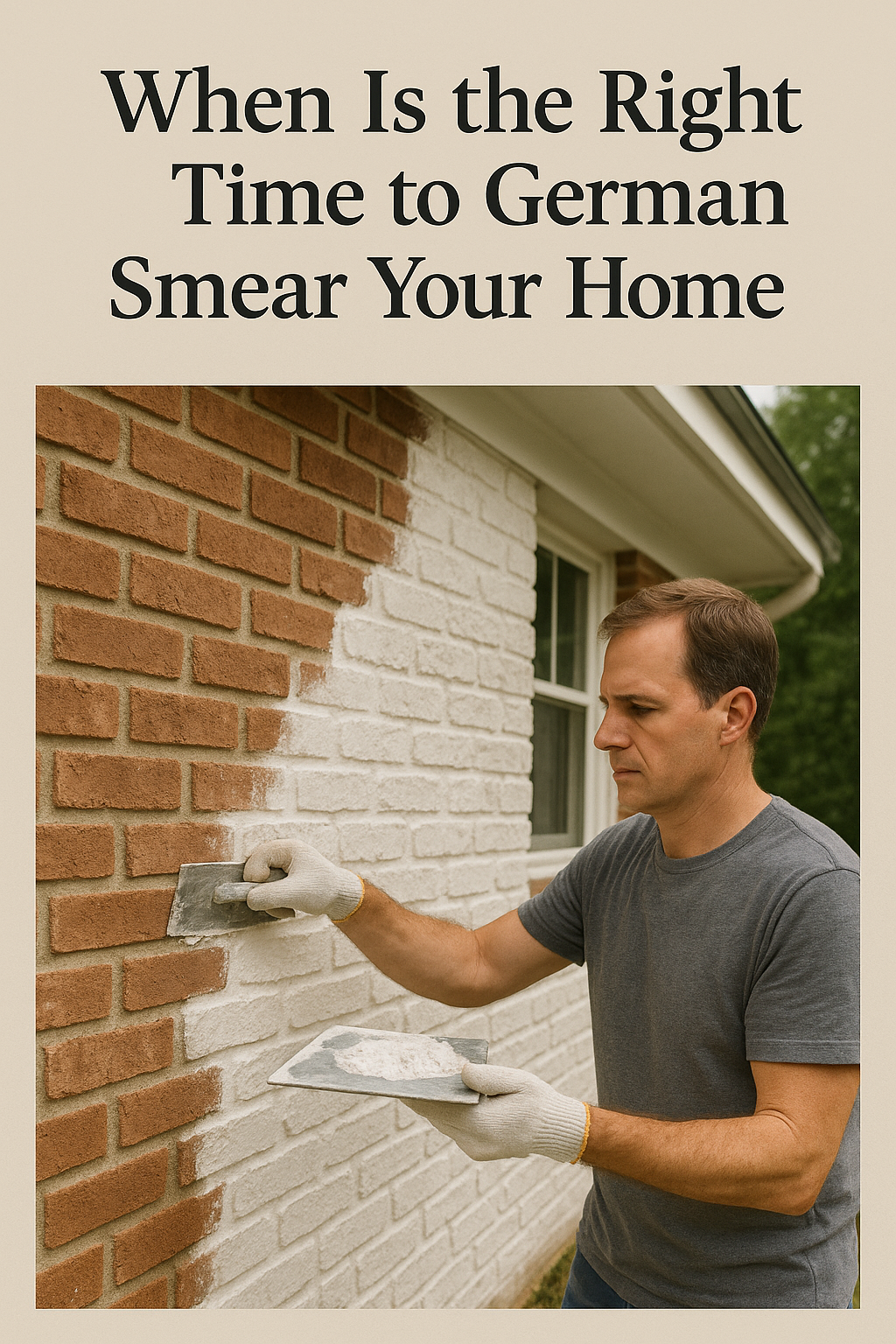
When Is the Right Time to German Smear Your Home?
Choosing the perfect moment to apply German Smear to your home is key to a stunning, lasting result. Aim for spring or fall when temperatures hover between 50°F and 80°F, humidity is low, and rain is scarce—early fall, like September, often fits the bill. Ensure your brick is in top shape, free of cracks or old paint, and plan during a quieter season to secure skilled masons. Contrary to DIY myths, this isn’t a cheap fix, and larger projects demand professional expertise for a flawless finish.
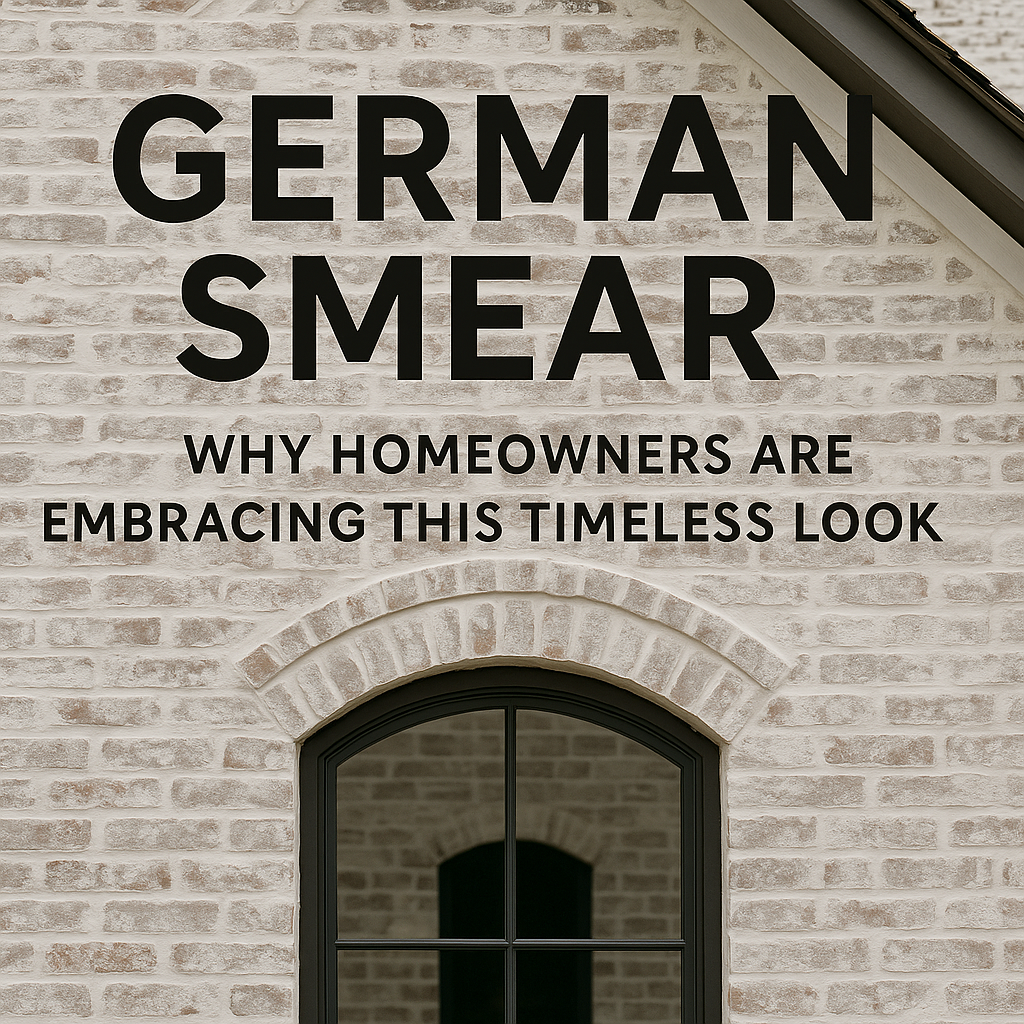
German Smear: Why Homeowners Are Embracing This Timeless Look
Discover the transformative power of German Smear, a rustic masonry technique sweeping the Texas Hill Country, Southern US, and beyond. This timeless style, with its textured whitewashed finish, is redefining home aesthetics, boosting property value, and connecting homeowners to local heritage. As popularity surges—up 13x since 2014 and still climbing in 2025—learn how this versatile upgrade can enhance your home’s curb appeal, simplify maintenance, and reflect the growing cottagecore trend. Dive into this blog to see why German Smear is the must-have renovation for today’s homeowners!

Is German Smear HOA-Friendly?
Discover the charm of German smear, a masonry technique that transforms brick exteriors with a textured, aged look reminiscent of historic European homes. This blog explores whether German smear aligns with homeowners association (HOA) guidelines, offering a breathable, reversible alternative to painting that preserves brick integrity. From real-world examples of HOA approvals to practical tips for navigating the process, we’ll dive into why this subtle enhancement often fits seamlessly into regulated neighborhoods. Debunking myths about cost and DIY feasibility, we’ll show how German smear can elevate your home’s curb appeal while respecting community standards. Ready to learn more about this timeless update? Dive into the full blog to find out!

How Much Does German Smear Cost?
Transform your home with the rustic charm of German smear, a masonry technique that brings European-inspired texture to brick surfaces. At German Smear Specialists, our years of expertise and secret methods ensure a chip-free, fade-resistant finish that needs only a yearly power wash to stay stunning. Curious about costs? In 2025, our professional German smear starts at $6.50 per square foot, meaning a 1,600-square-foot home begins at $10,400. Two-story homes cost more, but our no-scaffolding approach keeps prices competitive. Compared to painting ($7,000-$10,000) or the pricier mortar wash, German smear offers lasting beauty with minimal upkeep—especially with our optional protective coating against dirt and water. Dive into our guide to debunk myths, explore DIY options for small projects, and see why German smear is a timeless investment for your home.

Is German Smear Right for You?
This insightful blog post delves into the world of exterior masonry finishes, helping homeowners determine if German smear—a textured, mortar-based technique that gives brick or stone a rustic, weathered charm—is the best fit for their home. Through a balanced comparison with alternatives like limewash, whitewash, and traditional paint, it covers key aspects such as aesthetics, durability, maintenance requirements, and application challenges. Addressing common myths, including the misconception that German smear is always a budget-friendly DIY alternative to paint, the article emphasizes informed decision-making for achieving a timeless look without compromising on practicality.

A Detailed & Comprehensive Look At German Smear
German Smear is a time-tested masonry technique that transforms brick with rustic, old-world charm. Learn about its history, application, maintenance, and why it’s trending again in modern home design.