

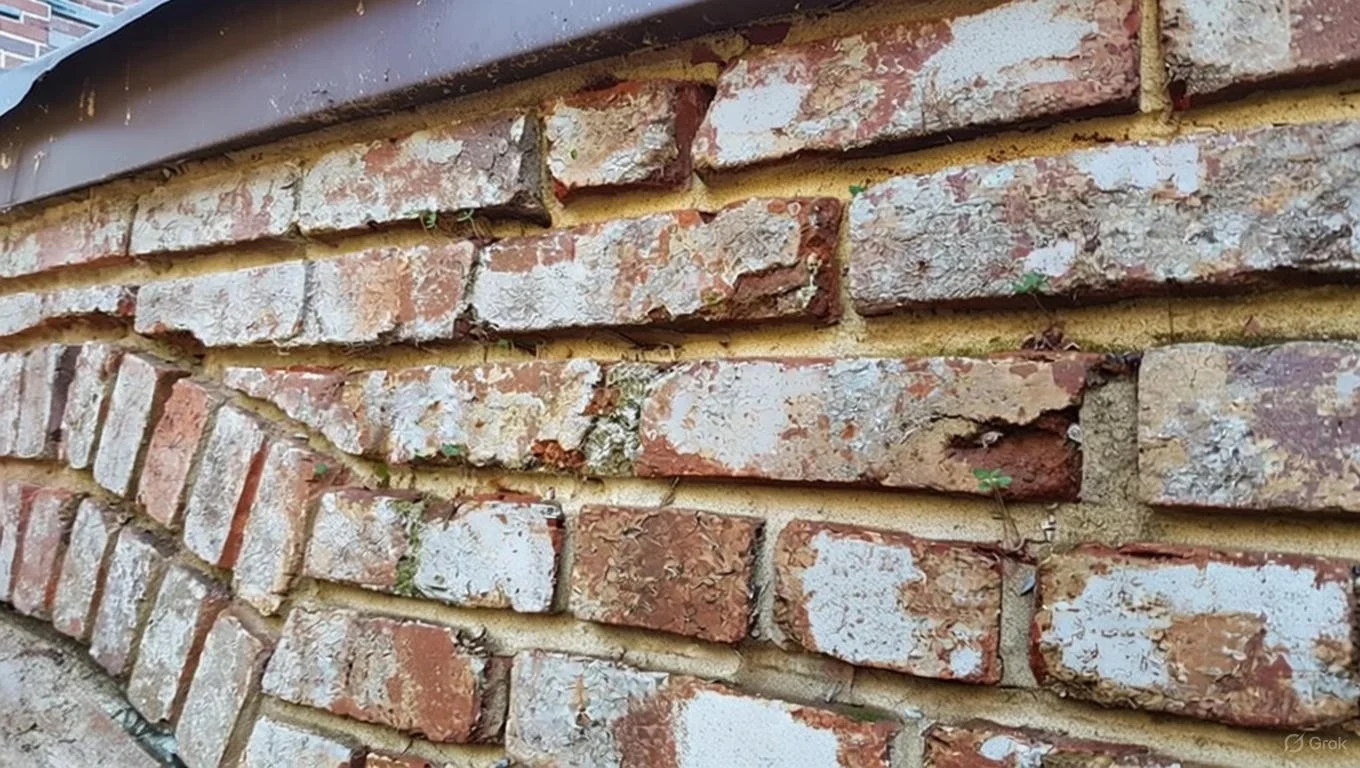
The Role of German Smear in Addressing Mortar Joint Erosion in Brick Houses
Mortar joint erosion in brick houses often results from prolonged exposure to environmental factors, leading to structural vulnerabilities over time. German Smear, a traditional mortar-wash technique, can help mitigate minor erosion by filling gaps and enhancing surface protection. This approach draws from historical European building methods, offering both aesthetic and functional benefits when applied correctly.
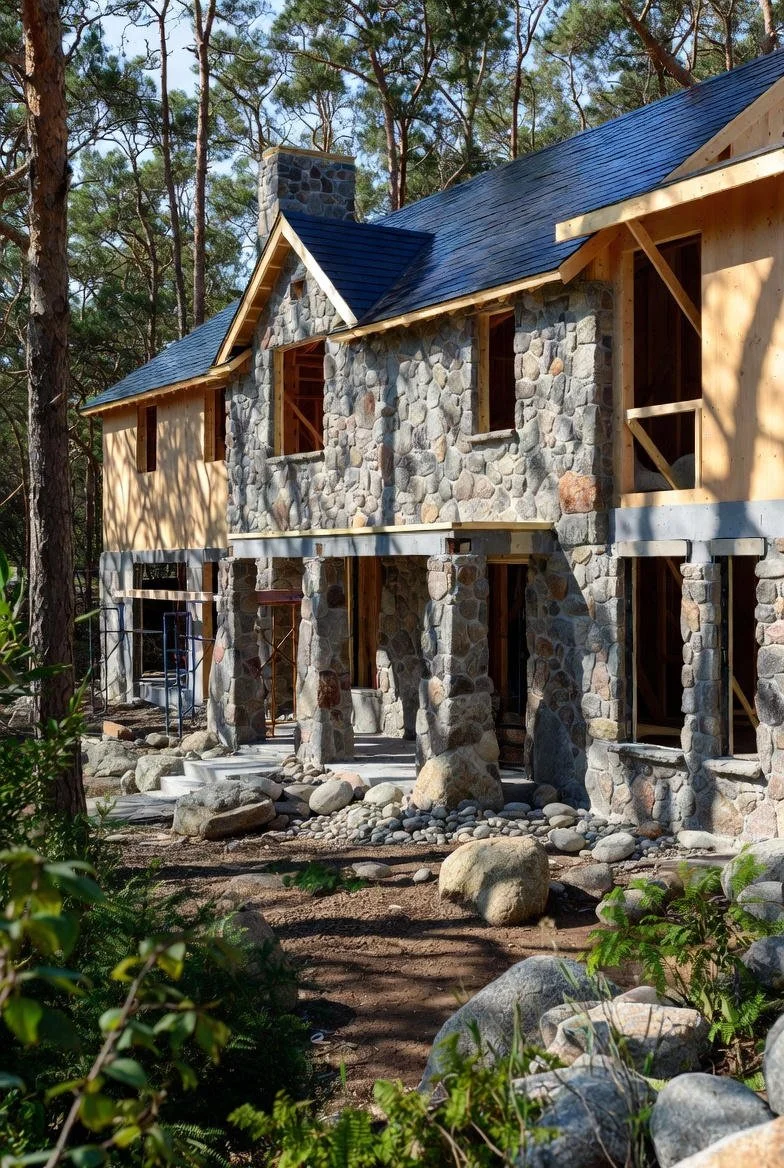
The Evolution from Natural Stone to Manufactured Stone in Residential Construction
Natural stone has served as a primary building material since ancient civilizations, valued for its durability and aesthetic appeal in structures like pyramids and temples. Over time, advancements led to thin natural stone veneers and, in the mid-20th century, manufactured stone alternatives made from concrete mixes. This shift reflects changes in construction needs, with manufactured stone offering lighter weight and consistency while natural stone provides unique variation and proven longevity.
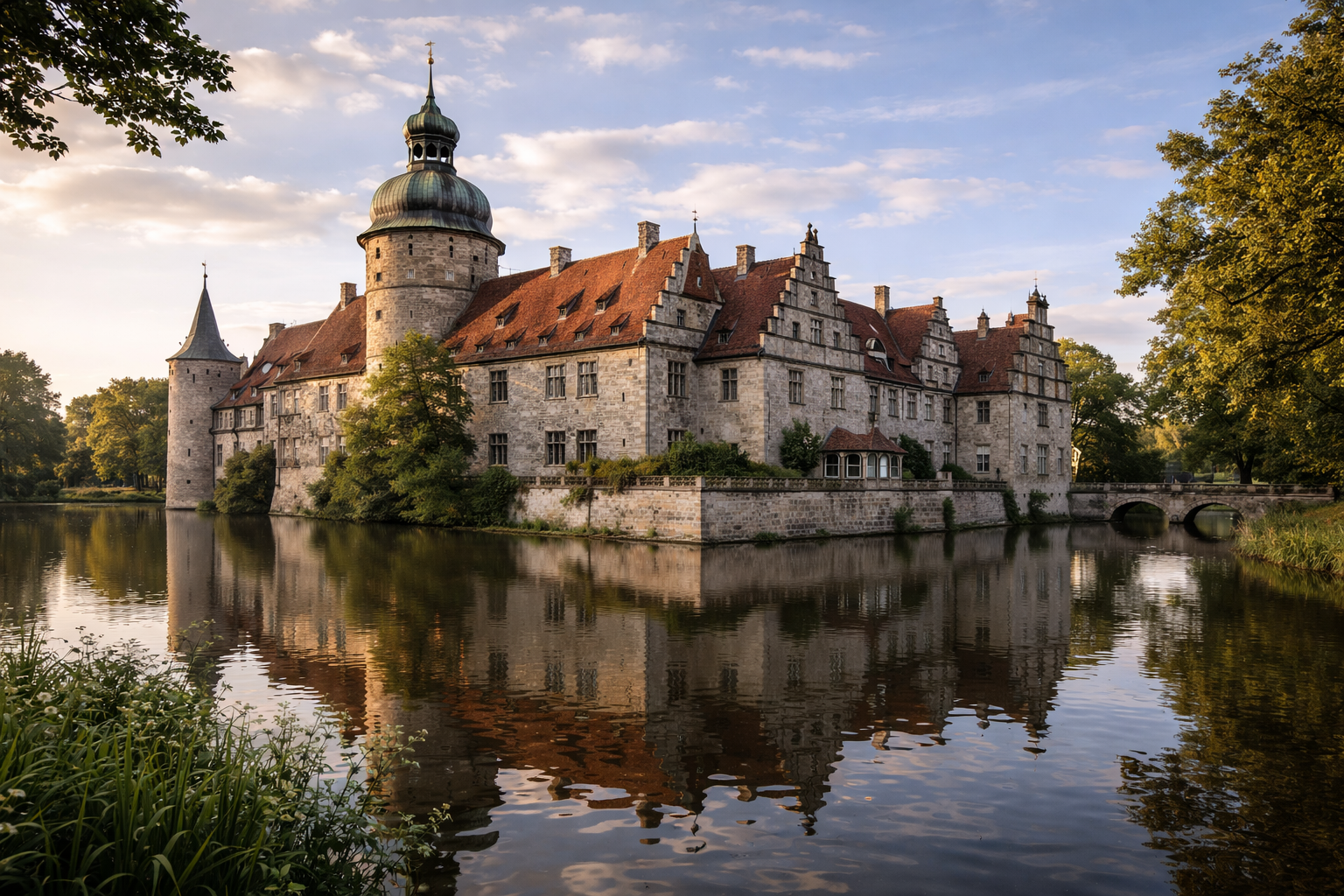
Schloss Burgsteinfurt and Kalkschlämme (German Smear) Traditional Masonry Protection
Schloss Burgsteinfurt (Burgsteinfurt Castle), the oldest moated castle in Westphalia first documented in 1129, represents enduring masonry architecture in northern Germany's temperate climate. Kalkschlämme (lime slurry), a traditional lime-based coating, aligns with regional conservation practices for protecting exposed facades. During renovations completed around 2013, a gray natural Kalkschlämme was applied to the facade after removing incompatible cement plaster, enhancing breathability and weather resistance.
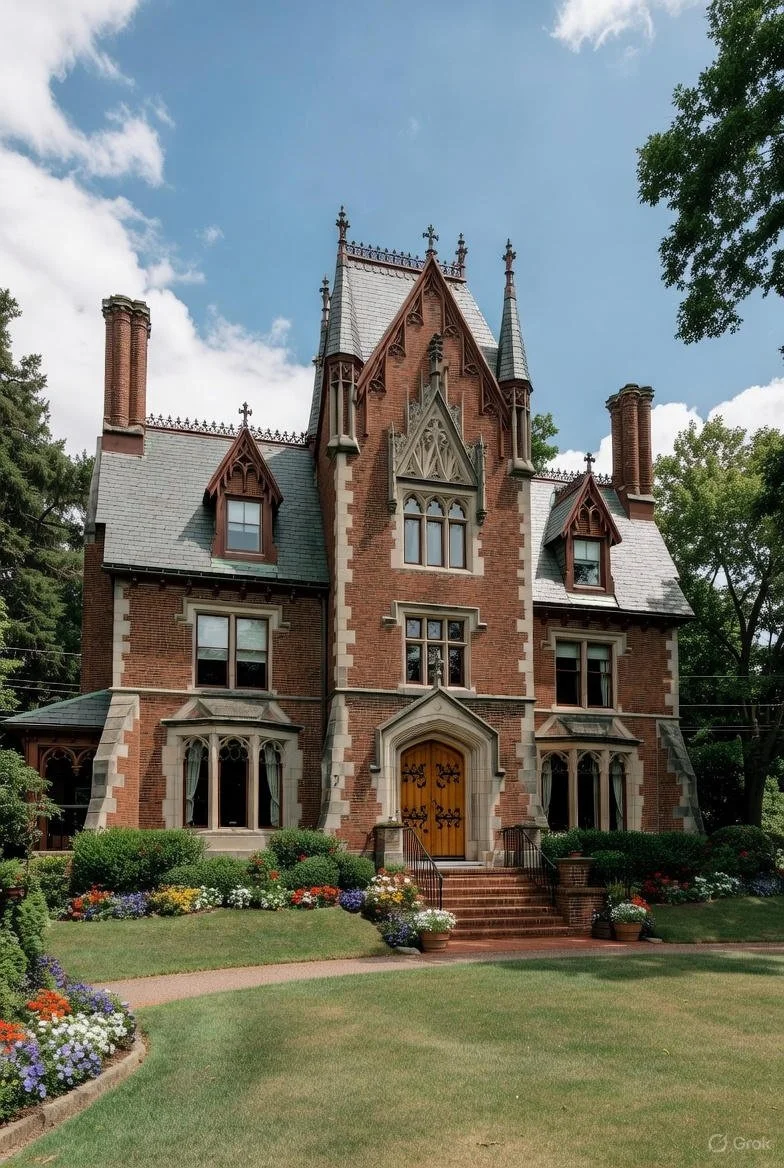
The Pros and Cons of Owning a Brick Home
Brick homes have long been valued for their durability and timeless appeal, rooted in historical building practices that emphasize longevity and resilience. However, owning such a structure involves weighing benefits like energy efficiency against challenges such as moisture management and structural limitations. This overview explores these aspects in detail, including maintenance considerations and historical brick treatments like German Smear, to provide a comprehensive understanding for homeowners interested in architectural conservation.
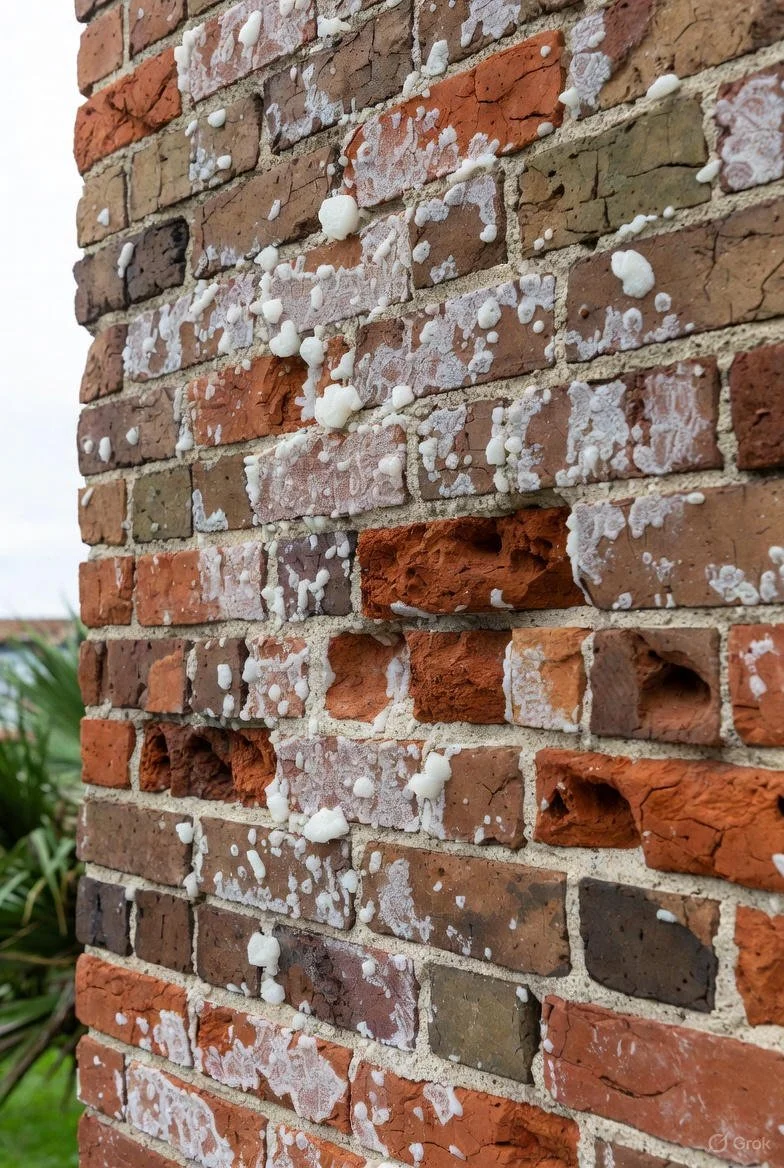
Why Does My Brick Have White Spots on It?
White spots on brick surfaces often indicate efflorescence, a common phenomenon in masonry where soluble salts crystallize on the exterior. This deposit forms through moisture migration and can signal underlying water issues that affect both the brick's integrity and any applied finishes. Understanding efflorescence is essential for preserving historical and modern brick structures, as it ties into fundamental building science principles like vapor permeability and material durability.
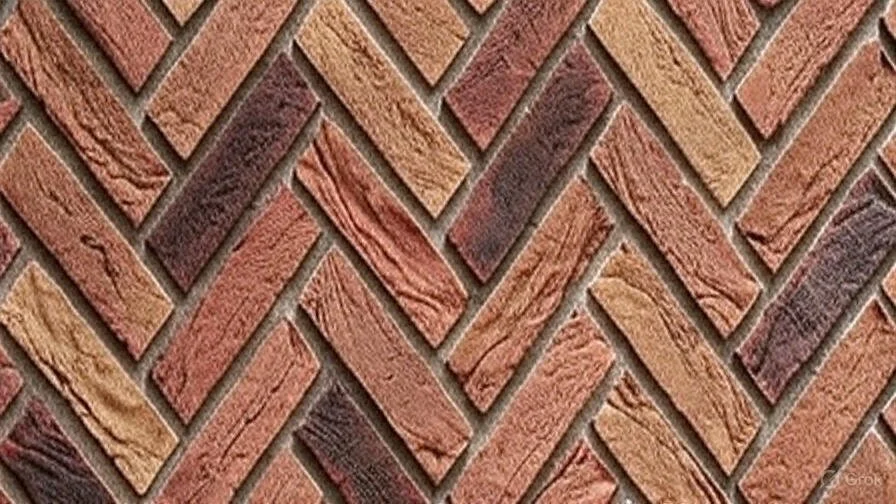
Common Historical and Modern Brick Bond Patterns: An Educational Overview
Brick bonds are the systematic patterns in which bricks are laid to create structural stability, visual rhythm, and regional character in masonry walls. Far from merely decorative, each bond distributes loads differently, manages moisture, and reflects the tools, labor traditions, and material availability of its time and place. Understanding these patterns helps explain why certain bonds dominated specific eras and climates across Europe and North America.
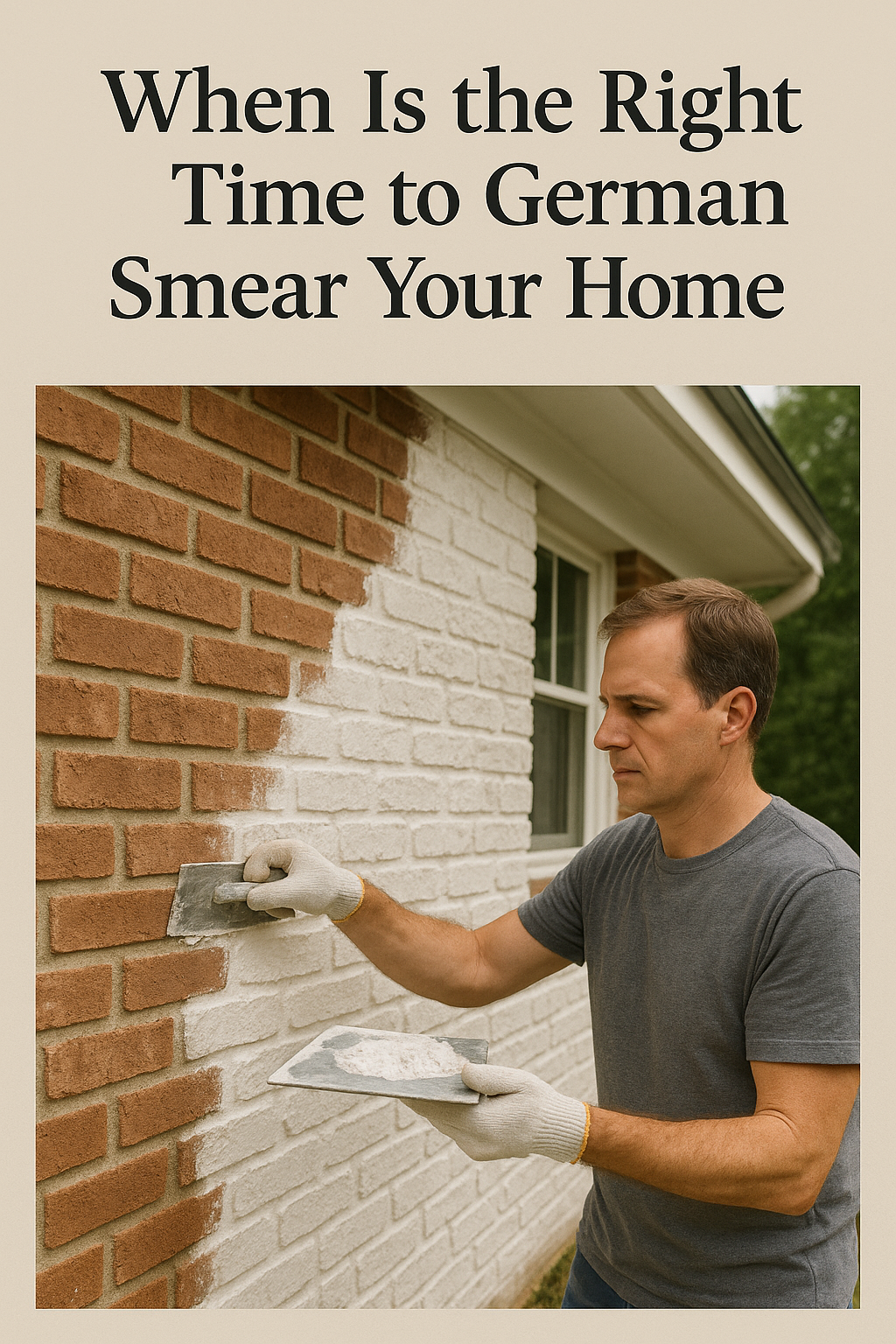
When Is the Right Time to German Smear Your Home?
Choosing the perfect moment to apply German Smear to your home is key to a stunning, lasting result. Aim for spring or fall when temperatures hover between 50°F and 80°F, humidity is low, and rain is scarce—early fall, like September, often fits the bill. Ensure your brick is in top shape, free of cracks or old paint, and plan during a quieter season to secure skilled masons. Contrary to DIY myths, this isn’t a cheap fix, and larger projects demand professional expertise for a flawless finish.

Why German Smear Is the Ultimate Low-Maintenance Brick Finish
German Smear offers a timeless, low-maintenance solution for transforming outdated brick into durable, weather-resistant elegance. Discover why homeowners are choosing this no-repaint, mold-resistant finish that enhances curb appeal while saving thousands in upkeep.

German Smear Brick: The Timeless Technique Making Continued Growth and Popularity | 2025
Discover why German Smear brick is continuing a massive growth in 2025. Learn how this timeless finish enhances curb appeal, restores damaged brick, offers custom color options, and boosts home value—all with little to no maintenance.