

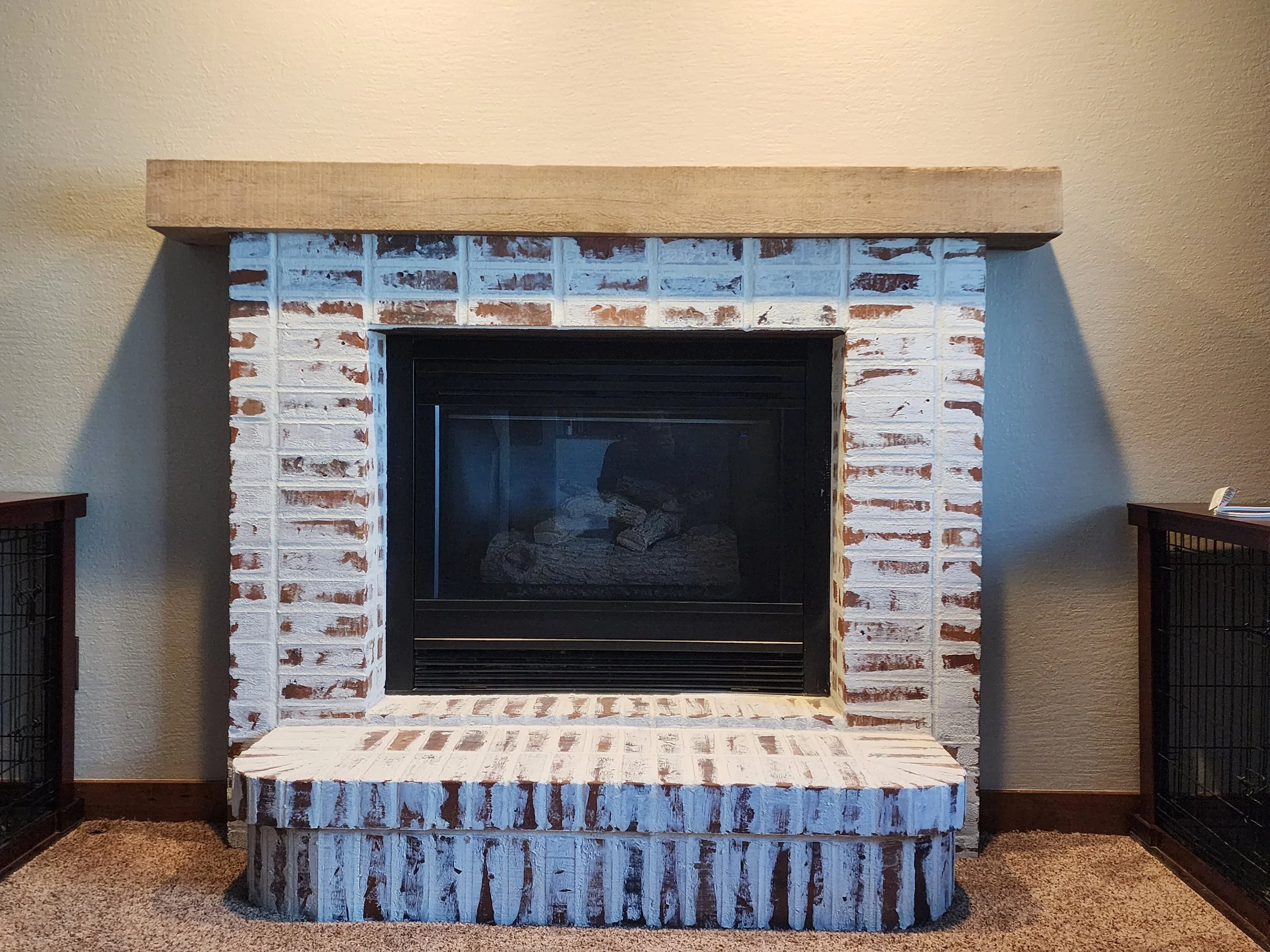
German Smear Versus Painting for Indoor Fireplaces: A Technical and Aesthetic Comparison
Interior brick fireplaces can be refreshed either by applying a traditional German smear or by painting the brick. While both approaches lighten and modernize the appearance, they differ fundamentally in texture, breathability, permanence, and long-term behavior. Understanding these differences allows homeowners and designers to select the method that best aligns with the fireplace’s material properties and the desired aesthetic outcome.
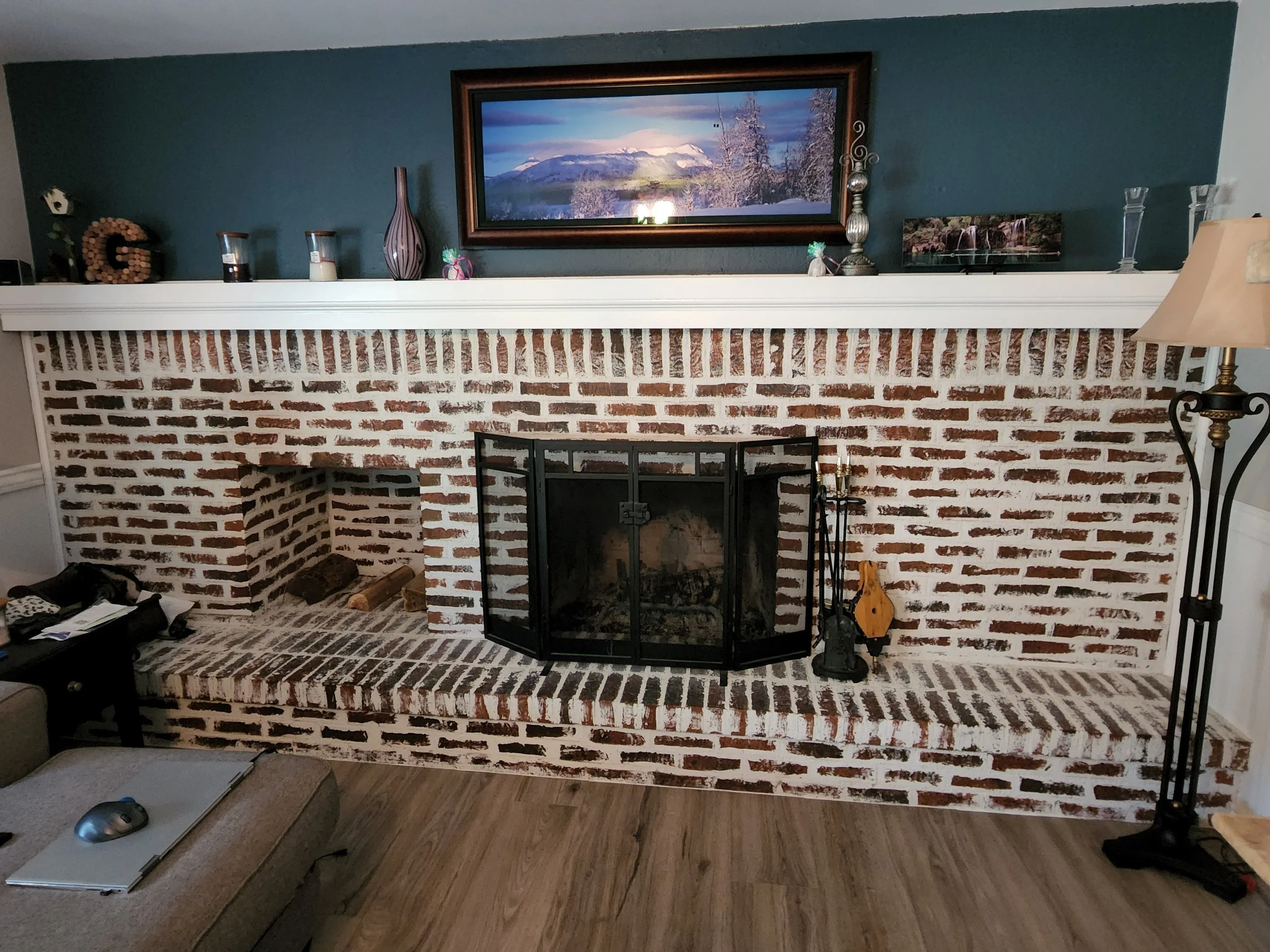
The Role of German Smear in Enhancing Interior Aesthetics
German smear, a traditional mortar-wash technique rooted in European masonry practices, brings textured warmth and subtle irregularity to interior brick surfaces. When applied inside the home, it softens the harsh redness of common brick while preserving its natural character, creating spaces that feel both historic and intentionally curated. This finish bridges rustic authenticity with contemporary minimalism, making it a versatile tool for interior aesthetic improvement.
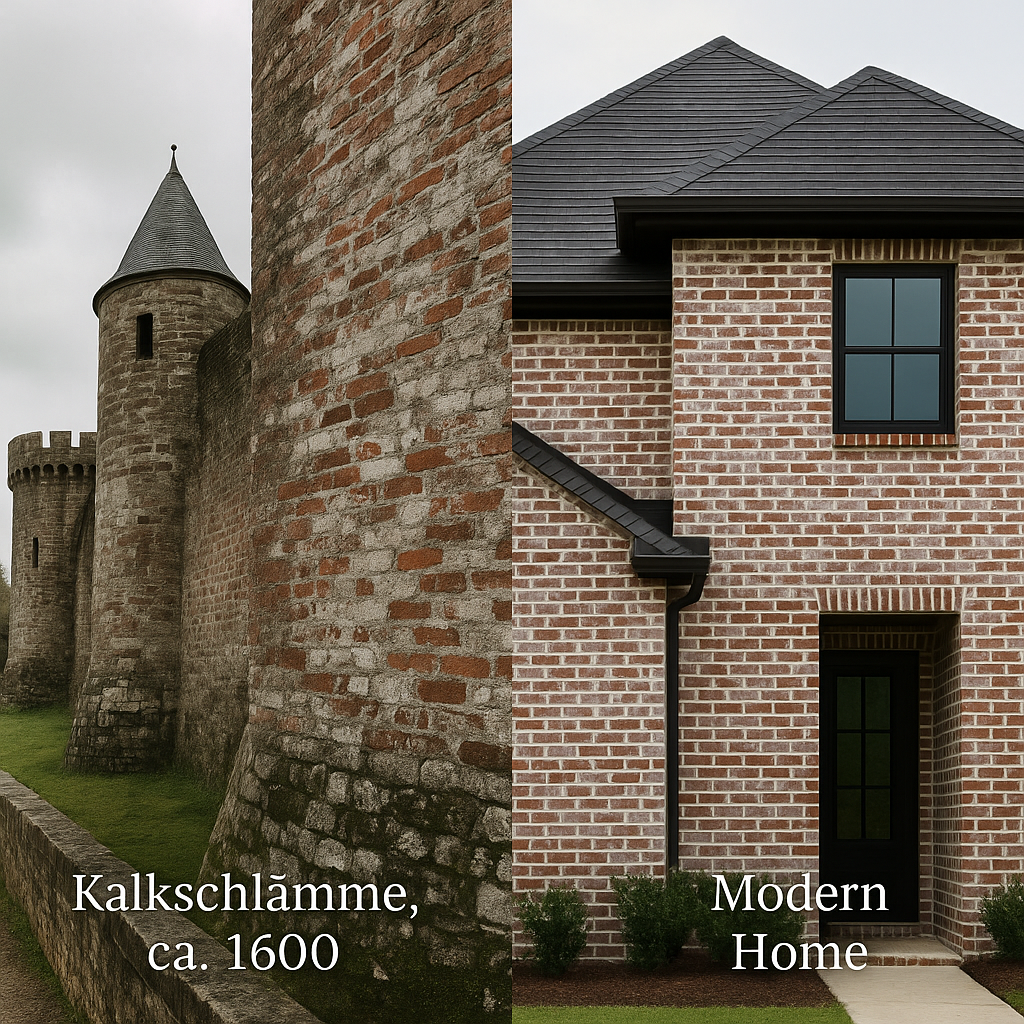
Before It Was Called “German Smear”: The Forgotten History of Europe’s Original Masonry Finish
Before it was called “German Smear,” this centuries-old finish was known by names like Kalkschlämme and Kalküberwurf. Discover the forgotten European origins of the beloved brick-smearing technique that once protected castles and cottages alike.
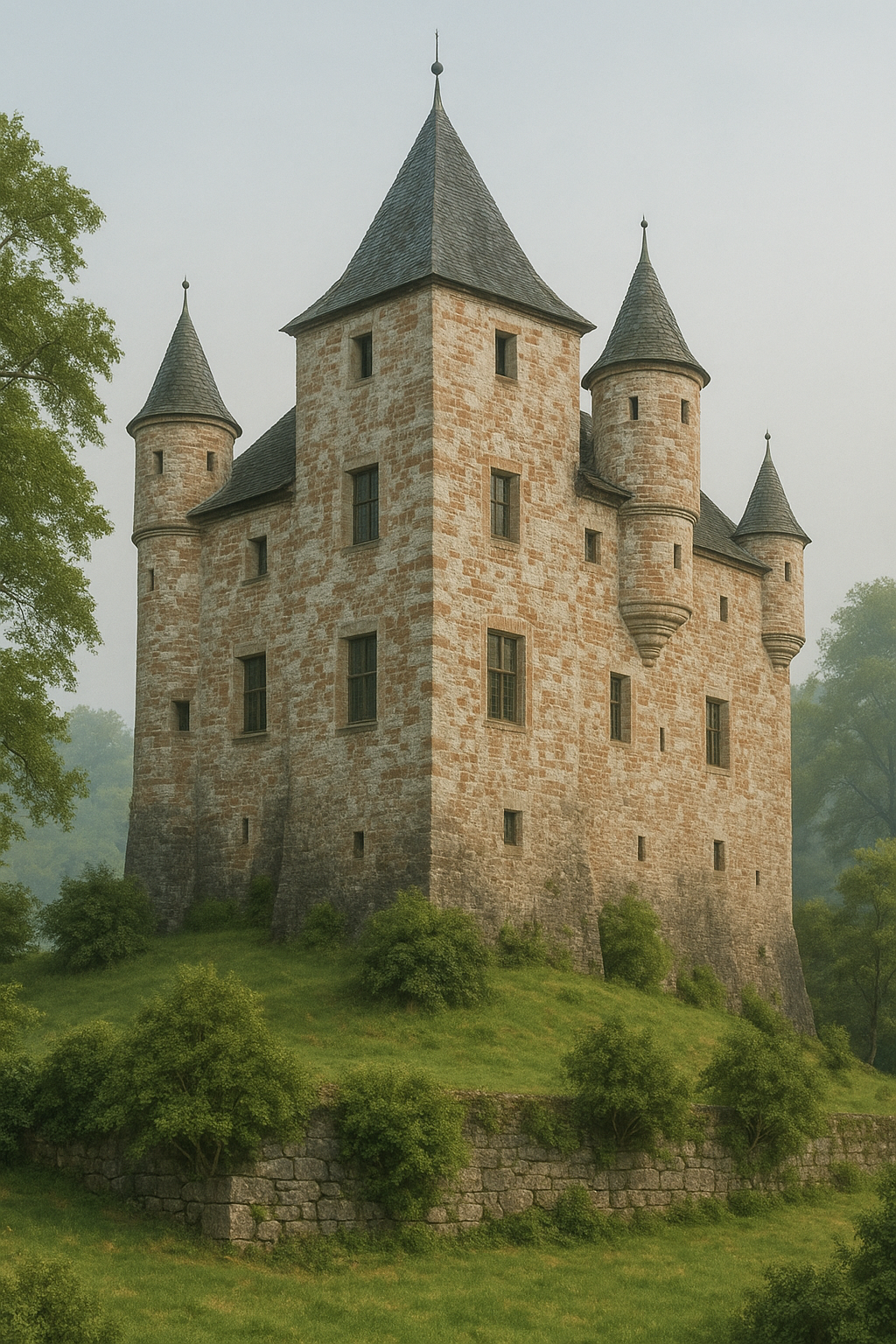
Restoring Royalty: How German Smear Helped Preserve Castles and Homes of the Monarchy
Discover how the German Smear technique—once used to preserve castles and royal estates across Europe—became a timeless method for both protection and beauty, blending craftsmanship with centuries of architectural history.
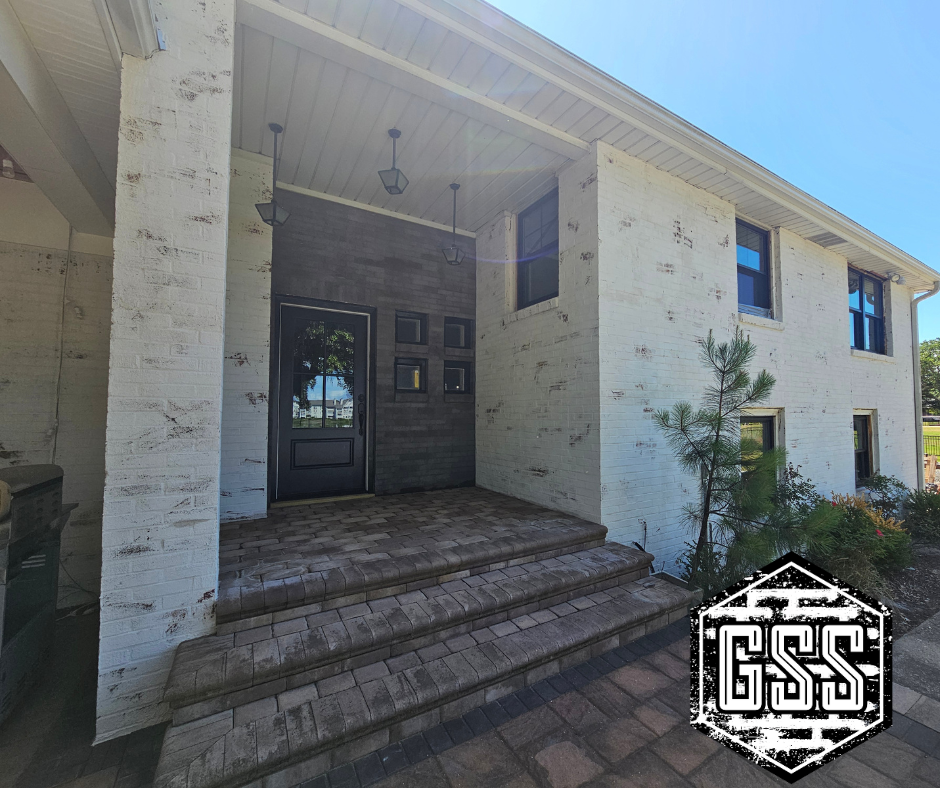
The Historical Origins and Use of German Smear: A Timeless European Technique
German Smear, also known as Schmear, is a centuries-old technique that originated in Germany and has since become a beloved style in both European and contemporary architecture. This method involves applying a thin layer of mortar over brick or stone, creating a rustic, textured, whitewashed appearance. It was originally developed for both practical and aesthetic purposes and continues to captivate homeowners today with its timeless charm.

Tuckpointing vs. Repointing: What’s the Real Difference?
Not sure if your brick home needs tuckpointing or repointing? These two repair techniques may sound similar, but they serve different purposes. Learn how to spot the difference and discover which one your home actually needs — plus a modern alternative that combines both structure and style.