

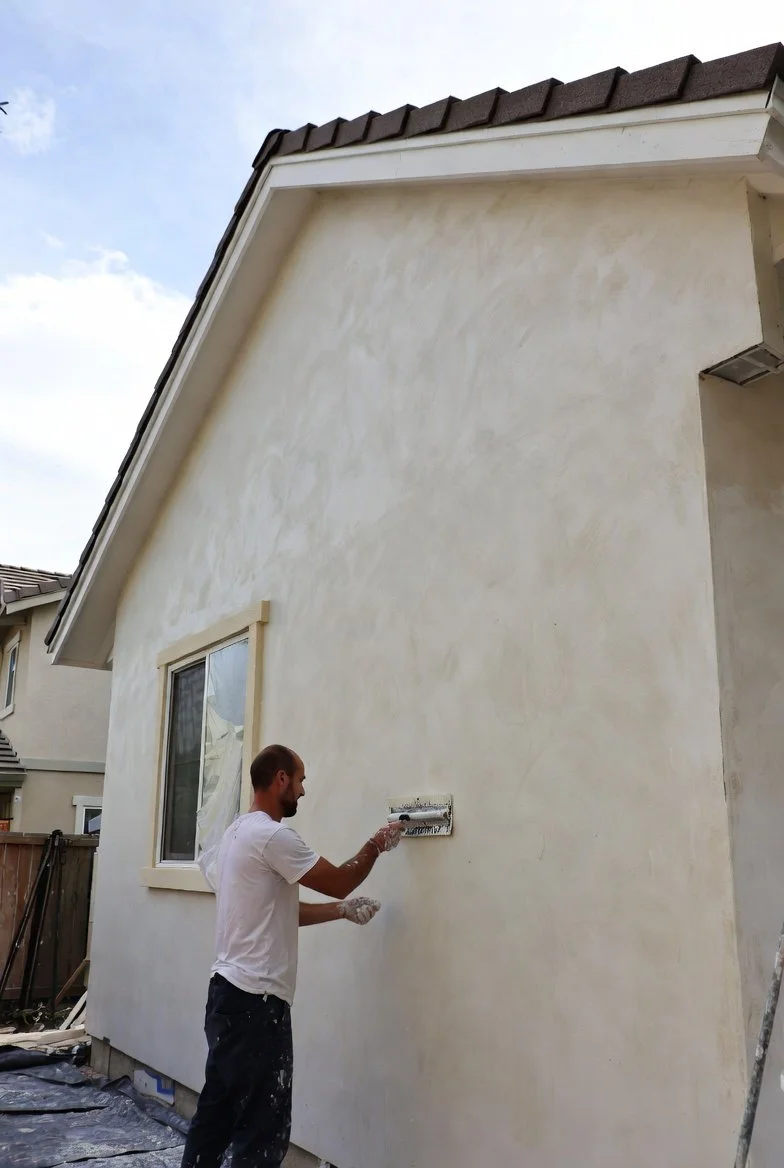
Comparing Stucco and German Smear Application Processes
Stucco and German Smear are both time-tested methods for altering the appearance of brick surfaces, drawing from historical European building traditions. While stucco involves layered plastering for a uniform finish, German Smear uses a mortar wash to create a textured, aged look. This comparison explores their similarities in materials, tools, and visual impact, highlighting how each technique enhances architectural character through breathable, durable applications.
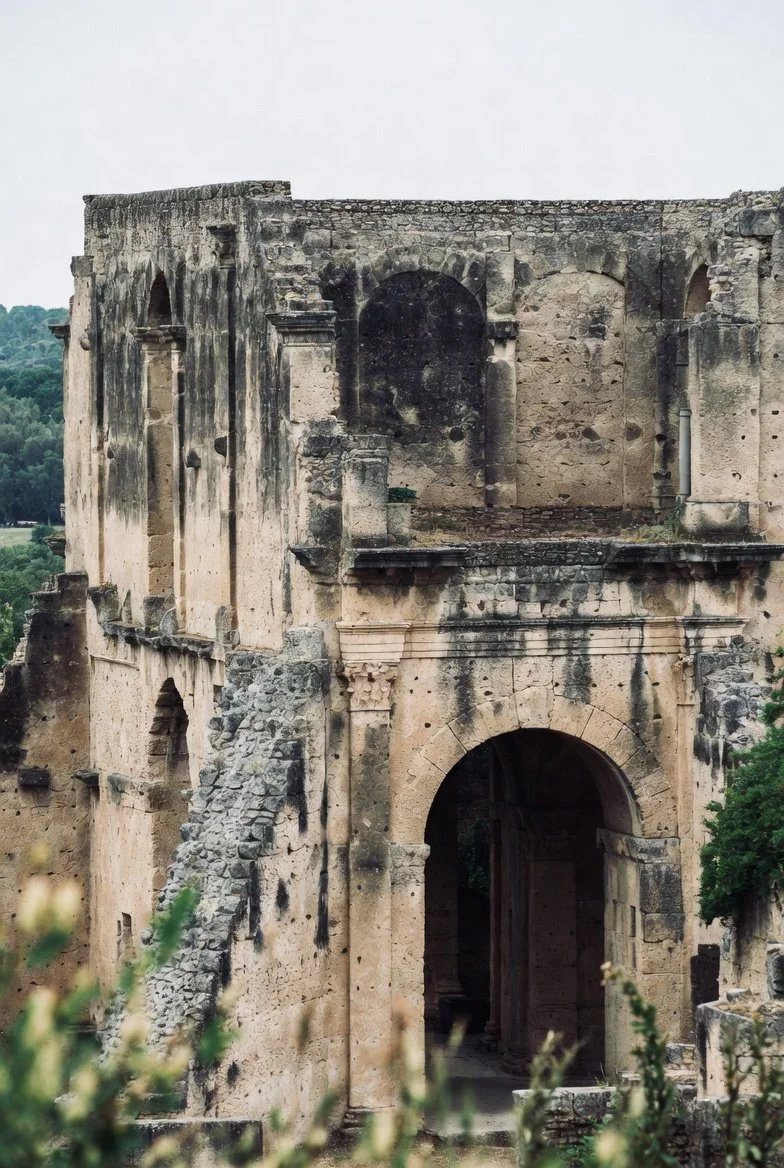
The History of Stucco: Origins, Applications, and Comparisons to German Smear
Stucco, a durable plaster-like material, traces its roots to ancient civilizations where it served both functional and decorative purposes in architecture. Over millennia, it has evolved to provide weather protection, aesthetic enhancement, and structural mimicry in buildings worldwide. This exploration details its historical emergence, practical applications, effects on stone and brick substrates, and parallels with the German smear method.
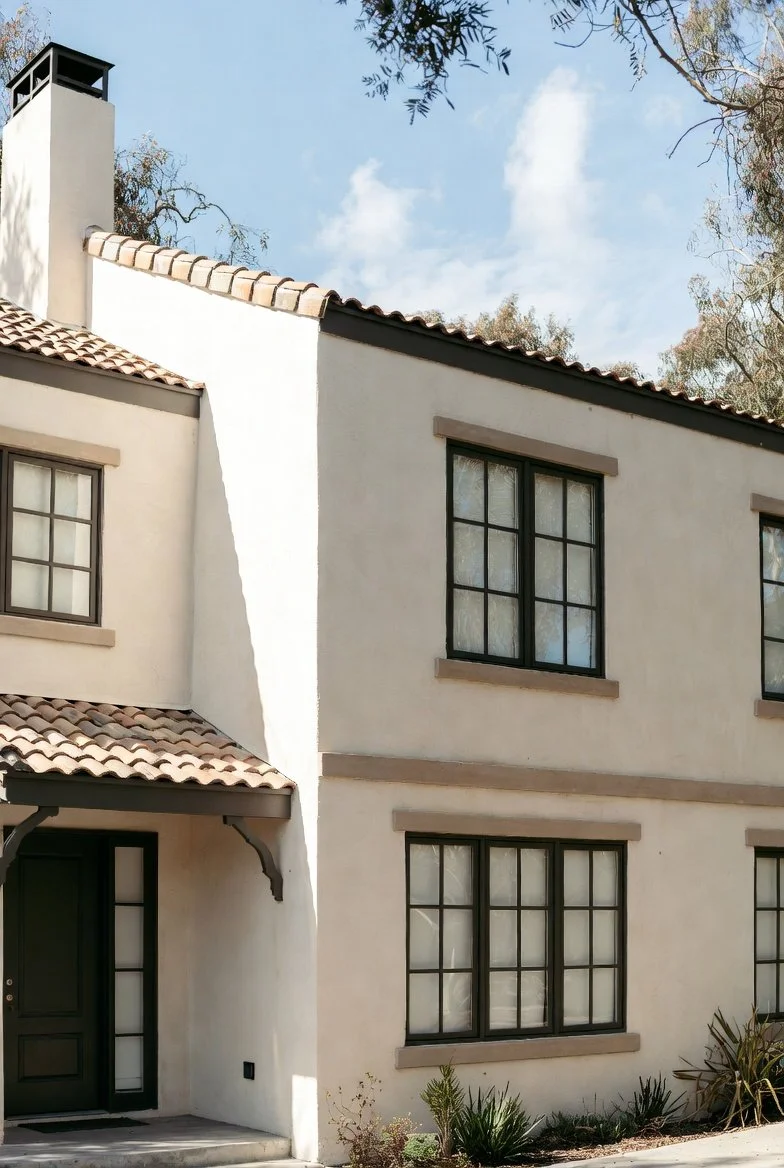
Stucco in Modern Construction: Uses, Impacts on Brick, Durability Enhancements, and Relation to German Smear
Stucco serves as a versatile exterior finish in contemporary building practices, adapting ancient techniques with updated materials for enhanced performance on substrates like brick. Modern formulations improve durability through building science principles, though they require careful application to manage moisture. When compared to German Smear, a mortar-wash method rooted in European traditions, stucco offers a more uniform cladding, yet both can achieve substantial thickness with appropriate mixes.
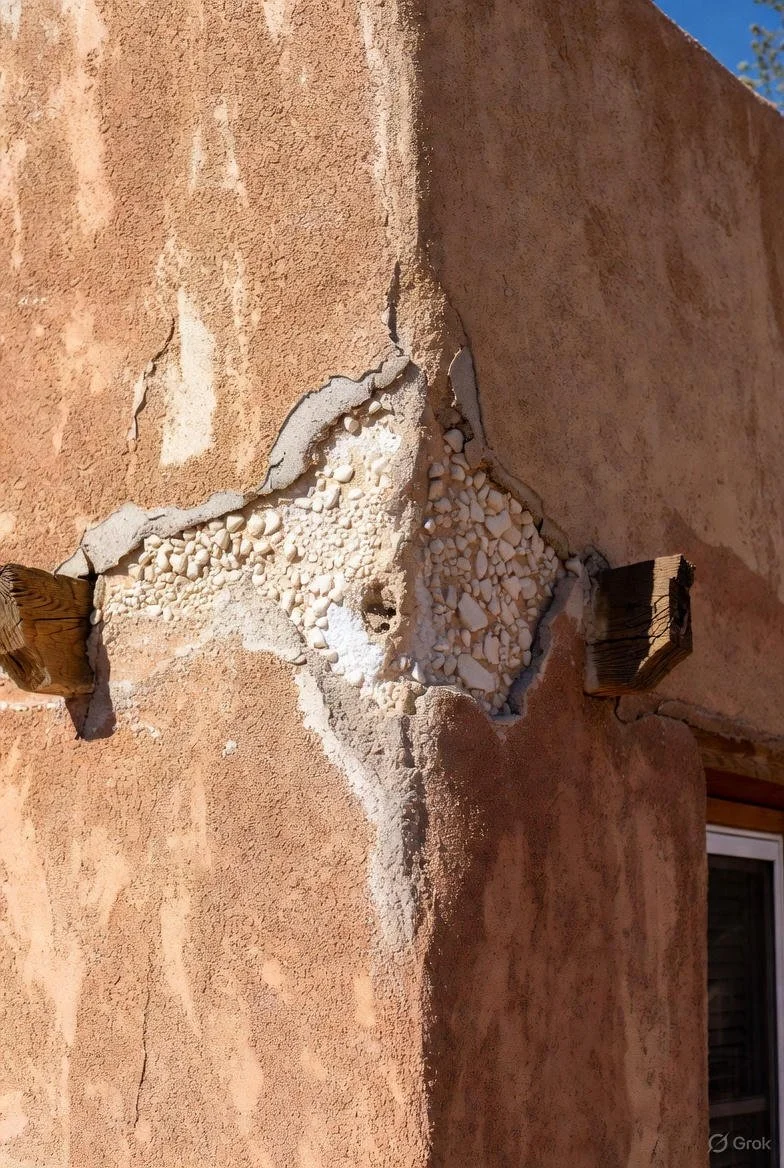
Integral Pigmentation in Stucco: Avoiding Surface Paint for Material Integrity
Stucco functions as a breathable cladding system that manages moisture through vapor diffusion. Surface paint creates an impermeable barrier leading to trapped moisture and structural stress, whereas integral pigmentation incorporates color throughout the mix without altering permeability. Documented in early 20th-century Southwestern architecture, this method supports long-term durability and aligns with stucco's traditional performance characteristics.

Pairing German Smear with Landscaping: Curb Appeal Boosters That Complement Brick
Discover how pairing a German Smear brick finish with strategic landscaping can completely transform your home’s exterior. From boxwood borders and gravel walkways to ornamental grasses and flagstone patios, this guide covers cost, design tips, and real-world examples that deliver a 200% curb appeal ROI.

Beyond Rustic: How German Smear Can Transform Any Style of Home
German Smear is no longer just for farmhouses. This hand-applied mortar finish can go sleek, artistic, or even bold with color. From black and gray to green, blue—even glow-in-the-dark—this technique transforms brick into a one-of-a-kind exterior masterpiece.