

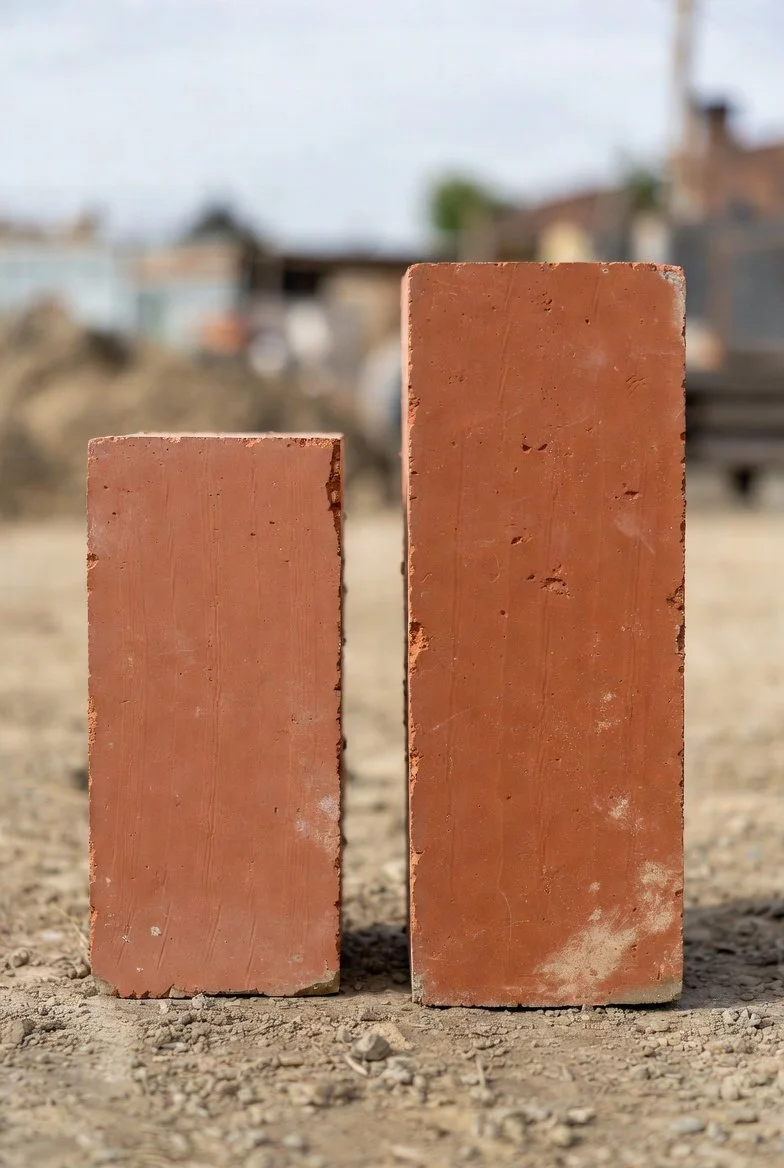
The Spectrum of Brick Sizes: From Compact to Expansive Formats
Brick sizes have evolved over centuries to meet diverse architectural needs, ranging from small, intricate units suited for detailed masonry to large, efficient blocks for expansive structures. These variations influence construction speed, structural integrity, and aesthetic outcomes, while also affecting surface treatments like German Smear. Understanding these differences provides insight into historical building practices and modern adaptations.
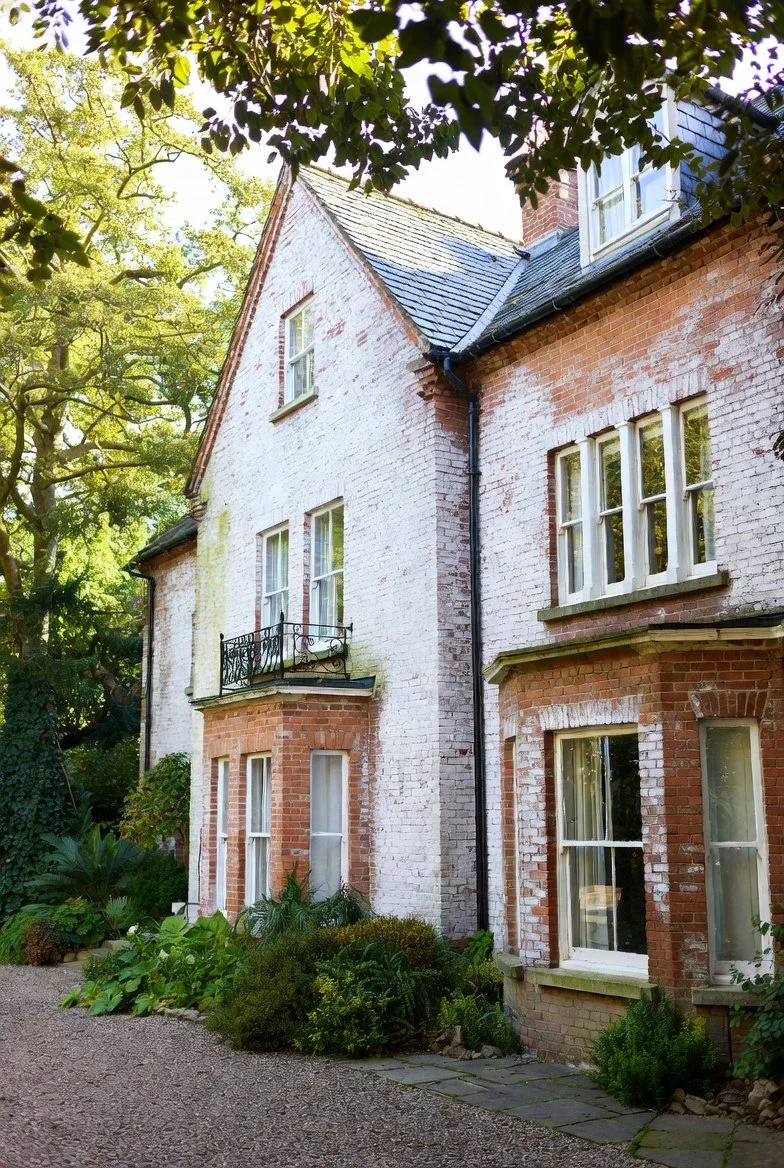
Comparing German Smear Brick Finishes to Untreated Brick: Aesthetic and Building Science Perspectives
German smear, a traditional mortar-wash technique applied to brick surfaces, creates a distinct aged appearance compared to the uniform look of untreated brick. This method, rooted in European building practices, alters both the visual character and material properties of masonry. By examining aesthetic differences, potential impacts on property visibility, and building science aspects, readers can gain insight into how such treatments influence architectural outcomes.

German Smear vs. Paint: Evaluating Brick Health Through Scientific Lens
German Smear and paint represent two distinct approaches to altering brick appearance, with significant implications for the material's long-term integrity. While German Smear uses a breathable mortar layer that integrates with the brick, paint often forms an impermeable barrier that can compromise moisture management. Understanding their scientific differences helps preserve brick's natural properties in various climates.