

Resilience of Brick Homes to Extreme Weather: Historical Mortar Traditions and Material Comparisons
Brick has served as a cornerstone in architecture for centuries, particularly in European regions where mortar-wash traditions such as German Smear—also known as Schmear or Kalkschlämme—were developed to protect structures from harsh weather. These methods, documented as early as the 18th century, involve applying a lime-based mortar layer to allow vapor permeability while repelling excess moisture, aligning with building science principles that prevent freeze-thaw cracking. Understanding how different home types withstand extreme weather, and the associated repair costs, is crucial architecturally, as it informs designs that balance historical integrity with modern resilience against events like hurricanes, tornadoes, and wildfires.
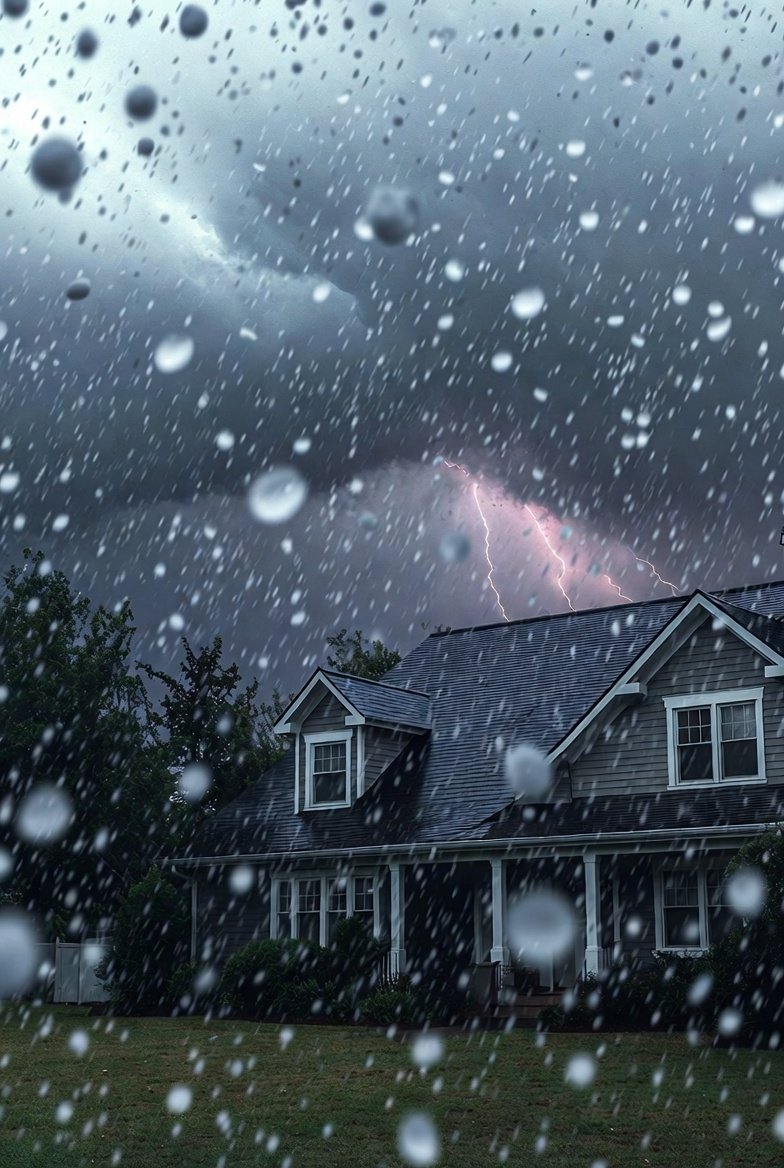
Types of Extreme Weather and Their Effects on Structures
Extreme weather encompasses high winds from hurricanes and tornadoes, flooding, wildfires, and freeze-thaw cycles, each imposing unique stresses on building materials. High winds can uplift roofs or shear walls, while flooding introduces moisture that promotes rot or mold if not managed through permeable systems. Wildfires test fire resistance, and freeze-thaw cycles cause expansion cracking in non-breathable surfaces.
Historical brick treatments like German Smear distinguish from limewash (a thinner, breathable coating), whitewash (a basic lime-paint mix), or painted brick (which can trap vapor, leading to spalling). Building science emphasizes vapor permeability in mortar compositions to allow moisture escape, reducing damage in humid or freezing climates.
Hurricanes and tornadoes: Generate winds over 100 mph, testing structural integrity and roof attachments.
Flooding: Introduces water intrusion, affecting foundations and interiors if materials lack resistance.
Wildfires: Demand non-combustible exteriors to prevent ignition.
Freeze-thaw cycles: Cause material expansion and contraction, mitigated by breathable finishes.

Resilience Across Home Types
Residential structures vary in their ability to endure extreme weather, influenced by material properties and construction methods. Brick masonry, often enhanced with mortar washes for better adhesion and breathability, provides thermal mass that stabilizes against temperature swings and resists wind uplift. In contrast, wood-frame homes are lighter but more susceptible to wind and fire, while concrete offers superior durability in floods and earthquakes.
Building science highlights how porous bricks with compatible mortars maintain vapor permeability, outperforming sealed systems in moisture-heavy events. Historical European practices favored masonry for its longevity in variable climates, commonly used throughout regions prone to storms.
Brick/masonry homes: Withstand winds up to 140-150 mph with proper engineering; fire-resistant and durable against hail, but may require reinforcement in seismic zones; vapor permeability reduces freeze-thaw damage.
Wood-frame homes: Vulnerable to winds over 135 mph, fire, and moisture; common in low-risk areas but often fail in hurricanes or tornadoes due to lighter weight and combustibility.
Steel-frame homes: Handle winds 60-80 mph higher than wood; resistant to earthquakes, fire, and pests; suitable for high-wind zones with corrosion protection.
Modular/prefab homes: Resilience depends on factory standards; precast concrete variants excel in storms, but wood-based ones mirror frame vulnerabilities; faster assembly aids post-event recovery.
Concrete/ICF homes: Endure hurricanes, floods, earthquakes, and fires; high compressive strength and insulation mitigate thermal extremes and water damage.
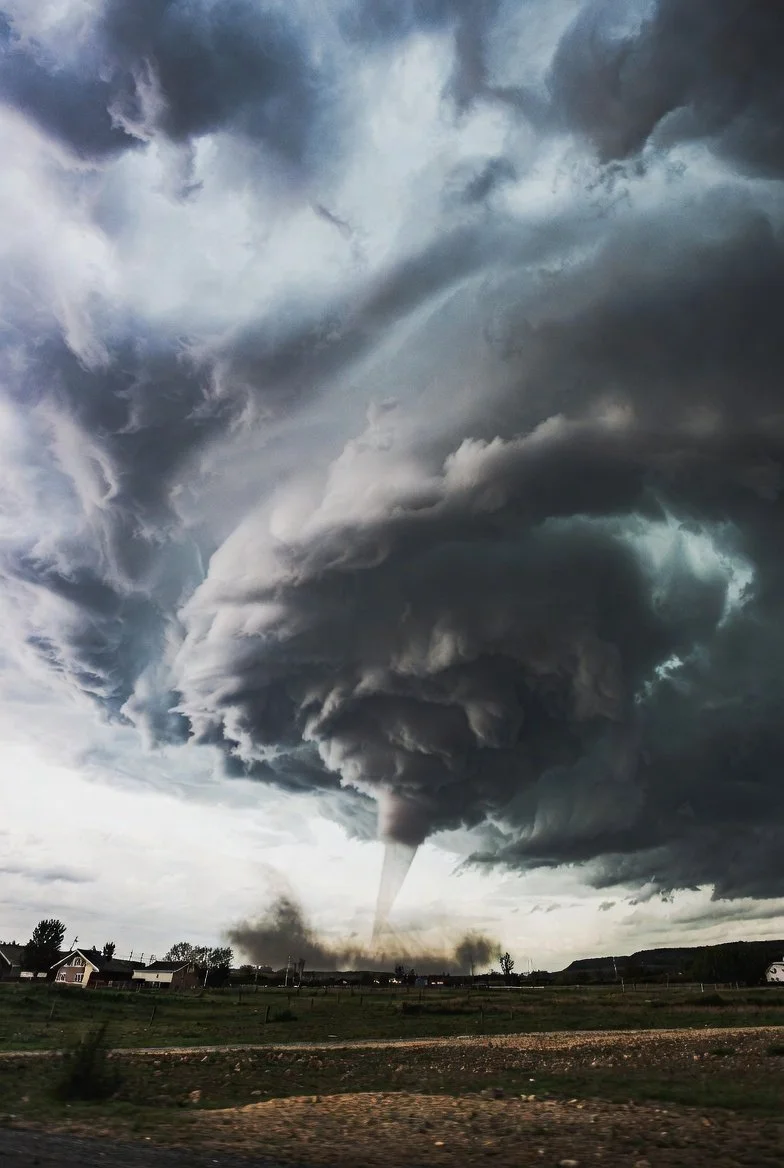
Average Repair Costs for Weather-Related Damage
Repair costs following extreme weather vary by damage extent, location, and home type, with more resilient materials like brick often incurring lower expenses due to reduced severity. National averages for storm damage repairs hover around $12,000-$12,400 in 2025 data, ranging from $2,600-$22,000, influenced by factors such as roof or siding fixes. Breathable systems in brick homes, enhanced by historical mortar washes, minimize moisture traps that escalate costs in floods or freezes.
Building science notes that adhesion principles in mortar compositions prevent delamination, lowering repair needs in wind events. Costs are higher for wood structures prone to total loss in fires or high winds, while concrete's durability often limits damage to superficial levels.
Brick/masonry homes: Average repairs $8,000-$15,000 for wind or hail, lower due to inherent durability; freeze-thaw fixes around $2,000-$5,000 with proper vapor management.
Wood-frame homes: Often $10,000-$20,000+ for storm damage, higher in wildfires or tornadoes due to structural failures; roof repairs $4,000-$8,000 commonly.
Steel-frame homes: $7,000-$14,000 average, benefiting from wind resistance; corrosion repairs $1,000-$3,000 if unprotected.
Modular/prefab homes: Vary $6,000-$12,000, depending on material; precast concrete types closer to $5,000-$10,000 for modular-specific fixes.
Concrete/ICF homes: Typically $5,000-$12,000, with lower frequency; flood or hail repairs $3,000-$7,000 due to robust construction.
Conclusion
Brick homes, informed by historical mortar-wash traditions like German Smear, exemplify architectural resilience through building science principles such as vapor permeability and freeze-thaw resistance, often outperforming alternatives in extreme weather. Comparative analysis reveals that while repair costs average around $12,000 across types, durable masonry and concrete systems tend to incur lower expenses by mitigating damage severity. These insights reinforce the value of breathable, historically grounded methods in creating sustainable structures.
Looking to DIY?
Checkout SmearTech’s Signature White™ Mortar and German Smear Tools.
