

Comparative Construction Costs in Residential Brick Architecture
Brick has been a fundamental building material since ancient times, widely adopted in European architectural traditions for its strength, thermal mass, and ability to withstand environmental stresses. Historical methods emphasized material behavior, such as vapor permeability in mortar joints, which allows structures to breathe and resist moisture accumulation. Understanding construction costs across different home types matters architecturally, as choices in materials and methods affect longevity, climate adaptation, and adherence to building science principles like freeze-thaw resistance.
Key Building Materials in Residential Construction
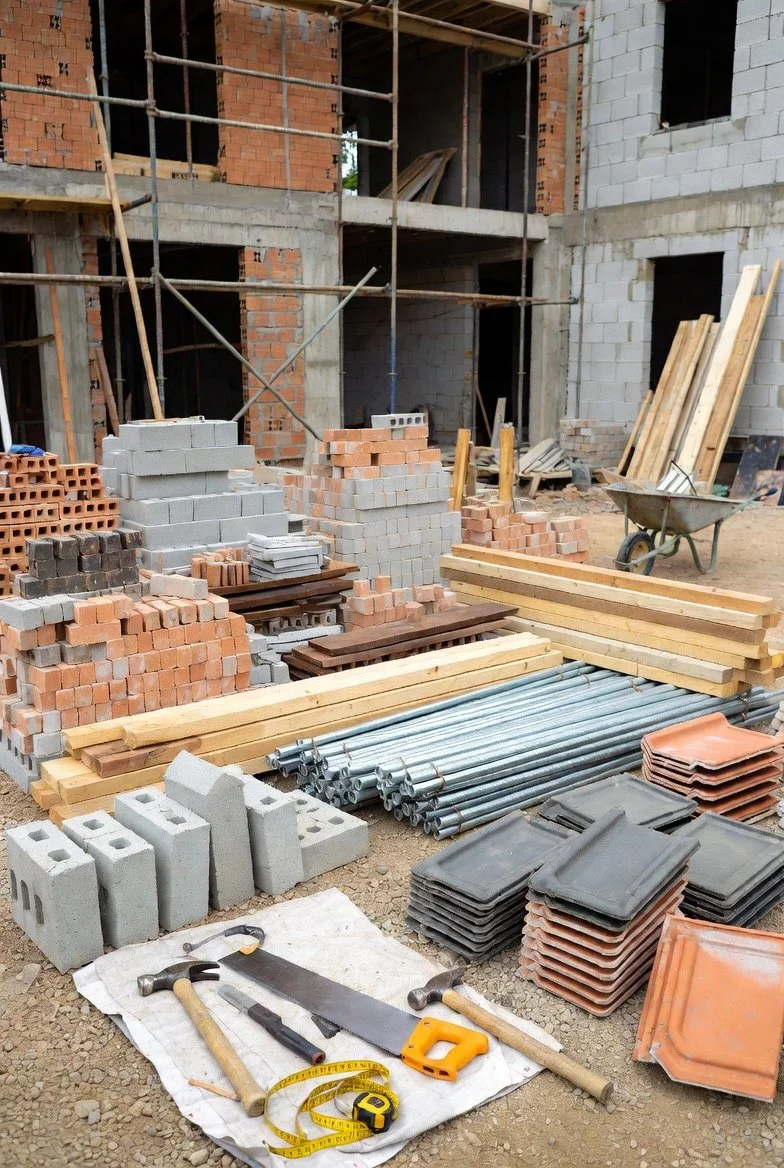
Residential homes utilize a range of materials, each with distinct properties affecting cost, performance, and suitability for various climates. Clay bricks provide excellent thermal mass and durability, while lumber offers flexibility and lighter weight. Concrete, often in forms like insulated concrete forms (ICF), enhances energy efficiency, and steel provides structural strength in specific applications.
Material selection influences adhesion, breathability, and long-term behavior; for instance, porous bricks paired with compatible mortars maintain vapor permeability, distinguishing them from less permeable alternatives like painted surfaces.
Clay bricks: Durable, fire-resistant, with good thermal mass; commonly used in masonry construction.
Lumber and plywood: Lightweight, renewable, but susceptible to pests and moisture in certain climates.
Concrete (poured or blocks): High compressive strength, used in foundations and walls.
Steel framing: Corrosion-resistant when protected, suitable for high-wind areas.
Insulated concrete forms (ICF): Foam forms filled with concrete, offering superior insulation and energy efficiency.
Labor Considerations Across Home Types
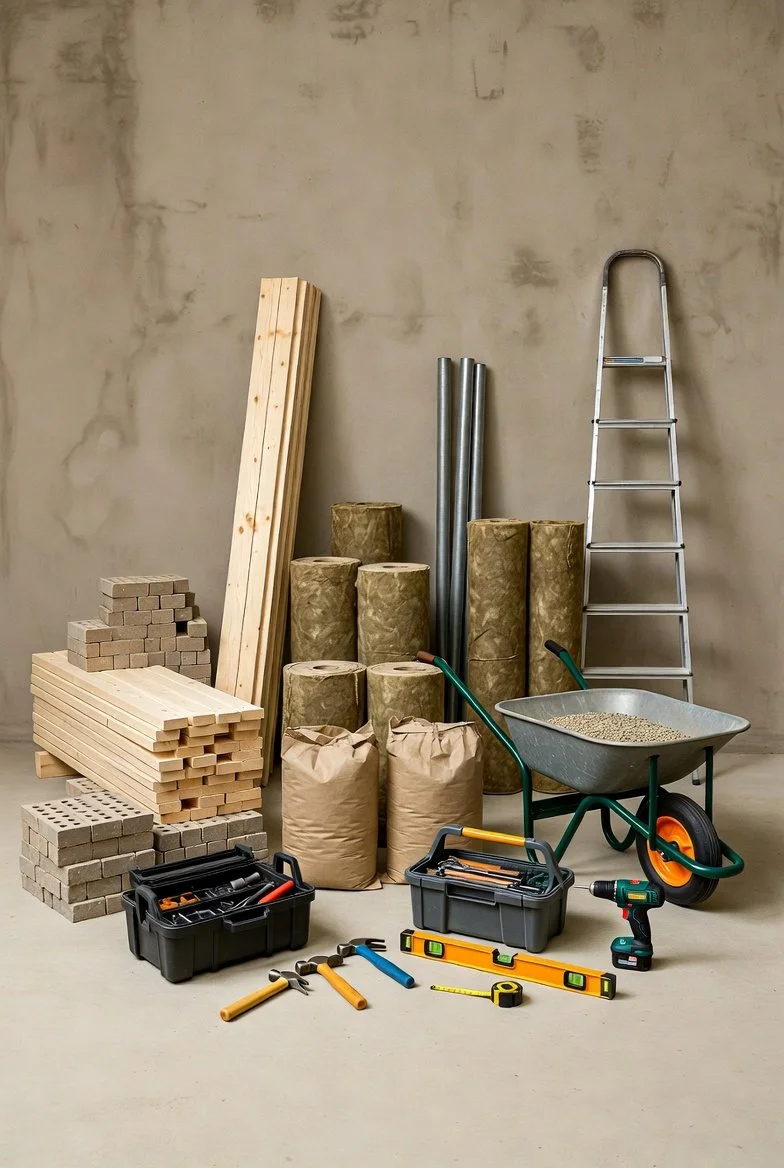
Labor represents a significant portion of construction costs, varying by the complexity of assembly and required expertise. Masonry work demands skilled artisans for precise laying and jointing to ensure structural integrity and weather resistance. In contrast, wood framing allows faster erection with general carpentry skills.
Climate factors, such as freeze-thaw cycles, necessitate careful mortar composition in brickwork to prevent cracking, adding to labor precision.
Masonry/brick homes: Requires specialized masons; higher hours for laying and finishing.
Wood-frame homes: Faster assembly with carpenters; lower skill threshold for basic framing.
Steel-frame homes: Involves welding or bolting; specialized labor for connections.
ICF/concrete homes: Form placement and pouring; moderate specialization.
Modular homes: Factory-based labor shifts much work off-site, reducing on-site hours.
Cost Comparisons by Home Type
Construction costs in 2026 average $150–300 per square foot nationally, influenced by materials, labor, and regional factors. Brick and concrete-based homes often fall at the higher end due to material weight and installation demands, while modular and wood-frame options provide lower upfront expenses.
Building science highlights distinctions: breathable masonry systems outperform sealed alternatives in moisture management, though initial costs reflect labor and material investments.
Wood-frame homes: $150–250 per square foot; affordable materials and quicker build times.
Modular/prefabricated homes: $120–220 per square foot; factory efficiency reduces labor.
Steel-frame homes: $150–300 per square foot; durable but specialized assembly.
Brick/masonry homes: $200–350 per square foot; higher due to material and skilled labor.
ICF/concrete homes: $180–350 per square foot; enhanced insulation offsets some long-term energy costs.
Conclusion
Residential construction costs vary significantly by type, with brick masonry offering historical durability and favorable material behavior in breathability and climate resilience, albeit at higher initial material and labor investments compared to wood-frame or modular methods. These insights from building science and architectural practice underscore the balance between upfront expenses and long-term performance in home design.
Looking to DIY?
Checkout SmearTech’s Signature White™ Mortar and German Smear Tools.
