Understanding Efflorescence in Brick Masonry: Causes, Effects, and Mitigation Through German Smear
Efflorescence is a phenomenon observed in brick and masonry construction where white, crystalline deposits form on exterior surfaces, often resembling frost or powder. Documented in building records as early as the 19th century in European and American architecture, it arises from natural chemical processes involving water and minerals within construction materials. From an architectural standpoint, understanding efflorescence is crucial because it highlights the interplay between material science and environmental factors, influencing the preservation of historic structures and the design of modern ones to ensure long-term stability and visual appeal without compromising breathability.
What is Efflorescence?
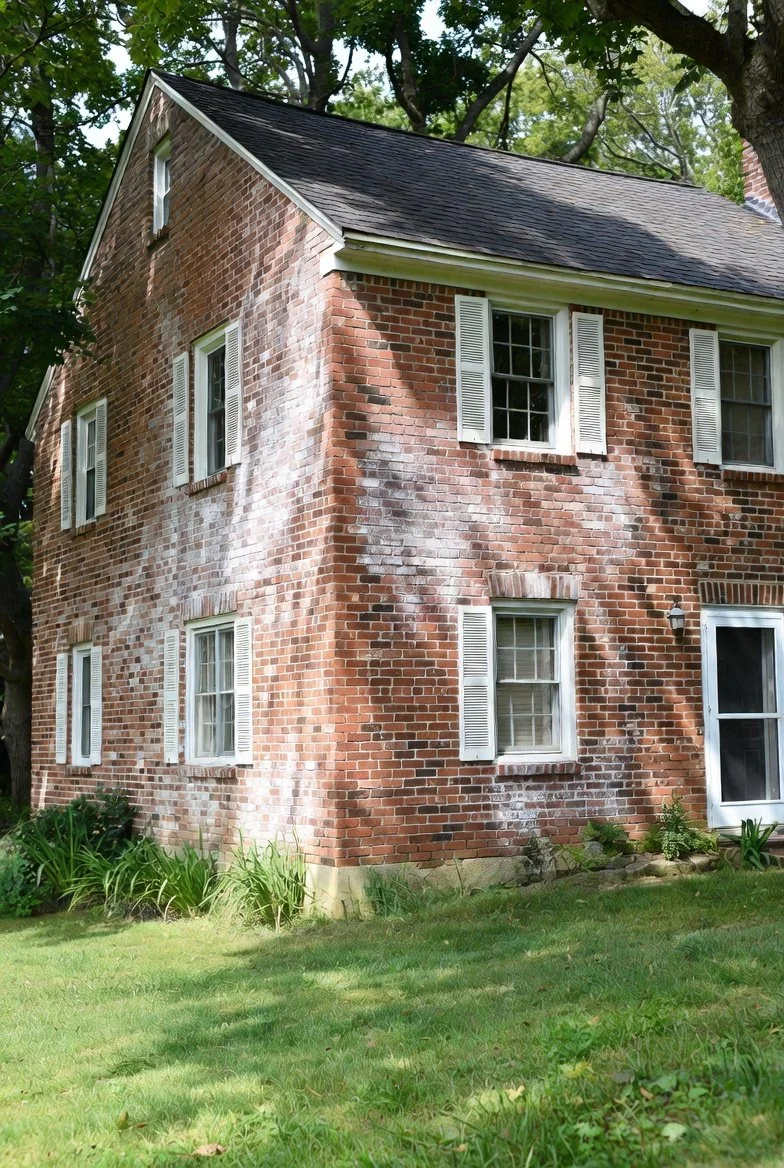
Efflorescence refers to the white, efflorescent salts that crystallize on the surface of porous masonry materials like brick, concrete, or stone. Chemically, these deposits are primarily composed of water-soluble salts such as calcium sulfate, sodium sulfate, potassium sulfate, or carbonates, which originate from the raw materials used in manufacturing bricks or from external sources like groundwater or de-icing agents.
In building science terms, efflorescence is classified as primary when salts come from within the masonry itself during initial curing, or secondary when introduced later through environmental exposure. The deposits are not inherently harmful but indicate underlying moisture movement, which is a key concern in vapor-permeable systems. Historically, efflorescence has been noted in structures from Roman aqueducts to Gothic cathedrals, where lime-based mortars and clay bricks were prevalent, underscoring its persistence in traditional building methods.
How Does Efflorescence Happen?
Efflorescence occurs through a multi-step process driven by capillary action, dissolution, and evaporation, rooted in the principles of physical chemistry and hydrology. Initially, water infiltrates the porous structure of brick, which typically has a pore size distribution ranging from 0.1 to 10 micrometers, allowing capillary suction to draw moisture inward at rates up to several millimeters per hour depending on the material's porosity (often 10-30% in fired clay bricks).
Once inside, water dissolves soluble salts present in the brick, mortar, or surrounding soil. These salts, with solubilities varying—for instance, sodium sulfate at about 16 grams per 100 ml of water at 20°C—form a saline solution. As external conditions change, such as through drying winds or solar heating, the water migrates back to the surface via evaporation gradients. The evaporation rate, influenced by relative humidity and temperature, leaves behind supersaturated solutions where salts precipitate out, forming crystals like thenardite (anhydrous sodium sulfate) or mirabilite (hydrated form), which expand upon hydration cycles.
This process is exacerbated in climates with freeze-thaw cycles or high groundwater tables, where repeated wetting and drying accelerates salt mobilization. Architecturally, in historical contexts like 18th-century European brick facades, poor drainage designs often amplified this, leading to visible patterns aligned with mortar joints.
Can Efflorescence Be Stopped?
Efflorescence cannot be entirely eliminated in all cases due to the inherent porosity of masonry, but it can be significantly mitigated through targeted building science strategies that address moisture sources and material selection. Prevention begins with using low-alkali, low-soluble-salt bricks and mortars, as specified in standards like ASTM C216 for facing bricks, which limit efflorescent potential through controlled manufacturing.
Key approaches include:
Improving site drainage to reduce groundwater contact, such as installing French drains or ensuring positive grading away from foundations.
Applying vapor-permeable sealants or coatings that maintain a water vapor transmission rate (WVTR) above 5 perms, allowing trapped moisture to escape without blocking pores.
Incorporating capillary breaks, like damp-proof courses made from polyethylene or bituminous materials, to interrupt water rise.
During construction, protecting materials from rain to minimize initial salt dissolution.
In historical restorations, methods documented in 19th-century treatises emphasize natural ventilation and lime-based repointing to enhance breathability, reducing internal pressure that drives salt migration. However, in humid or coastal climates, ongoing maintenance is required, as complete stoppage may not be feasible without altering the material's natural properties.
How Does Efflorescence Damage Brick?
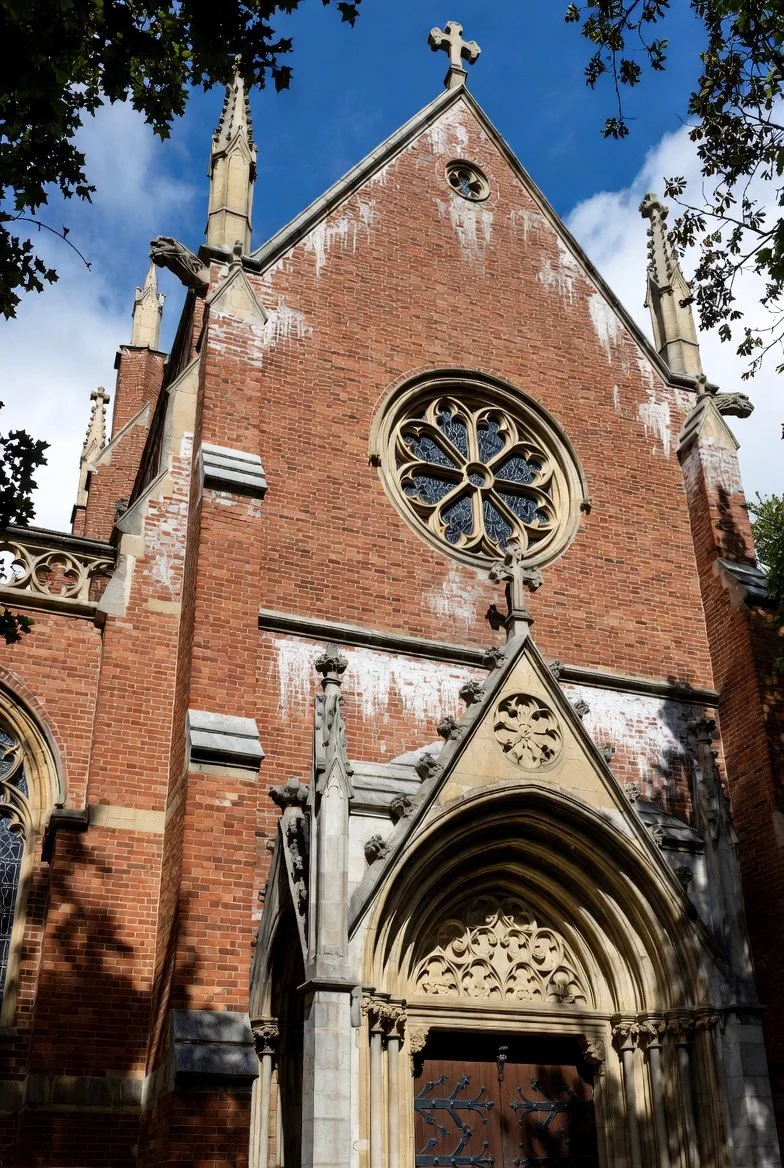
While primarily an aesthetic issue, efflorescence can lead to structural damage through repeated crystallization cycles that exert mechanical stress on brick microstructures. The key mechanism is crypto-efflorescence, where salts crystallize within the pores rather than on the surface, generating expansive pressures up to 100 MPa—far exceeding the compressive strength of many bricks (typically 10-20 MPa for common clay varieties).
This internal pressure causes spalling, where surface layers flake off, or delamination, reducing the brick's integrity over time. In freeze-thaw environments, hydrated salts like mirabilite expand by about 300% in volume during phase changes, amplifying cracking. Material behavior studies show that bricks with higher porosity are more susceptible, as they provide more space for salt accumulation, leading to accelerated weathering.
Historically, this damage has been observed in unprotected brickwork from industrial-era buildings in polluted areas, where acid rain introduced additional sulfates, hastening deterioration. Climate considerations are vital; in arid regions, damage is minimal, but in temperate zones with high rainfall, it can shorten a structure's lifespan by decades if unchecked.
How Does German Smear Protect Against Efflorescence?
German Smear, a traditional mortar-wash technique originating from Central European building practices documented as early as the 16th century, involves applying a thin layer of lime-based mortar over brick surfaces to create a textured, aged appearance while enhancing protective qualities. Scientifically, it protects against efflorescence by acting as a sacrificial barrier that absorbs and redistributes moisture, leveraging the high vapor permeability of lime mortar (often exceeding 10 perms) to allow water vapor to escape without trapping liquids.
The mortar's composition—typically a mix of hydrated lime, sand, and water—promotes breathability, preventing the buildup of internal hydrostatic pressure that drives salt migration. By filling surface pores partially, it reduces capillary suction rates, limiting water ingress while the alkaline nature of lime (pH around 12) can neutralize some acidic salts, inhibiting crystallization. In contrast to impermeable paints, which trap moisture and exacerbate issues, German Smear maintains the brick's natural equilibrium, as evidenced in preserved historical facades like those in German timber-frame houses.
Climate-wise, in regions with variable humidity, this method supports freeze-thaw resistance by allowing salts to effloresce on the smear layer rather than within the brick, where they can be gently brushed off without damage. Distinguishing it from limewash (thinner and more translucent) or whitewash (chalk-based and less durable), German Smear's thicker application provides longer-term adhesion through mechanical interlocking and chemical bonding, rooted in traditional masonry principles.
Conclusion
Efflorescence underscores the importance of moisture management in brick masonry, revealing how soluble salts and environmental interactions can compromise both appearance and durability. Through scientific insights into its formation and effects, builders can adopt preventive measures that honor historical techniques. German Smear exemplifies a balanced approach, offering protection via breathable, traditional materials that align with architectural conservation goals.
Looking to DIY?
Checkout SmearTech’s Signature White™ Mortar and German Smear Tools.