

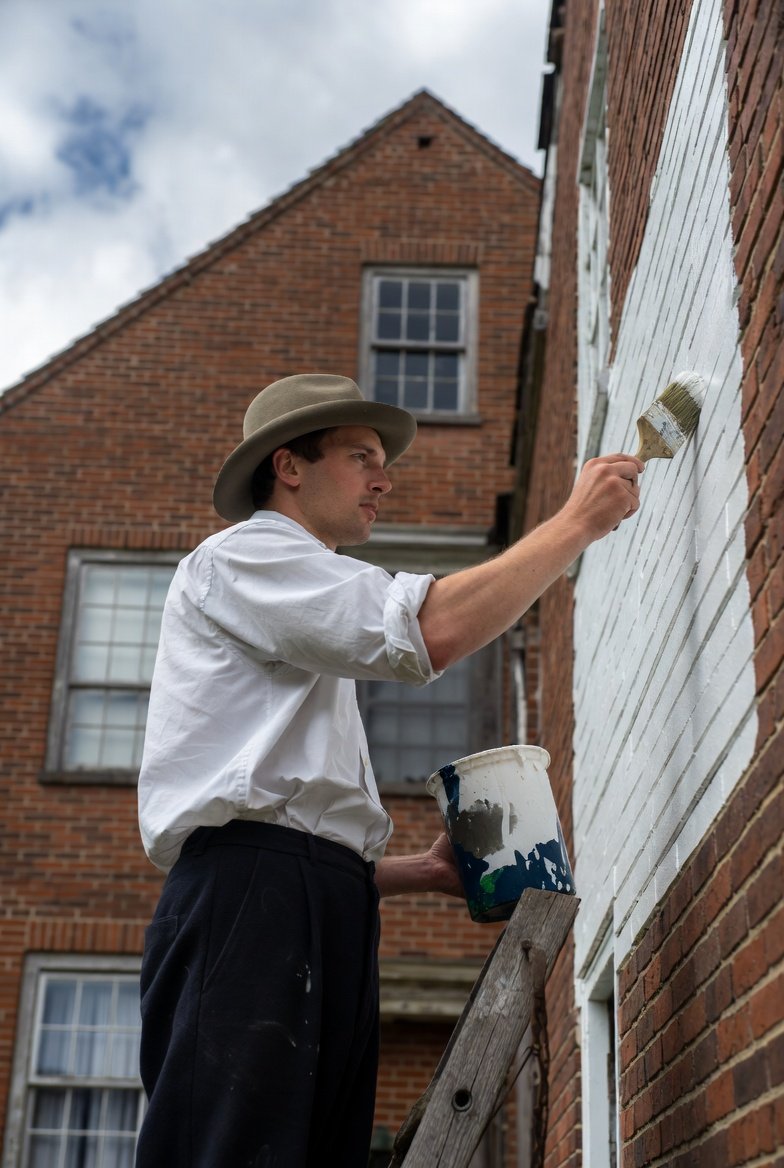
The Origins of Painting Brick Houses
Painting brick houses emerged as a practical response to the limitations of early brick materials, providing protection against weathering while allowing for aesthetic enhancements. This tradition reflects broader shifts in architectural practices, influenced by material science and cultural preferences over centuries. By examining its historical development, we gain a deeper appreciation for how building treatments have evolved to balance durability and design.
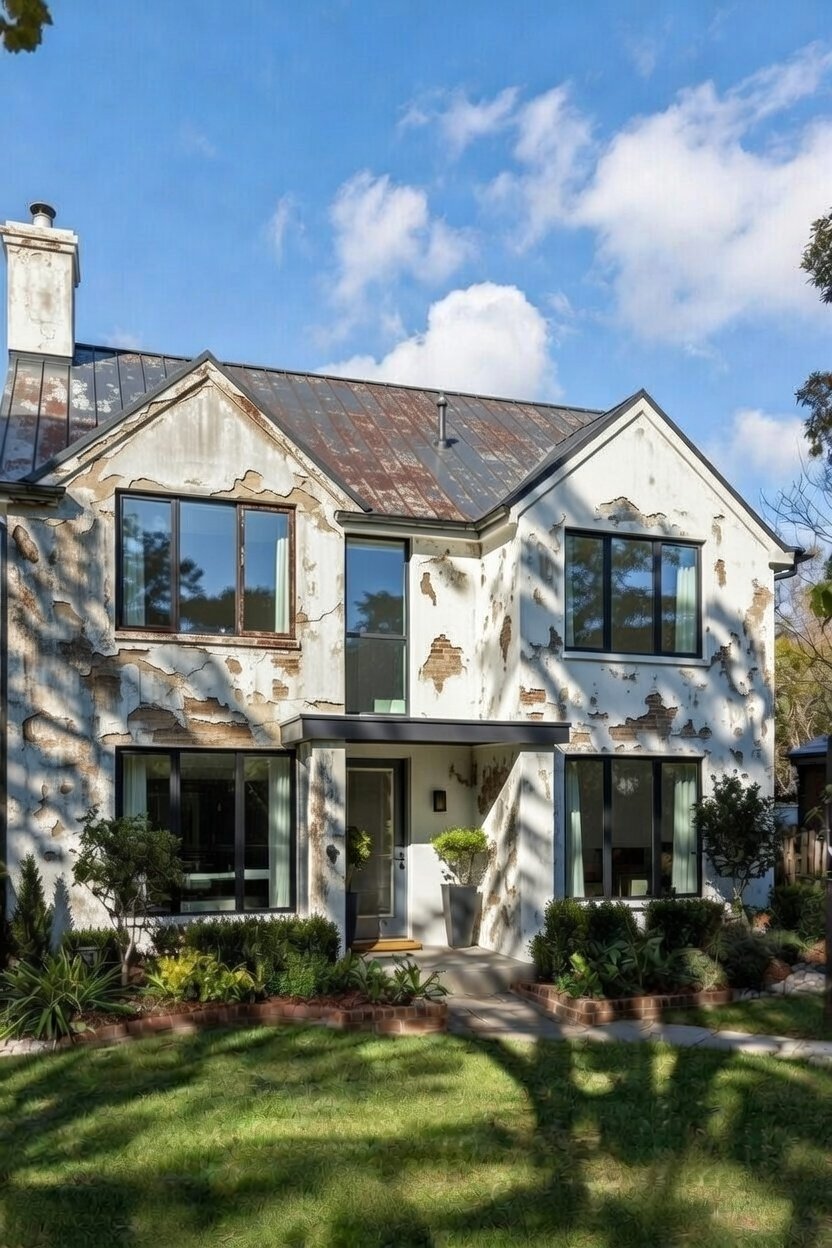
The Destructive Effects of Paint on Brick Homes and Breathable Alternatives
The application of impermeable paints to brick exteriors has led to widespread deterioration in masonry structures over time, particularly in regions with variable climates. While exact numbers of affected homes are not comprehensively documented, building preservation reports highlight numerous cases where paint-induced moisture damage has necessitated extensive repairs. Breathable methods rooted in European traditions, such as German Smear and limewash, offer ways to modify brick appearances without compromising structural integrity.

The Durability Disparity: Why Paint Peels from Brick Far Sooner Than German Smear Lasts
Paint applied to brick often begins to peel, crack, or blister within 5 to 15 years, depending on climate and application quality, while German Smear—a thin mortar wash—typically endures for decades or permanently with minimal degradation. This difference stems primarily from breathability and bonding mechanisms: non-breathable paints trap moisture behind the film, leading to mechanical failure, whereas German Smear maintains vapor permeability and forms a strong mechanical and chemical integration with the substrate. German Smear cannot be applied over painted brick due to poor adhesion on sealed surfaces.