

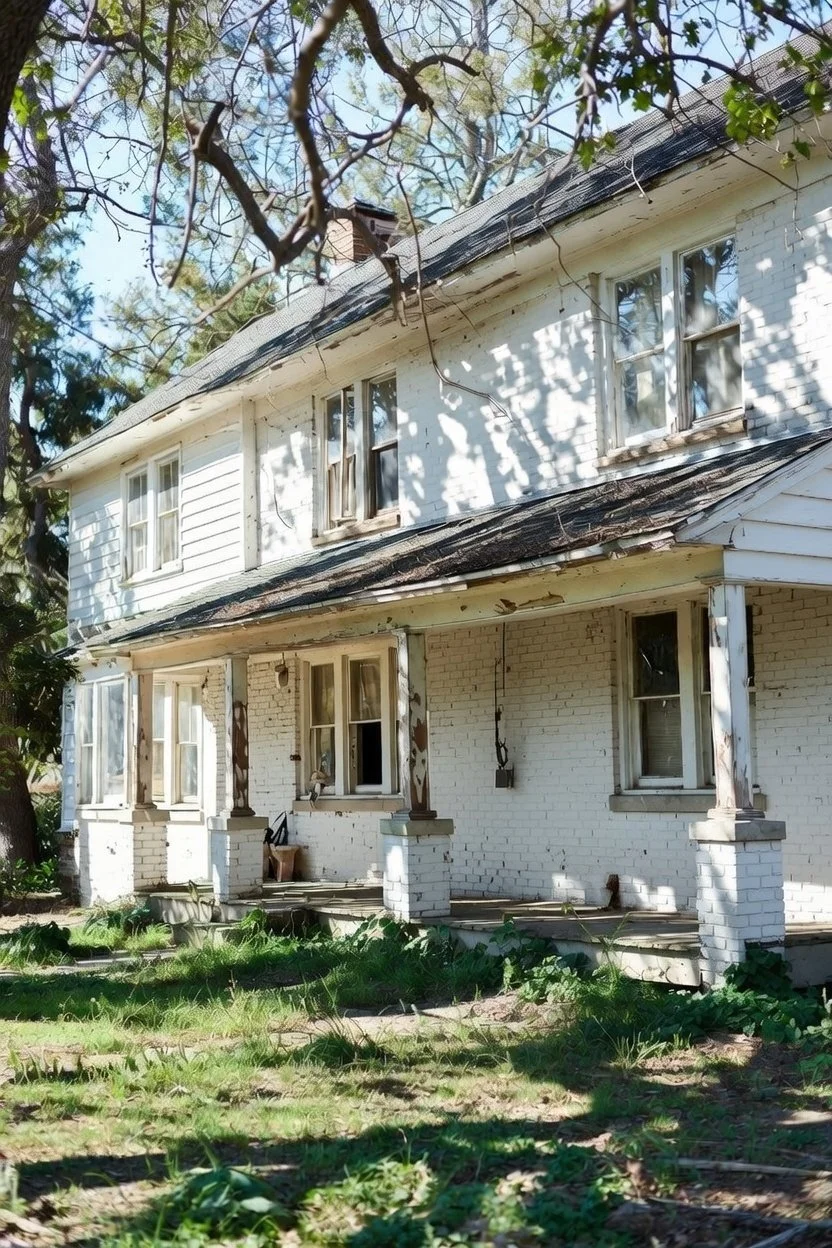
The Impact of Paint on Brick: Challenges for Applying Alternative Finishes Like German Smear or Limewash
Paint applied to brick creates a non-porous film that significantly reduces the surface's ability to accept breathable, vapor-permeable treatments such as German Smear or limewash. This often leaves homeowners with the ongoing requirement to repaint periodically, as alternatives cannot adhere properly without complete paint removal. Paint removal from brick is a labor-intensive and costly process that typically involves chemical strippers, mechanical methods, or both, highlighting the long-term implications of initial painting decisions on historic or traditional masonry.
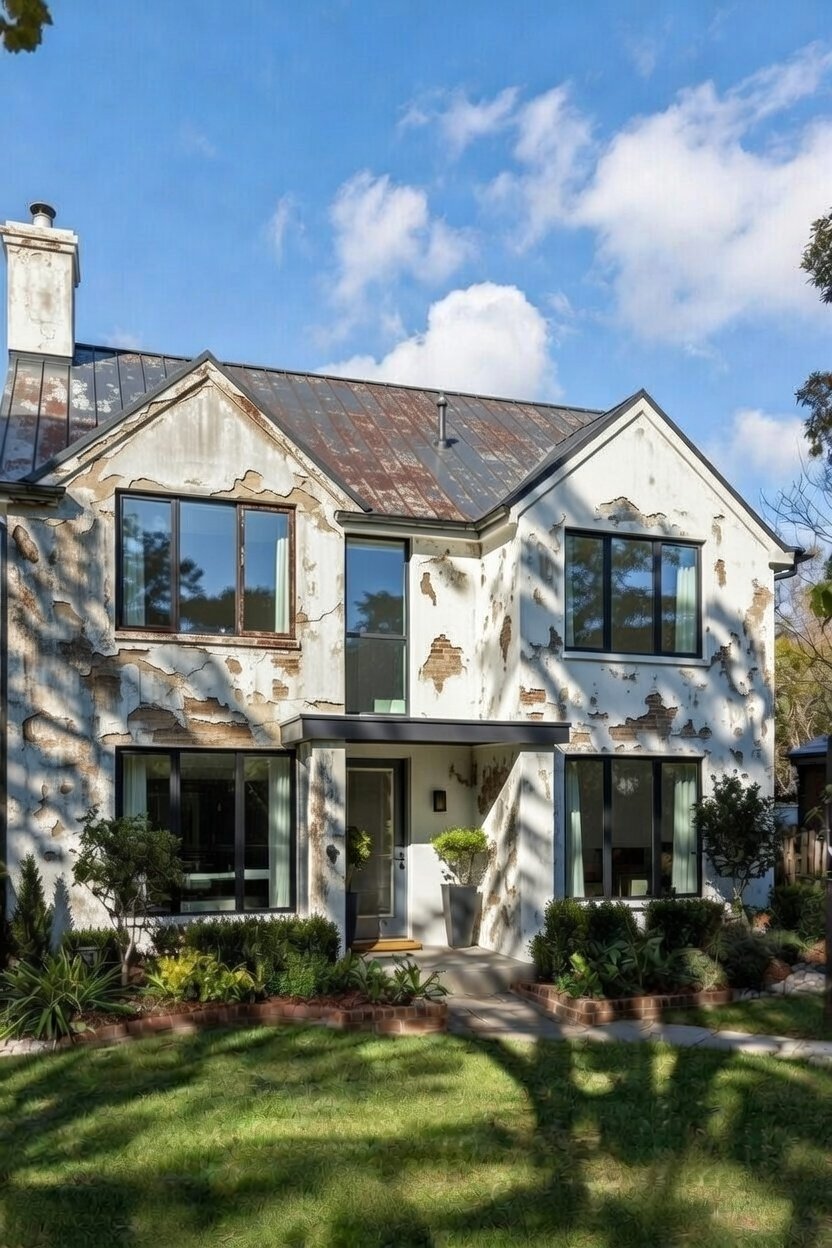
The Destructive Effects of Paint on Brick Homes and Breathable Alternatives
The application of impermeable paints to brick exteriors has led to widespread deterioration in masonry structures over time, particularly in regions with variable climates. While exact numbers of affected homes are not comprehensively documented, building preservation reports highlight numerous cases where paint-induced moisture damage has necessitated extensive repairs. Breathable methods rooted in European traditions, such as German Smear and limewash, offer ways to modify brick appearances without compromising structural integrity.