The Dangers of Mortar in German Smear
German Smear, a historical brick finishing technique originating from European masonry traditions, involves applying a thin layer of mortar to brick surfaces for aesthetic and protective purposes. This method, also known as mortar wash or Schmear, draws from centuries-old practices in regions like Germany where lime-based mortars were used to enhance durability and appearance. While effective for architectural conservation, the caustic nature of mortar introduces significant safety concerns, making it essential to explore these risks educationally to promote informed handling in restoration projects.
The Caustic Nature of Mortar: Chemical Composition and Risks
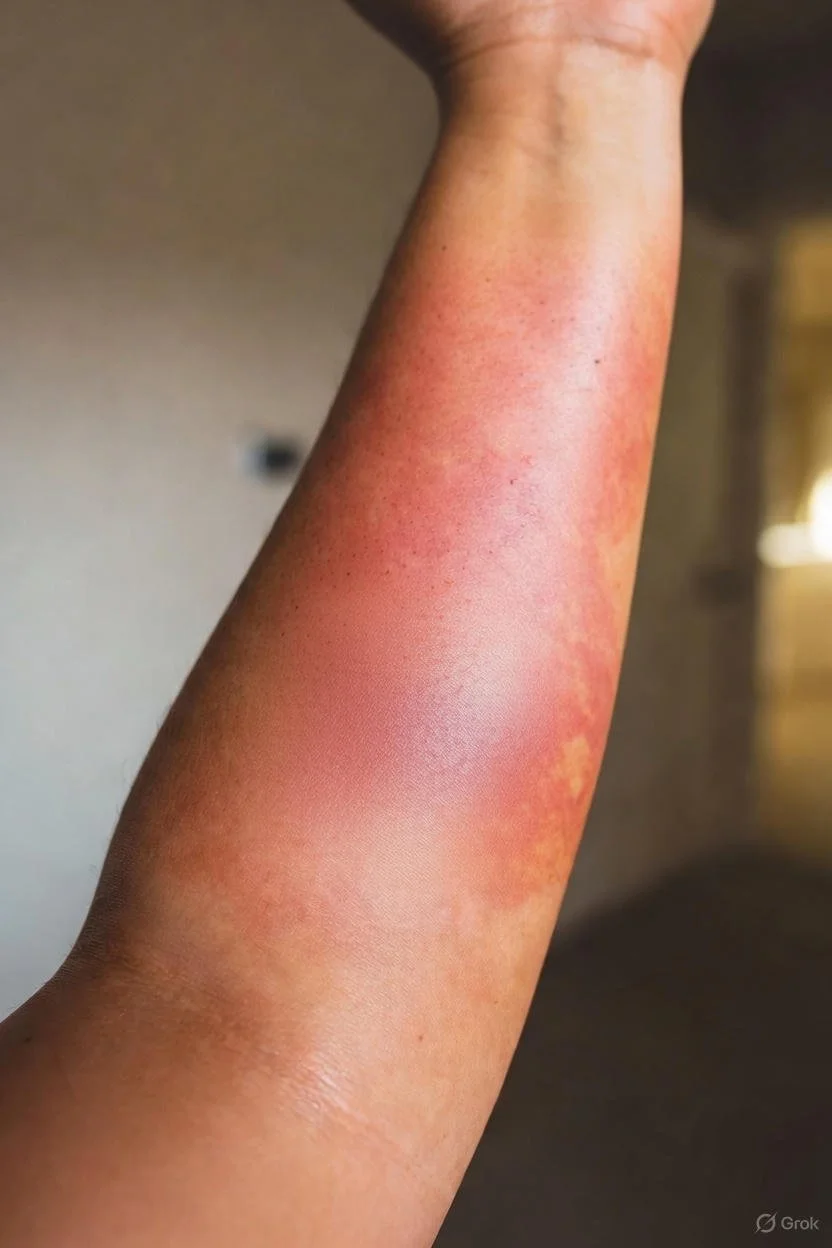
Mortar, particularly in German Smear applications, typically consists of Portland cement, lime, sand, and water, creating a highly alkaline mixture with a pH often ranging from 12 to 13. This alkalinity stems from calcium hydroxide in hydrated lime or cement, which reacts with water to form a caustic solution capable of causing chemical burns upon contact.
The dangers arise from mortar's ability to saponify fats in human skin, leading to tissue damage similar to that caused by strong bases. Prolonged exposure can result in severe dermatitis, blistering, or even third-degree burns if not promptly addressed. Historical records from 19th-century European building practices document cases where masons suffered skin irritations from lime mortars, underscoring the long-recognized hazards in architectural work.
In terms of building science, mortar's causticity is exacerbated by its vapor permeability, which allows moisture to carry alkaline particles into the air, potentially irritating respiratory tracts. Inhalation of dried mortar dust can lead to conditions like silicosis if silica-rich sands are involved, though this is more chronic than acute. Eye contact poses immediate threats, as the alkaline solution can cause corneal burns, leading to vision impairment if not flushed immediately.
Skin Contact Risks: Direct exposure dissolves natural skin oils, causing dryness, cracking, and burns; severity increases with wet mortar due to prolonged chemical reaction.
Eye Exposure Dangers: Alkaline particles can penetrate the eye's surface, leading to inflammation, ulceration, or permanent damage without intervention.
Respiratory Hazards: Airborne dust from mixing or drying mortar irritates mucous membranes, potentially causing coughing, throat irritation, or long-term lung issues.
Ingestion Threats: Accidental swallowing, though rare, can burn the esophagus and stomach lining due to the high pH.
These risks are not speculative but grounded in material science principles, where the exothermic hydration process of cement further amplifies heat-related burns in fresh mixes.
Importance of Personal Protective Equipment (PPE) in Mortar Handling
Personal protective equipment serves as a critical barrier against mortar's caustic effects, aligning with established safety protocols in architectural and masonry fields. Documented as early as the early 20th century in industrial hygiene guidelines, PPE usage mitigates direct contact, reducing injury incidence in techniques like German Smear.
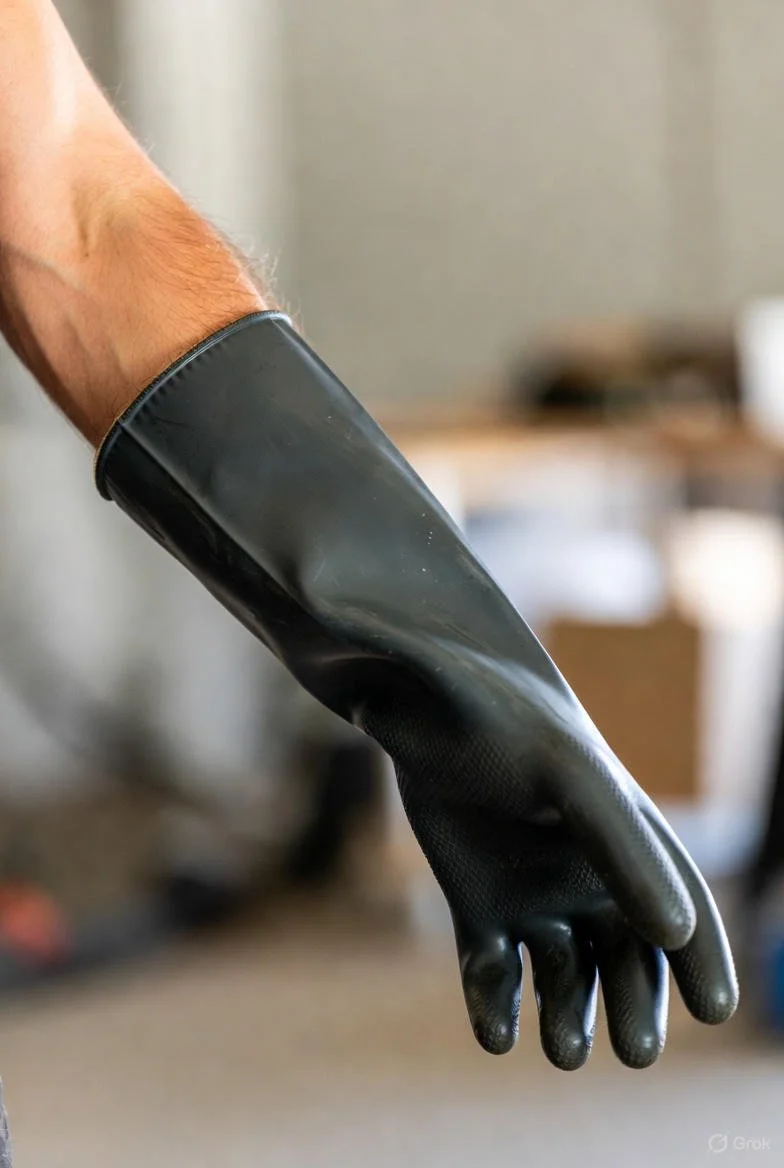
From a building-science perspective, PPE addresses mortar's permeable and reactive properties by preventing absorption through skin or inhalation. Gloves made of nitrile or rubber, rather than cloth, resist alkaline penetration, while safety goggles with side shields protect eyes from splashes. Respirators, such as N95 masks, filter out fine particles, especially in poorly ventilated spaces where vapor accumulation is a concern.
Climate considerations also influence PPE needs; in humid environments, mortar remains wet longer, increasing slip and splash risks, whereas dry climates accelerate dust formation. Historical masonry texts from the Renaissance era highlight rudimentary protections like leather aprons, evolving into modern standards that emphasize comprehensive coverage.
Gloves: Impermeable materials prevent chemical absorption and reduce burn risks.
Eye Protection: Sealed goggles shield against splatters and dust.
Respiratory Gear: Masks filter alkaline particles to avoid lung irritation.
Protective Clothing: Long-sleeved shirts, pants, and boots limit skin exposure.
Additional Measures: Barrier creams and immediate access to washing stations enhance safety.
Adhering to these protects against both immediate and cumulative effects, ensuring safer application in historical brick treatments.
Mortar Consistency in German Smear and Increased Injury Risks
In German Smear, mortar is diluted to a slurry-like consistency—thinner than traditional masonry mixes—to achieve the smeared, aged appearance reminiscent of Old World European architecture. This fluidity, often akin to pancake batter, allows for easy spreading but inherently makes it prone to dripping, splattering, and airborne dispersal, thereby elevating exposure to its caustic elements.
Building science explains this through viscosity principles: lower viscosity reduces surface tension, causing the mixture to spread uncontrollably during application with tools like trowels or brushes. Historical applications in regions with variable climates, such as central Europe, noted how thinner mortars adapted to porous bricks but complicated handling, leading to unintended contact.
This consistency increases injury chances by allowing mortar to reach unprotected areas, such as faces or clothing, during overhead work or windy conditions. In architectural conservation, where German Smear is applied to vertical surfaces, gravity exacerbates runoff, potentially causing widespread contamination.
Splatter Potential: Thin mortar easily aerosolizes during mixing or application, increasing eye and skin contact.
Drip and Runoff: Fluidity leads to unintended drips, heightening exposure on lower body parts.
Airborne Spread: Agitation creates mists that can be inhaled or settle on surfaces.
Cleanup Challenges: Residue spreads during rinsing, prolonging contact if not managed properly.
Environmental Factors: Wind or uneven surfaces amplify dispersion, common in outdoor historical restorations.
Understanding these dynamics highlights the need for controlled mixing and application to minimize risks.
Conclusion
The caustic nature of mortar in German Smear underscores the importance of recognizing its alkaline risks to skin, eyes, and respiratory health, rooted in verifiable building-science principles. Emphasizing PPE usage provides essential protection, while awareness of the method's fluid consistency reveals how it amplifies exposure potential. These insights contribute to safer practices in preserving historical brick treatments, maintaining their architectural value without compromising well-being.
Looking to DIY?
Checkout SmearTech’s Signature White™ Mortar and German Smear Tools.