

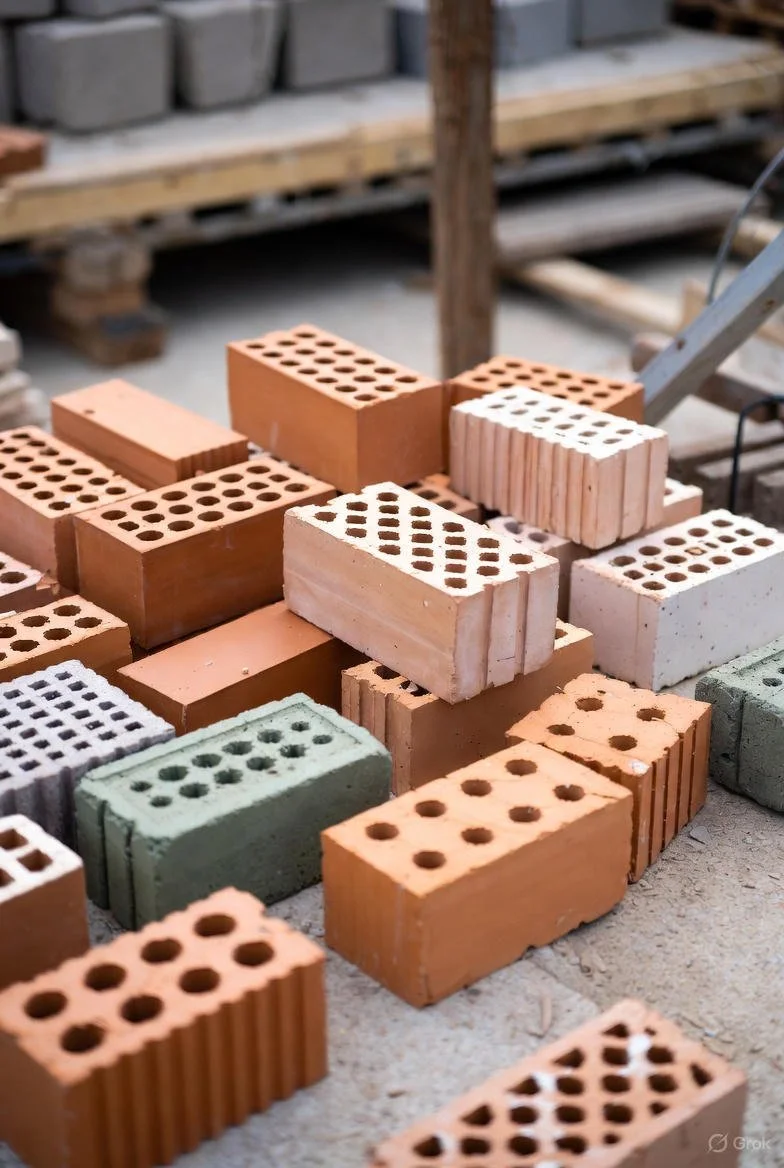
Characteristics of Fired Clay Bricks: Dark Marks and Perforations
Many fired clay bricks exhibit dark marks or spots on their surfaces, resulting from chemical changes during the kiln firing process. These features reflect the material composition of the clay and atmospheric conditions in the kiln. Similarly, perforations or indentations in bricks serve practical purposes rooted in manufacturing efficiency and structural performance, allowing for uniform firing and improved bonding in masonry construction.
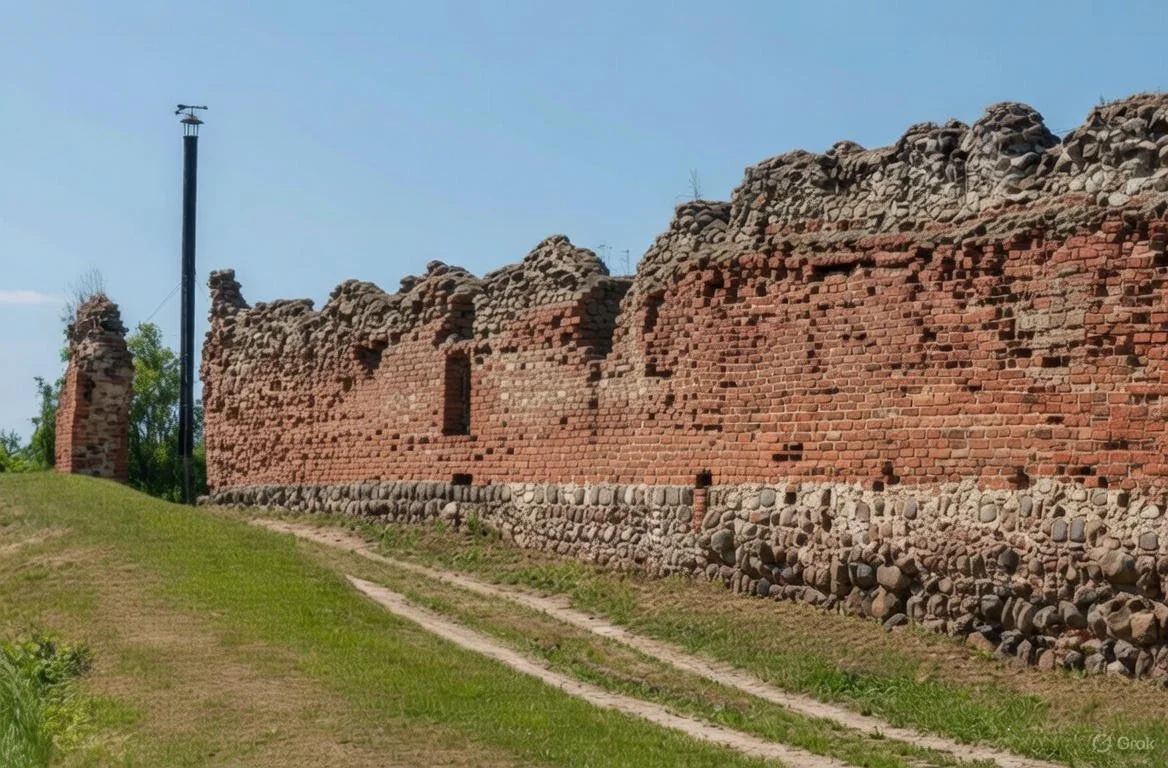
Height Limitations in Historical Brick Structures Versus Modern Possibilities
Historical load-bearing brick buildings were constrained by material variability and compressive limits, requiring massive base walls for modest heights. The tallest unreinforced brick skyscraper reached only 215 feet with walls up to 6 feet thick at the base. Modern advancements, including reinforcement and engineered masonry, allow taller structures with thinner walls, while thin brick veneers enable brick aesthetics on much taller framed buildings.
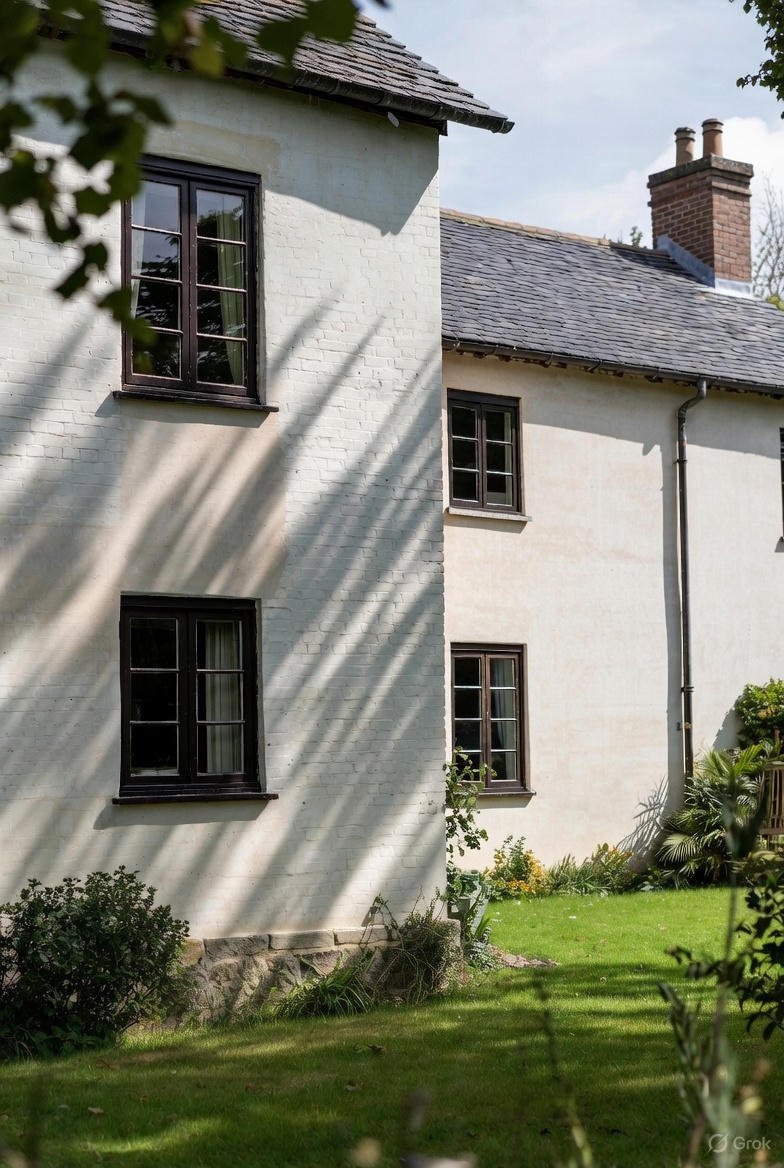
Why Is My Brick House So Hot?
Many homeowners with brick houses notice excessive indoor heat during warmer months, often due to the material's inherent properties. Brick's color and thermal mass play significant roles in absorbing and retaining solar energy, leading to higher temperatures inside. Understanding these factors, along with potential solutions like insulation and exterior coatings, can provide insights into managing heat in traditional brick structures.
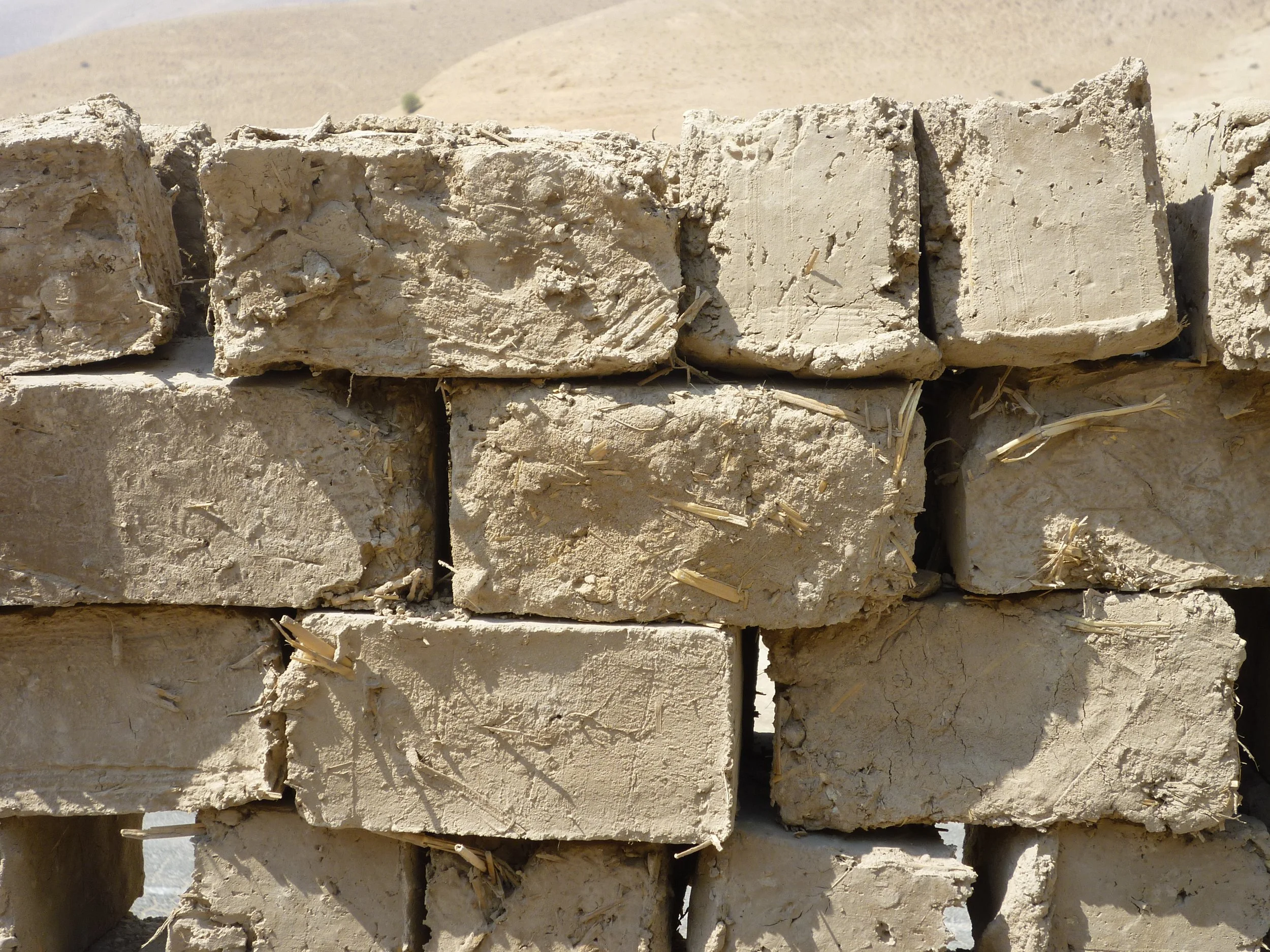
Materials Used in Brick Production: Historical and Modern Perspectives
Bricks have been fundamental to architecture for millennia, primarily crafted from natural clays that are shaped and either air-dried or fired. Traditional fired bricks rely on aluminosilicate-rich clays, often blended with sand or additives for workability and strength. Modern variations include non-clay alternatives like concrete, fly ash composites, and calcium silicate, each offering distinct material behaviors suited to specific climatic and structural demands.
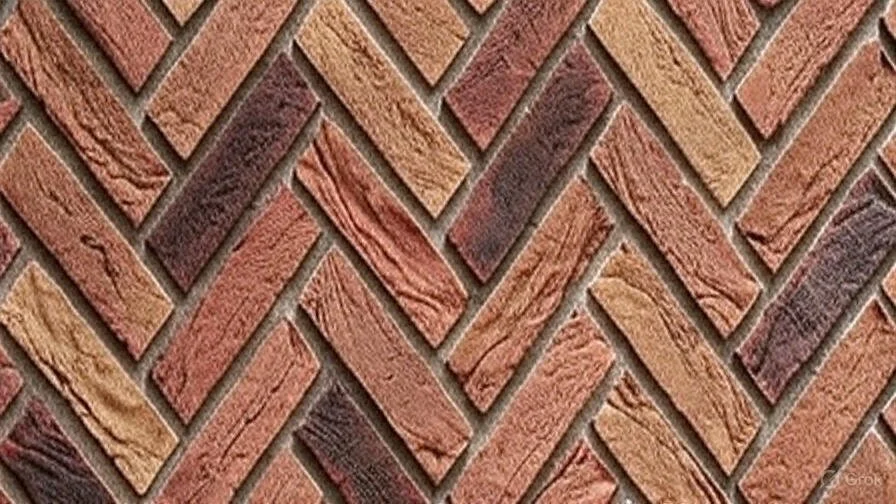
Common Historical and Modern Brick Bond Patterns: An Educational Overview
Brick bonds are the systematic patterns in which bricks are laid to create structural stability, visual rhythm, and regional character in masonry walls. Far from merely decorative, each bond distributes loads differently, manages moisture, and reflects the tools, labor traditions, and material availability of its time and place. Understanding these patterns helps explain why certain bonds dominated specific eras and climates across Europe and North America.
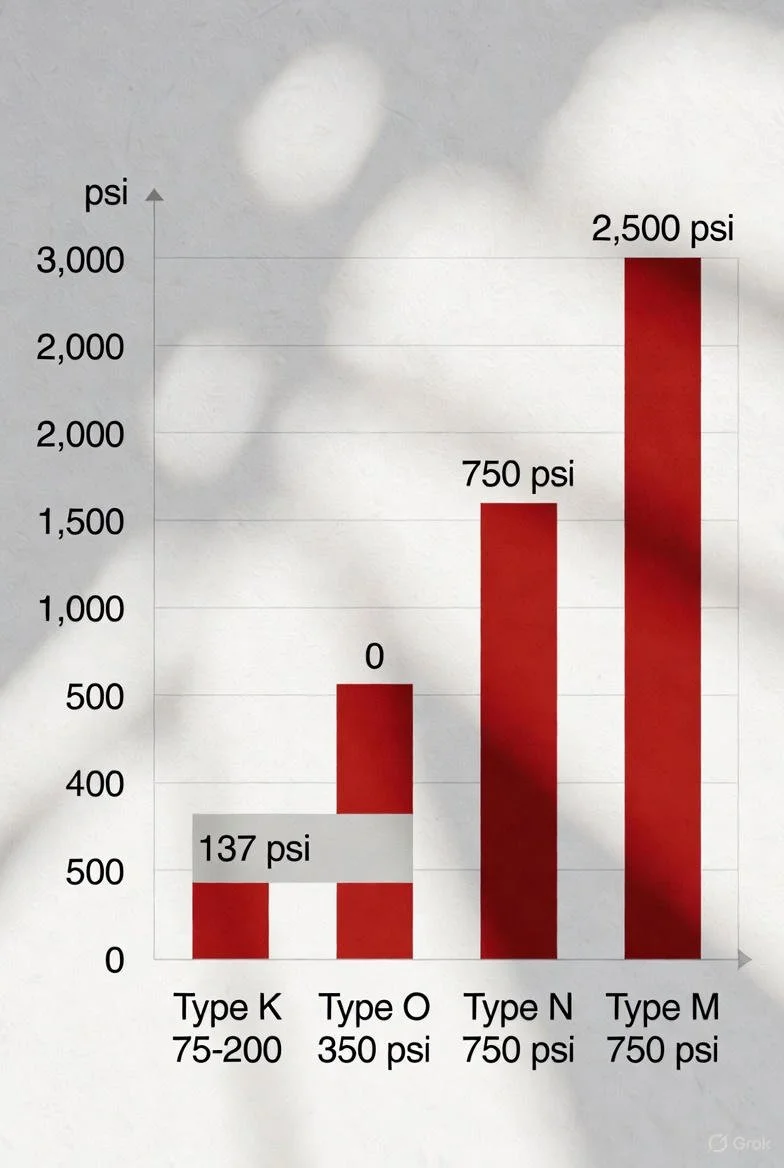
Mortar Strength Categories in Historical and Contemporary Masonry
Mortar strength profoundly influences how masonry walls manage movement, moisture, and long-term durability. Traditional European construction used extremely weak lime mortars, whereas modern practice favors much stronger Portland cement mixes. Selecting the correct strength is fundamental to successful restoration and compatible new construction.
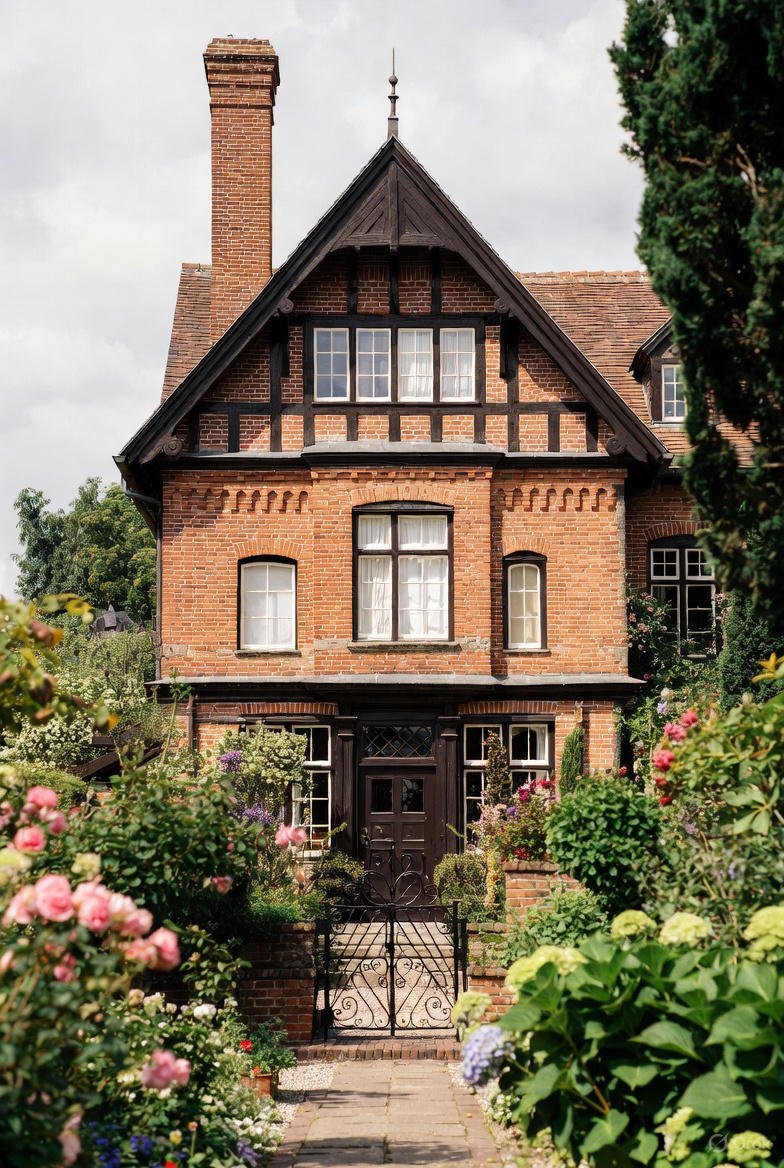
Why Fired Clay Brick Has Been Used for Centuries To Build Homes
Fired clay brick has remained a primary building material for over 5,000 years because it combines compressive strength, resistance to fire and biological attack, dimensional stability, and—when paired with lime mortar—excellent vapor permeability. Structures from Mesopotamia (3500 BCE) to medieval Europe and colonial America continue to stand and function with minimal intervention, demonstrating that brick’s longevity is not coincidental but the direct result of verifiable material properties and compatible jointing systems.
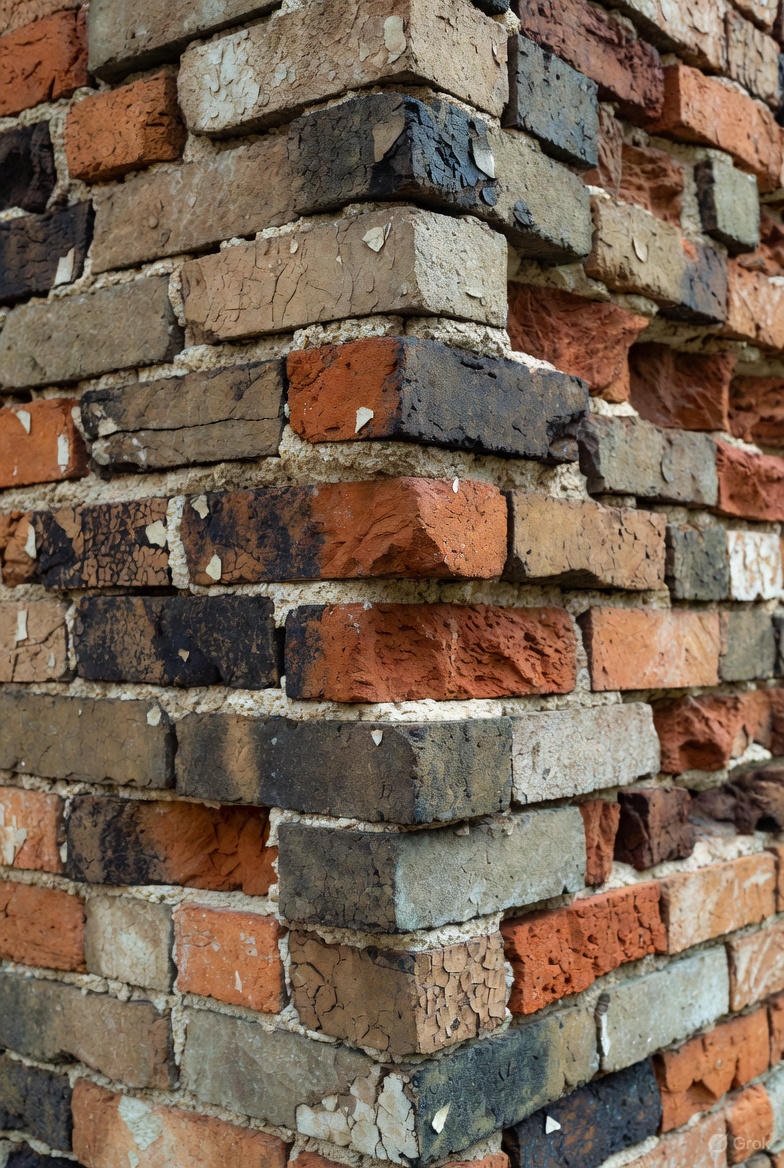
When Brick Traps Moisture: The Silent Killer Lurking in Your Walls
You spot a damp patch on the basement wall or white streaks bleeding down the facade—your brick is crying uncle. Trapped moisture doesn’t just stain; it shatters faces, dissolves mortar, breeds mold, and quietly inflates repair bills into five figures. In 2025, the Brick Industry Association and Angi’s masonry dataset tag moisture damage as the #1 failure mode for brick homes. Below, we map the destruction timeline, slap real price tags on each stage, and—crucially—expose how painting and limewashing can accelerate the nightmare if done wrong. Let’s arm you with facts so your brick breathes, not breaks.
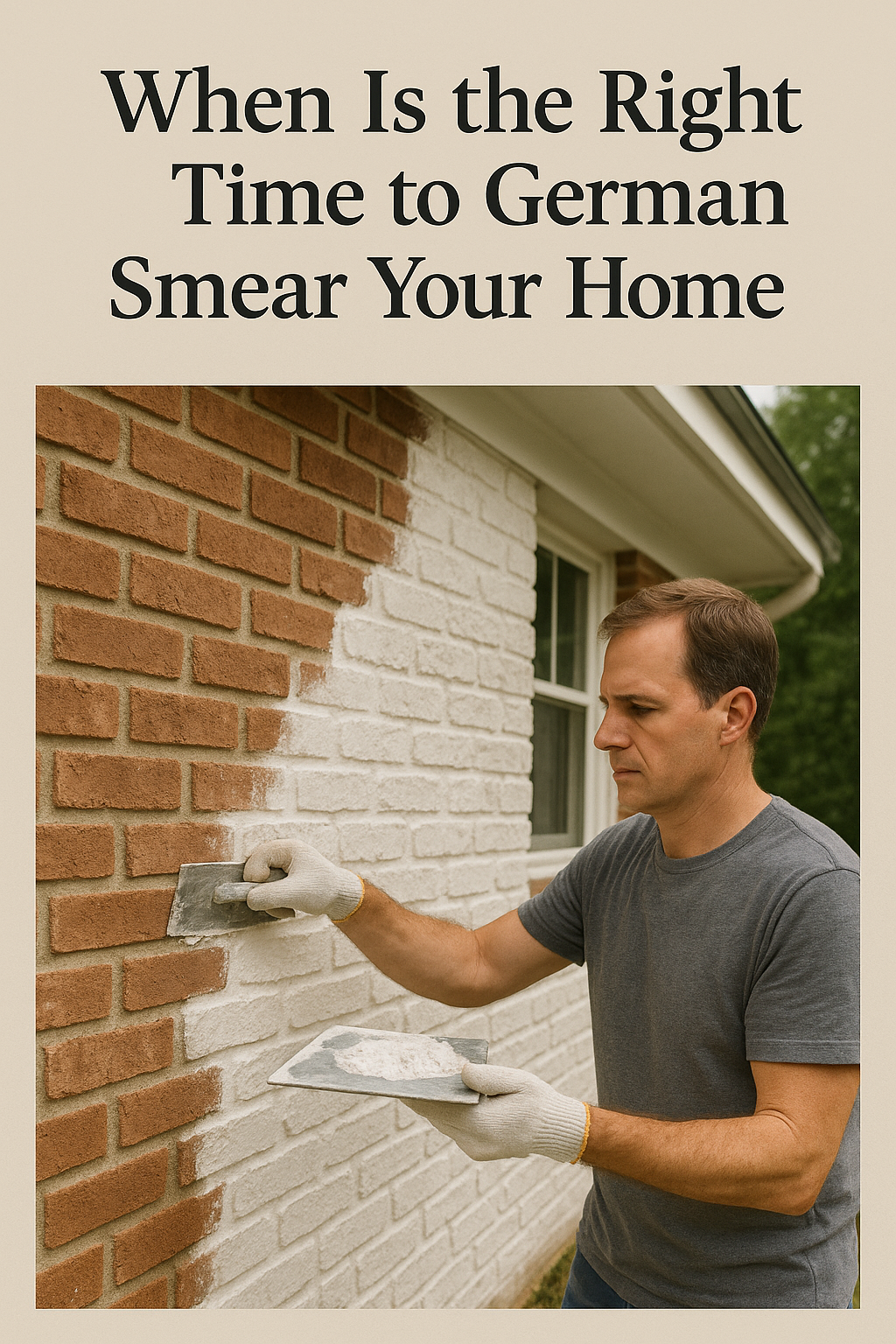
When Is the Right Time to German Smear Your Home?
Choosing the perfect moment to apply German Smear to your home is key to a stunning, lasting result. Aim for spring or fall when temperatures hover between 50°F and 80°F, humidity is low, and rain is scarce—early fall, like September, often fits the bill. Ensure your brick is in top shape, free of cracks or old paint, and plan during a quieter season to secure skilled masons. Contrary to DIY myths, this isn’t a cheap fix, and larger projects demand professional expertise for a flawless finish.

The Big Brick Finish Showdown: German Smear, Limewash, or White Wash?
Not sure if you should German Smear, Limewash, or White Wash your brick? This side-by-side comparison will help you pick the perfect brick finish for your next transformation.

German Smear and What It’s Often Confused With: Differences and Similarities Explained
Confused about German Smear, whitewashing, and limewashing? Here’s how these popular brick finishing techniques differ—and what makes each one unique!