


Why Painting Your Brick Is a Mistake—and How German Smear Is the Smarter Choice
Tired of your home’s dated brick exterior and thinking about slapping on a fresh coat of paint? Hold that thought—painting your brick could lead to costly issues down the road.

Choosing the Right Finish for Your Brick: Limewash vs. German Smear
Ever stared at your home's brick exterior and thought, "This could use a refresh that boosts curb appeal without sacrificing functionality?" You're not alone—many homeowners are exploring timeless techniques to elevate their spaces. Enter limewash and German Smear, two popular options that give brick that charming, aged European vibe. But what's the real difference, and which one could save you on energy bills while making your home the envy of the neighborhood? As experts at German Smear Specialist, we've helped countless clients navigate these choices, and we're here to break it down for you in a way that's smart, straightforward, and tailored to your needs. By the end, you'll see why understanding these distinctions can lead to a more beautiful, efficient home.
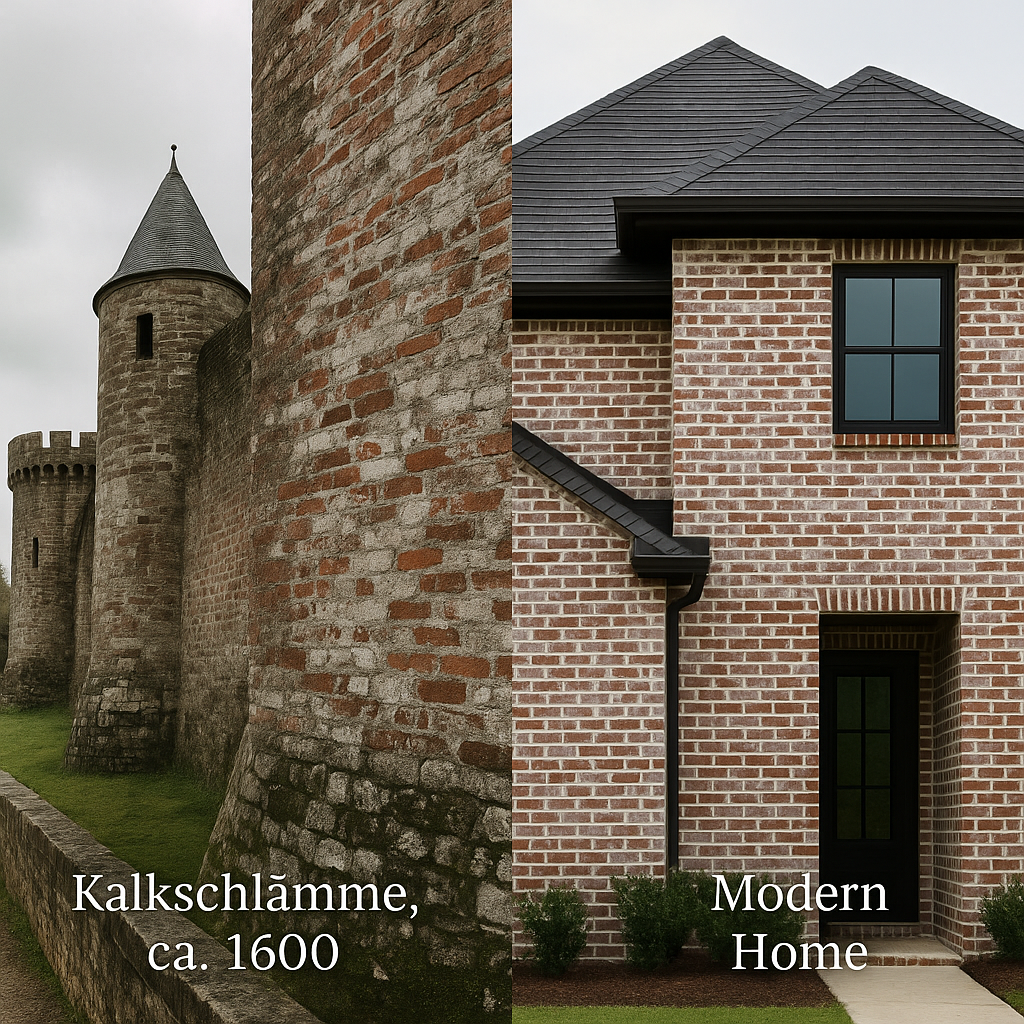
Before It Was Called “German Smear”: The Forgotten History of Europe’s Original Masonry Finish
Before it was called “German Smear,” this centuries-old finish was known by names like Kalkschlämme and Kalküberwurf. Discover the forgotten European origins of the beloved brick-smearing technique that once protected castles and cottages alike.
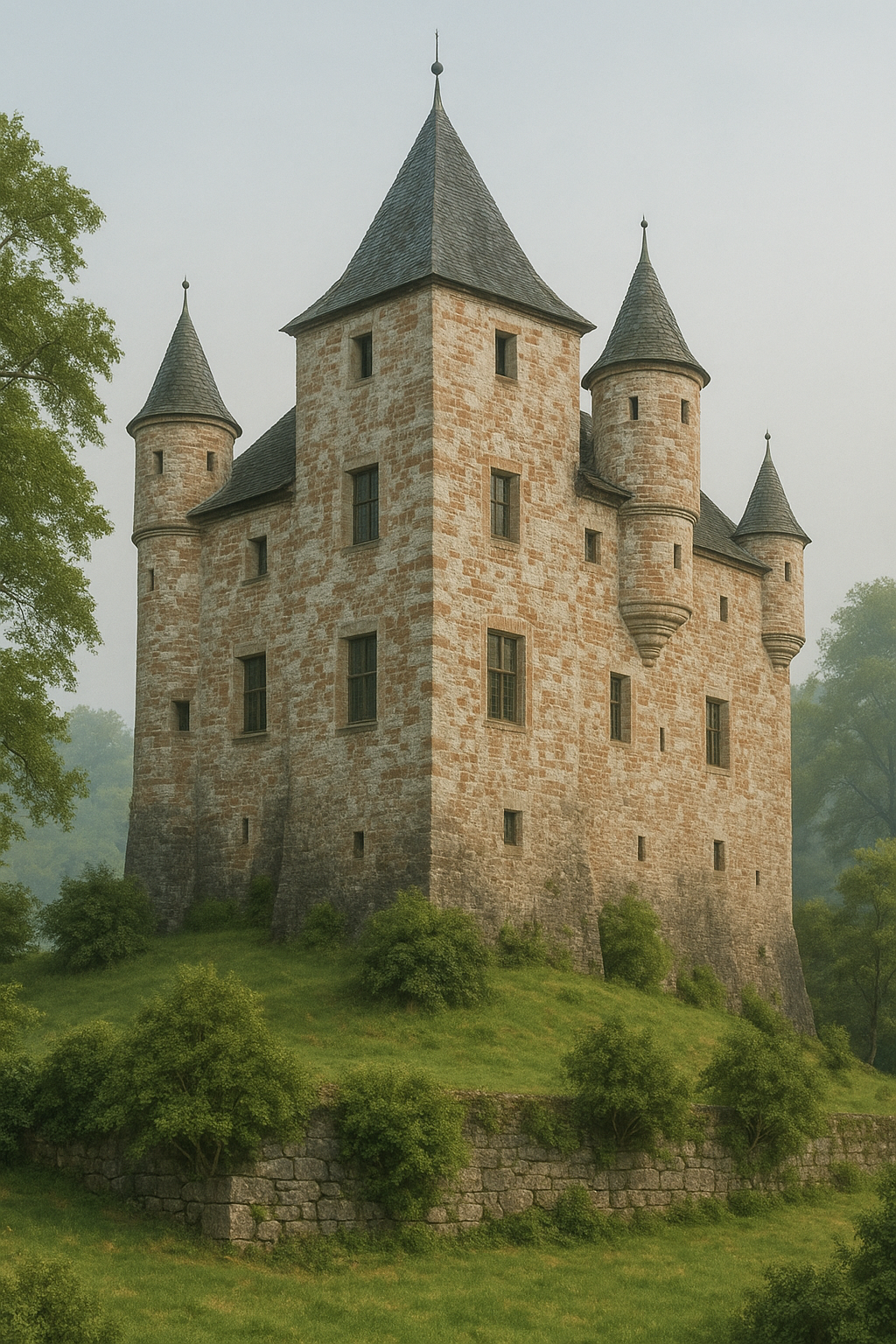
Restoring Royalty: How German Smear Helped Preserve Castles and Homes of the Monarchy
Discover how the German Smear technique—once used to preserve castles and royal estates across Europe—became a timeless method for both protection and beauty, blending craftsmanship with centuries of architectural history.
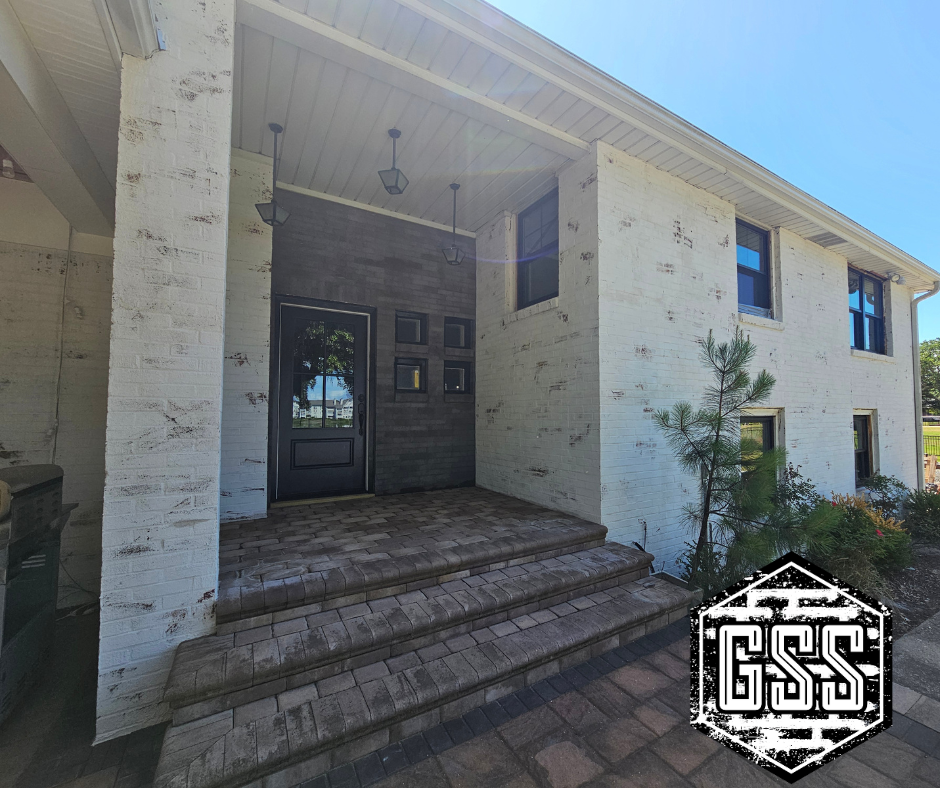
The Historical Origins and Use of German Smear: A Timeless European Technique
German Smear, also known as Schmear, is a centuries-old technique that originated in Germany and has since become a beloved style in both European and contemporary architecture. This method involves applying a thin layer of mortar over brick or stone, creating a rustic, textured, whitewashed appearance. It was originally developed for both practical and aesthetic purposes and continues to captivate homeowners today with its timeless charm.

Tuckpointing vs. Repointing: What’s the Real Difference?
Not sure if your brick home needs tuckpointing or repointing? These two repair techniques may sound similar, but they serve different purposes. Learn how to spot the difference and discover which one your home actually needs — plus a modern alternative that combines both structure and style.