

Factors Influencing Mortar Bond Strength in Brick Finishing Techniques
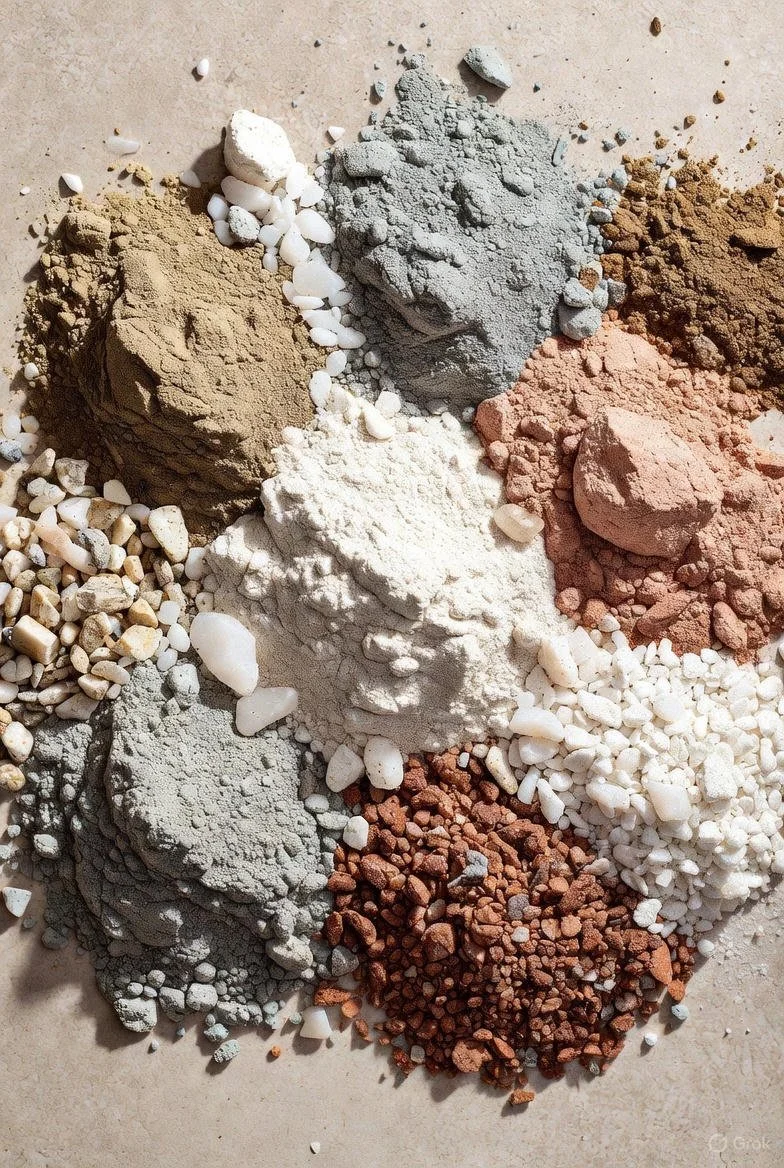
Mortar bond strength in brick applications, including techniques like German Smear and mortar wash, depends on controlled moisture levels, appropriate temperatures during application and curing, and suitable mineral compositions. Optimal conditions promote mechanical adhesion and chemical hydration or carbonation, ensuring durable bonds. Improper management of these factors can lead to weak adhesion, cracking, or premature failure, significantly reducing the longevity of the finish compared to properly executed applications.

Paint Versus German Smear on Brick Surfaces
German Smear offers a high upfront investment but minimal ongoing expenses due to its durability, while paint incurs repeated costs from deterioration over time. This comparison examines the scientific principles behind paint's degradation, particularly on high-use areas like fireplaces, and highlights German Smear's low-maintenance superiority. Understanding these factors aids in appreciating historical brick treatments rooted in breathable, long-lasting methods.
Understanding the Factors Influencing German Smear Application
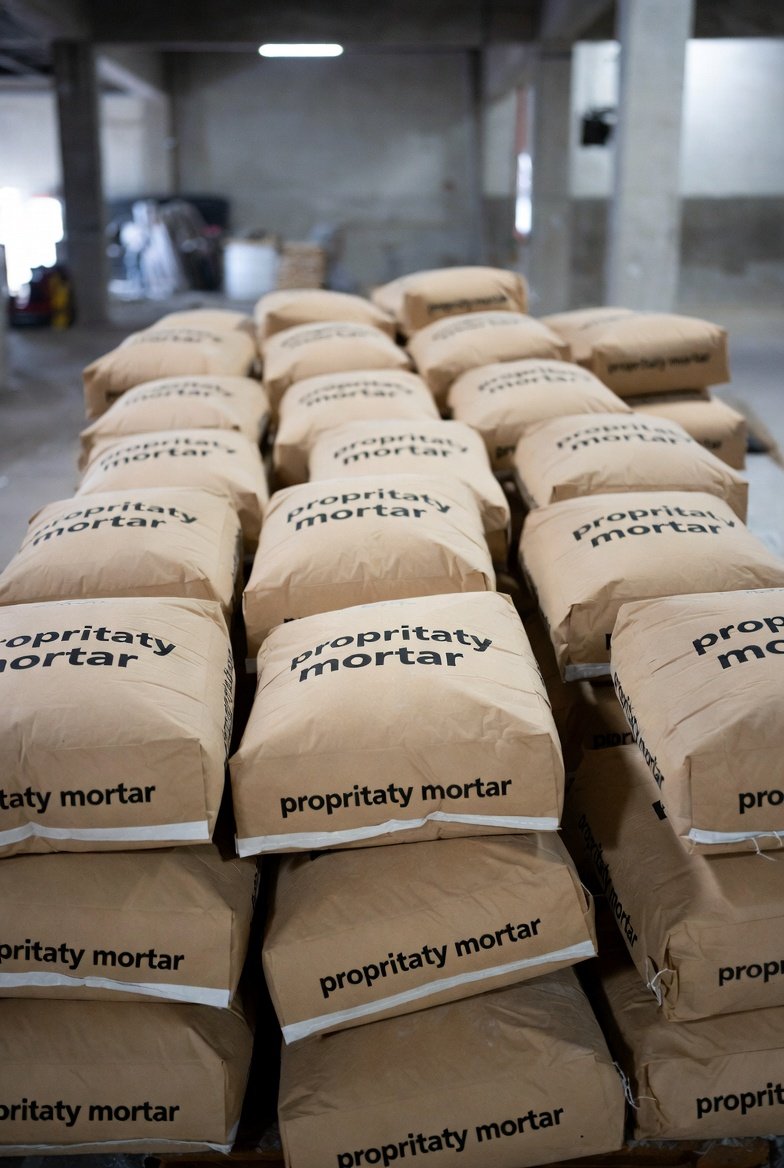
German Smear, a time-honored brick treatment method, involves spreading a thin layer of mortar over brick surfaces to create a textured, aged appearance that enhances architectural character. The process is influenced by variables such as mortar thickness and structural height, which affect both material use and labor demands. This educational overview details the physical labor involved, including handling mortar weights, and explains the role of specialized mortar blends in achieving authentic results.