

The Origins of Painting Brick Houses
The practice of painting brick houses represents an important chapter in architectural history, where functional needs intersected with evolving design sensibilities. Originating from the necessity to safeguard porous brick surfaces from environmental degradation, this method allowed builders to extend the lifespan of structures while achieving desired visual effects. From a historical and architectural standpoint, understanding the beginnings of brick painting illuminates how early innovations in material treatments influenced modern conservation techniques, emphasizing the importance of vapor permeability and long-term structural integrity in building science.
Historical Beginnings of Brick Painting
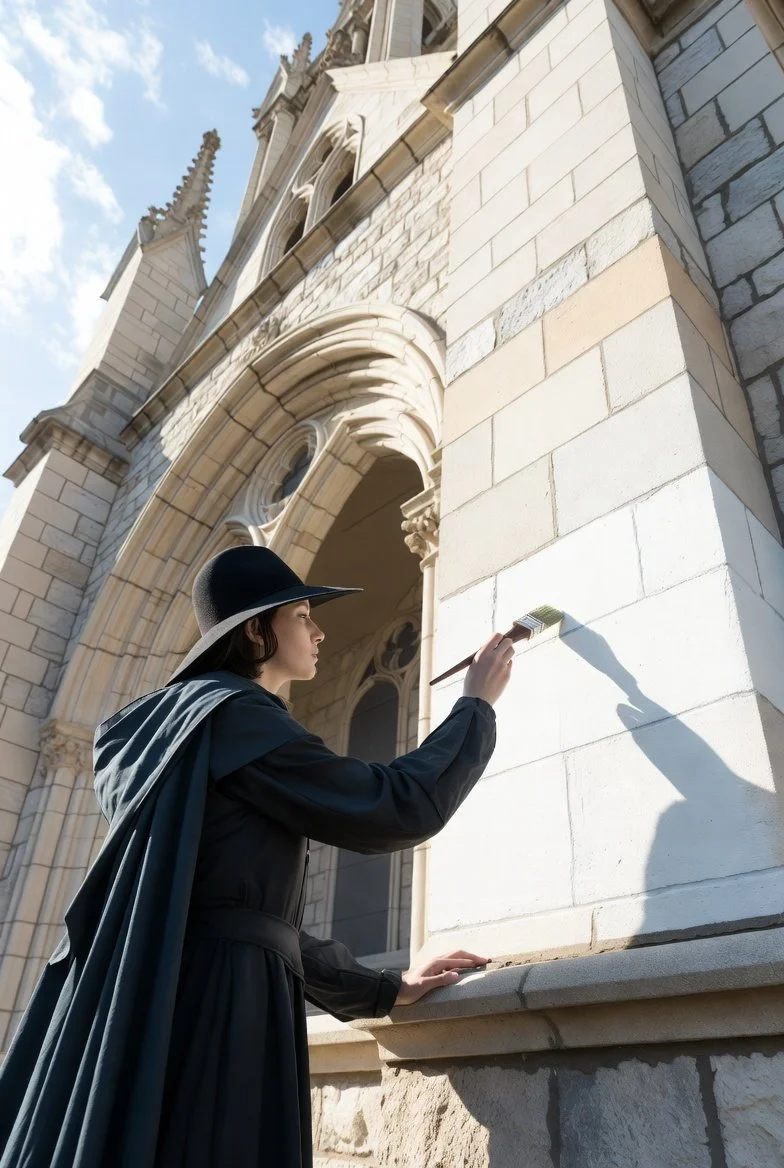
Brick as a building material dates back to around 7000 BC, with early examples discovered in ancient Mesopotamia and Turkey, where clay was molded and sun-dried or fired for durability. However, the application of paint to brick surfaces is a more recent development, commonly documented in Europe from the 1350s during the Gothic period, where it served both decorative and protective roles. In the United States, brick production began in the early 17th century, with records indicating manufacturing as early as 1611 in Virginia and 1629 in Massachusetts. Early American bricks were often softer and more absorbent due to manual production methods using local clay, sand, and water pressed into molds, which made them susceptible to freeze-thaw cycles and moisture damage. Painting became a common treatment for structures built before the 1870s, as advancements in brick firing techniques later produced harder, more weather-resistant materials that did not require such coatings.
From a building-science perspective, early paints helped seal brick pores, reducing water infiltration and enhancing resistance to environmental stressors. This approach aligned with principles of vapor permeability, though not all formulations allowed for adequate breathability, potentially leading to trapped moisture over time.
Influences for Painting Brick
Several factors drove the adoption of painting brick houses, rooted in practical, aesthetic, and cultural considerations.
Protection from Elements: Early bricks' high porosity made them vulnerable to water absorption, leading to cracking during freeze-thaw cycles in colder climates; paint acted as a barrier to improve longevity.
Aesthetic Enhancement: Painting allowed for uniform color application, mimicking more expensive materials like stone or stucco, and reflected societal trends in architectural styles from Gothic flamboyance to 19th-century modernism.
Cultural and Regional Adaptations: In colonial America, influences from European traditions encouraged painting to achieve a refined appearance, particularly in areas with harsh weather; this was also seen in Native American adobe structures in the Southwest, where clay-based coatings provided similar benefits.
Material Behavior Considerations: Paints improved adhesion to uneven brick surfaces, addressing issues like efflorescence, while climate factors such as humidity influenced the need for such treatments in specific regions.
These influences highlight how painting addressed both the inherent limitations of brick composition—typically clay-based with varying firing temperatures—and the desire for architectural expression.
Early Costs and Accessibility of Brick Painting
Documentation on the precise historical costs of painting brick houses is limited, but contextual evidence suggests it was an additional expense that made the practice accessible primarily to those with resources. Brick itself was considered a premium material in the 18th century, often imported or laboriously produced locally, adding to overall construction costs. Early paints, derived from natural pigments mixed with binders like animal fats or oils, required skilled application, further increasing expenditure. By the mid-19th century, the introduction of ready-mixed paints in 1866 by companies like Sherwin-Williams may have reduced some costs through industrialization, but application remained labor-intensive.
In terms of building science, the investment in painting was justified by its role in extending material lifespan, though it demanded careful consideration of mortar compatibility and vapor dynamics to avoid long-term damage.
Earliest Known Uses and Innovators in Brick Painting
The earliest documented uses of painted brick appear in Europe around the 1350s, integrated into Gothic architecture for decorative effects. In the United States, painting was commonly applied to brick structures from the colonial era, with some buildings intended for paint due to the softer nature of pre-1870s bricks. No single individual is credited as the absolute first to paint brick houses, but early adopters included colonial builders in Virginia and Massachusetts, where brick production began in the early 1600s. Innovators in paint production, such as Thomas Child who established a paint mill around 1700, contributed to the accessibility of materials for such applications.
Architecturally, this practice evolved from functional necessity to a stylistic choice, with later examples in the 19th and 20th centuries reflecting broader trends in material conservation.
Comparison to German Smear
While painting brick involves applying a pigmented coating that fully covers the surface, German Smear—also known as Schmear or mortar wash—uses a thin layer of mortar to create a textured, distressed appearance rooted in European building traditions. Paint can sometimes form an impermeable barrier, potentially trapping moisture and compromising brick breathability, whereas German Smear enhances vapor permeability by integrating with the brick's porous structure. Historically, German Smear draws from techniques like Kalkschlämme, commonly used in Germany for its adhesive properties and weather resistance, differing from paint's origins in protective sealing.
Key distinctions include:
Application and Durability: Paint provides a smooth, uniform finish but may require frequent maintenance due to peeling in humid climates; German Smear is more permanent, adding texture without fully obscuring the brick.
Building Science Aspects: German Smear promotes moisture evaporation and freeze-thaw resistance through its breathable composition, often lime-based, while paint demands careful selection for compatibility with brick's vapor dynamics.
Aesthetic and Historical Context: Paint allows for color versatility but can alter original brick character; German Smear preserves more of the brick's natural look, aligning with conservation principles in historical architecture.
Material Behavior: Mortar in German Smear bonds chemically with brick, improving adhesion, whereas paint relies on surface adhesion and may lead to efflorescence if not breathable.
Conclusion
The history of painting brick houses reveals a progression from protective necessity to aesthetic innovation, shaped by material limitations and cultural influences across centuries. Key insights include the role of early soft bricks in prompting such treatments and the importance of breathability in building science. Comparing this to German Smear underscores the value of techniques that harmonize with brick's inherent properties for sustainable architectural conservation.
Looking to DIY?
Checkout SmearTech’s Signature White™ Mortar and German Smear Tools.
