

The Deterioration of Paint on Brick Houses
Painting brick houses has become a common modern practice for aesthetic updates, but it contrasts with historical brick treatment methods that prioritized breathability and longevity. From an architectural standpoint, brick is valued for its natural porosity, allowing moisture vapor to pass through, a property that supports building durability in various climates. However, applying paint can disrupt this balance, accelerating deterioration and potentially compromising the integrity of the structure. This blog explores the mechanisms, reasons, and chemical processes behind paint breakdown on brick, drawing on building science principles to inform better preservation choices, such as traditional mortar washes or lime-based finishes that maintain vapor permeability.
Why Paint Deteriorates on Brick
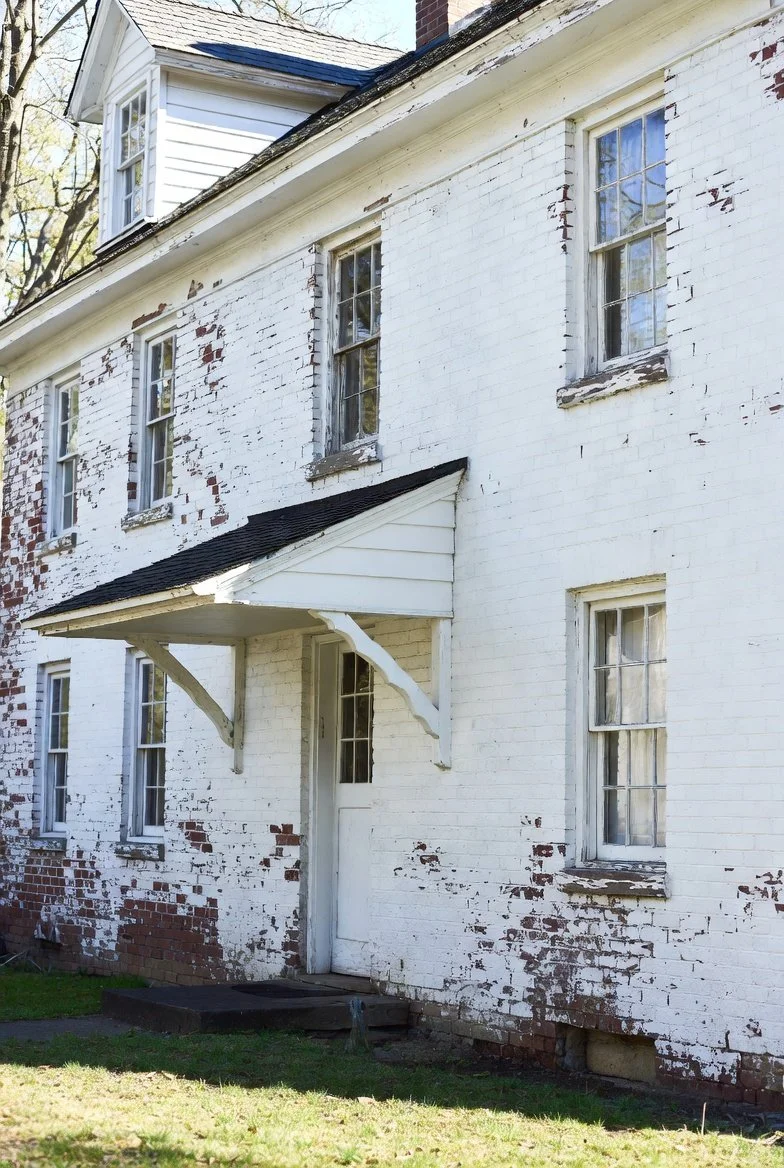
Brick masonry is inherently porous, with a structure that absorbs and releases moisture to regulate internal humidity, often described as a material that "breathes." When paint is applied, it forms a barrier that impedes this natural process, leading to trapped moisture within the brick and mortar. This moisture accumulation is a primary cause of deterioration, as it promotes physical and chemical changes that weaken both the paint and the underlying masonry.
Environmental exposure further exacerbates the issue. Ultraviolet (UV) radiation from sunlight, along with rain, wind, and temperature fluctuations, gradually breaks down the paint's protective qualities. In regions with freeze-thaw cycles, trapped water expands upon freezing, exerting pressure that can crack the paint and damage the brick face.
Porous brick absorbs moisture from rain or humidity, but paint prevents evaporation, leading to internal buildup.
Non-breathable paints reduce vapor permeability, contrasting with historical treatments like limewash that allow moisture escape.
Harsh weather accelerates wear, with UV rays causing surface fading and chalking.
Mechanisms of Paint Breakdown
Paint deterioration on brick typically manifests through visible signs such as peeling, flaking, blistering, and efflorescence. Peeling occurs when moisture pushes against the paint film from beneath, separating it from the substrate. Blistering forms bubbles as trapped water vapor expands, while flaking results from the loss of adhesion due to repeated wetting and drying cycles.
Efflorescence appears as white, powdery deposits on the surface, where soluble salts from the mortar or brick are carried outward by migrating moisture. Over time, this can erode the paint and contribute to spalling, where the outer layer of brick flakes off. These mechanisms are interconnected, often starting with minor surface issues that progress to deeper structural problems if unaddressed.
Peeling and flaking: Loss of adhesion from moisture pressure and substrate movement.
Blistering: Expansion of trapped vapor forming bubbles in the paint layer.
Spalling: Freeze-thaw damage cracking the brick face beneath the paint.
Efflorescence: Salt migration creating deposits that disrupt paint integrity.
Chemical Processes Involved
The breakdown of paint on brick involves several chemical reactions influenced by environmental factors. Oxidation is a key process, where UV radiation breaks down the chemical bonds in the paint's binders and pigments, leading to fading and chalking—a powdery residue on the surface. This degradation reduces the paint's flexibility and protective barrier.
In cases of alkali-sensitive paints, such as oil-based formulas, saponification can occur. The alkaline nature of mortar (due to lime or cement) reacts with the paint's oils, forming soaps that weaken adhesion and cause peeling. Hydrolysis may also play a role, where water molecules break down polymer chains in the paint, especially in humid conditions.
Additionally, efflorescence involves dissolution and recrystallization: Water dissolves salts within the masonry, transporting them to the surface where they crystallize upon evaporation, exerting expansive forces that crack the paint.
Oxidation: UV-induced breakdown of paint binders, resulting in chalking and color loss.
Saponification: Alkaline mortar reacting with oil-based paints to form soaps, reducing adhesion.
Hydrolysis: Water degrading paint polymers, leading to brittleness.
Salt crystallization: Efflorescence causing physical expansion and surface disruption.
Factors Affecting the Rate of Deterioration
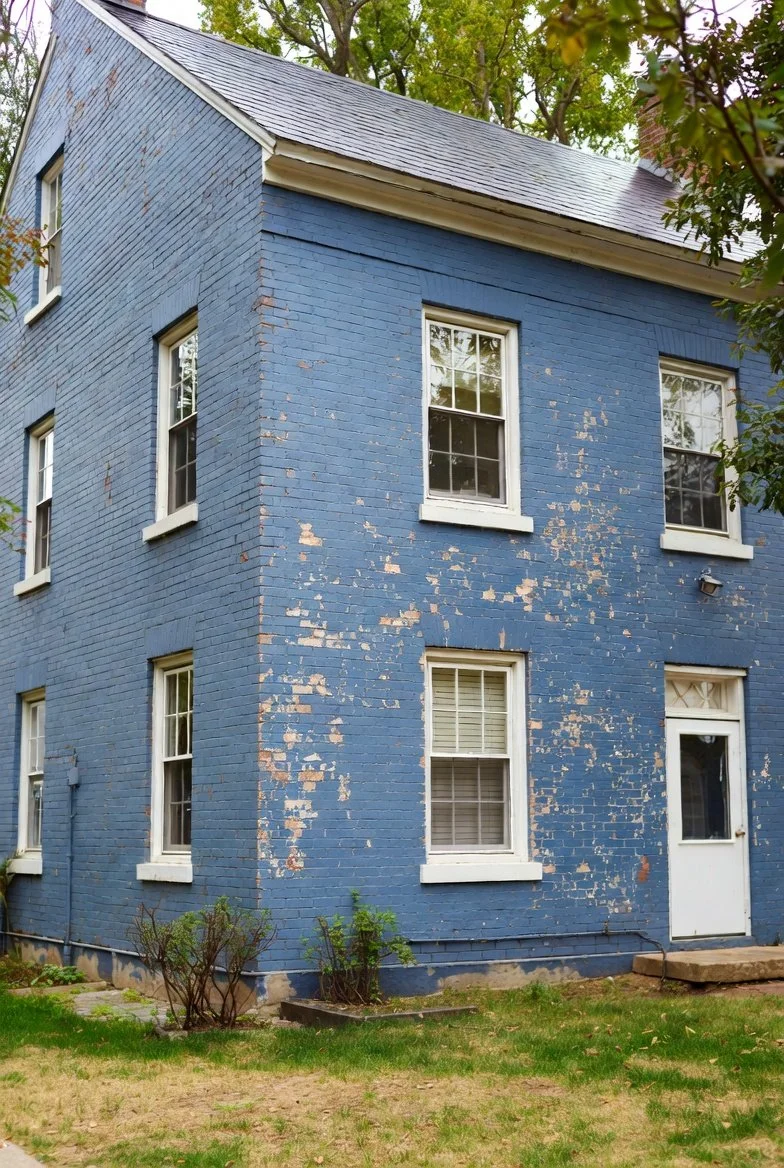
Several variables influence how quickly paint deteriorates on brick houses. Climate is paramount: In areas with high humidity, frequent rain, or extreme temperature swings, breakdown occurs faster due to increased moisture exposure and freeze-thaw stress. Paint quality matters; low-grade or non-breathable paints fail sooner than those designed for masonry with higher vapor permeability.
Surface preparation is critical—improper cleaning or sealing can trap existing moisture or salts, accelerating issues. Architectural details, like north-facing walls with less sun exposure, may retain moisture longer, while direct sunlight speeds UV degradation.
Climate: Harsh conditions like coastal salt air or cold winters reduce lifespan.
Paint type: Breathable, elastomeric paints offer better durability than standard latex.
Preparation: Thorough cleaning and priming prevent early failure.
Exposure: Sun-facing sides fade quicker, while shaded areas trap more moisture.
Timeline and Lifespan Expectations
The lifespan of exterior paint on brick varies widely, typically ranging from 5 to 15 years, though it can be shorter in challenging environments. Initial signs of deterioration, like minor fading or chalking, may appear within 2-5 years, progressing to peeling or blistering by 5-10 years if moisture issues arise. In optimal conditions with high-quality, breathable paint, it might last closer to 15-20 years, but historical precedents show painted brick often requires maintenance sooner than unpainted or mortar-washed alternatives.
Factors like regional climate can shorten this timeline; for instance, in humid or freeze-prone areas, failure might occur in as little as 3-7 years. Regular inspections for early signs can extend usability, but once painted, brick may need ongoing touch-ups to prevent deeper damage.
2-5 years: Early fading and chalking from UV exposure.
5-10 years: Peeling, blistering, and efflorescence in moist climates.
10-15+ years: Potential longevity with proper materials and mild conditions.
Conclusion
Paint on brick houses deteriorates through a combination of moisture entrapment, environmental exposure, and chemical reactions like oxidation and saponification, often leading to peeling, spalling, and efflorescence. These processes underscore the architectural value of breathable treatments, such as traditional German Smear or limewash, which align with brick's natural properties for enhanced longevity. By recognizing these factors, homeowners and conservators can make informed decisions to preserve masonry structures effectively.
Looking to DIY?
Checkout SmearTech’s Signature White™ Mortar and German Smear Tools.
