

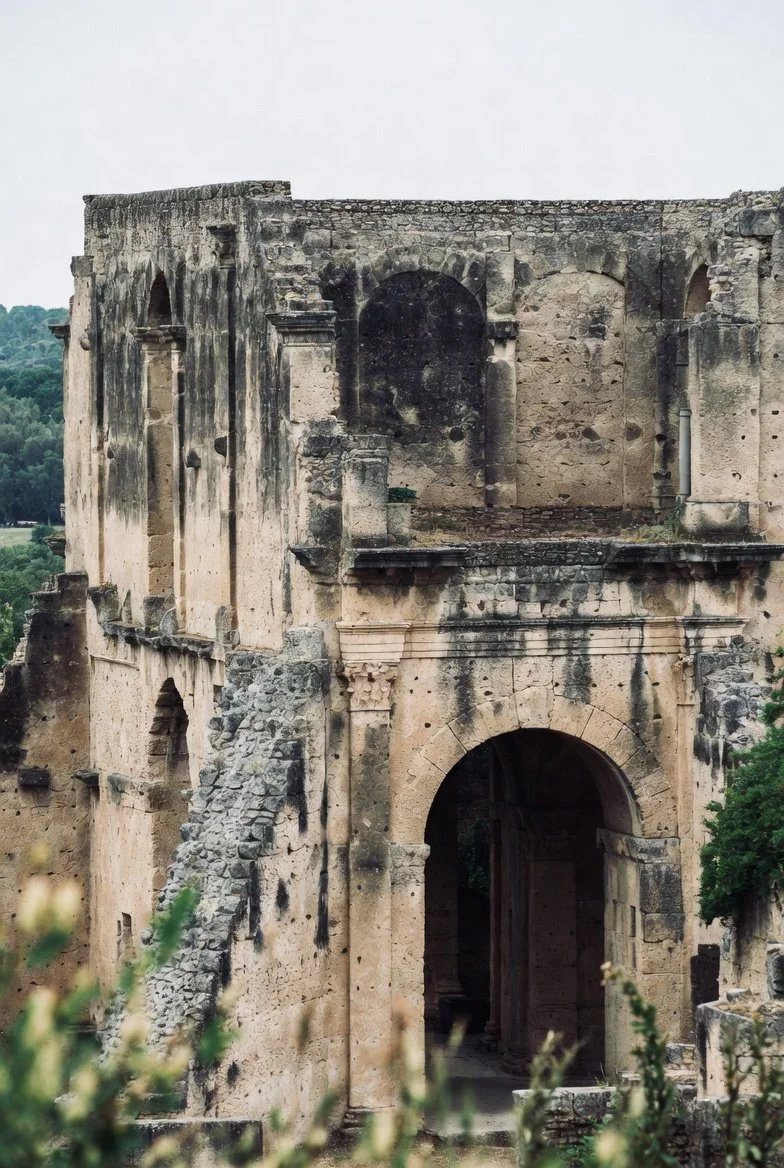
The History of Stucco: Origins, Applications, and Comparisons to German Smear
Stucco, a durable plaster-like material, traces its roots to ancient civilizations where it served both functional and decorative purposes in architecture. Over millennia, it has evolved to provide weather protection, aesthetic enhancement, and structural mimicry in buildings worldwide. This exploration details its historical emergence, practical applications, effects on stone and brick substrates, and parallels with the German smear method.

Protecting Brick and Masonry: Stucco's Weather Resistance Compared to German Smear
Stucco and German Smear both serve as protective finishes for exterior surfaces, drawing from historical building traditions to shield against environmental damage. While stucco provides a layered, durable barrier that manages moisture through permeability and drainage, German Smear integrates mortar into brick pores for a breathable enhancement that maintains natural vapor flow. This comparison explores their scientific mechanisms in resisting elements like rain, freeze-thaw cycles, and temperature fluctuations, highlighting key differences in application and performance.
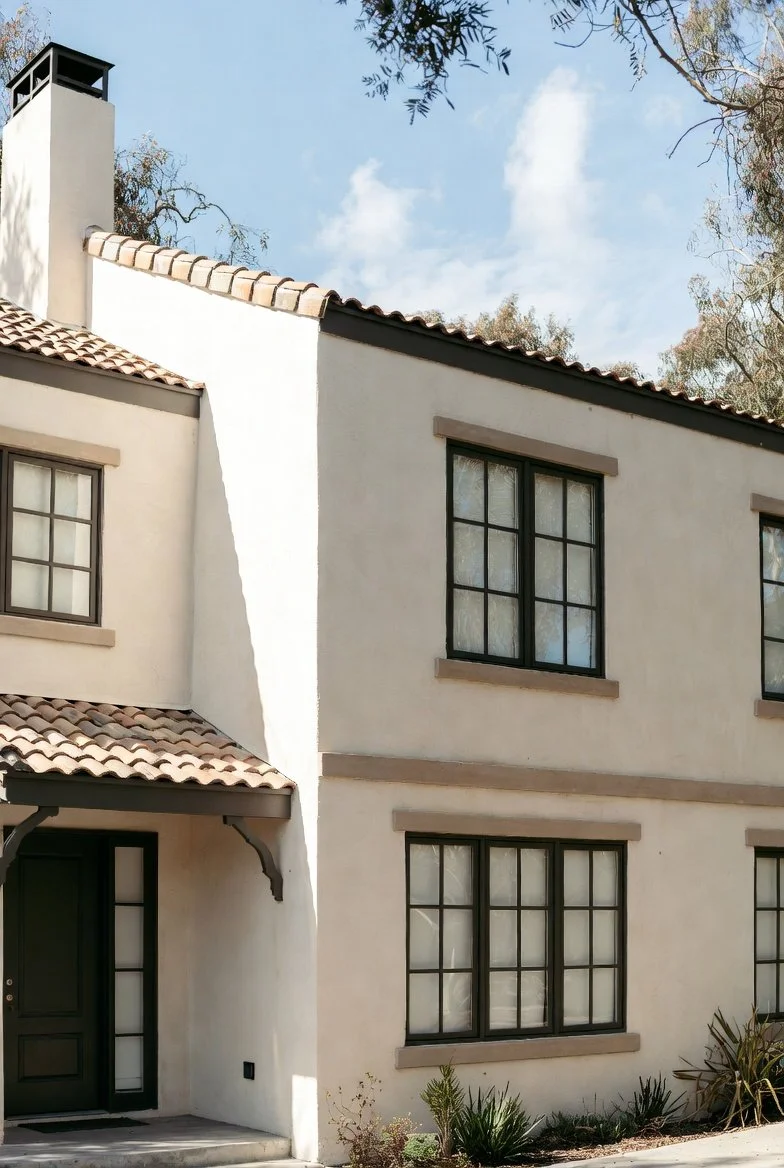
Stucco in Modern Construction: Uses, Impacts on Brick, Durability Enhancements, and Relation to German Smear
Stucco serves as a versatile exterior finish in contemporary building practices, adapting ancient techniques with updated materials for enhanced performance on substrates like brick. Modern formulations improve durability through building science principles, though they require careful application to manage moisture. When compared to German Smear, a mortar-wash method rooted in European traditions, stucco offers a more uniform cladding, yet both can achieve substantial thickness with appropriate mixes.
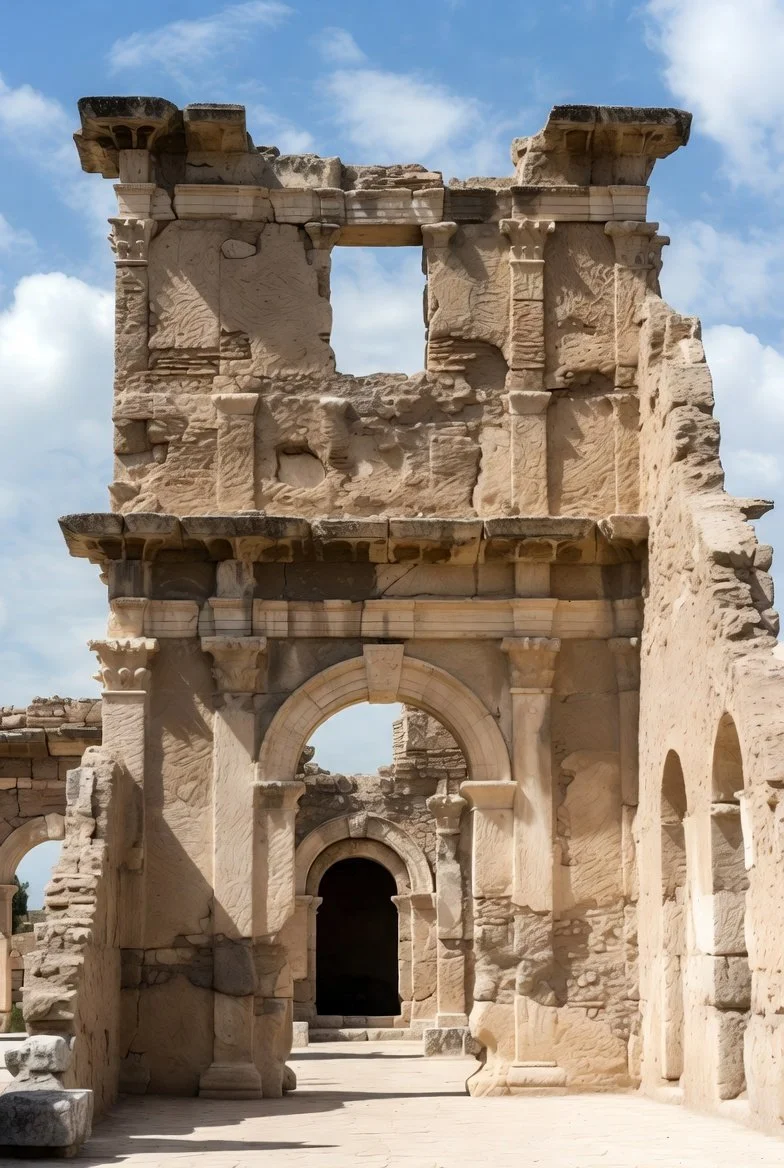
The Evolution of Stucco Through History
Stucco, a versatile plaster material, has evolved from ancient lime-based mixtures to modern cement-enhanced formulations, reflecting advancements in building science and architectural needs. Documented as early as 1400 BCE in ancient Greece, its development involved key innovations by various cultures, particularly the Romans, who improved its durability. Over time, stucco's adoption transformed construction practices by enabling decorative, weather-resistant exteriors while influencing related finishes like German Smear.