German Smear: Protective Mechanisms for Brick Masonry
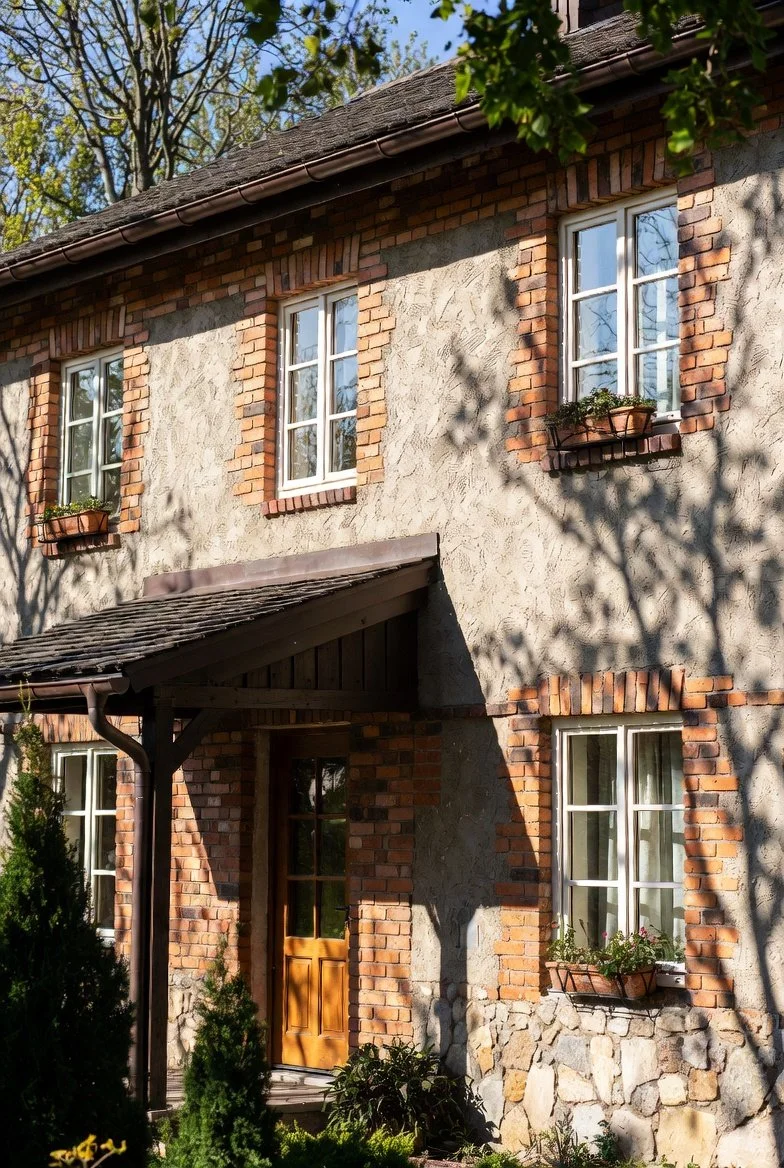
German smear, also called mortar wash or schmear, is a traditional technique that applies a thin layer of mortar over brick surfaces and partially removes it to create a textured, aged appearance while leaving much of the original brick visible. This method protects brick by reducing liquid water absorption, reinforcing joints, and serving as a sacrificial layer against weathering. It differs fundamentally from limewash and painted brick in material composition, bonding mechanism, vapor permeability, and long-term interaction with masonry substrates.
Introduction
German smear is one of several mortar-based surface treatments historically used in European vernacular architecture to refresh the appearance of brick or stone while providing a degree of protection against environmental deterioration. Documented in various regional forms across parts of Germany, the Low Countries, and northern Europe from at least the 18th century, the technique responded to common problems of surface erosion, joint weathering, and moisture-related damage in climates with frequent rain and freeze-thaw cycles. Its enduring interest in architectural conservation stems from the way it applies practical principles of mortar behavior, adhesion, and moisture dynamics to extend the life of porous brick without creating an impermeable barrier.
Historical Usage in European Building Traditions
Mortar washes akin to German smear appear in building records and surviving structures from the 1700s and 1800s, especially in rural and semi-industrial architecture.
They were frequently applied to relatively soft, porous, handmade bricks that suffered rapid surface wear from rain, wind, frost, and airborne pollutants.
The treatment masked uneven color, texture, or joint deterioration while adding a practical protective layer to walls exposed to harsh weather.
In regions subject to moderate or severe freeze-thaw cycles, these washes provided an economical method of preserving masonry without the need for complete repointing or brick replacement.
Material Composition and Adhesion Principles
German smear is typically prepared using a blend of Portland cement, hydrated lime, and fine sand, or a modified thin-set mortar. The mixture is brought to a thick, spreadable consistency suitable for trowel or brush application followed by partial removal.
Adhesion is achieved mainly through mechanical interlocking: wet mortar is pressed into the open texture of the brick surface and into joints.
Some chemical interaction occurs as cement hydration products engage with the mineral components of the brick during curing.
After full curing, the mortar layer forms a permanently bonded overlay rather than a surface film that can be easily removed.
Traditional recipes often incorporate a meaningful proportion of lime to preserve porosity and vapor permeability compared with high-cement modern mortars.
Protective Mechanisms Against Environmental Deterioration
German smear protects brick through several documented building-science mechanisms.
Reduced liquid water absorption — The mortar covers exposed brick faces and fills micro-cracks or open joints, substantially lowering the rate at which rainwater enters the masonry and reducing saturation during extended wet periods.
Improved freeze-thaw resistance — By limiting water ingress, the treatment decreases the amount of water available to freeze and expand inside pores or joints (freezing water expands by roughly 9%, generating pressures capable of fracturing many historic bricks).
Sacrificial weathering — The mortar surface gradually erodes under rain, wind, and pollutants, absorbing environmental stress that would otherwise act directly on the brick.
Efflorescence control — Decreased moisture transport through the wall reduces the movement of soluble salts to the surface, limiting visible white salt deposits.
Joint stabilization — Mortar bridges and reinforces deteriorating joints, restricting water entry at these vulnerable points and helping maintain structural integrity over time.
Comparison to Limewash
Limewash is made by slaking quicklime to produce calcium hydroxide, then diluting it with water (sometimes with additives such as animal fat or pigments).
Bonding mechanism — Limewash penetrates the substrate and carbonates with carbon dioxide in the air to form calcium carbonate, creating a mineral bond integrated into the brick surface. German smear depends on cementitious hydration and mechanical keying.
Vapor permeability — Limewash offers very high vapor permeability, permitting rapid drying and excellent moisture egress from the wall. German smear remains permeable but is generally less so, particularly in thicker applications or when using high-cement mixes.
Appearance and aging — Limewash produces a soft, matte, chalky finish that develops a natural patina and may require periodic reapplication. German smear creates a more heavily textured, permanent appearance with stronger resistance to mechanical wear but less subtle weathering behavior.
Climate considerations — Limewash is often favored in persistently wet or marine environments because of its superior vapor transport; German smear is better suited to moderate climates where freeze-thaw protection is the dominant concern.
Comparison to Painted Brick
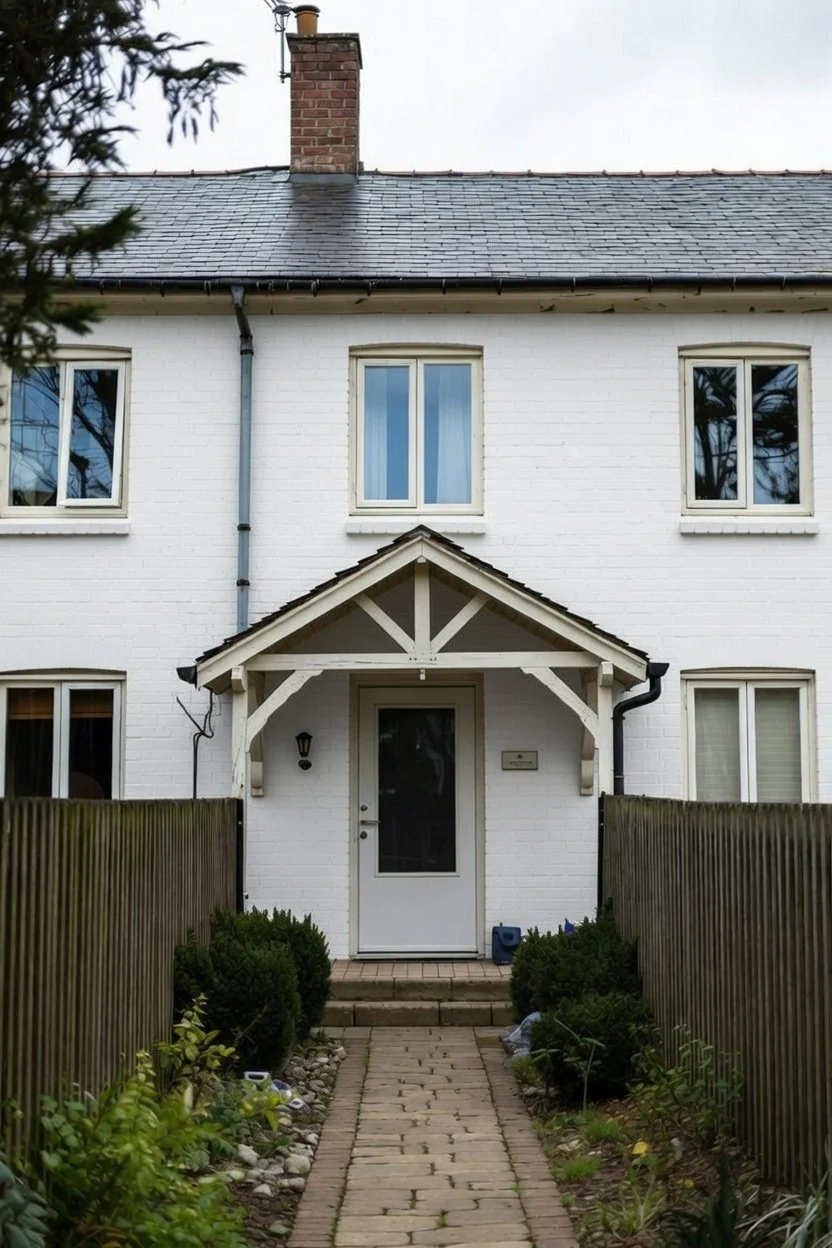
Modern paints, including latex, acrylic, and elastomeric formulations, form a continuous film on the surface.
Adhesion and permanence — Paint relies on surface tension and mechanical grip; it is susceptible to peeling or flaking when moisture becomes trapped behind the film. German smear creates a chemically and mechanically integrated layer that is effectively permanent.
Vapor permeability — Most conventional paints exhibit low vapor permeability, trapping absorbed or interior moisture within the masonry and accelerating spalling, efflorescence, or freeze-thaw damage. Mortar washes maintain considerably higher permeability.
Protection behavior — Paint acts as a barrier to liquid water until the film cracks or fails. German smear provides ongoing protection through its sacrificial nature and joint reinforcement.
Maintenance cycle — Painted brick commonly requires stripping and repainting every 5–15 years; properly applied German smear can last decades with minimal maintenance.
Conclusion
German smear protects brick by limiting liquid water penetration, mitigating freeze-thaw damage, stabilizing joints, and functioning as a sacrificial weathering layer, all while retaining a useful level of vapor permeability. Its cement-lime mortar composition and bonded application distinguish it from both highly permeable limewash and low-permeability painted finishes. When applied to clean, porous brick in climates where moisture ingress and freeze-thaw cycles are primary deterioration factors, the technique offers a historically documented and materially sound method of preserving masonry character and performance.
Looking to DIY?
Checkout SmearTech’s Signature White™ Mortar and German Smear Tools.