Latex vs. Acrylic Paint on Brick Houses: The Real Story (and Why You Might Want to Skip Painting Altogether)
Painting a brick house can transform its look overnight—turning faded red into crisp white or soft gray. But before you grab a brush, there’s a critical distinction you need to understand: latex paint vs. acrylic paint. More importantly, both come with serious risks for brick, including the dreaded spalling that can destroy your home’s exterior. Let’s break it down step by step.
What’s the Difference Between Latex and Acrylic Paint?
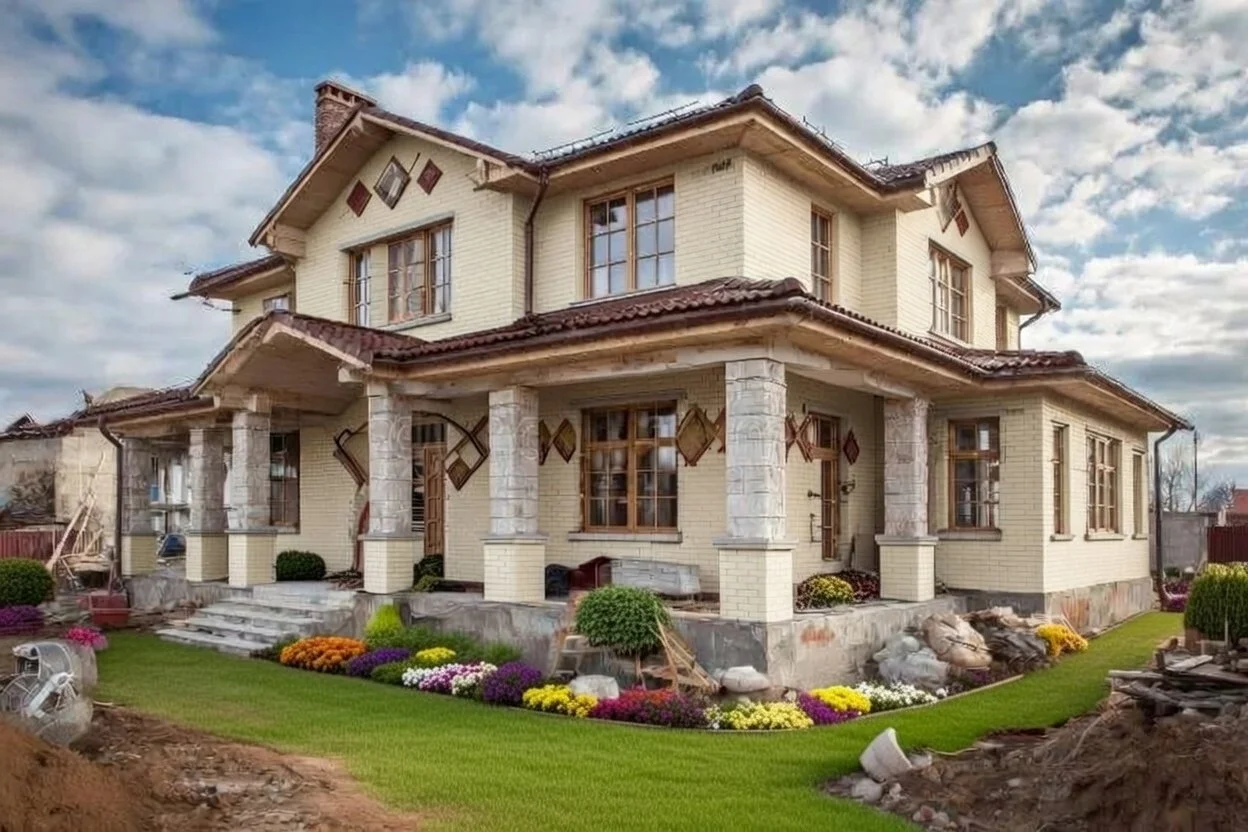
Latex Paint Uses a vinyl-acrylic blend as its binder. It’s thinner, more porous when dry, and cheaper. Great for quick interior jobs, but it breaks down fast outdoors.
Acrylic Paint (specifically 100% acrylic) Made with pure acrylic resin. It forms a thicker, more flexible film that expands and contracts with temperature changes. This is what most “premium” exterior paints actually are today.
In short: “Latex” is the budget option; acrylic is the upgraded, more resilient version. Modern cans labeled “100% acrylic latex” are essentially acrylic paint—the term “latex” just means water-based.
Which Lasts Longer on a Brick House?
Acrylic wins hands-down.
Acrylic exterior paint: 10–15 years (sometimes longer with proper prep)
Latex paint: 5–7 years outdoors before it cracks, fades, or peels
Acrylic’s flexibility helps it handle brick’s movement better, but even high-end acrylic still creates a film that can trap moisture inside the brick—more on that below.
The Hidden Damage Painting Does to Brick
Brick is porous by design. It absorbs rainwater and releases it as vapor—a natural “breathing” process that keeps walls dry and stable.
When you apply regular house paint (latex or acrylic), you seal the surface. Moisture that enters through tiny cracks, mortar joints, or the ground has nowhere to go. Over time this leads to:
Efflorescence (white salty deposits)
Mold and mildew behind the paint
Softening mortar
And worst of all—spalling
How Trapped Moisture Causes Spalling
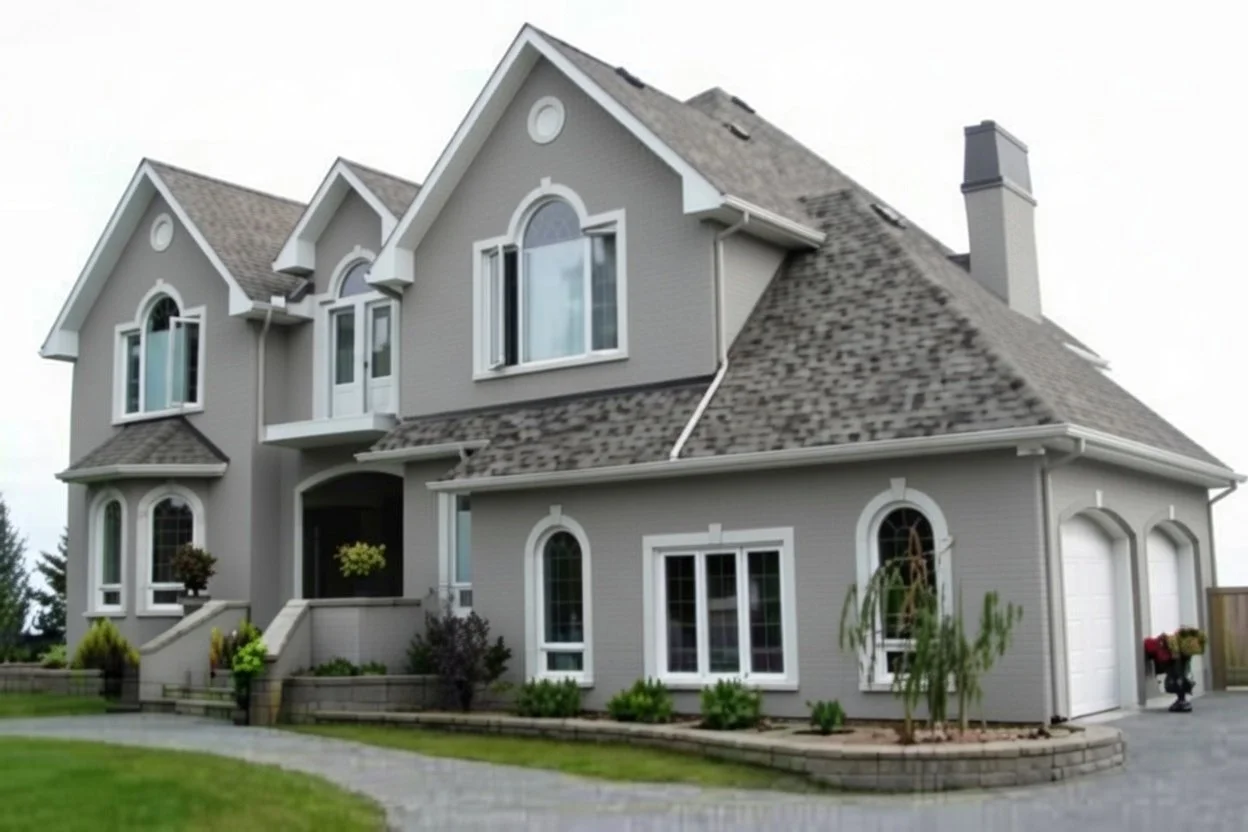
Water sneaks into the brick.
Paint film blocks evaporation.
In cold weather, trapped water freezes and expands (up to 9% in volume).
The pressure pops off the outer face of the brick in thin flakes or chunks.
Spalling starts small—tiny cracks, then chips, then whole bricks crumbling. Once it begins, it’s almost impossible to stop without major repairs. In freeze-thaw climates (most of the U.S. and Canada), painted brick often shows serious spalling within 5–10 years.
Smarter Alternatives That Don’t Damage Brick
You don’t have to paint to refresh your home. These options let the brick breathe while updating the look:
Limewash Breathable mineral coating. Gives a soft, old-world white or colored finish. Lasts 7–15 years, no peeling, no spalling.
Brick Staining / Tint Mineral pigments penetrate the brick (no film). Permanent color change, fully vapor-permeable. Perfect for deepening or warming the original red.
German Smear / Mortar Wash Thin layer of tinted mortar smeared over the brick. Creates a rustic, cottage look. Still allows moisture to escape.
Professional Cleaning Sometimes the best update is revealing the original brick with DOFF steam cleaning or gentle pressure washing.
Bottom Line
Latex is cheaper but shorter-lived. Acrylic lasts longer and flexes better—but neither is truly safe for brick unless it’s a high-permeability mineral formula. The safest choice? Skip traditional paint entirely and use a breathable mineral coating, limewash, German Smear, or stain. Your brick will thank you, and you’ll avoid expensive spalling repairs down the road.
Thinking about updating your brick exterior? Consult a masonry specialist who understands vapor permeability before you paint. Your home will look better—and last longer.
Looking to DIY?
Checkout SmearTech’s Signature White™ Mortar and German Smear Tools.