

The Influence of Painted Brick on Home Aesthetics and Exterior Design
Brick exteriors have historically been prized for their natural durability, color range, and textural depth, contributing to architectural styles from colonial to mid-century designs. The application of paint to brick surfaces emerged as a means to adapt these materials to evolving tastes, particularly in the 20th century, allowing homeowners to achieve uniformity or contemporary palettes. Understanding this influence requires examining both the aesthetic transformations it enables and the building-science implications for brick's performance in various climates and over extended periods.
Historical Context of Painting Brick Exteriors
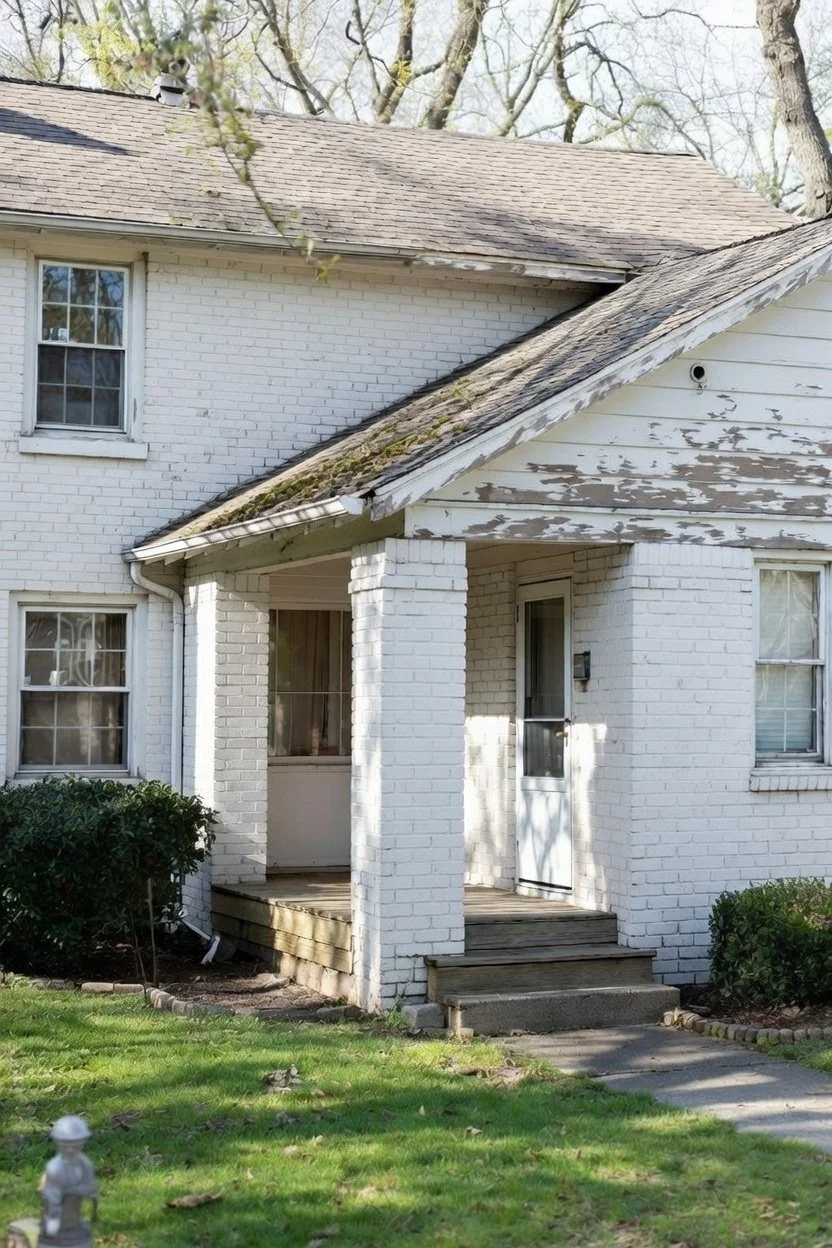
Painting brick has occurred sporadically throughout architectural history, though it was not the norm for most traditional brick buildings. In some cases, particularly with softer, more porous bricks used before the late 19th century, paint—often lime-based or mineral-based—was applied for protection against weathering. By the end of the 19th century, advances in brick manufacturing produced harder, machine-made bricks capable of withstanding exposure without coatings, reducing the need for paint on originally unpainted surfaces.
In the United States and parts of Europe, painted brick appeared in certain periods to update appearances or conceal deterioration, but preservation standards emphasize that most historic brick was intended to remain exposed. Painting originally unpainted historic brick is generally discouraged unless evidence shows it was historically painted, due to long-term maintenance and integrity concerns.
Aesthetic and Design Impacts of Painted Brick
Painting brick dramatically alters a home's exterior by covering natural variations in brick color, texture, and mortar joints, resulting in a more monolithic and customizable appearance.
It enables coordination with surrounding elements like trim, shutters, and roofing through a wide range of modern colors, such as whites, grays, or soft neutrals, often creating a brighter, more contemporary facade.
The uniform surface can refresh older or darker brick tones, making structures appear cleaner and more integrated into current neighborhood aesthetics.
In design terms, painted brick shifts emphasis from the material's inherent character to overall form and color harmony, influencing curb appeal in ways that align with evolving trends.
This transformation, however, removes the visual depth and subtle irregularities that define traditional brick architecture, potentially diminishing historical authenticity.
Building Science Considerations and Material Effects
Brick functions as a porous, vapor-permeable material that naturally absorbs and releases moisture, a process essential for durability, particularly in regions with freeze-thaw cycles. Applying non-breathable paints, such as many acrylic or latex formulations, creates an impermeable barrier that disrupts this vapor transmission.
Trapped moisture can lead to spalling, where the brick surface flakes or cracks as water freezes and expands within pores.
Efflorescence may increase as soluble salts are drawn to the surface and deposited.
In humid or variable climates, this moisture entrapment accelerates deterioration, especially in older bricks paired with lime mortar, which rely on breathability for longevity.
Breathable masonry-specific paints mitigate some risks but still alter the natural performance compared to unpainted brick.
German Smear as an Alternative Tradition
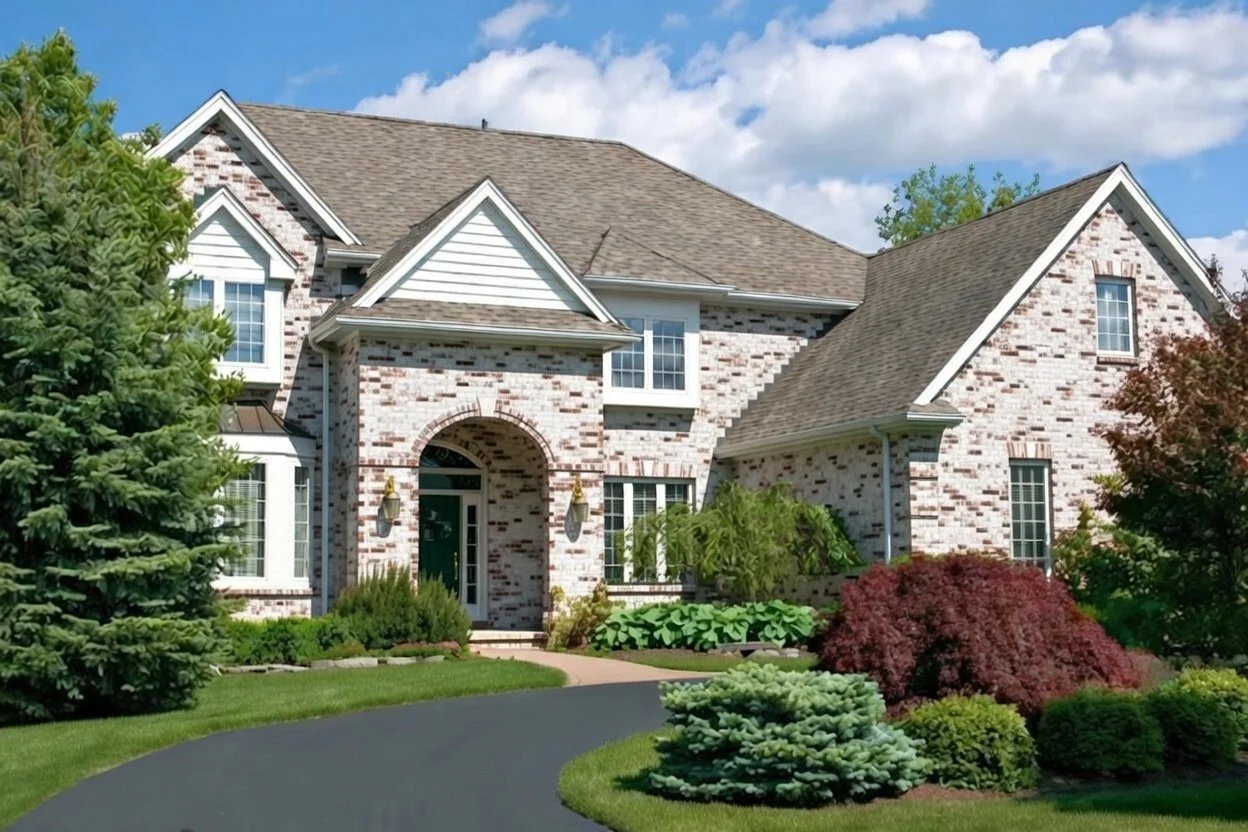
German Smear, also referred to as German Schmear, mortar wash, or Kalkschlämme, draws from longstanding European masonry practices, with roots likely extending to medieval and early modern periods in rural cottages, farmhouses, and vernacular structures. The technique applies a wet mortar mixture—typically composed of Portland cement, lime, sand, and water—over brick surfaces, followed by partial removal while still workable, leaving an irregular, textured layer that suggests aged or weathered masonry.
This differs markedly from painted brick and related methods:
Unlike painted brick, which fully seals the surface with a uniform coating, German Smear preserves visible portions of the original brick color and texture for a layered, rustic appearance.
It maintains higher vapor permeability than non-breathable paints, as the mortar integrates partially with the substrate rather than forming a complete barrier, supporting moisture management.
Compared to limewash (a thin, reactive lime-based coating absorbed into the surface for a chalky, evolving finish) or whitewash (typically a diluted paint-based application for a hazy effect), German Smear adds physical texture and greater durability through its mortar composition, while avoiding full concealment of the brick.
In freeze-thaw environments, this approach often provides better adhesion and crack-filling properties without compromising breathability to the same degree as solid paint layers.
Conclusion
Painting brick has profoundly affected home aesthetics by enabling color customization and a modernized exterior presence, though it frequently compromises the natural visual richness and breathability of brick while introducing risks of moisture-related damage. German Smear, grounded in historical European traditions, offers a contrasting method that softens appearances through textured mortar application, preserving more of the material's character and aligning better with principles of vapor permeability and long-term durability. These techniques illustrate key considerations in balancing aesthetic adaptation with architectural and material preservation.
Looking to DIY?
Checkout SmearTech’s Signature White™ Mortar and German Smear Tools.
