


Ancient Paint Techniques and Their Application to Brick and Stone Structures
Ancient civilizations developed paint using natural materials like lime, clay, and earth pigments, applying these mixtures to enhance and protect brick and stone surfaces. These techniques differed significantly from modern synthetic paints in composition and performance, often prioritizing breathability over long-term durability. Understanding these historical methods provides insight into sustainable architectural practices that minimized structural damage from moisture entrapment.
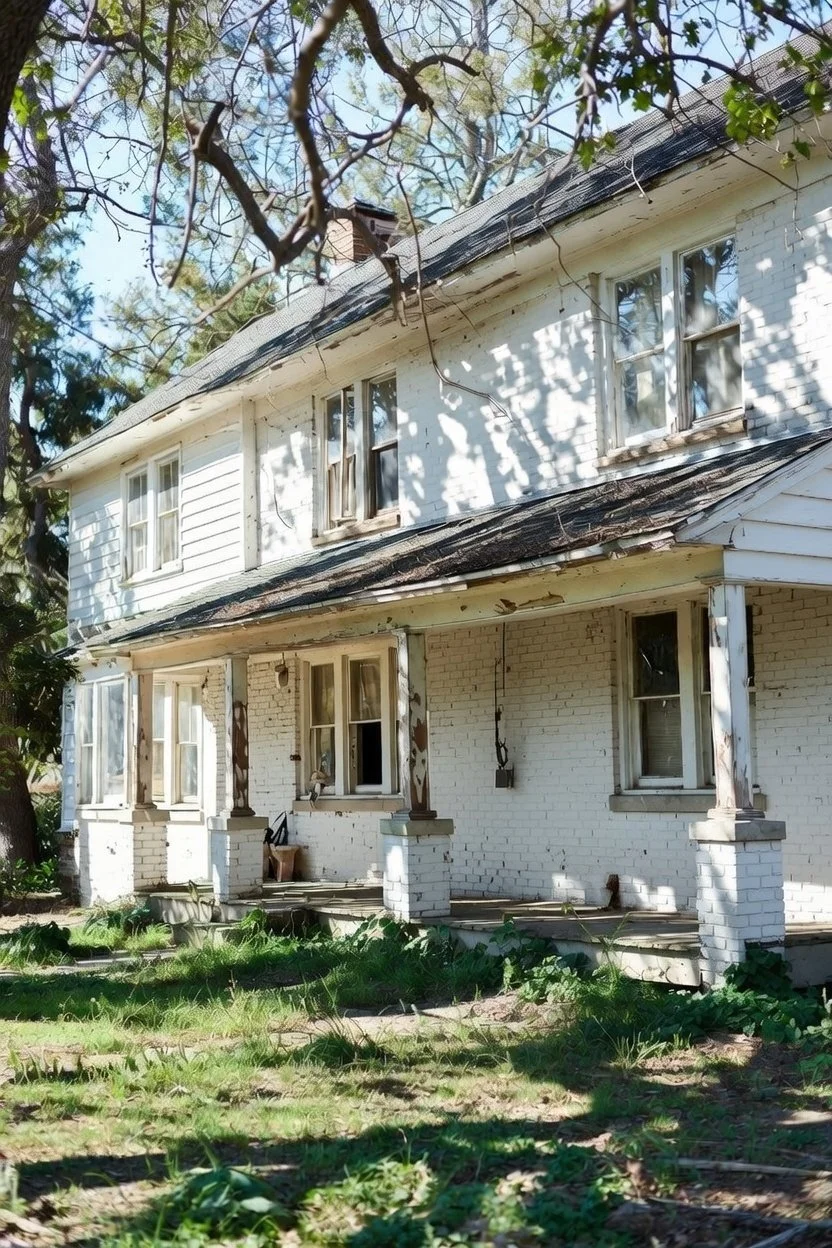
The Impact of Paint on Brick: Challenges for Applying Alternative Finishes Like German Smear or Limewash
Paint applied to brick creates a non-porous film that significantly reduces the surface's ability to accept breathable, vapor-permeable treatments such as German Smear or limewash. This often leaves homeowners with the ongoing requirement to repaint periodically, as alternatives cannot adhere properly without complete paint removal. Paint removal from brick is a labor-intensive and costly process that typically involves chemical strippers, mechanical methods, or both, highlighting the long-term implications of initial painting decisions on historic or traditional masonry.
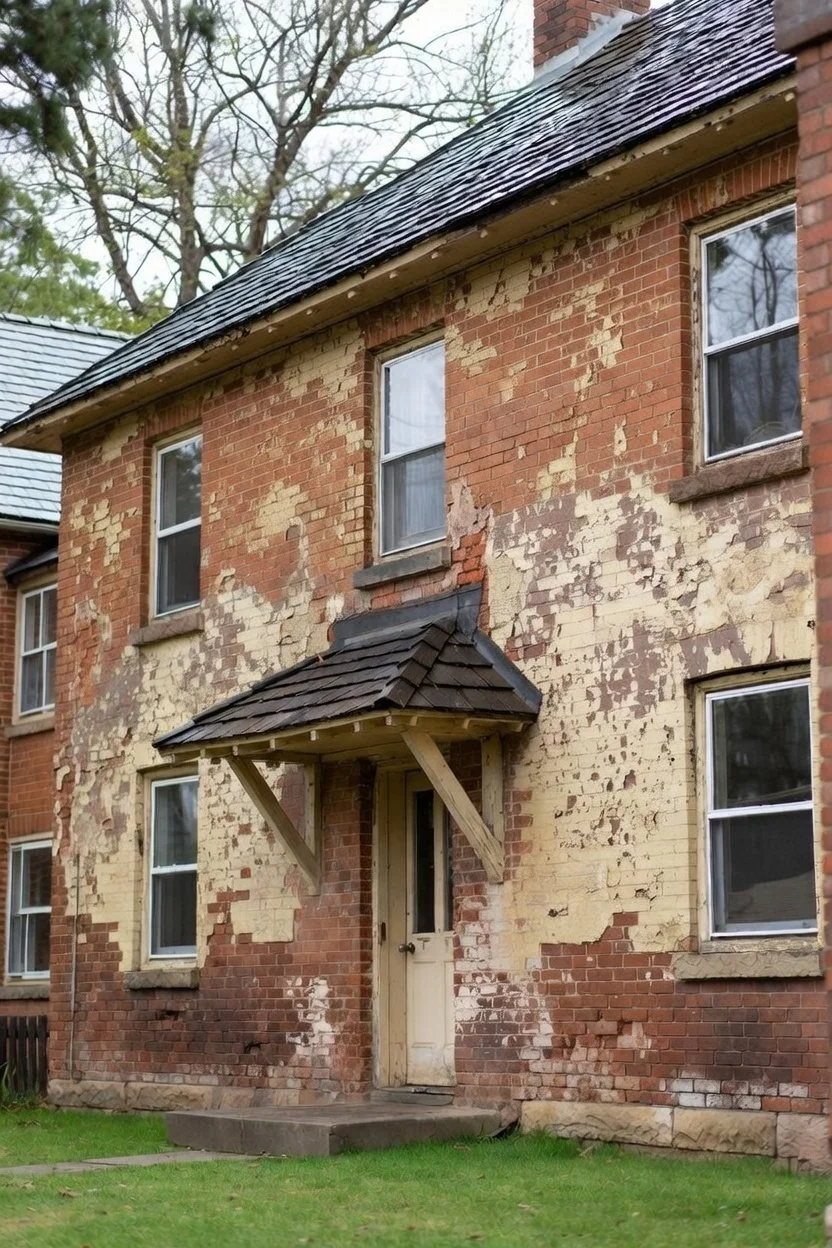
The Destructive Impact of Paint on Brick Masonry
Paint applied to brick creates a non-breathable barrier that traps moisture within the porous material, leading to accelerated deterioration through freeze-thaw cycles and other moisture-related issues. This practice, common in mid-20th-century renovations, often results in spalling, efflorescence, and long-term structural damage, particularly in older or historic brick buildings. Understanding these mechanisms highlights why traditional breathable treatments have endured in European architectural traditions.