Height Limitations in Historical Brick Structures Versus Modern Possibilities
Brick has served as a primary structural material from ancient times through the early skyscraper era, where load-bearing masonry defined architectural height possibilities. From a historical standpoint, the compressive behavior of unreinforced clay brick imposed practical limits on building scale, necessitating progressively thicker walls to support cumulative loads. Understanding these constraints highlights how modern developments in materials and construction techniques have expanded brick's role in taller architecture, distinguishing between true load-bearing applications and veneer uses.
Height Constraints in Historical Unreinforced Brick Buildings
Traditional clay bricks, often handmade or early machine-produced, exhibited variable compressive strengths due to inconsistent firing and composition. Load-bearing masonry relied solely on gravity and mass for stability, with walls carrying all vertical loads directly to foundations.
Key limitations included:
Compressive stress accumulation: As height increased, lower walls bore greater weight, risking crushing without increased thickness.
Wall thickening: Bases flared outward dramatically to distribute loads.
Lateral stability: Wind and seismic forces demanded robust mass, further limiting slenderness.
Notable Historical Examples
Monadnock Building, Chicago (1891–1893): 215 feet (66 meters) tall, 16 stories; considered the tallest load-bearing brick building ever constructed. Walls 6 feet (1.8 meters) thick at base, tapering to 18 inches at top.
Philadelphia City Hall (completed 1894): Approximately 548 feet (167 meters) including tower; large free-standing masonry structure with walls up to 22 feet thick at base, primarily granite and brick.
These heights represented practical maxima for unreinforced systems, beyond which economic and structural inefficiencies favored emerging steel frames.
Material and Climate Considerations
Historical bricks allowed vapor permeability for moisture management but offered limited freeze-thaw resistance in severe climates without dense firing. Adhesion depended on lime-based mortars, providing flexibility but lower ultimate strength.
Modern Advancements Enabling Greater Heights
Contemporary masonry incorporates reinforcement (steel bars or mesh) and precise engineering, increasing effective compressive capacity and tensile resistance. This permits slimmer walls and taller load-bearing configurations.
Distinctions from historical methods:
Reinforced masonry: Grouted cells and rebar enhance ductility and load distribution.
Thin brick systems: Non-structural veneers anchored to steel or concrete frames, allowing authentic brick appearance without weight penalties.
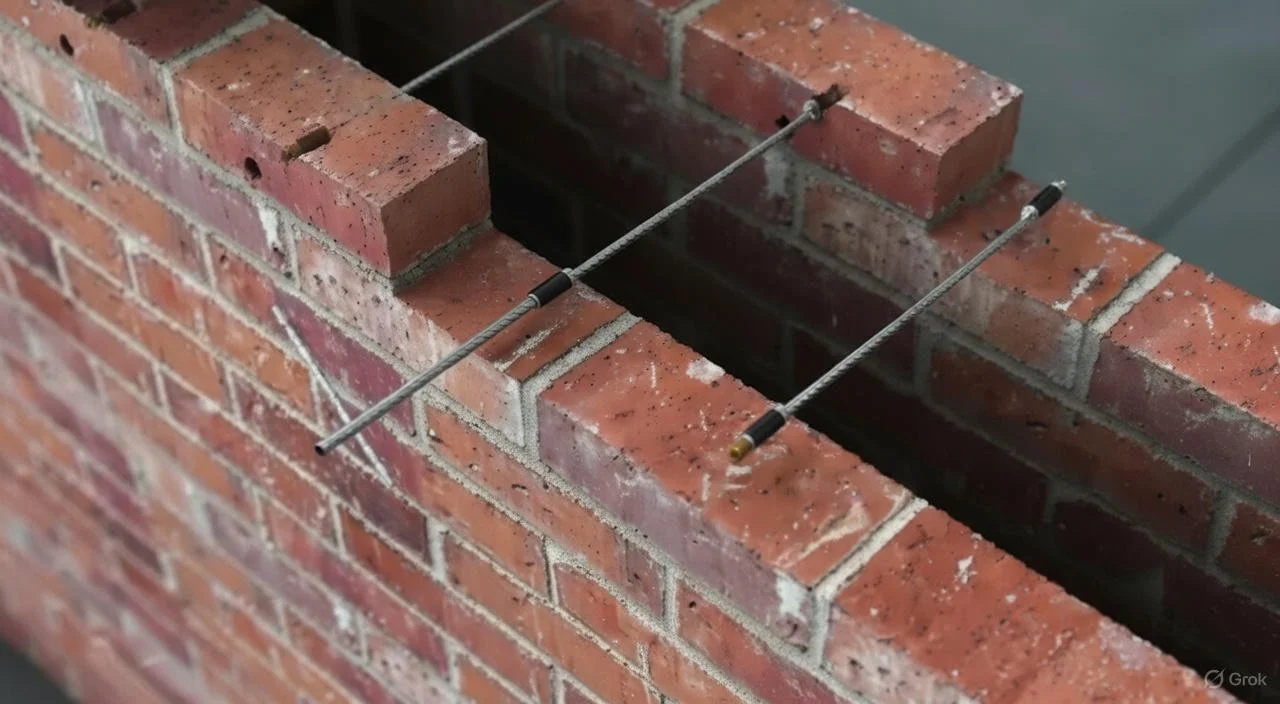
Examples of Modern Load-Bearing Heights
Reinforced brick masonry buildings: Commonly reach 15–20 stories (approximately 165–250 feet), with examples up to 28 stories in specialized designs.
Swiss mid-20th-century innovations: Pioneered thin reinforced walls for 18+ story apartments.
Veneer Applications on Tall Structures
Modern thin bricks (sliced or manufactured) adhere to high-rise frames, enabling brick facades on buildings far exceeding historical masonry limits—hundreds of feet tall—while maintaining breathability and aesthetic continuity with traditions.
Building Science Insights
Reinforcement improves freeze-thaw durability and vapor permeability control. Mortar compositions now balance adhesion with compatibility, supporting taller, more resilient assemblies in varied climates.
Conclusion
Historical unreinforced brick structures capped practical heights around 200–500 feet due to compressive demands and thick-wall requirements, as evidenced by iconic 19th-century examples. Modern reinforced masonry and veneer techniques overcome these barriers, permitting load-bearing heights beyond historical precedents or brick finishes on contemporary skyscrapers, reflecting evolved material behavior and engineering principles.
Looking to DIY?
Checkout SmearTech’s Signature White™ Mortar and German Smear Tools.