

The Spectrum of Brick Sizes: From Compact to Expansive Formats
Bricks, as fundamental building elements, come in a variety of sizes that reflect regional traditions, material availability, and functional requirements in architecture. Documented as early as ancient Mesopotamian civilizations around 7500 BCE, brick dimensions have been standardized over time to optimize for strength, efficiency, and design flexibility. This variation matters from an architectural standpoint because it directly impacts load distribution, thermal performance, and visual harmony in built environments, including how finishing techniques such as German Smear—a mortar-based wash rooted in European traditions—are applied to enhance or protect brick surfaces.
Common Brick Sizes: From Smallest to Largest
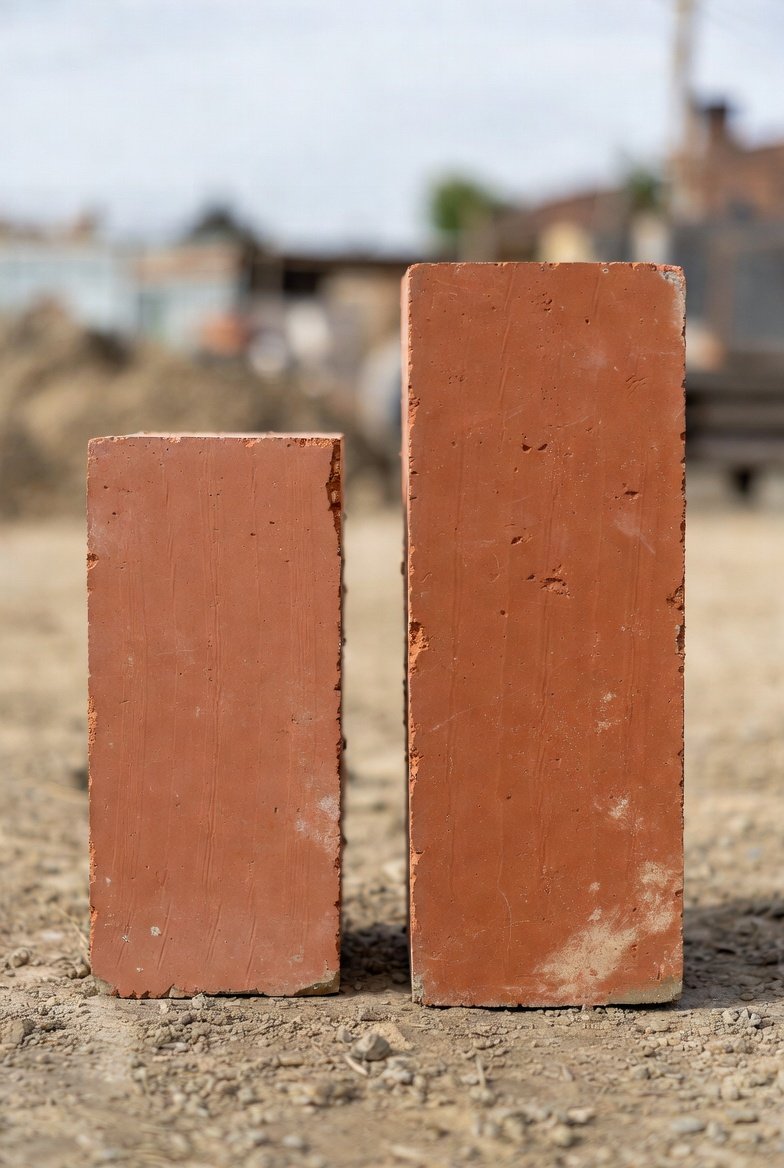
Brick sizes are typically categorized by their dimensions, which can vary by country and era, but modern standards often follow modular systems for compatibility. In the United States, for instance, bricks are classified based on nominal sizes that include mortar joints, while actual dimensions are slightly smaller. Historical European bricks, such as those used in German construction, might differ, often being more elongated or compact depending on local clay sources and firing techniques.
The following list outlines common brick sizes in ascending order of volume (calculated as length x width x height), drawing from established North American and European conventions. These are based on verifiable industry standards, such as those from the Brick Industry Association.
Roman Brick: Actual dimensions approximately 11.5 inches long x 3.5 inches wide x 1.5 inches high (volume around 60 cubic inches). Commonly used in historical contexts, documented in Roman architecture for thin, tile-like applications.
Modular Brick: Actual dimensions about 7.5 inches long x 3.5 inches wide x 2.25 inches high (volume approximately 59 cubic inches, though similar to Roman in some metrics but thicker). A standard in modern U.S. construction for its balance of size and manageability.
Queen Brick: Actual dimensions roughly 8 inches long x 2.75 inches wide x 3 inches high (volume about 66 cubic inches). Popular in residential builds for a slightly slimmer profile compared to modular types.
King Brick: Actual dimensions around 9.5 inches long x 2.75 inches wide x 3 inches high (volume approximately 78 cubic inches). Offers a longer face for broader wall coverage.
Utility Brick: Actual dimensions about 11.5 inches long x 3.5 inches wide x 3.5 inches high (volume around 141 cubic inches). Larger format for commercial or industrial use.
Jumbo Brick: Actual dimensions typically 15.5 inches long x 3.5 inches wide x 3.5 inches high (volume about 190 cubic inches). Among the largest standard sizes, used for efficiency in large-scale projects.
These sizes can vary slightly by manufacturer or region; for example, traditional German bricks might measure closer to 24 cm x 11.5 cm x 7.1 cm (about 9.4 x 4.5 x 2.8 inches), aligning with metric standards.
Reasons for Manufacturing Different Brick Sizes
Different brick sizes arise from a combination of practical, economic, and environmental factors, rooted in building science and historical practices. Smaller bricks allow for finer control in curved or ornate designs, while larger ones reduce labor time. Material science plays a role, as clay composition and kiln firing must accommodate size to prevent cracking or warping.
Construction Efficiency: Larger bricks cover more area per unit, speeding up building processes; documented in 19th-century industrial architecture where time savings were critical.
Structural and Load Considerations: Smaller bricks provide more joints for better flexibility in seismic areas, while larger ones offer greater compressive strength per square foot.
Aesthetic and Design Flexibility: Compact sizes enable intricate patterns, such as herringbone, common in historical European facades; larger formats create bolder, monolithic appearances.
Regional and Material Adaptations: In areas with abundant clay, larger bricks minimize waste; historically, Roman bricks were sized for portability in empire-wide transport.
Climate and Environmental Factors: In colder climates, thicker bricks enhance thermal mass, helping regulate indoor temperatures through heat storage and release.
Structural Impacts of Using Different Brick Sizes
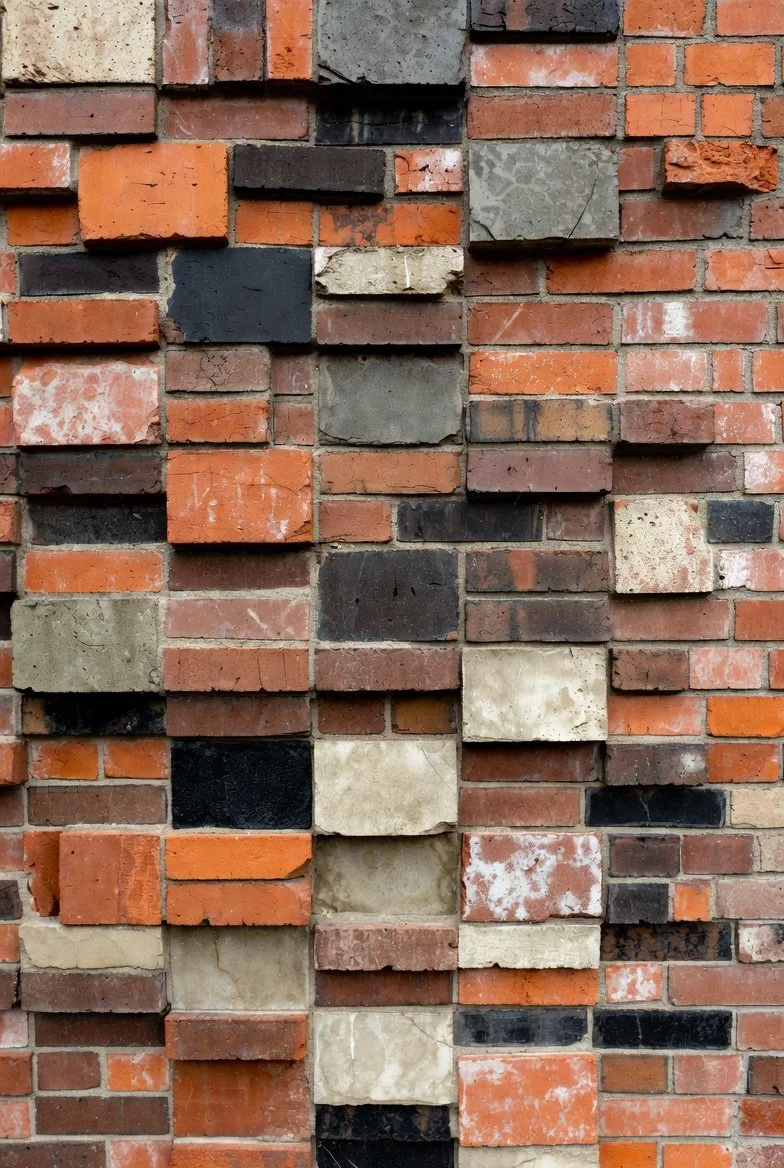
The size of bricks influences the overall stability, durability, and performance of a structure, based on principles of load-bearing capacity, bonding, and material behavior. Smaller bricks result in walls with more mortar joints, which can affect vapor permeability and freeze-thaw resistance, while larger bricks create fewer seams but demand precise alignment to avoid weak points.
Load Distribution and Strength: Larger bricks distribute weight more evenly over broader areas, increasing compressive strength; studies in building science show utility bricks can support up to 20% more load than modular ones in similar configurations.
Wall Thickness and Stability: Compact bricks allow for thinner walls with equivalent strength due to denser joint networks, enhancing shear resistance in historical structures like medieval German buildings.
Thermal and Moisture Performance: Smaller bricks with more joints promote breathability, reducing moisture trapping that leads to efflorescence; larger bricks provide higher thermal inertia, beneficial in variable climates.
Seismic and Wind Resistance: More joints in small-brick walls absorb vibrations better, as seen in earthquake-prone regions; larger bricks require reinforcement to prevent cracking under lateral forces.
Construction Durability: Adhesion principles favor smaller bricks in freeze-thaw cycles, where expansion in joints buffers stress; larger formats may experience greater differential movement if not properly mortared.
Variations in German Smear Techniques Based on Brick Size
German Smear, also known as Schmear or mortar wash, is a traditional finishing method involving the application of a thin mortar layer over brick to achieve a textured, aged appearance while preserving breathability. Originating from German building traditions documented as early as the 18th century, it differs from limewash or whitewash by using cementitious mortar for adhesion. The technique adapts to brick size because surface area, joint density, and texture influence mortar application, coverage, and final aesthetic.
Application on Small Bricks: With more joints per square foot (e.g., Roman or modular), smear focuses on filling seams first to unify the surface; techniques involve thinner mortar mixes for precise control, preventing overload that could reduce vapor permeability.
Application on Medium Bricks: For queen or king sizes, even spreading is key; historical methods use trowels to drag mortar across wider faces, creating subtle variations in texture that highlight the brick's natural contours.
Application on Large Bricks: Utility or jumbo formats require broader tools and potentially diluted mortar for coverage; the smear emphasizes the brick's scale, with wiping techniques adjusted to avoid pooling in fewer joints, maintaining breathability essential for moisture management.
Material Considerations Across Sizes: Smaller bricks, often more porous, absorb mortar quickly, necessitating wetter mixes; larger, denser bricks demand stronger adhesion to prevent peeling, aligning with building-science principles of compatibility.
Aesthetic and Historical Outcomes: In historical contexts, small-brick smears mimic aged plaster effects common in European cottages; larger bricks yield a more rustic, monolithic look, as seen in industrial-era German warehouses.
Conclusion
Exploring brick sizes from smallest to largest reveals their role in shaping architectural efficiency, structural resilience, and aesthetic expression, grounded in centuries of building traditions. These dimensions not only dictate construction dynamics but also influence finishing methods like German Smear, adapting to ensure durability and visual appeal. This knowledge underscores the importance of selecting appropriate materials for harmonious, long-lasting designs.
Looking to DIY?
Checkout SmearTech’s Signature White™ Mortar and German Smear Tools.
